Builders
 Carpenters
 Electricians
 Flooring Specialists
 Gardeners
 Handymen
 Heating Engineers
 Painters & Decorators
 Plasterers & Renderers
 Plumbers
 Roofers
 Tilers
 my
myBee Nest Removal Cost
At a Glance
- The average cost of bee nest removal is between £70 and £700 for honeybee nest removal, or £60 to £140 for bumblebee nest removal.
- Standard nest removal typically takes 1 to 3 hours, while complex jobs — such as chimney or in-wall nests — can take 4 to 6 hours.
- A breakdown of the pricing details for bee nest removals.
- How long the work is likely to take.
- Rules related to bee nest removals in the UK.
Get free estimates
Are you a trade? Get more work today!
£380
Table of Contents
- How Much Does Bee Nest Removal Cost?
- How Much Does It Cost to Remove Bees From a Chimney?
- Additional Bee Nest Removal Costs
- Labour Cost of Bee Nest Removal & Timescales
- Factors That Impact Bee Nest Removal Costs
- Building Regulations Related to Bee Nest Removal
- Bee Nest Removal Methods
- Alternatives to Bee Nest Removal
- Checklist: Hiring a Bee Nest Removal Specialist
- Removing a Bee Nest Yourself: Considerations and Costs
- FAQs
How Much Does Bee Nest Removal Cost?
Honey bee nest removal in the UK can cost between £70 and £700, depending on the size, location, and ease of access. Bumblebee nest removal costs slightly less, typically ranging from £60 to £140.
The species of bee affects the price you'll pay for removal. Honey bee colonies can contain between 20,000 and 60,000 bees, while bumblebee nests carry up to 400 — and this difference in scale is reflected in the cost. If you're unsure which species you're dealing with, a pest control specialist can identify the colony and recommend the most appropriate removal method.
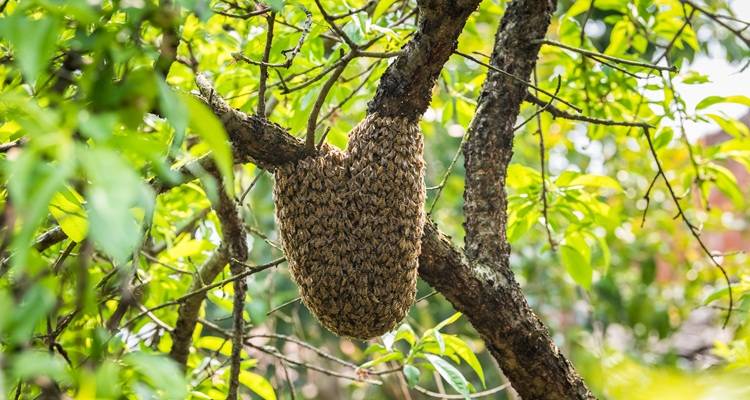
Many bee species in the UK are in decline, so the preferred approach is to relocate rather than exterminate — with extermination used only as a last resort. Several factors influence whether removal is necessary in the first place.
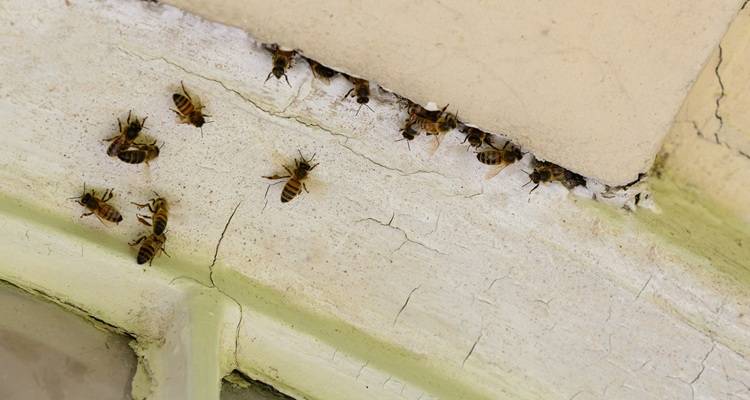
Carpenter bees tend to burrow into softwood or decaying wood, while honey bees often establish nests in walls, chimneys, and loft spaces — all of which can disrupt your home's structure. If bees are causing structural damage, delaying action can make the situation worse and lead to costly repairs.
A colony's behaviour also affects the price you'll pay. Bumblebees are generally calm and easier to handle, while agitated or aggressive colonies — most commonly found in smaller indoor spaces — are more challenging to remove and may push costs higher.
Bee Nest Removal Prices
The table below breaks down typical costs by removal type:
| Removal Type | Typical Cost |
|---|---|
| Honey bee nest removal | £70–£700 |
| Bumblebee nest removal | £60–£140 |
| Honey bee swarm removal | £80+ |
| Honey bees in chimney removal | £180+ |
| Mining bee nest treatment | £100+ |
| Removing bees from a wall | £550–£1,000+ |
Want a custom price?
Post your job
Honey bee nest removal ranges from £70 to £700, depending on nest size and location. Colonies can contain up to 60,000 bees, so costs rise significantly with scale. Bumblebee removal is cheaper, typically costing £60 to £140, as colonies rarely exceed 400 bees.
Swarm removal starts from £80, while treatment for mining bee nests starts from £100, rising with the number of nests and complexity of access.
Removing honey bees from a chimney costs upwards of £180, as the job often requires specialist equipment and, in some cases, 2 technicians working at height.
Removing bees from a wall is one of the more complex and costly jobs, typically ranging from £550 to £1,000 or more. Costs rise significantly if the colony is well-established, structural repairs are needed, or scaffolding is required for access.
How Much Does Bumblebee Nest Removal Cost?
Bumblebee nest removal typically costs between £60 and £140, making it considerably cheaper than honey bee removal. The lower cost reflects the smaller colony size — bumblebee nests rarely contain more than 400 bees, compared to up to 60,000 in a honey bee hive.
In many cases, bumblebee removal isn't strictly necessary. Bumblebee colonies die off naturally by late autumn, so if the nest is in a low-traffic area and isn't causing damage, leaving it undisturbed until the end of the season is a viable option. If the nest does need to be removed — for example, because it's inside a wall cavity or near a frequently used entrance — a pest control specialist can advise on the most appropriate approach.
Bumblebees are rarely aggressive and their nests don't typically cause structural damage, which is why removal costs are lower and the process is generally more straightforward than honey bee extraction. That said, costs can still vary depending on nest location and ease of access.
It's worth checking online for local bee removal or relocation services, as many areas have free schemes run by volunteers or charities — including the British Beekeepers Association, which offers free honey bee swarm collections across the UK.

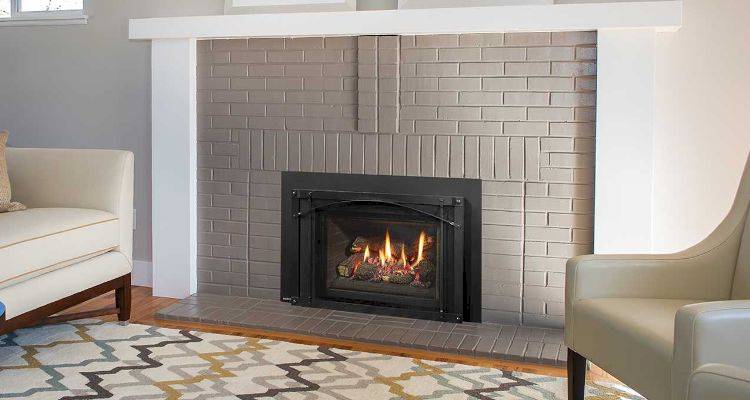
How Much Does It Cost to Remove Bees From a Chimney?
Removing honey bees from a chimney is one of the more complex and costly removal jobs, with prices starting from £180. The final cost depends on the size of the colony, how long it has been established, and whether any structural work is needed to access the nest.
Chimneys are a common nesting site for honey bees, as they provide a dark, enclosed, and sheltered space. Once established, a colony can be difficult to access without removing roof tiles, soffits, or sections of brickwork — all of which add to the overall cost.
In some cases, 2 technicians may be needed to carry out the work safely, particularly where roof ladders or specialist equipment are required. After the bees have been removed, the chimney should be treated with a biocidal spray and fitted with a mesh cover or bee guard to prevent re-entry.
Signs of Bees in a Chimney
It's not always obvious that bees have nested in a chimney. Common signs include:
- A loud, persistent buzzing sound coming from the chimney breast or fireplace.
- A high volume of bees entering and exiting a single point on the roof or chimney stack.
- Honey or dark staining seeping through walls or ceilings near the chimney.
- A sweet or musty smell coming from the fireplace, particularly in warmer months.
If you notice any of these signs, avoid lighting the fireplace, as smoke can agitate the colony and drive bees further into the property. Contact a bee removal specialist as soon as possible — the longer a colony is left in a chimney, the larger it will grow and the more costly it will be to remove.
Preventing Bees From Nesting in a Chimney
The most effective way to prevent bees from nesting in a chimney is to fit a chimney cowl or mesh guard over the opening. This allows the chimney to ventilate normally while blocking access for bees and other insects. Mesh vent covers for air bricks — a common entry point — typically cost from around £20.
If your chimney is no longer in use, having it capped by a builder is a more permanent solution and removes the risk of future infestations entirely. You may also want to consider a loft vent installation if bees are accessing your roof space through gaps around the eaves.
Additional Bee Nest Removal Costs
Once the nest has been removed or relocated, you may need to address any damage the bees have caused. Common additional costs include:
Repair Work
Carpenter bees burrow into softwood and decaying wood, so you may need repair or replacement work on window frames, wooden porch surrounds, or sheds following their removal. Decaying wood that has attracted carpenter bees may also be vulnerable to woodworm, so it's worth inspecting affected timber at the same time.
For nests in walls, chimneys, or cavities, you may need to carry out remedial work once the hive has been removed — such as replacing eaves felt (around £400), repointing brickwork (from £600), or replacing ridge tiles (around £300).
Relocation Services
Bees aren't a legally endangered species in the UK, but many species are in decline. Because of this, relocation is the preferred removal method over extermination, and is usually charged as an additional fee on top of the base removal cost.
Costs vary depending on your location and the complexity of the relocation. In some cases, local beekeepers may carry out the work for free or at a reduced rate.
Honeycomb Removal
After a honey bee nest has been removed, any remaining honeycomb should also be cleared out. Left in place, it can attract pests such as ants, wasps, and rodents — if you're already dealing with a rodent problem, addressing the honeycomb promptly is particularly important. The cost of honeycomb removal will depend on the size of the nest and ease of access.
Hiring Scaffolding
If the nest is in a hard-to-reach area, you may need to hire scaffolding. An access tower typically costs between £65 and £110.
Follow-Up Visit
Some specialists offer a follow-up visit to confirm the removal was successful and the colony hasn't returned. This is often included at no extra charge, but confirm this with your contractor before work begins.
Labour Cost of Bee Nest Removal & Timescales
Most bee nest removals take 1 to 3 hours. Complex jobs — such as hives in chimneys or deep in-wall nests — can take 4 to 6 hours, and where access is restricted, the time can increase further.
Most paid services start from £60 for bumblebee nests and £70 for honey bee nests, rising to £700 or more for complex, high-volume removals. Some services are available for free — the British Beekeepers Association, for example, handles honey bee swarm collections across the UK at no charge.
Factors That Impact Bee Nest Removal Costs
Bee nest removal costs can be influenced by several factors, which is why the removal cost range can swing from £70 to £700 for honeybees.
Location and Accessibility
Most bee removal companies carry their own working-at-height equipment to reach hard-to-reach areas such as high alcoves, roof spaces, and eaves. However, the use of the specialist equipment will cost money and will likely bump up your overall project costs.
If you have a bee nest in your wall cavity or roof space, your removal costs will be higher than those associated with bee nests in open spaces such as gardens with limited access.
Nest Size
Larger nests, hives, or swarms require more equipment and resources to remove, and may need more than 1 specialist on site — resulting in higher labour costs overall.
Time of Year
Late winter and early spring are the best times to remove bee nests, as colonies are smaller and easier to handle. Removal during peak summer months is more complex and typically more expensive, due to higher bee activity and greater demand for services.
Bee Species
Although you may think a bee is just a bee, the species impacts the removal and relocation service required. Honeybees are often relocated, while bumblebees can be left to their own devices.
Other species, such as carpenter bees, may need different handling, resulting in different pricing for increased risk.
Building Regulations Related to Bee Nest Removal
Bees are essential for the planet’s ecosystem, but they aren’t a protected species at the time of writing. In the UK, several acts help to protect them:
- The Bees Act 1980 — this allows the government to create orders to prevent the spread of new diseases that impact bees.
- The Bee Diseases and Pests Control Orders — similar to the Bees Act of 1980, this helps to protect bees from existing pests and diseases that impact bees.
- Other Legislation - various food, drugs, veterinary, and environmental laws help to protect bees.
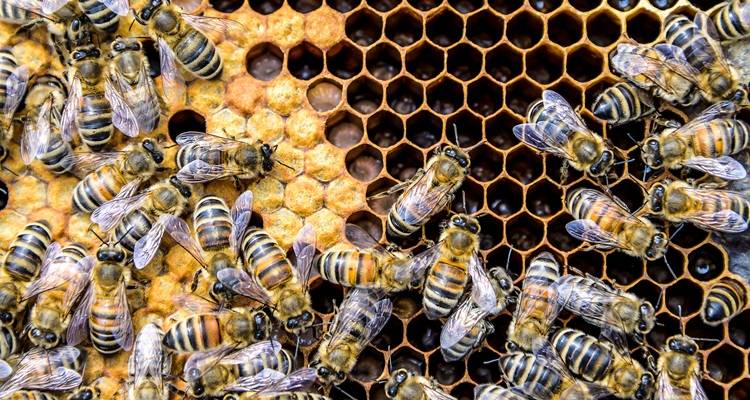
Due to their intrinsic value to the planet, bees need these regulations to help avoid unnecessary pests and diseases from harming their kind. These acts also help to encourage safe relocation to protect bee populations.
While the extermination of bees is technically legal in the UK, there are regulations and recommended guidelines:
- Any chemical treatment must comply with UK biocide and wildlife legislation.
- The nest must be treated post-extermination to avoid harming other bees that may enter it.
- Risk assessments must be carried out before extermination.
- Honeycombs must be disposed of as controlled waste by licensed waste removal services.
Any extermination service should be carried out by a member of a regulated pest control body, such as the British Pest Control Association (BPCA) or the National Pest Technicians Association (NPTA).
Bee Nest Removal Methods
Removal methods will differ depending on the species of bee. The most common method is a professional relocation, where the hive, nest, or swarm is safely removed and rehomed in a more suitable, protected environment. This allows the bees to live and provide for the planet while being moved in an eco-friendly, environmentally, and ethical way.
However, in some instances, extermination may be the only option. This is most likely in circumstances where:
- There are a high number of bees in and outside of a property
- The access/entry point of the bees is unclear, leading to an infestation
- Holes in wood or bowing/distended ceilings or walls
- Dark patches in walls or ceilings, coupled with a musty odour
Professional extermination may be the only option when there's an infestation and the property’s structure or purpose is at risk. Preventative measures around the property can help prevent bee nests from forming, such as sealing holes or cracks after removal, to avoid recurring issues.
Let’s compare and contrast those different removal methods:
- Bee relocation/removal — Ensures the bees are taken somewhere more suitable and out of harm's way. However, bees can potentially return, and some companies may not carry out the relocation service safely.
- Preventative measures — Helps to avoid recurring bee hive/swarm issues, is cost-effective and harmless. Although it's not always as effective as other options.
- Extermination — Completely removes the bees and their nest, as well as significantly reducing the risk of any returning. This option isn’t environmentally friendly and should only be used if no other option is suitable.
Alternatives to Bee Nest Removal
Removal isn't always necessary. If a bumblebee nest is in a low-traffic area of your garden and isn't causing damage, leaving it undisturbed is a reasonable option — bumblebee colonies naturally die off by late autumn, so the nest will typically clear itself within a season.
- Leave the nest undisturbed — suitable where the nest is in a low-traffic area and poses no structural risk. Bumblebee nests are the most appropriate candidate for this approach.
- Install a bee house — provides a designated nesting spot away from your home's entry points, encouraging bees to nest safely elsewhere. Solitary bee houses start from around £6, while larger structures cost upwards of £50.
- Plant natural deterrents — plants such as peppermint and citronella can discourage bees from nesting nearby. Placing them near high-traffic areas or wooden structures can reduce the likelihood of nest formation.

Checklist: Hiring a Bee Nest Removal Specialist
Before hiring a pest control specialist, review the following questions first:
- Verify their credentials — check that the contractor holds relevant licences, such as a pest control licence or local wildlife handling permits, and is a member of a regulated body such as the BPCA or NPTA.
- Ask whether they offer relocation — relocation is the more environmentally responsible option. Extermination may cost less, but it should only be considered where relocation isn't viable.
- Request a written quote — ask for an itemised breakdown of costs and confirm whether follow-up visits or honeycomb removal are included or charged separately.
- Use a written agreement — avoid verbal agreements to prevent unexpected costs or disputes once the work is complete.
- Check their reviews — look for verified feedback before committing to a contractor.
Removing a Bee Nest Yourself: Considerations and Costs
A DIY approach is only advisable if you have researched the process thoroughly and have the right protective equipment. You'll also need a clear exit strategy if the colony becomes agitated, as aggressive bees can sting in large numbers.
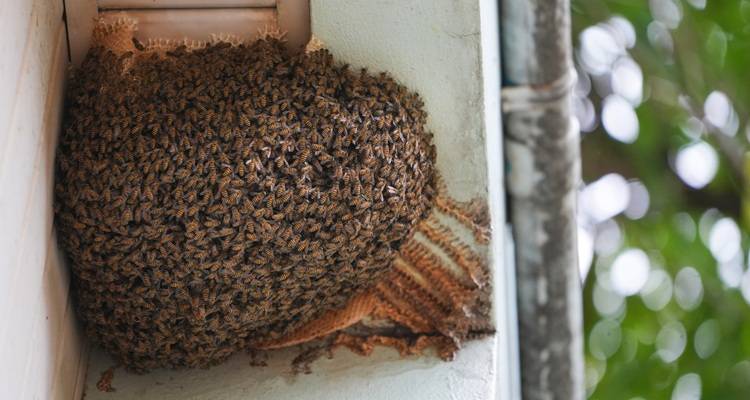
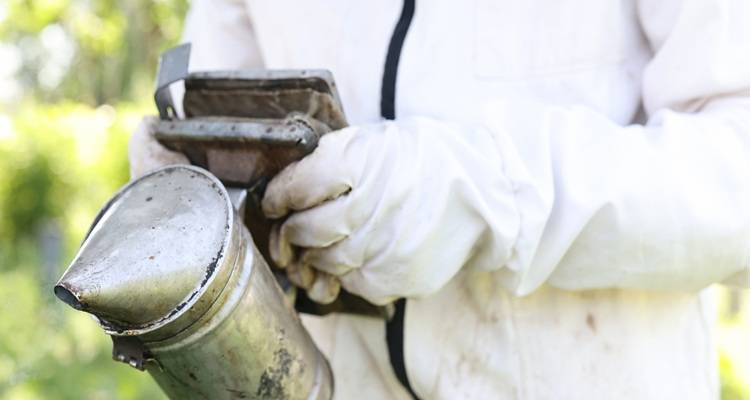
Where possible, use bee-friendly products to avoid unnecessary harm to the colony. Equipment costs typically include smokers (£30+), brushes (£20+), oil and herb blends (£25+), and complete bee removal kits (£75+). A protective beekeeper suit costs upwards of £50.
Nests in loft spaces, roof cavities, or high-level eaves are best left to a professional. Working at height adds significant risk, and a poorly handled removal can result in injury or the loss of a large number of bees. If you're unsure at any point, contact a qualified specialist — the cost of professional removal is usually worth it compared to the risks of getting it wrong.
FAQs
How Can I Prevent Bees From Nesting Again?
If a bee nest has been removed or relocated, ensure any nest residue or honeycomb has also been properly removed. This will help stop pests and new bees from being attracted to the location. Protective shields and gauze can also help to prevent bee re-entry following their removal.
Is There a Best Time of Year To Remove Bee Nests?
Late winter to early spring is the best time to remove bee nests, as colonies are smaller and easier to handle. Removal during summer is more complex and typically more expensive due to higher bee activity and greater demand for specialist services. For bumblebee nests specifically, waiting until late autumn is often the simplest option — colonies die off naturally at the end of the season, so the nest will clear itself without intervention.
Can I Claim for Bee Nest Removal on Home Insurance?
Some home insurance policies may cover damage caused by bees or the costs of a professional removal, especially if the infestation leads to structural issues. However, individual policies may vary, check your policy carefully or ask for advice.
Who Is Responsible for Bee Nest Removal in a Rented Property?
If you live in a rented property, you should contact your landlord or letting agent before attempting bee nest removal. They are usually responsible for arranging and covering the cost of pest control, in order to remove or relocate the bee nest responsibly.
What Happens if I Leave the Bee Nest?
Bumblebee nests are generally harmless and will die off naturally by late autumn. Honey bee colonies in walls, chimneys, or loft spaces are a different matter — left untreated, they can cause honey seepage, damp staining, and structural damage, and the larger the colony grows, the more costly removal becomes. Professional removal is recommended if the nest is inside your property or causing damage.
Should I Be Worried About Bees in My Chimney?
Yes, honey bees in a chimney should be dealt with promptly. Left untreated, the colony will grow and honeycomb can build up inside the flue, leading to honey seepage, damp patches, and structural damage. Avoid lighting the fireplace if you suspect bees are present, as smoke can drive them further into the property. Contact a bee removal specialist to assess the nest and recommend the safest removal method.