Builders
 Carpenters
 Electricians
 Flooring Specialists
 Gardeners
 Handymen
 Heating Engineers
 Painters & Decorators
 Plasterers & Renderers
 Plumbers
 Roofers
 Tilers
 my
myRetaining Wall Cost Calculator
This retaining wall cost calculator is designed to give UK homeowners a practical and timely estimate of how much it may cost. Often used to support soil in sloped gardens and to create a level surface area for patios, lawns and driveways, retaining walls are very helpful elements in a garden.
The overall cost of a retaining wall will mainly depend on the size of the wall, the types of materials used, and the general condition of the existing lawn or garden. In many cases, there will be some necessary additional features, such as drainage systems and strong foundations, which will ensure the wall remains stable over time. This tool helps you plan your budget before requesting quotes from local tradespeople.
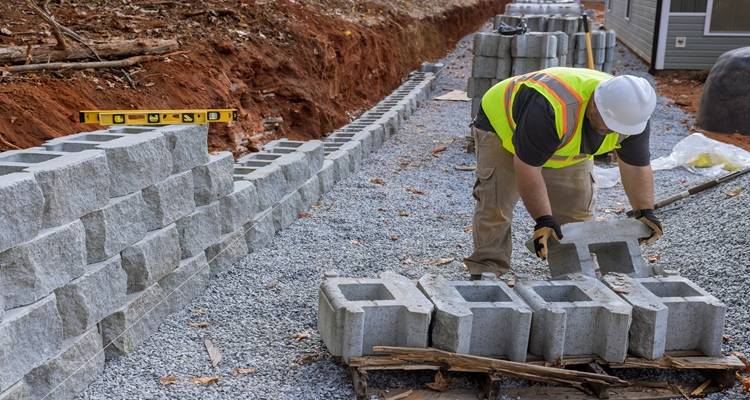
Retaining Wall Cost Calculator
Table of Contents
How to Use This Retaining Wall Cost Calculator
This cost calculator will provide a general estimate for what you can expect to pay for the construction of a retaining wall. By simply entering a few details about your proposed project, you can see an estimate based on typical installation costs in the UK.
- Wall Length and Height — Tell us the approximate length and height of your planned retaining wall in metres, as this allows us to calculate the total size of your wall and the labour and materials that will be required.
- Wall Material — Choose the material you want to use for your wall, as this is a key factor affecting costs. For example, walls made from timber sleepers will cost a lot less than those made with natural stone.
- Drainage Requirements — Select the appropriate drainage option for your wall so you can see how more comprehensive drainage systems will affect costs, due to the increase in materials and labour required.
- Ground Conditions — Ground that requires less work to make it ready for your retaining wall will help to keep the cost down, so it's important to choose the appropriate ground conditions to factor in a true reflection of any groundwork costs.
- Project Complexity — Straight, level walls are generally easier, quicker, and cheaper to build, so select the option that best matches your project to account for the correct amount of time and labour for the retaining wall's complexity.
- Location — Labour rates vary across the UK, so selecting your region helps to provide a more accurate estimate based on the rates for tradespeople in your area.
Factors Affecting Your Retaining Wall Cost Calculation
Our retaining wall cost calculator uses the information about your project to provide you with a calculation of the expected cost.
However, this is only an estimate of what you might need to budget for your project, and we explain the key factors that influence the final price in more detail below, as well as the likelihood of necessary additional costs.
Wall Length and Height
Longer walls will naturally require more materials, and height is of particular note when it comes to estimating costs, as taller walls require stronger construction methods, much deeper foundations, and in some cases, additional structural supports. An increase in height can have a knock-on effect on the cost, as it adds complexity to the build.
In some cases, planning permission may also be required for taller garden walls, particularly if they are near a road. It's always advisable to liaise with your local authority and your builder to gain an understanding of whether you will require planning permission.
Wall Material
Different materials vary in appearance, durability, and price, so the material you choose for your retaining wall will have a significant impact on the cost of the project.
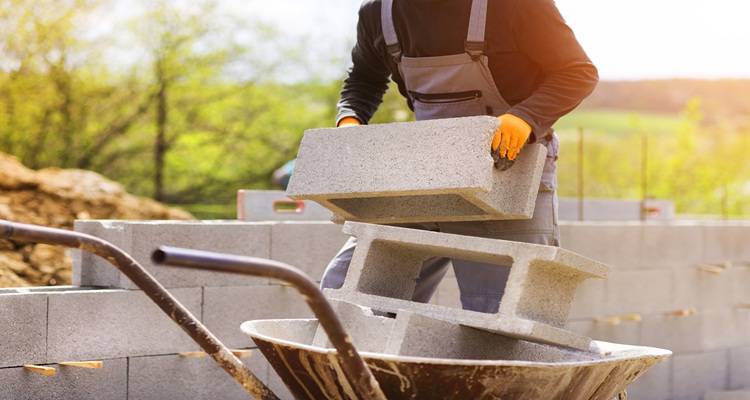
Concrete blocks are the most popular choice for a retaining wall, offering a good mix of strength and cost-effectiveness. Brick offers a more traditional look and feel, but is more labour-intensive, and the material comes in at a higher price point than concrete, making it an overall pricier project.
Natural stone is the most visually appealing option, and it's also incredibly durable, although it is one of the higher-cost materials. Gabion baskets, which are wire mesh baskets filled with rough stone, are gaining popularity in modern gardens and are often more cost-effective. Timber sleepers are one of the most affordable options, but they may not be as durable as masonry walls.
Drainage Requirements
Drainage is a key factor in the cost of a retaining wall. Without proper drainage, water can steadily build behind the wall, which increases the pressure and weight, making a structural failure more likely. In fact, this is one of the most common reasons for the failure of a retaining wall.
To prevent this issue, builders will install a drainage system, usually in the form of a gravel backfill, perforated pipes or small openings called 'weep holes'. All of these systems allow water to escape the retaining wall. While these features will add cost to the project, they are essential for the long-term reliability and durability of the wall.
Ground Conditions
The condition of the existing ground where a retaining wall will be built has a major impact on the cost and complexity of the project. Different types of soil are easier to work with than others, and as such, different ground conditions can affect the labour and preparation required.
For example, loose or soft soil may require a deeper and more reinforced foundation to provide structural integrity, while clay-heavy soil will expand and contract depending on moisture, impacting the stability of the wall if not already accounted for.
Another example is rocky ground, which can make excavation more time-consuming and may require specialist equipment, while a sloped terrain will add complexity, as additional work may be needed to prepare the site and ensure the wall is properly supported.
Project Complexity
The more complex your retaining wall project, the more it is likely to cost, as added complexity will usually mean more time and labour, and potentially materials, are required to achieve the design you want.
Curved walls or walls with corners will require more labour, as there's more work involved in setting out the layout and cutting/fitting the materials to make it work. Stepped walls can also require complicated setting out, not to mention excavation, which all adds to costs.
Walls that need to be built higher may require deeper and wider foundations, as well as reinforcement and more substantial drainage, all of which will add to the material and labour costs of your wall build.
Regional Price Differences
Your location within the UK can also affect the cost of building a retaining wall. Labour rates vary depending on the region, and this can have a noticeable impact on the overall price.
Generally, trades are costlier in London and the South East, where there is a much greater demand and operating costs are much higher for tradespeople. In areas in the North and less densely populated towns and cities, the cost of labour is much lower, due to the reduced demand.
Taking your location into account helps the calculator produce a more realistic estimate based on typical costs in your area.
What Costs Aren't Included in the Retaining Wall Cost Calculation
The cost calculator includes the key factors that help to determine the cost of the majority of retaining wall builds. However, below are some additional costs that are worth bearing in mind, as they may apply to your particular project:
- Structural Engineer Fees — Straightforward retaining wall designs usually mean a fairly uncomplicated build process, but if you're planning a more complex or substantial retaining wall, you might need to budget for structural engineer fees.
- Planning Permission Fees — Planning permission might not be required for most projects in England, but where your retaining wall is over 2m, or over 1m and next to a highway, planning permission and the associated fees could be required for these and other restricted situations.
- Waste Removal — There might be minimal waste if your wall is being built on existing, flat ground, but if there is significant excavation or groundworks required, waste removal costs will need to be budgeted for.
- Difficult Site Access — If access for tradespeople, materials, and machinery is difficult, expect higher costs for labour as the project may need more people on site or just take longer.
Why Do We Include Labour Costs?
Labour is a key part of any retaining wall project, which is why it's included in the cost calculator. In fact, labour will often account for a good portion of the project, which requires more than just the assembly of materials. The cost of labour includes proper design and planning, the installation of complex drainage and structural systems, and, of course, the wall itself.
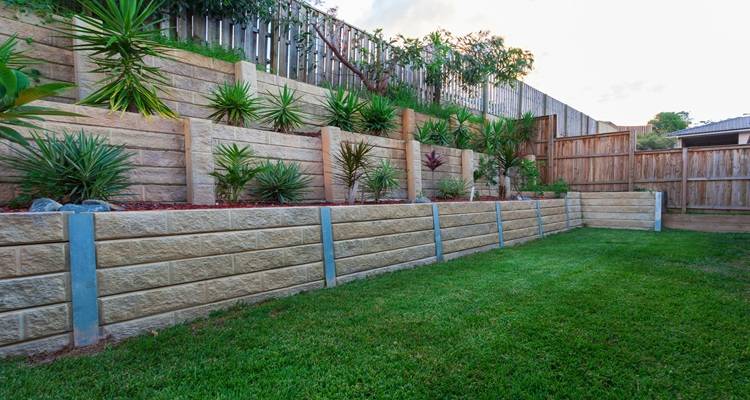
Not only that, but professional builders or landscapers will prepare the ground, install good foundations, and then construct the wall using the best systems and materials. They will also ensure that drainage systems are correctly installed to prevent future issues. Because retaining walls play an important role in supporting soil and maintaining ground levels, poor construction can lead to serious structural problems.
Ready to Get a Quote?
Use MyJobQuote as a quick and easy step after using our cost calculator to find local retaining wall builders in your area.
They can help you with a strong and aesthetically pleasing retaining wall for your garden, providing comfort and functionality wherever it's required.
Last updated by MyJobQuote on 17th August 2026.