Builders
 Carpenters
 Electricians
 Flooring Specialists
 Gardeners
 Handymen
 Heating Engineers
 Painters & Decorators
 Plasterers & Renderers
 Plumbers
 Roofers
 Tilers
 my
myRadiator Replacement Cost Calculator
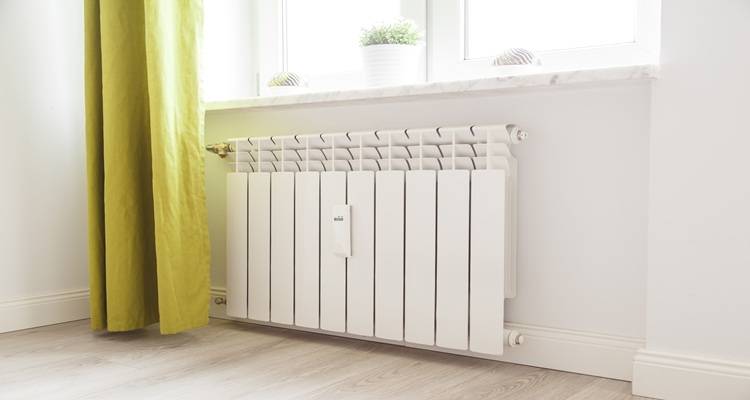
This radiator replacement cost calculator offers an estimated price based on your requirements. In this guide, we’ll look at the costs involved in replacing a radiator and explore the main factors that can impact the estimate produced by the calculator.
Costs can vary depending on a range of factors such as the type of radiator being installed, the size of the radiator, whether existing pipework can be reused and where you are located.
Location matters given that labour rates vary across the UK, tending to be higher in the southeast of England and lower in Northern England or Scotland.
Radiator Replacement Cost Calculator
Table of Contents
- How to Use Our Radiator Replacement Cost Calculator
- What Type of Radiators Are You Replacing?
- How Does Radiator Size Affect the Cost?
- Does the Existing Pipework Need Changing?
- Radiator Valves and TRVs
- Additional Radiator Replacement Costs
- How Does Location Affect Radiator Replacement Costs?
- How Long Does It Take to Replace a Radiator?
- How Much Does It Cost to Replace a Radiator?
- Ready to Get a Quote?
How to Use Our Radiator Replacement Cost Calculator
This radiator replacement cost calculator allows you to get an approximate estimate of how much an installation is likely to cost.
Selecting options that most clearly match your project will produce an estimated radiator installation cost.
Please note that this is an estimate rather than a fixed quote, as the final price will depend on the property and work required. Our radiator replacement cost guide provides additional information.
What Type of Radiators Are You Replacing?
The type of radiator you opt for can affect replacement costs. In this section, we’ll look at various radiator options included in the calculator.
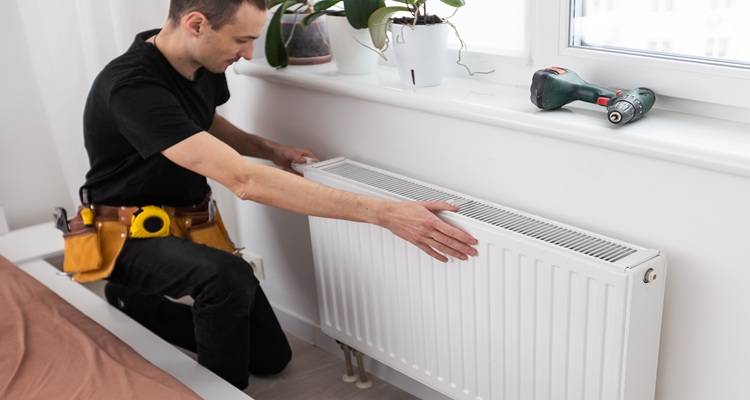
Standard panel radiators, or single panel radiators, are thin options, making them perfect for relatively small rooms or home offices. Double-panel radiators instead feature two panels that are back-to-back. Naturally, double-panel radiators emit more heat than single-panel radiators.
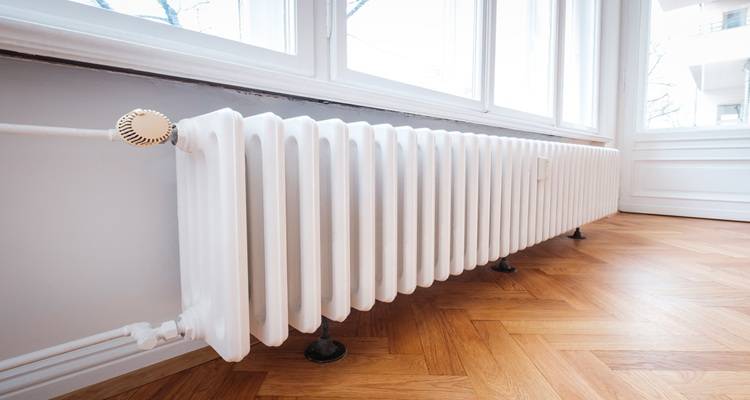
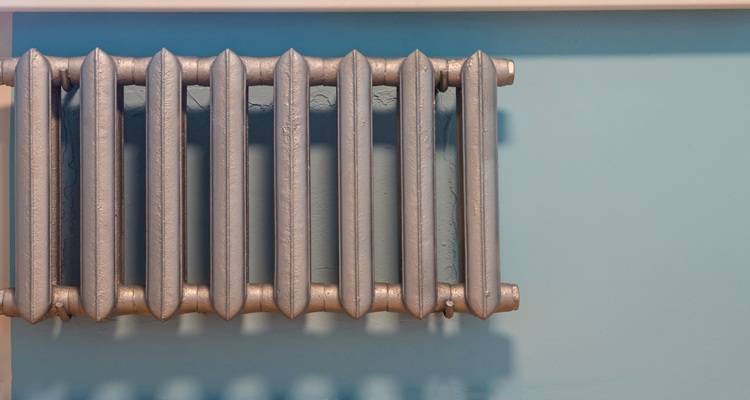
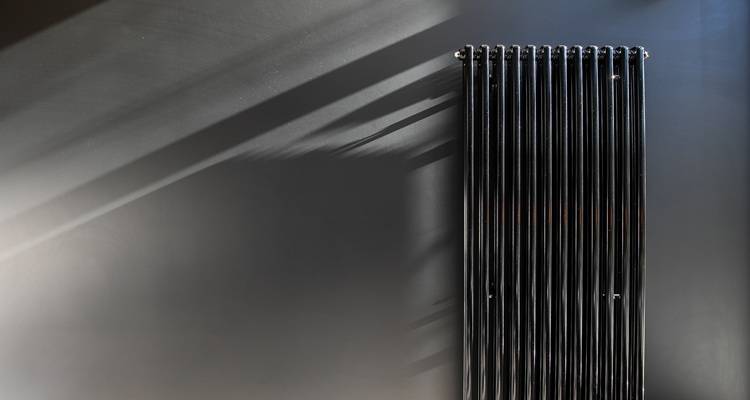
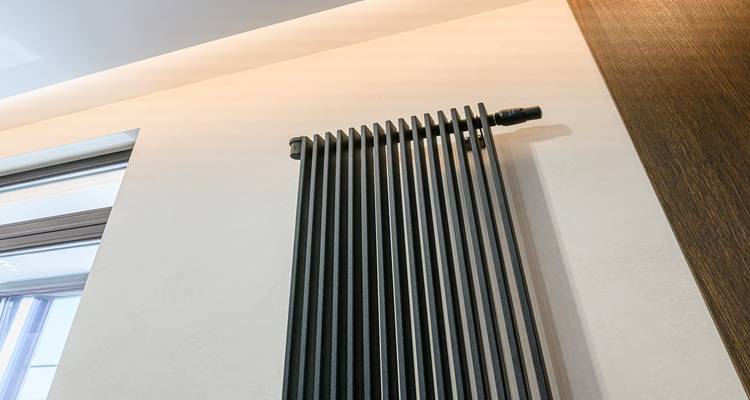
A vertical radiator is a taller type of radiator that works well for spaces with minimal wall width. As for column radiators, these come with a traditional style and are made with hollow tubes.
Designer radiators, on the other hand, are bespoke radiators that can spruce up your home. They’ll be generally more expensive but may be worth the investment depending on what you are looking for.
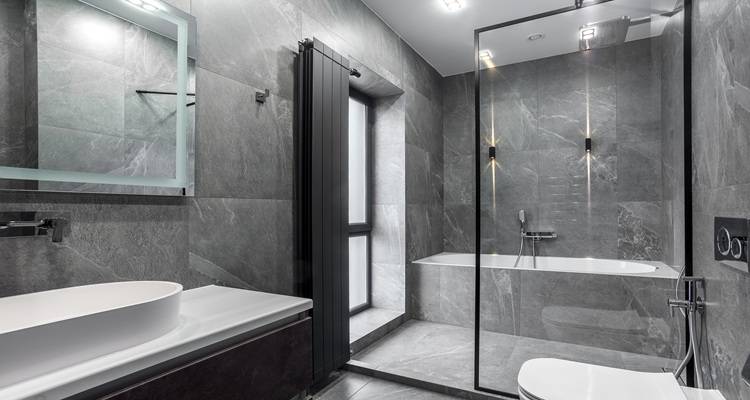
Heated towel radiators are another common option and a fantastic way of enhancing a bathroom, which can warm up towels and heat up the space.
How Does Radiator Size Affect the Cost?
Naturally the larger a radiator, the more expensive it will cost. Along with larger radiators having higher purchase costs, they may sometimes require more time or labour to install.
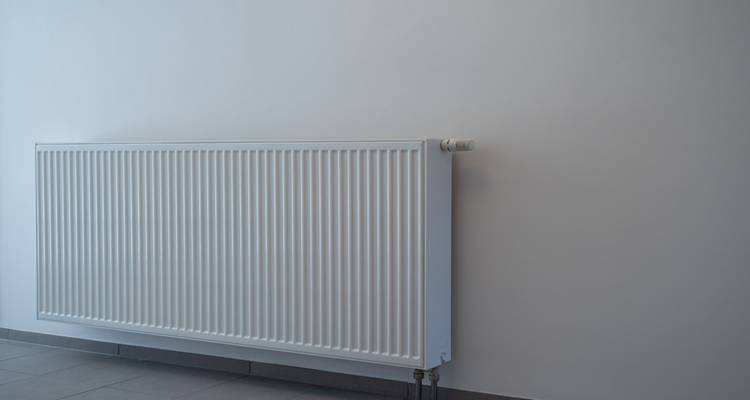
It’s best not to choose a radiator based solely on physical dimensions, as the heat output required for the room should also be considered.
Does the Existing Pipework Need Changing?
When a radiator replacement is a like-for-like replacement, it involves keeping the existing pipework, but alterations may be required to the existing pipework in other cases.
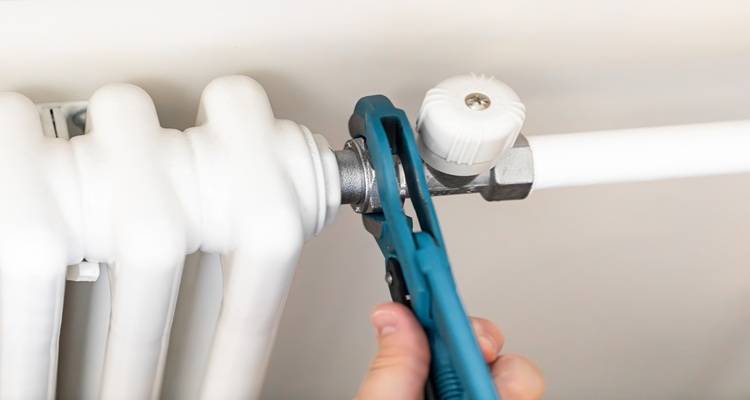
Situations where pipework may need adjusting include the new radiator being a different width, valve positions being different, installing a different style of radiator or moving the radiator to another position. Additional plumbing work can increase both labour and material costs. Power flushing may also be needed, as explored in our power flush cost guide.
Radiator Valves and TRVs
Replacing or upgrading radiator valves can also affect the overall cost. Standard or manual valves function like a tap that can be moved by hand. The valve needs to be turned down to lower the room temperature. Thermostatic radiator valves provide more control as they each feature a temperature sensor. Manual valves tend to be cheaper than their thermostatic radiator valve counterpart.
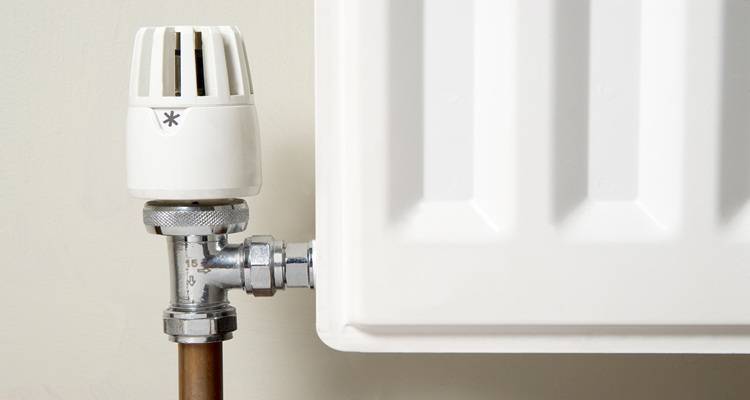
You may choose to have new valves fitted at the same time as the radiator as this could save time and money.
Additional Radiator Replacement Costs
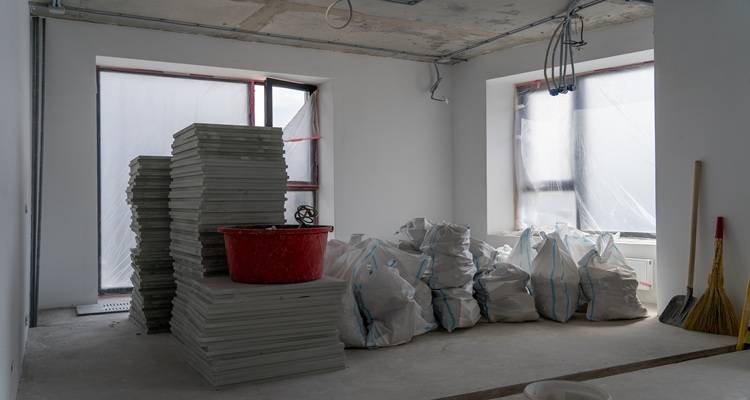
Some jobs may involve costs beyond simply purchasing and fitting the radiator. These can include removing and disposing of the old radiator, new radiator valves or TRVs, alterations to pipework, heating system balancing, flushing the heating system where required or wall repairs or decorating after removing the old radiator. These additional costs won’t apply to every possible replacement, however.
How Does Location Affect Radiator Replacement Costs?
Labour rates vary across the UK, and this can affect the calculator estimate. Prices tend to be higher in London and parts of the South East, while costs can be lower elsewhere in the UK, such as northern England or Scotland.
How Long Does It Take to Replace a Radiator?
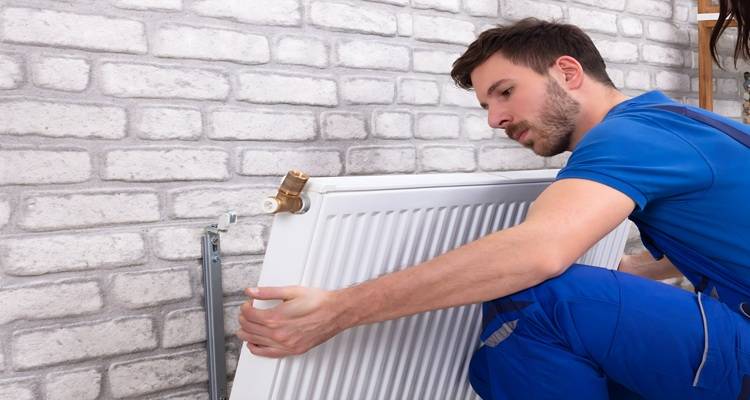
A straightforward like-for-like radiator replacement will commonly take around 1-2 hours, while jobs involving pipework alterations, multiple radiators or other heating systems can take longer.
Among the factors that can increase the installation time are addressing blockages in existing pipework, whether or not new pipework is needed and whether accessibility is a challenge. Notably, there is no one fixed timeline for this process.
How Much Does It Cost to Replace a Radiator?
On average, it costs around £200 to install a radiator, with a small radiator replacement at roughly £100-£200, a medium radiator costing £200-£300 and a large radiator priced at £300 or more.
Ready to Get a Quote?
Our radiator replacement cost calculator provides an estimated cost; however, the actual price will depend on the radiator, existing heating systems, pipework and work required.
You should also compare quotes from local tradespeople if you’re ready to replace a radiator, as this can allow you to find a heating engineer who offers the right value for money. Find heating engineers near me via MyJobQuote to book your quote today.
Last updated by MyJobQuote on 24th September 2026.