Builders
 Carpenters
 Electricians
 Flooring Specialists
 Gardeners
 Handymen
 Heating Engineers
 Painters & Decorators
 Plasterers & Renderers
 Plumbers
 Roofers
 Tilers
 my
Why Is My Tap Dripping and How Can I Fix It?
A dripping tap is generally caused by a worn washer, damaged ceramic cartridge, faulty seal or loose internal component.
Notably, the correct repair depends on the type of tap and where the water is escaping. Leaving the problem unresolved can waste water, cause staining and allow a minor fault to worsen.
In the following guide, we’ll look at why taps drip, where the tap might be leaking from, how to fix a dripping tap and more. Let’s dive in!
Table of Contents
- Why Is My Tap Dripping?
- Where is the Tap Leaking From?
- What Type of Tap Do I Have?
- Common Causes of a Dripping Tap
- Can a Dripping Tap Waste Much Water?
- How to Fix a Dripping Tap
- Do I Need to Turn Off the Water?
- Can You Fix a Dripping Tap Yourself?
- Should I Repair or Replace the Tap?
- How Much Does It Cost to Repair a Dripping Tap?
- How Can You Prevent a Tap from Dripping Again?
- FAQs
Why Is My Tap Dripping?
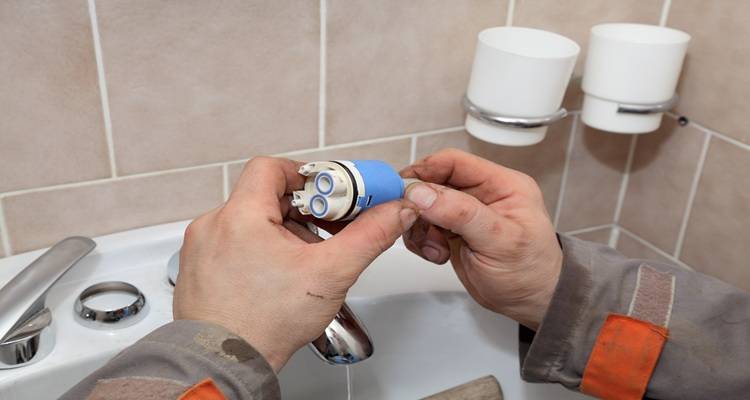
There are many reasons why a tap may be dripping. Firstly, a rubber washer, which is designed to stop dripping, may end up cracking, seizing, or wearing over time, resulting in a dripping tap. Alternatively, a damaged ceramic cartridge can cause issues, as this is needed to control flow on certain taps.
If there is a leak at the handle, it is likely the result of a faulty O-ring. Beyond that, there may be a faulty seal, which means the flow of water can’t be fully stopped. What’s more, if the valve seat is worn or otherwise damaged or working improperly, it can also lead to a dripping tap. A valve seat is a surface used to prevent the flow of water.
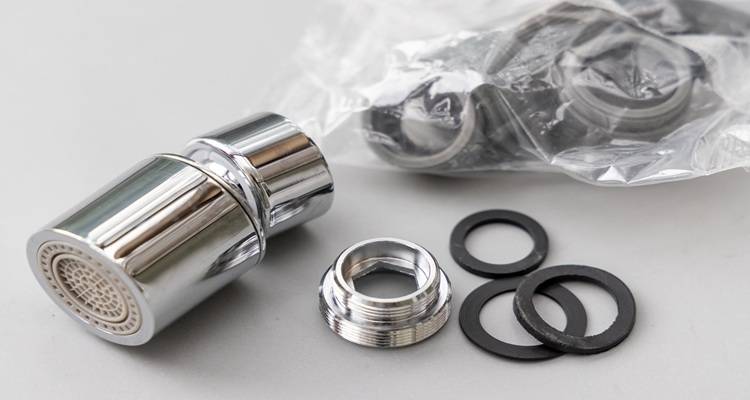
Other potential causes include limescale and debris build-up inside a tap. Limescale is usually a white or cream-coloured deposit that can accumulate in pipework or taps, particularly in hard-water areas. Limescale has an impact on the ability of the valve to seal and prevent water from dripping. Debris can have a similar effect.
Loose fittings, excessive water pressure, general wear and corrosion can also contribute to a dripping tap. Water pressure requirements vary by tap and plumbing system, so check the manufacturer’s guidance if you suspect pressure is a factor.
You should also keep in mind that traditional compression taps and modern quarter-turn taps use different internal mechanisms.
Where is the Tap Leaking From?
When trying to solve a dripping tap, you’ll first want to figure out where the tap is leaking from. Let’s explore some common examples.
Tap Dripping from the Spout
If your tap is dripping from the spout, it is likely down to a worn washer, damaged cartridge, faulty valve, limescale or debris trapped inside the mechanism.
Faults or damage to parts can lead to a tap dripping via the spout because they can no longer prevent water from leaking through the spout as they are supposed to. Limescale in particular can form in hard water areas as white or cream-coloured deposits, resulting in components failing to seal successfully, leading to a dripping tap. Likewise, debris trapped inside can cause a similar issue.
Beyond that, if there is a constant drip after your tap has been turned off, this usually points to an internal valve problem.
Tap Leaking Around the Handle
If instead, the tap is leaking at the handle, it will usually be the result of worn O-rings, damaged seals, loose retaining nuts or water escaping around the spindle or cartridge. Notably, in these sorts of scenarios, the leak may only appear while the tap is actually running.
Tap Leaking from the Base
When a tap is leaking from the base, it usually points to issues like failed base seals, loose tap fixings or damaged flexible hoses. What’s more, it can also be due to water travelling from another connection beneath the sink or failed seals around a swivel spout. Also, the water around the base does not always mean the tap body itself is faulty.
Tap Leaking Under the Sink
For a tap leaking under the sink, loose supply connections, damaged flexible tap connectors and failed isolation valves are common explanations.
Other notable causes include corroded pipework (generally caused by the metal chemically breaking down through its reactions with minerals, water and oxygen) and leaking waste fittings being mistaken for tap leaks.
Whatever the case, you should dry the area before checking where fresh water first appears to help further identify the specifics of the issue at hand.
What Type of Tap Do I Have?
There are many types of taps in terms of their internal mechanism. Notably, identifying the mechanism is essential before buying replacement parts.
Compression Tap
A regular option in the UK is a compression tap, which features a mechanism where you normally need to turn the handle several times to get a good flow of water. A compression tap will commonly use a rubber washer.
Ceramic Disc Tap
A ceramic disc tap, on the other hand, tends to be operated with a quarter or half turn and features a ceramic cartridge.
Mixer Tap
This type of tap combines hot and cold water through a single spout. A mixer tap may use washers, cartridges or ceramic valves depending on the design.
Monobloc Tap
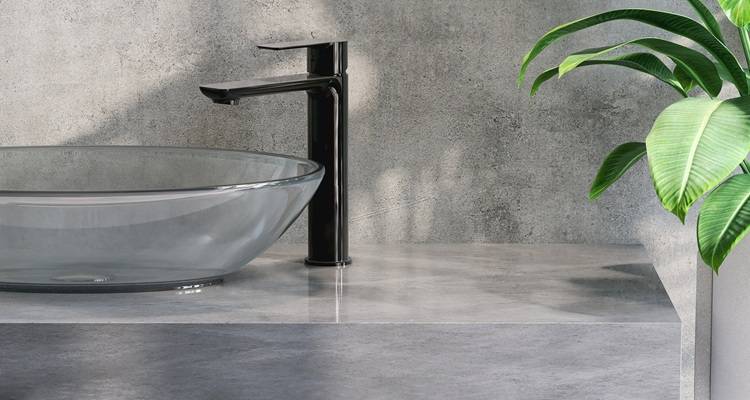
Modern homes in the UK tend to use monobloc taps. This type of tap features one tap body and often a single lever to control temperature and flow.
Thermostatic Tap
Last but not least, a thermostatic tap contains more complex temperature-control components and could require specific replacement parts.
Common Causes of a Dripping Tap
Some of the most common reasons that a tap drips include a worn tap washer, a faulty O-ring or seal, damaged valve seat, limescale build-up and loose or damaged components. Let’s take a closer look at these common causes.
Worn Tap Washer
Repeated use can flatten, split or harden a rubber washer, preventing a traditional tap from sealing properly.
Damaged Ceramic Cartridge
Even when a tap is closed, worn or damaged ceramic discs can allow water through. When looking for replacement cartridges, it must match the tap model.
Faulty O-Ring or Seal
Furthermore, seals can perish or become displaced, and this can result in leaks around the handle, spout or base.
Damaged Valve Seat
Corrosion, wear or limescale can prevent the washer or cartridge from creating a complete seal, allowing water to drip through the tap.
Limescale Build-Up
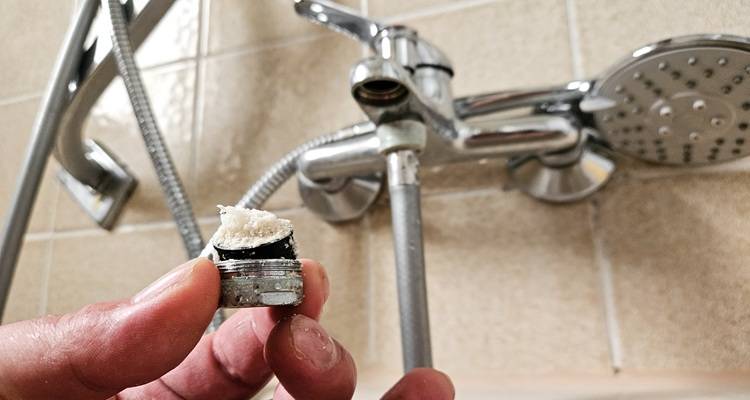
Limescale is more common in hard-water areas and can affect cartridges, valves and moving parts. This can then lead to water dripping through the tap.
High Water Pressure
In addition, excessive pressure may worsen dripping or place additional strain on tap components. That said, high pressure is not one of the most likely causes, and it’s worth checking more common faults first before trying to determine if this is the primary issue.
Loose or Damaged Components
Other reasons a tap may drip include loose retaining nuts, worn fittings, damaged flexible hoses and incorrectly fitted replacement parts.
Can a Dripping Tap Waste Much Water?
Notably, even a slow drip can waste a significant amount of water over time. This can potentially affect metered water bills as well as household water usage in general.
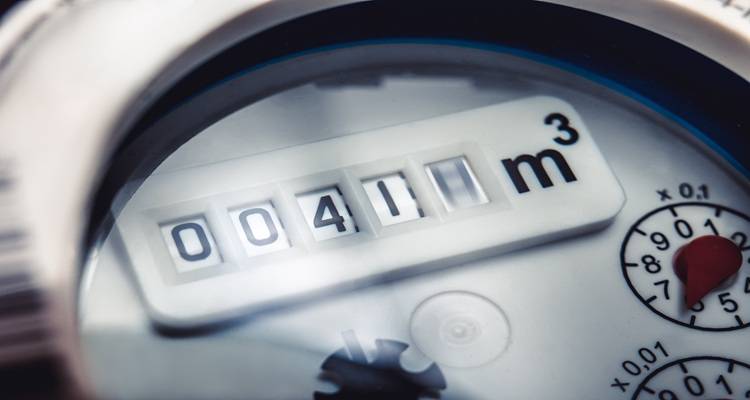
A dripping tap can waste thousands of litres of water a year, depending on the drip rate. For households with a water meter, this may also increase water bills.
How to Fix a Dripping Tap
If the repair is suitable for DIY, follow these steps:
- Identify the tap type and leak location.
- Turn off the water supply using the isolation valve or stopcock.
- Open the tap to release remaining pressure.
- Protect the basin or sink plughole.
- Carefully dismantle the tap.
- Check the washer, cartridge, O-rings and valve seat.
- Fit the correct replacement component.
- Reassemble the tap without overtightening.
- Restore the water supply slowly and check for leaks.
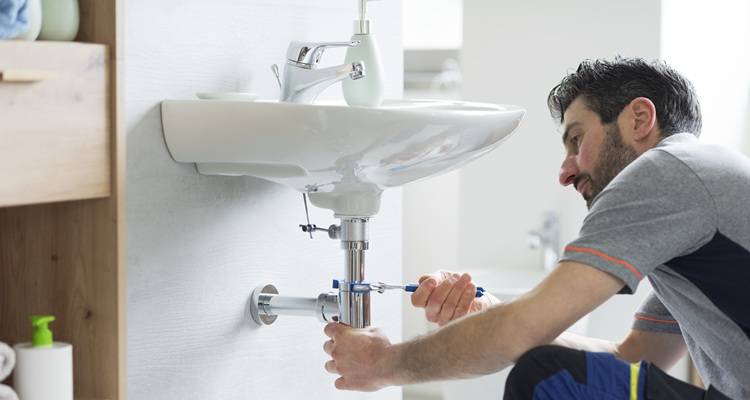
Please note, however, that designs vary and manufacturer instructions should be followed where available. If in doubt, hire a local contractor.
Do I Need to Turn Off the Water?
Yes, when a tap is dripping, the supply to the tap should normally be isolated before it is dismantled.
Before we look at how to turn off a tap’s water supply, you should stop this work if the isolation valve is seized, leaking or cannot be identified safely.
As for turning off the tap’s supply, firstly, some taps have individual isolation valves which can be found beneath the sink.
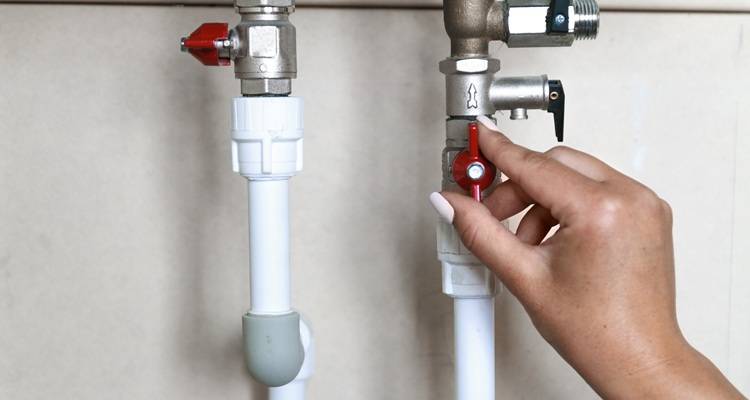
Beyond that, the main stopcock may be needed if no local valve is fitted. Further, it’s important to note that the hot supply may come from a separate system. Also, the tap should be opened after isolation to confirm the supply is off.
After confirming the water supply is isolated, close the tap again before restoring the supply to avoid an unexpected flow of water.
Can You Fix a Dripping Tap Yourself?
Whether or not a tap can be fixed DIY will depend on a range of factors. Here we’ll look at when a DIY job is suitable vs when a plumber is recommended.
Firstly, DIY repair may be suitable in situations such as where the leak is minor, the water can be isolated safely, or the tap is straightforward to dismantle. It can also be suitable when the correct replacement part is available, there is no damaged pipework, or the tap is not heavily corroded.
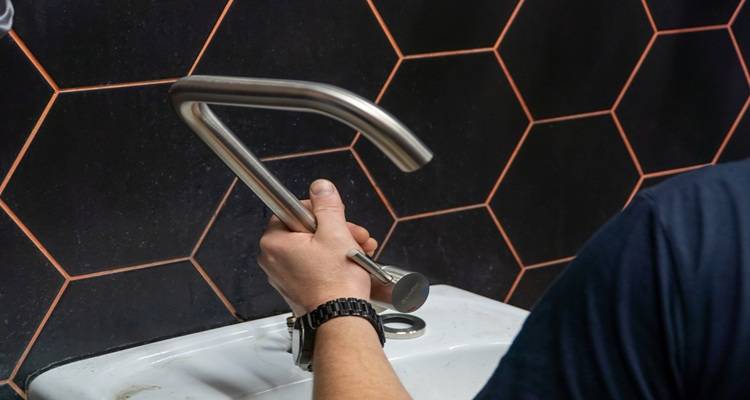
On the other hand, scenarios where a plumber is needed include where the leak cannot be located, the tap cartridge cannot be identified, isolation valves do not work, or pipes or flexible hoses are leaking. Beyond that, if the tap is seized or corroded, the leak returns after repair, water is damaging cabinets, flooring or ceilings, or the entire tap may need replacing, then a plumber should also be hired.
Should I Repair or Replace the Tap?
Whether you should repair or replace a tap will depend on factors like the tap’s condition, if it is old or badly corroded and if you’ve found repairs have repeatedly failed.
On the one hand, repairs would make sense if the tap is otherwise in good condition, replacement parts are available, or the fault is limited to a washer, seal or cartridge.
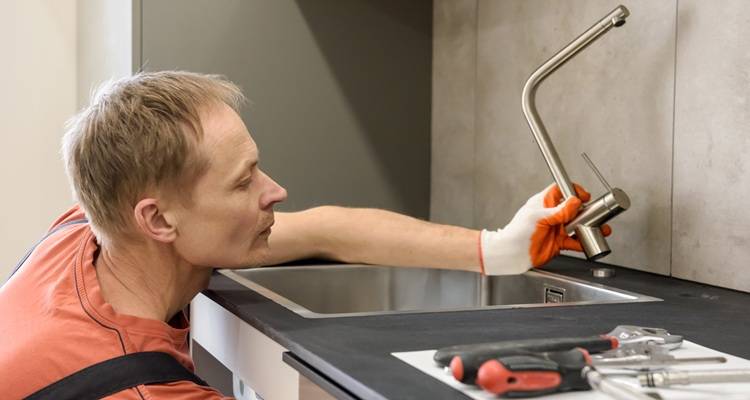
However, replacement may be more practical where the tap is old or badly corroded, several components are worn, matching parts are unavailable, or the finish is damaged. In addition, you should consider replacing a tap if repairs have repeatedly failed or a new tap would improve usability or efficiency.
How Much Does It Cost to Repair a Dripping Tap?
The cost depends on the tap mechanism, replacement parts and the time needed for the repair. Typical UK prices are shown below.
| Job Description | Average Cost |
|---|---|
| Replacing a Washer | £50-£100 |
| Replacing a Ceramic Cartridge | £60-£140 |
| Replacing Seals or O-Rings | £60-£120 |
| Plumber Call-out Charges | £40-£70 per hour |
| Replacing the Entire Tap | £80-£130 |
| Emergency or Out-of-hours Repairs | £70-£150 per hour |
These prices include both labour and parts, and average costs can also include VAT. Notably, the final price can be affected by accessibility, tap type, part availability and damaged pipework.
You can find a local plumber using the MyJobQuote tool. In general, tap replacement costs can vary depending on the type of tap needed, your location (due to varying labour rates) and other notable factors.
How Can You Prevent a Tap from Dripping Again?
Once a dripping tap is fixed, there are steps you can take to prevent this particular issue from recurring.
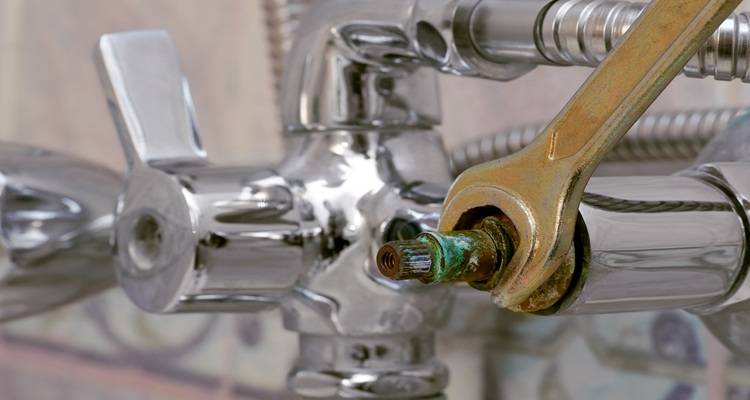
Key steps to consider include avoiding overtightening traditional taps, repairing minor leaks promptly to avoid a more serious issue developing and cleaning limescale where appropriate.
Beyond that, you should use manufacturer-approved replacement parts for the repair/replacement work. Moreover, you should check flexible hoses and isolation valves during the repair work and as needed while addressing excessively high water pressure where present. What’s more, you should have heavily worn taps replaced before repeated failures occur.