Builders
 Carpenters
 Electricians
 Flooring Specialists
 Gardeners
 Handymen
 Heating Engineers
 Painters & Decorators
 Plasterers & Renderers
 Plumbers
 Roofers
 Tilers
 my
myFencing Installation Guide
Looking to install new fence panels?
In this guide, we will go over everything you need to know about the different types of fencing, the cost to install fencing at your property, along with all of the advantages and disadvantages of adding fencing to your property.
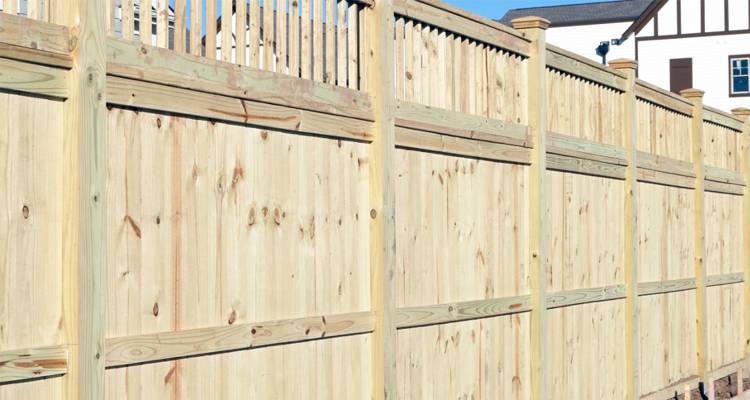
Table of Contents
- What is Fencing?
- Types of Fencing Installation
- Garden Fencing Installation Ideas
- What Are the Pros and Cons of Garden Fencing?
- Choosing Garden Fencing Material
- How Much Does Garden Fencing Installation Cost?
- How to Install a Fence
- How Long Does Fencing Installation Take?
- Building Regulations or Planning Permission for Fence Installation
- How to Clean and Maintain Fencing
- Alternatives to Garden Fencing Installation
- Questions to Ask When Hiring a Fence Installer
- FAQs
What is Fencing?
Fencing is defined as a barrier that is often made of wood, but can also be metal, composite, or other materials. It is often used to confine an area and acts as a border around common areas such as your back garden or your driveway. It's a great way to separate your property from a neighbouring property or from whatever lies next to the edge of your property line.
Types of Fencing Installation
If you plan on installing fencing in or around your garden, you may be interested in learning a little bit more about the different types of fencing that you can get. Below is a list of the different types of fencing along with a list of the advantages and disadvantages of each:
Close-Board Fencing
Close-board fencing is a strong and solid fence variety that features vertical, overlapping, feather-like wooden boards. This is a common fencing style for back gardens as it is neat, attractive, and offers a great deal of privacy. It is also in the medium range in terms of pricing.
Pros
- ✔ Great for most gardens.
- ✔ Good for pet owners.
- ✔ Durable.
- ✔ Provides good security.
- ✔ Deters intruders.
- ✔ Provides privacy.
Cons
- ✖ Sometimes expensive.
- ✖ Boards may be affected by strong winds.
- ✖ It requires maintenance.
Larch-Lap Panel Fencing
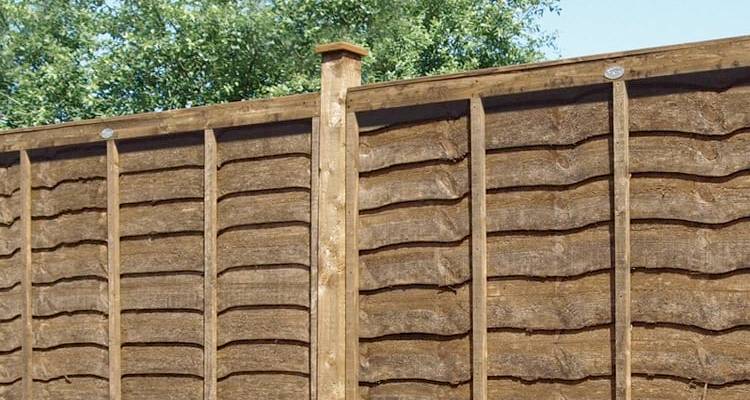
This type of fencing is also quite common in UK gardens. This is a cheap, budget variety of fencing that is made up of horizontal slats. It is not as durable as other types of fencing and is more prone to damage during strong winds.
Pros
- ✔ Great for most gardens.
- ✔ Cheap fencing option.
- ✔ Provides privacy.
- ✔ Good for pet owners.
- ✔ Deters intruders.
Cons
- ✖ Not as durable as other fencing options.
- ✖ It requires maintenance.
Picket Fencing
Picket fencing provides a traditional look. These fences are usually much smaller in height than other fencing options and can be most commonly found in front gardens.
The fact that these fences are lower means that they don't provide as much security or privacy. However, the gaps between the timbers mean that this fencing is less prone to wind damage.
Pros
- ✔ Good for front gardens.
- ✔ Traditional aesthetic look.
- ✔ Allows light to come in.
- ✔ It makes a good boundary marker.
- ✔ Less prone to wind damage than other fence types.
Cons
- ✖ It doesn't provide much security.
- ✖ It doesn't provide privacy.
- ✖ It may not be suitable for containing pets.
- ✖ Some maintenance required.
Slatted Fencing
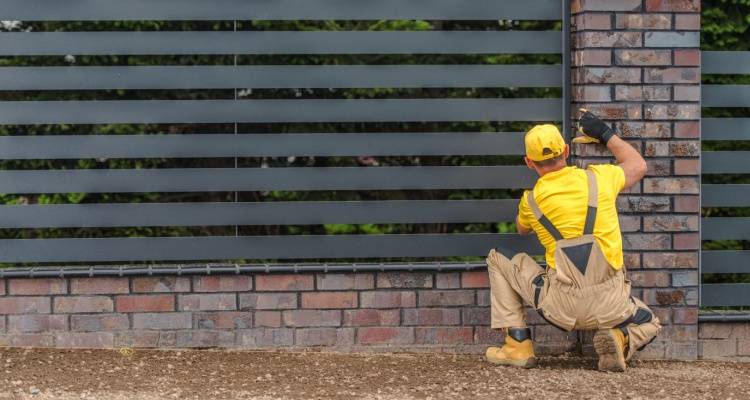
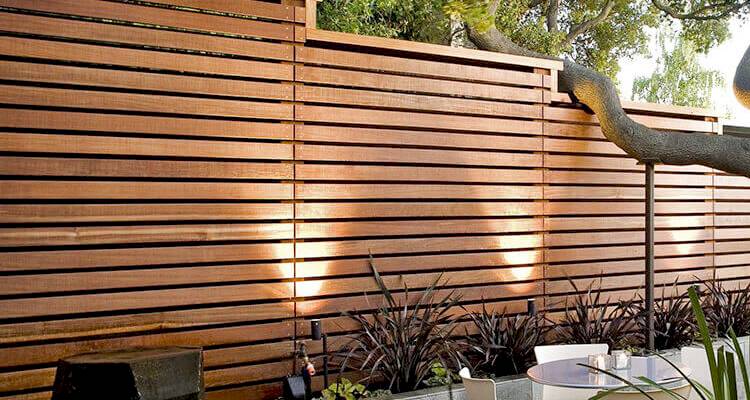
Slatted fencing provides a sleek and modern look and is an ideal option for fencing if you're not worried about privacy. They can make great dividers for different sections in your garden and can allow light to come into the garden through the gaps.
Pros
- ✔ Modern aesthetic look.
- ✔ Gaps allow light in.
- ✔ Gaps allow wind through, making it stronger than other fence types.
- ✔ Available in a range of styles and sizes.
Cons
- ✖ Can allow weeds to grow through.
- ✖ It doesn't provide complete privacy.
Garden Fencing Installation Ideas
Fences are great for not only providing privacy in your garden but also for decorative purposes. There are a number of things that you can do with a fence to make your garden unique and exciting. Below is a list of garden fencing ideas to give you some inspiration:
Get Custom Panels for Garden Levels
If your garden features levels at different heights, you can opt for fencing panels that are custom to the slopes in your garden. Instead of lining fencing panels at different levels, you can use sloping panels to make the perimeter appear much neater and add a unique, sophisticated look.
Use Paints for Added Flair
You can spice up your garden's look by using different coloured fence paints to make your fences stand out. There are so many exciting things that you can do with a bit of paint. You can create multi-coloured fences, create a feature panel, or you could even use your talents to create a mural.
Create Sections in Your Garden
If you have quite a large garden, you can use fencing to create boundaries between the different sections of your garden. Depending on your personal taste, you could choose to use full-size fencing panels to completely separate each area, or you could use low fencing to create less obvious separations.
Add Trellises
Trellises are great for adding to a fence as they allow you to add decoration in the form of flowers or ivy. If you are tired of your boring old fence panels, adding a trellis for decoration could be just the thing you need to make your garden appear more exciting and aesthetically pleasing. Trellises come in many shapes, sizes, and colours.
Mount Shelves or Lights
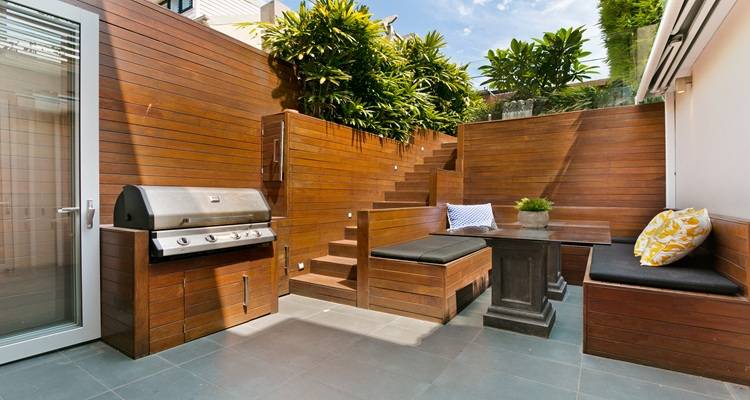
If you want to make your garden a little bit more unique and exciting, you can choose to mount light shelves or lights to your fence. The possibilities here are endless – you can use the shelves for bird feeders or to attract insects such as butterflies, or you could even create an outdoor kitchen area with shelves incorporated. Let your imagination run wild.
Mix Your Fencing
You can mix up your fencing panels to create different sections in your garden for a unique look. This can allow you to add a bit of personality to your garden, but it can also work great for highlighting the different sections of your garden.
What Are the Pros and Cons of Garden Fencing?
When it comes to installing garden fencing, there are several advantages and disadvantages for you to think about. We have created a list below of all of the pros and cons involved with installing fencing to help you make the right decision:
Pros
Privacy
It can sometimes be difficult to enjoy your garden space if your neighbours can see everything you're doing. A tall fence can help you feel more comfortable in your own space.
Safety
A fence can be very beneficial for pet owners and parents as it helps to keep everyone and everything contained in your own space. It also provides good security against intruders.
Aesthetics
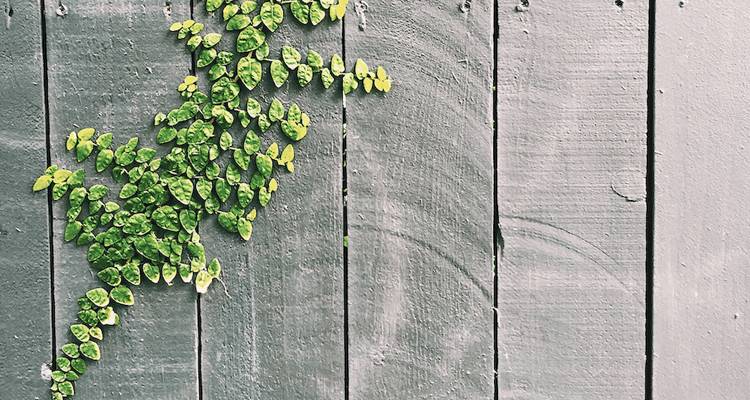
A well-positioned and well-maintained fence can provide a great decorative element to your garden. It can improve the appearance greatly.
Noise reduction
If your property is located in a busy area, then a large fence can reduce a lot of noise from making its way into your garden.
Cons
Can be problematic with neighbours
You may run into some issues with fencing if you want to erect a fence, but your neighbour is against the idea. You may need to come to an agreement before you can complete any work.
Maintenance
Wooden fences require maintenance to keep the wood in a good state. You will need to regularly clean, stain, and seal your fence to eliminate the possibility of it becoming warped or rotting over time.
Hassle
Fences can sometimes create some hassle. For example, if you want to mow your lawn, the fence may get in the way.
Choosing Garden Fencing Material
Timber Fencing
Best for: Good privacy and lots of style options.
Timber is still the popular choice in many gardens. It's easy to get hold of, comes in a wide range of panel styles, and you can paint or stain it to match the rest of your outdoor space. It won't usually last as long as metal or composite, but it looks more natural than a very modern or industrial finish.
Pros
- ✔ Great for privacy and shelter.
- ✔ Easy to customise with paint or stain.
- ✔ Widely available in lots of designs.
Cons
- ✖ Needs regular treatment or repainting.
- ✖ It can rot or warp over time.
- ✖ Shorter lifespan than metal or composite systems.
Metal Fencing
Best for: Longer-lasting fences with low maintenance, and a secure or modern feel.
Metal fencing is strong and stands up well to bad weather. Once it's in, it doesn't need much attention beyond the odd wash. You can find everything from simple straight-bar panels to more decorative designs, so it works for both modern and period properties if you pick the right look.
Pros
- ✔ Very strong and durable.
- ✔ Generally low maintenance compared with timber.
- ✔ It can work well in windy spots.
Cons
- ✖ Heavier and often trickier to fit than basic timber panels.
- ✖ Doesn't suit all properties.
- ✖ Any protective coatings may need attention over the long term.
Composite Fencing
Best for: Very low-maintenance fencing with a neat, contemporary finish.
Composite fencing boards are typically made from a mix of plastic and fibres. Composite boards don't splinter like timber and don't need yearly painting or staining. They're becoming more popular in modern gardens and outdoor living areas, especially where people want a clean look with minimal effort.
Pros
- ✔ Very little maintenance.
- ✔ Smooth finish with no splinters.
- ✔ Works nicely with modern landscaping.
Cons
- ✖ Not a natural style.
- ✖ Lower-quality boards may fade or scuff more easily.
- ✖ Not as straightforward to recycle.
Wrought Iron Fencing
Best for: Front gardens and traditional properties with character.
Wrought iron fencing is often chosen for the front of a property, where aesthetics or security are essential. It suits older homes, but simple designs can also work with more modern houses.
Pros
- ✔ Very strong and difficult to damage.
- ✔ Decorative designs can boost kerb appeal.
- ✔ Keeps views open.
Cons
- ✖ Not very private.
- ✖ Needs checking for rust and flaking paint.
- ✖ More difficult to install than basic panel fencing.
Chain-Link Fencing
Best for: Practical boundaries or pet enclosures, where appearance isn't as important.
Chain-link fencing is a simple way to enclose a space without blocking light or views. It's common in play areas and spaces dedicated to sports. It's more about function than style, but it does the job well in the right setting.
Pros
- ✔ Good for securing large areas.
- ✔ Lets light and air through easily.
- ✔ Usually quick to install.
Cons
- ✖ Minimal privacy unless combined with screening.
- ✖ Doesn't look as appealing as other fencing materials.
- ✖ Can bend if not supported.
How Much Does Garden Fencing Installation Cost?
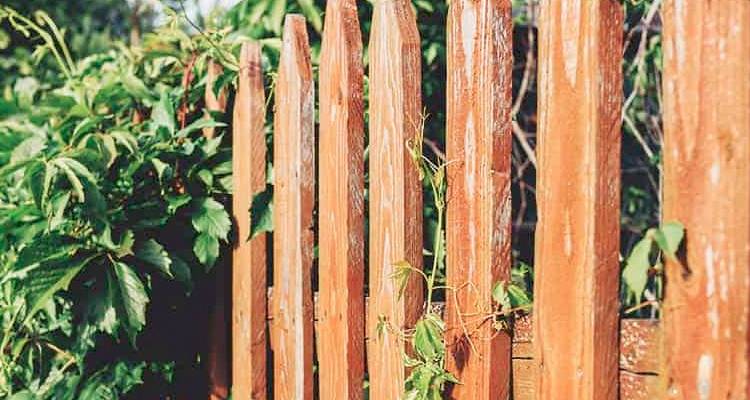
The overall cost of garden fence installation will depend on several factors, including the amount of fencing you are having installed, the type of fencing you choose, and your location in the UK.
If you only need a small section of fencing, you can expect this to cost less than if you are having a large fence installed around your entire garden.
You may be able to save money with the cost of a fence repair if you only need one fence panel replacing.
You can compare multiple quotes from local fencing installers using MyJobQuote, which are fast, free, with no-obligation to go ahead.
How to Install a Fence
For more information, see the article here, which includes a complete, in-depth guide with lists of all of the tools, materials, and safety equipment you'll need to complete this type of work as a DIY job.
How Long Does Fencing Installation Take?
The time it takes to install a fence will depend on the size of the fence and the difficulty of the job. Most straightforward fences can be installed within a day. However, larger or more difficult fences may take around 2-3 days to complete.
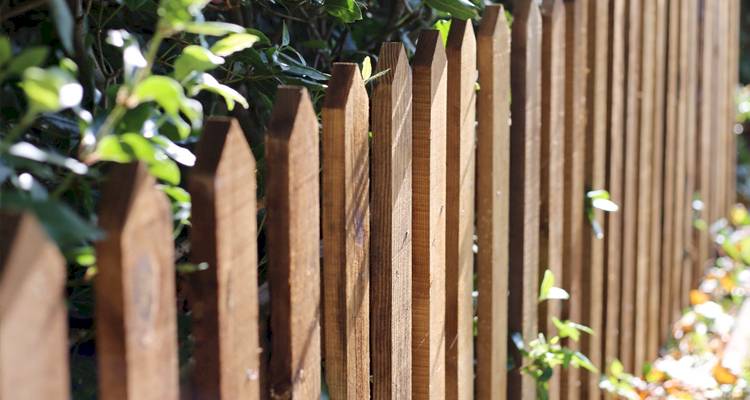
It is a good idea to talk to your contractor before the work starts to determine how long your particular fence will take to install. Some contractors may choose to bring more than one worker along to complete the job quicker. However, this is something that you will have to check with them when you enquire.
Building Regulations or Planning Permission for Fence Installation
When you install fences in your garden, you usually won't need to worry about building regulations approval. However, you must ensure that your fences are structurally sound and are well-maintained.

You also will not need to apply for planning permission if you are erecting a new fence that meet certain height requirements.
Below is a list of things that you should be aware of:
- If the fence is next to a highway, it should not be higher than 1 metre.
- If the fence is elsewhere, it should not exceed 2 metres in height.
- You will need to check with your local authority if you live in a listed building.
How to Clean and Maintain Fencing
It is important to maintain your fencing to ensure that it stays in the best possible condition for as long as possible. Below is a list of things that you should do to maintain your fencing:
Check for Problems
Roughly every year or so, you should check for maintenance issues on your fencing. Walk along your fence and look out for the following:
- Make sure vines and bushes are clear of the fence
- Check for rotting or broken parts of wood
- Check for loose nails
- Look out for any insect damage
- Ensure posts are secure in the ground
Clean Your Fences
You should also clean your fence roughly once a year or so. Take the steps below to clean your fence:
- Soak the wood with fence cleaner or soap and water
- Scrub the fence with a long-handled brush or use a pressure washer
Paint or Re-Seal Your Fences
You should aim to paint or re-seal your fence roughly every 2-5 years. Take the steps below to paint or re-seal your fence:
- Clean the fence and allow it to completely dry
- Use a roller or brush to paint or stain the fence
Alternatives to Garden Fencing Installation
If you are unsure whether fencing is the right option for you, several alternatives may be more suitable to your taste and your particular garden space. Below is a list of ideas of things that can be used instead of fencing in your garden:
Brick Wall
A brick wall is a great alternative to a garden fence if you are looking for something a bit more substantial and sturdier.
The cost you can expect to pay will depend on the size of the wall, the type of bricks used, and your location. A brick wall is beneficial as it requires less maintenance than a wooden fence, and it can withstand certain impacts from things like weather much better than a fence can.
Hedging
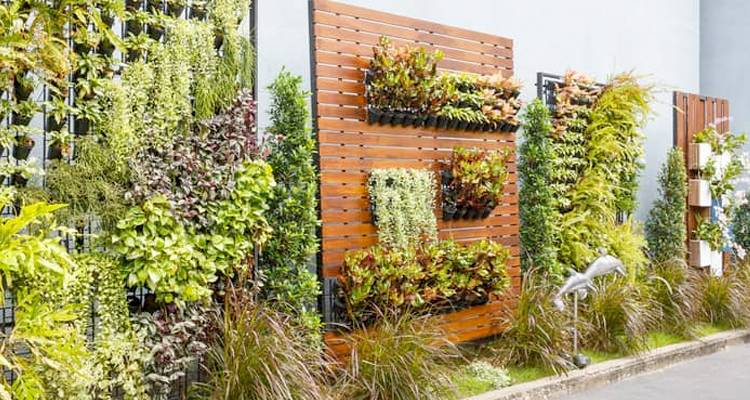
If you are looking for something more natural, then a hedge is a great alternative to a garden fence. There are several different types of hedges to easily find one that suits your needs and taste.
The total cost for adding hedging to your garden will depend on the number of hedges needed, the difficulty of the job, and your location. A hedge isn't quite as secure as fencing, and it isn't an ideal option for those with pets as they may be able to escape through the gaps underneath.
Many homeowners will choose to incorporate hedges along with a fence or wall for added security. This allows you to add a natural aesthetic to your garden without compromising on security and safety.
Questions to Ask When Hiring a Fence Installer
There are several things you may need to consider when finding the right contractor to install your fence for you. Below is a list of common questions that you should ask when looking for the right contractor for the job:
- Does the contractor have any qualifications that relate directly to installing fencing?
- What equipment will the contractor be using to complete the job? Will they be using the correct type of equipment? Do you need to provide any equipment?
- Does the contractor possess any form of insurance for the work? You should look for contractors who have insurance that covers property damage, personal injuries, and a work guarantee.
- How much experience does the contractor have in installing fencing? Can they provide any testimonials or evidence of previous work? Can they provide photos of previous work?
- Does the contractor offer any guarantees with their work? How long does the guarantee last? What issues are covered under the guarantee? Will the contractor fix any issues that arise?
- How long will the work take to complete?
- How many contractors will be working on the job?
- Is there anything you need to do to prepare for the installation?
FAQs
Can I Replace a Garden Wall With a Fence?
If you choose to hire contractors to do the work for you, you will often be able to hire them to complete all the work for you. This will usually include the cost of demolition, landscaping, building the fence, and waste removal.
Be sure to check with your contractors beforehand to ensure that they will complete all of the necessary tasks needed for the replacement.
Who Owns the Fence Between Houses?
If this is unclear, then you can discuss with your neighbour about your plans to change the fencing and see if they have any issues with your plans. If they do have issues, then the best thing you can do is contact your local council to discuss the plans and see what they say regarding planning and building regulations.
You may have to come to an agreement with your neighbour before you can make any changes to the space between your land and your neighbour's land.