Builders
 Carpenters
 Electricians
 Flooring Specialists
 Gardeners
 Handymen
 Heating Engineers
 Painters & Decorators
 Plasterers & Renderers
 Plumbers
 Roofers
 Tilers
 my
myAsk a Trade
Got a question that only a tradesperson can answer? We have thousands of trades ready to answer any question you may have.
Ask your question
Concrete driveways are one of the most popular choices for UK homes thanks to their strength, durability, and low maintenance requirements.
In this guide, we’ll cover everything you need to know before installing a concrete driveway in front of your home, including the different types available, how they’re installed, and the best ways to keep them in good condition over time.
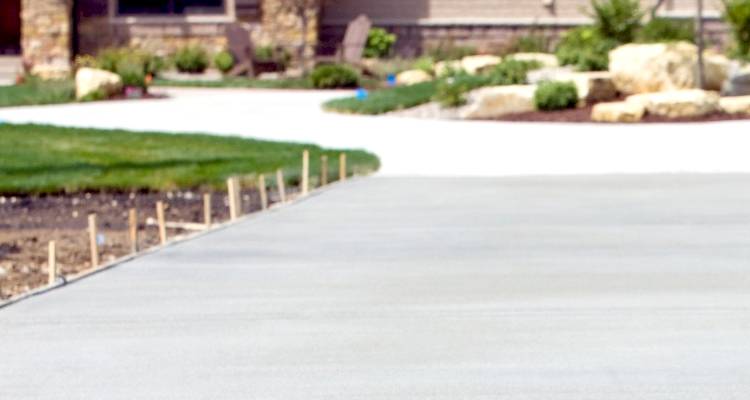
A concrete driveway is a hard-wearing surface made by mixing cement with sand, gravel, and water, then pouring and setting it into a solid slab.
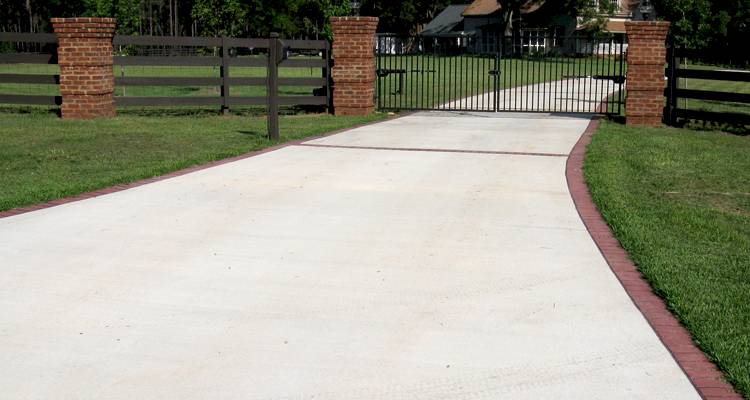
Once cured, it forms a solid, rigid surface that can support vehicles and withstand regular use in all weather conditions.
Concrete is often confused with cement, but cement is actually just one ingredient used within the concrete mix.
There are several different types of concrete that work well as a driveway material. The type you choose will depend on your particular taste, budget, and how you intend to use your driveway.
Below is a list of the different types of driveway concrete and the pros and cons of each type:
Many homeowners choose plain or coloured concrete because it is simple, sleek and looks great. This means that it's suitable for pretty much any home. This type of concrete is also durable, long-lasting, and can be poured over most properly prepared surfaces.
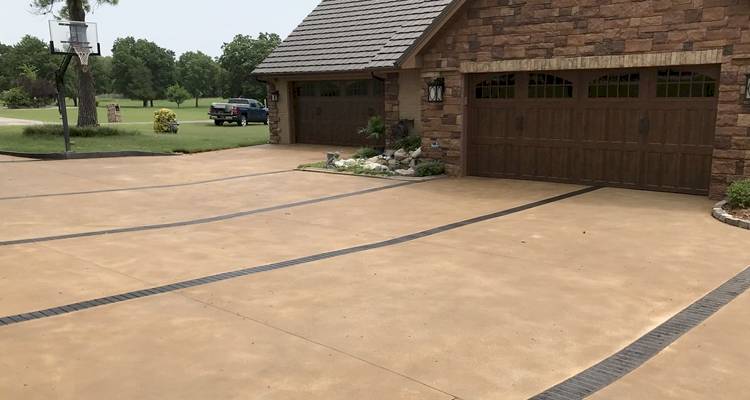
Plain concrete driveways are one of the most common and cost-effective options in the UK. However, if you're not a fan of the classic grey concrete colour, you can opt for a coloured concrete option that provides the same simplicity with a bit of personality to match the aesthetic of your home.
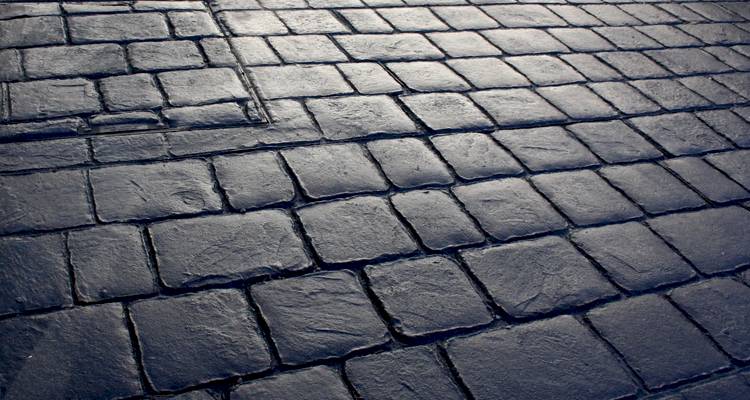
A slate concrete driveway is created by stamping slate-textured mats onto ready-mixed concrete. This is usually done just before the setting stage. The result of this creates a look that is very similar to slate or stone but requires much less work than a proper slate or stone driveway.
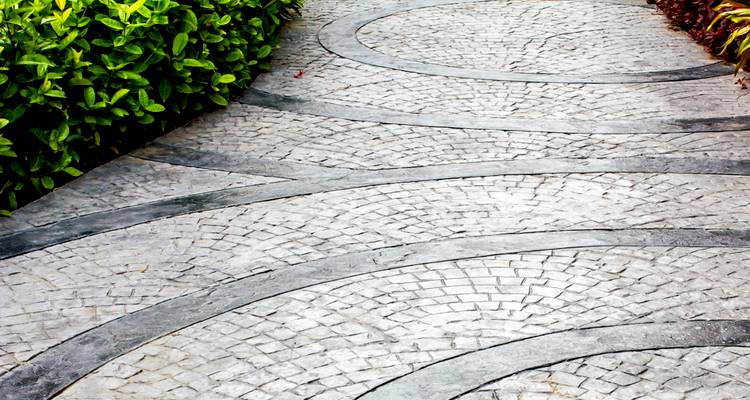
The slate concrete can also be sealed to create a glossy finish that looks absolutely luxurious. There is a wide range of colours and patterns available for this type of concrete driveway, so you'll easily be able to find something that suits your property.
Stencilled concrete allows you to achieve a look similar to a tiled or paved driveway but without the need for bricks, tiles, pavers, or stones. Instead, the method involves stencilling on the desired design just before the concrete hardens fully.
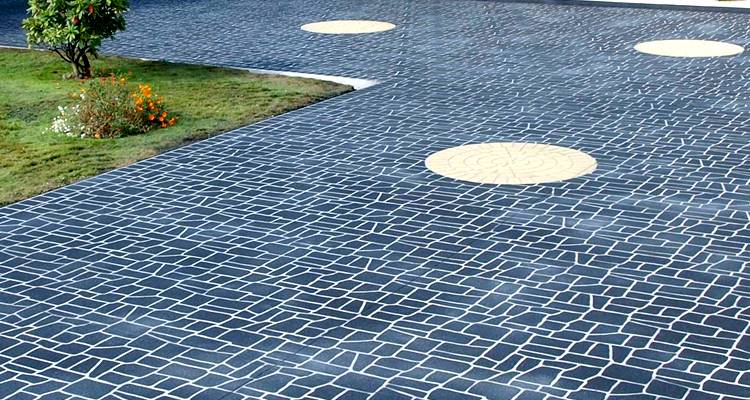
If you are looking for something unique, distinctive, and sophisticated, this is a great option. There are many stencilling options available, so you'll easily be able to find something to suit your taste.
With this method, the pattern is applied using a stencil on the surface, rather than being pressed into the concrete like imprinted designs, which we will look at next.
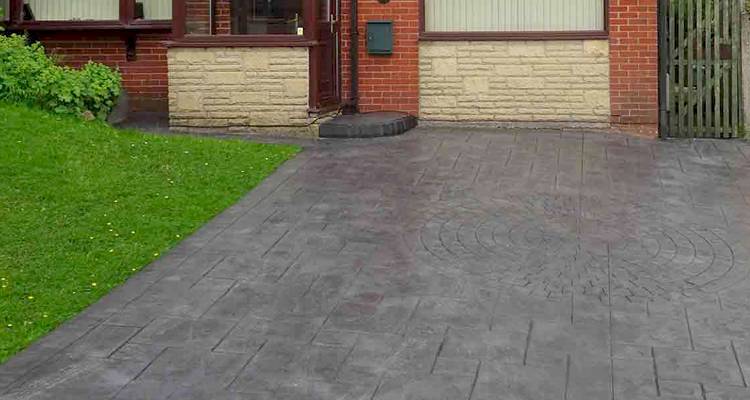
Imprinted concrete (also known as stamped concrete) is one of the most popular decorative concrete driveway options in the UK. It involves pressing patterned mats into freshly poured concrete to create the appearance of materials such as brick, stone, slate, or cobbles.
This type of driveway is often sealed to enhance the colour and protect the surface, resulting in a durable and visually appealing finish that mimics more expensive materials at a lower cost.
This type of concrete is becoming an increasingly popular option. It is attractive in appearance and provides a durable surface that is very stylish and versatile. There are so many different colours and textures to choose from.
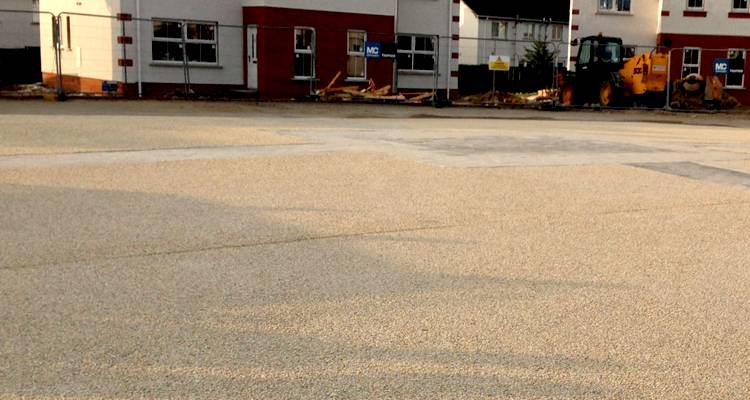
The process involves mixing concrete with aggregates such as sand and stone and then pouring this mixture onto the surface. It produces a gorgeous textured look that looks great in front of most homes.
Concrete is a great material for driveways as it is very versatile, and there are so many different things that you can do with it to achieve your dream driveway.
Below is a list of concrete driveway ideas to give you a little bit of inspiration for your own driveway:
Concrete driveways are available in a wide range of colours, from natural greys to warm browns and modern charcoal tones. You can also customise the finish using dyes, stains, or surface treatments to match your home's exterior and landscaping.
Here are some tips for choosing the right colour for your home:
There are several pros and cons to choosing a concrete driveway over another style of driveway. Below is a list of the main advantages and disadvantages of choosing a concrete driveway:
A concrete driveway is an affordable option and a good investment. You will most likely only need to have your driveway done once in the entire time that you own your home.
Concrete is an extremely durable surface. Much like a resin driveway, a well-installed concrete driveway can last for several decades if properly maintained.
If installed correctly, a concrete driveway can withstand a lot of weight. This is perfect if you are planning on parking heavy vehicles on the driveway.
Concrete is not the most attractive building material, and there are plenty of other driveway material options that are more attractive. However, you can get coloured concrete or decorative concrete, but these may require more maintenance than plain concrete.
I want to change a concrete drive for something that looks nicer. Will this need taking up or is it possible to lay something over the top?
Your concrete driveway will need to be maintained regularly. It's a good idea to seal your driveway every few years to ensure it lasts a long time. Oils and other fluids from your vehicles can also easily cause stains on concrete.
Unlike gravel driveways, a concrete driveway is not a great option if you are looking to build a DIY driveway, especially if it's a large project. Pouring a concrete driveway is quite a difficult task that requires experience and hard labour. With this in mind, it's best to leave concrete driveway installations to the professionals.
It can be difficult to determine exactly how much your new concrete driveway is going to cost. It depends on many factors, including your location, the size of the area, and the type of concrete driveway that you are planning on installing.
You can find out more about how much a concrete driveway costs on average by visiting our dedicated guide, where you will also find a calculator to get a more accurate estimate.
Installing a concrete driveway requires hard labour. It can be difficult to create the desired look without the necessary skills or experience. Plus, you need to ensure there is adequate drainage to adhere to the rules around drainage and planning permission.
Because of this, most homeowners prefer to hire a professional to install their concrete driveway. You can request several quotes from local driveway pavers, using MyJobQuote, that are fast, free, and with no obligation to go ahead.
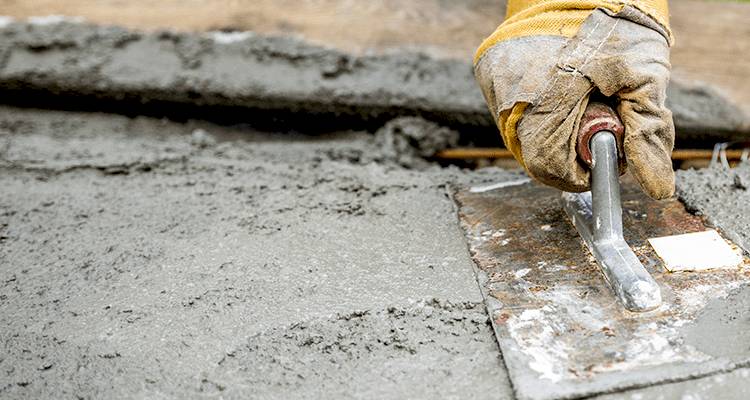
However, if you're wondering how to concrete a driveway yourself, the process involves proper ground preparation, pouring, levelling, and curing. Below is a step-by-step overview of how to install a concrete driveway.
What's the difference between a concrete and cement driveway?
The time it takes to install a concrete driveway will usually depend a lot on how large the new driveway is and the type of concrete driveway installed.
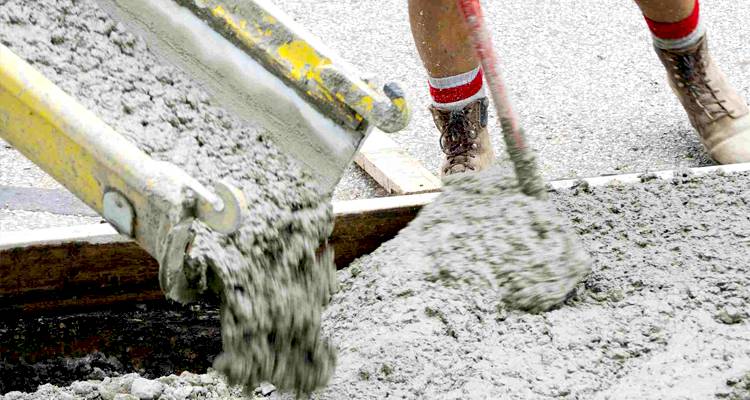
A small, basic concrete driveway that fits one car will usually take as little as two days to complete. A larger driveway with a more extravagant design could take one to two weeks to complete.
When you contact professionals to arrange the installation of your new driveway, they will usually be able to provide you with some more accurate timescales based on the size and design of your particular driveway.
When it comes to a concrete driveway, you won't usually need to worry about planning permission. The rules state that any new or replacement driveway usually does not need planning permission as long as the surface has adequate drainage, especially for front driveways.
Your concrete driveway contractors will have the knowledge and skills needed to provide appropriate drainage. Some concrete types are porous and so won't need additional drainage measures in place.
If your property is a listed building or is in a conservation area, then you may need consent to make any changes to your home. It is advised that you contact your local authority before commencing with any work.
Building regulations don't generally apply to driveway work. However, you will need to make sure that your new driveway doesn't affect access to your property.
If you are unsure whether your new driveway or any alterations may need building regulations approval, then you should contact your local authority for advice before any work takes place.
A well-installed concrete driveway can last anywhere from 25 to 40 years, and in some cases even longer if it is properly maintained.
Its lifespan will depend on several factors, including the quality of installation, the strength of the sub-base, weather exposure, and how much weight the driveway is subjected to over time.
Regular maintenance and repairs, as detailed below, can significantly extend its lifespan.
Although it won't need much maintenance, there are some things that you can do to keep your concrete driveway in top shape. Below is a list of tips on how to maintain and clean your driveway:
As you start to use your driveway on a daily basis, it will start to collect dirt and debris. This can affect the driveway's appearance, so it's a good idea to keep on top of cleaning it.
The best way to clean your driveway is to start by brushing away all surface dirt and debris. Then, use a power washer to clean up the embedded dirt.
You may notice that moss starts to grow over time which you will need to remove during the cleaning process. This will usually come up easily with the power washer.
However, some more stubborn parts may need to be ripped up by hand. If you notice any oil or grease stains, you should clean these up immediately as they will cause discolouration.
During the winter months, the weather will start to get cold, and ice may form on the driveway's surface. You will usually have to remove the ice from your driveway so that it remains in a useable condition.
However, you should always avoid using harsh de-icing chemicals as they can cause scaling and spalling. De-icing chemicals can also cause further damage to the driveway if they manage to make their way into any existing small cracks. Instead of using these products, you should use an alternative such as sand to remove the ice.
When your new driveway is constructed, a sealant will be used. Over time, this sealant will wear off, and your driveway will need to be sealed again to keep it clean and protected. Your driveway installation contractors will be able to give you an idea of how often you will need to re-seal your driveway.
The timeframes are different depending on the type of concrete used and the design of your driveway. They will also be able to recommend the best type of sealant for your particular driveway.
Concrete is extremely durable and can usually withstand a lot of weight. However, you need to ensure that you don't overload your driveway as it may become damaged. Avoid parking loaded vehicles or heavy machinery on the driveway.
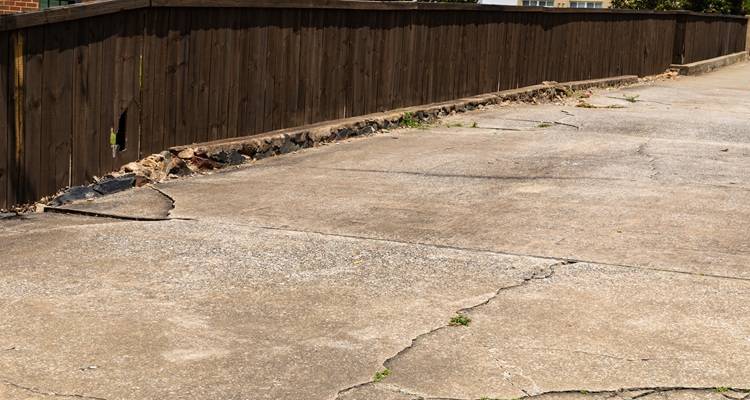
It's common for cracks to appear in a concrete driveway over some time. As time goes on, these cracks can become bigger and cause more damage if not rectified quickly. You should aim to fill cracks in as soon as you notice them to prevent the possibility of further damage.
If left for long enough, cracks can widen to the point where the driveway can no longer be used, so it's extremely important to keep on top of concrete driveway repairs when needed.
Over time, even the most durable concrete driveways can begin to show signs of wear such as cracks, stains, crumbling edges, or surface deterioration. Fortunately, there are several options available depending on the condition of your driveway, and a full replacement may not be needed.
Common concrete driveway repair methods include:
The right solution depends on the severity of the damage. Small surface cracks can often be filled and sealed, while more extensive deterioration may require resurfacing or partial replacement.
If the driveway is crumbling in multiple areas, it may be more cost-effective long-term to consider a full replacement rather than repeated repairs.
Concrete driveways are extremely popular, however, they're not for everyone. If you are planning on having a new driveway installed and you've decided concrete isn't for you, you may be interested in the available alternatives.
The list below highlights the most common alternatives to a concrete driveway:
Block paving is a very popular type of driveway for UK homes. With such a huge range of different blocks and colours to choose from, it's easy to find a block paving driveway that will suit the aesthetic of your home.
The paving blocks can be arranged in many different styles, so you can create a unique driveway with an attractive finish.
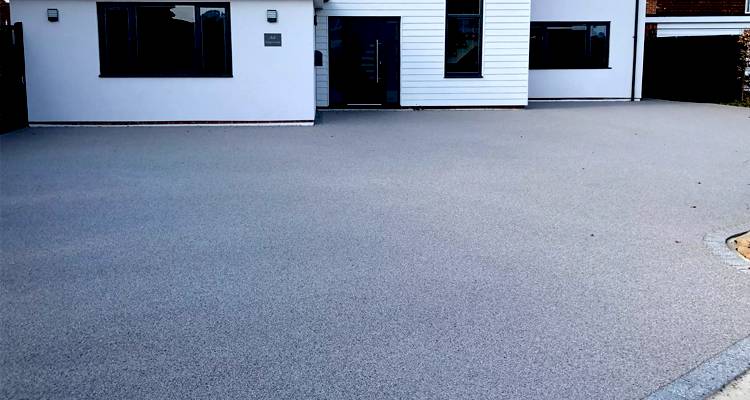
Resin driveways are becoming increasingly popular over the years. This type of driveway offers a very aesthetically pleasing finish that is suitable for almost any home. It is also relatively quick and easy to install, remains durable, and doesn't require much maintenance.
A gravel driveway is a great option for many homes. The materials are very budget-friendly, and the driveway itself is cheap and easy to install. The stones for a gravel driveway come in several different styles, colours, and sizes, making it very easy to find a type of stone that will compliment your home well.
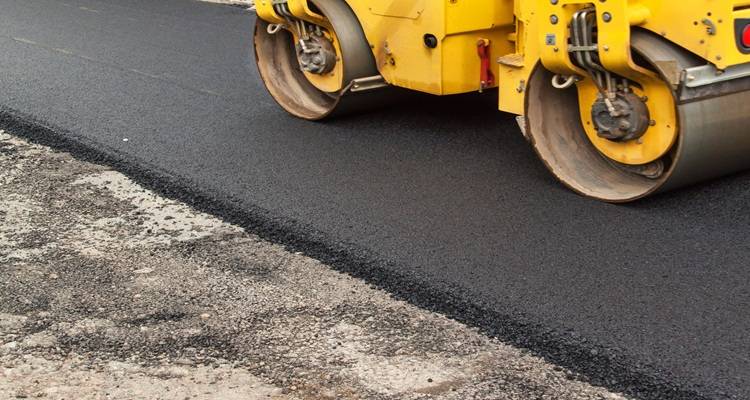
Asphalt is another popular type of driveway in the UK. It offers an aesthetically pleasing appearance and is also very durable and lasts for a very long time. Although it can be quite expensive to install, it's guaranteed to last many years, making it a great investment.






Copyright 2026 MyJobQuote.co.uk. All rights reserved
Privacy Policy | Terms and Conditions | Sitemap
MyJobQuote.co.uk is rated 4.68 stars by reviews.co.uk based on 4120 reviews