Builders
 Carpenters
 Electricians
 Flooring Specialists
 Gardeners
 Handymen
 Heating Engineers
 Painters & Decorators
 Plasterers & Renderers
 Plumbers
 Roofers
 Tilers
 my
Leak Detection Cost
At a Glance
- Most domestic leak detection surveys cost between £150 and £750, although more complex investigations can cost over £1,000.
- Leak detection typically takes between 30 minutes and 8 hours, depending on the location of the leak and the investigation required.
- A breakdown of leak detection costs in 2026, including different detection methods, labour and additional work.
- What affects the cost, how long leak detection takes and the signs of a hidden water leak.
- Whether home insurance covers leak detection, what trace and access means and what to check in a quote.
Get free estimates
Are you a trade? Get more work today!
If you think that you might have a hidden water leak, one of the first things you’ll probably want to know is how much leak detection costs.
Typical leak detection costs in the UK range from £150 to £750, although basic investigations may cost less and complex or emergency surveys can cost more than £1,000. What you’ll pay overall will depend on where the leak is, the equipment needed, access to your pipework and whether you need a written report for an insurance claim.
There can be up to four separate costs involved, including:
- Finding the leak
- Gaining access to the leak
- Repairing the leak
- Repairing any damage
You might be charged separately for every service you need, so bear this in mind if the initial detection price seems low. You might still have to pay a substantial amount for excavation, pipe repairs, flooring replacement and redecorating.
£500
Table of Contents
- How Much Does Leak Detection Cost?
- Leak Detection Labour Costs
- Leak Detection Methods and Costs
- Central Heating Leak Detection Costs
- Underground Water Leak Detection Costs
- What Affects Leak Detection Costs?
- Additional Leak Detection Costs
- What Is Trace and Access?
- Does Home Insurance Cover Leak Detection?
- Signs You May Have a Hidden Water Leak
- Can I Find a Water Leak Myself?
- Is Non-Invasive Leak Detection Worth It?
- How Long Does Leak Detection Take?
- What Does a Leak Detection Quote Include?
- FAQs
How Much Does Leak Detection Cost?
Here are some typical UK leak detection costs:
| Leak Detection Service | Typical Cost |
|---|---|
| Basic leak investigation | £60–£150 |
| Hidden water leak detection | £200–£600 |
| Central heating leak detection | £250–£700 |
| Thermal imaging leak detection | £150–£500 |
| Acoustic leak detection | £150–£400 |
| Tracer gas leak detection | £250–£600 |
| Underground water leak detection | £300–£800 |
| Leak detection survey with report | £250–£750 |
| Emergency leak detection | £300–£1,000+ |
Want a custom price?
Post your job
These figures are generally for the leak detection alone and won’t normally include any major repair work, reinstatement or redecorating that needs to take place afterwards.
Find out whether the price includes VAT before you agree to a quote.
Leak Detection Labour Costs
Leak detection contractors use several different pricing structures.
Call-Out Charges
A basic plumber leak detection cost might include a call-out charge of around £60 to £120 for an initial inspection of visible plumbing and fittings.
Hourly Rates
A lot of plumbing contractors charge between £40 and £80 an hour, especially when they need to carry out investigative work on smaller jobs.
Fixed-Price Investigations
Some leak detection companies will offer you fixed-price surveys, which tend to range from £200 to £750, depending on how complex the work is and whether you need a written report.
Additional Time
If the tradesperson can’t find the source of your leak during your first appointment, you may need to pay additional labour charges for extra work.
Emergency Attendance
You’ll almost always pay more for emergency leak detection and could pay £100 to £300 more if you need an appointment in the evening, during the weekend or on the same day.
Follow-Up Visits
If the tradesperson needs to carry out multiple tests or there’s restricted pipework access, you may need a follow-up visit. Some concealed leaks mean they’ll need to use several detection methods before they can find out where the leak is coming from.
Leak Detection Methods and Costs
Thermal Imaging Leak Detection
Typical cost: £150–£500
Thermal imaging cameras identify temperature variations behind walls, beneath floors and within ceilings. Escaping hot water can create temperature differences that can be seen on thermal images.
This method is particularly useful for:
- Underfloor heating systems
- Central heating pipework
- Hot water pipe leaks
- Damp investigations
Thermal imaging won’t find every leak. Cold water leaks don’t always create a detectable temperature difference.
Acoustic Leak Detection
Typical cost: £150–£400
Acoustic leak detection uses sensitive listening equipment to detect sounds created by pressurised water escaping from pipework.
It’s commonly used for:
- Underground water mains
- Pressurised supply pipes
- Hidden pipework beneath floors
This method can often narrow down the possible leak locations without the need for extensive excavation.
Tracer Gas Leak Detection
Typical cost: £250–£600
During tracer gas leak detection, a safe gas mixture is introduced into the pipework.
The gas escapes through the leak and rises to the surface before detection equipment is used to identify where it’s coming from.
Tracer gas might be used when:
- Thermal imaging hasn’t worked
- Leaks are beneath solid floors
- Pipework is hard to access
- Very small leaks are suspected
Moisture Meter Testing
Typical cost: Often included with your survey
Moisture meters measure moisture levels in building materials like plaster, timber and masonry.
They help with identifying damp areas but don’t necessarily reveal the exact source of the moisture.
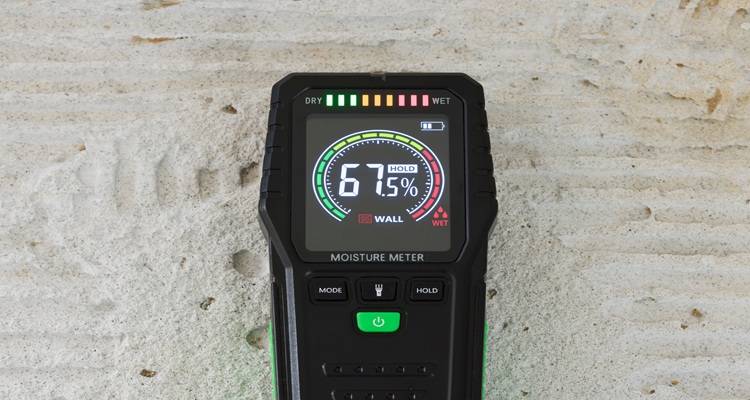
A reading may indicate excess moisture caused by:
- Plumbing leaks
- Condensation
- Penetrating damp
- Flooding
Pressure Testing
Typical cost: £100–£300 when carried out separately
Pressure testing can help you find out whether your water or heating system is losing pressure.
The test doesn’t always identify the location of your leak, but it can help confirm whether there may be a hidden leak.
Endoscope or Borescope Inspection
Typical cost: £100–£250
Small cameras can be inserted into wall cavities, floor voids and other concealed spaces.
This can reduce the need for unnecessary opening-up work and provide a visual inspection of hidden pipework.
Underground Leak Detection
Typical cost: £300–£800
Underground leak detection may involve:
- Acoustic equipment
- Correlation testing
- Tracer gas
- Thermal imaging
- Pressure testing
Excavation and pipe repairs are normally charged separately.
Central Heating Leak Detection Costs
Central heating leak detection will normally cost between £250 and £700, but the final price depends on how complex your system is.
Homeowners often need leak detection services when:
- Boiler pressure repeatedly drops
- Damp patches appear
- Underfloor heating performance declines
- Water staining develops without an obvious cause
An investigation may involve:
- Visual inspections
- Pressure testing
- Thermal imaging
- Tracer gas testing
- Checks on radiator valves and fittings
Additional testing might be needed if there are concealed heating pipes underneath your floors.
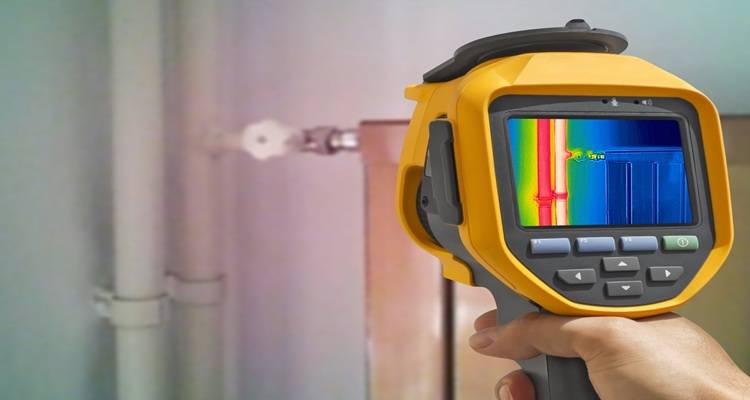
If your boiler is losing pressure, this doesn’t always mean that you have a hidden leak. Pressure loss can also be caused by things like faulty pressure relief valves, expansion vessels and other heating system parts.
If you need a repair after testing, you can compare prices on our site.
You can take a look at our boiler repair costs and radiator repair cost guides too.
Underground Water Leak Detection Costs
Most people pay between £300 and £800 for underground leak detection, but you might be charged more if you have a very complex case.
Leaks may affect:
- Incoming water supply pipes
- External water mains
- Pipes beneath lawns
- Pipes beneath driveways
- Pipework beneath floors
In most cases, you’ll be charged separately for finding the leak, excavating and repairing the pipe.
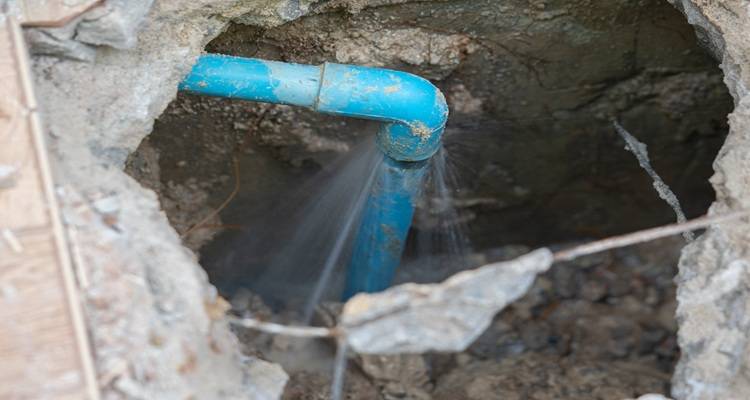
Who’s responsible for sorting out a leaking pipe can depend on where the leak is and who is responsible for that section of pipework.
If you’re unsure, it’s worth talking to your water supplier before you arrange any repair work.
What Affects Leak Detection Costs?
Location of the Leak
If your leak is beneath a concrete floor or underground, you can expect it to cost more to investigate than a leak that’s clearly visible.
Type of Leak
A dripping compression fitting needs to be investigated very differently from a concealed supply pipe leak, so costs can vary considerably from one problem to another.
Detection Method
The cost of tracer gas, thermal imaging and acoustic equipment can vary, and some methods are more suitable for certain types of leaks than others.
Size of the Property
If you have a bigger home, the problem might take longer to investigate.
Accessibility
If the source of the leak is hard to access, it can mean more labour time, which in turn means higher costs.
Number of Tests Required
Some leaks can only be confirmed after more than one testing method has been used.
Emergency Attendance
If you need to make an emergency appointment, you can expect to pay more.
Location in the UK
If you live in London or the South East, leak detection and plumbing rates tend to be higher than in many other parts of the country.
Additional Leak Detection Costs
The leak detection survey cost might be only part of your overall bill.
Additional costs can include:
| Additional Work | Typical Cost |
|---|---|
| Plumber call-out | £60–£120 |
| Pipe repair | £100–£500 |
| Burst pipe repair | £150–£1,500+ |
| Ceiling opening and repair | £150–£800 |
| Pipe replacement | £300–£2,000+ |
| Wall opening and making good | £200–£1,000+ |
| Plastering | £150–£800 |
| Painting and decorating | £200–£1,500+ |
| Flooring replacement | £300–£3,000+ |
| Drying equipment hire | £20–£50 per day |
| Mould treatment | £150–£1,000+ |
| Electrical inspection | £150–£300 |
Want a custom price?
Post your job
What Is Trace and Access?
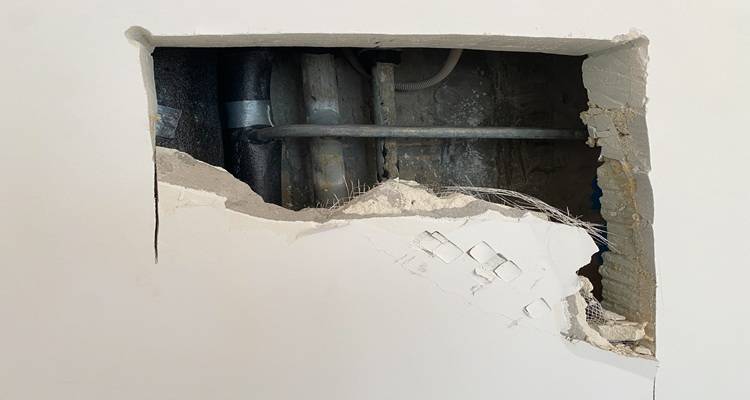
Trace and access is a term used by lots of insurance companies, and it generally refers to the costs of:
- Finding a hidden leak
- Getting access to the affected pipework
If a pipe leak is happening behind a wall, trace and access may cover the investigation and the work that’s needed to expose the pipe.
However, it doesn’t always include:
- Repairing the pipe
- Replacing damaged flooring
- Redecoration work
- Restoring all affected finishes
Policy terms can vary a lot, so make sure you check your specific insurance documents rather than assuming you’re covered.
Does Home Insurance Cover Leak Detection?
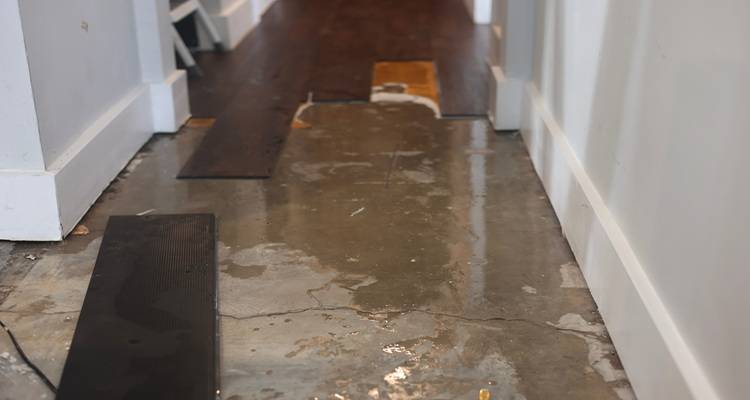
Some buildings insurance policies include trace and access cover where water escapes from plumbing or heating systems.
Coverage can differ between insurers and policies.
One policy might cover:
- Leak detection
- Accessing the leak
- Investigation reports
Another may also contribute towards the costs of:
- Making good walls and floors
- Water damage repairs
Many policies exclude routine maintenance issues.
Before you arrange leak detection, you should contact your insurer and confirm:
- If cover exists
- Your claim limits
- Report requirements
- Any excess charges
Signs You May Have a Hidden Water Leak
Common warning signs that there might be a water leak on your property include:
- Unexpected increases in water bills
- Damp patches
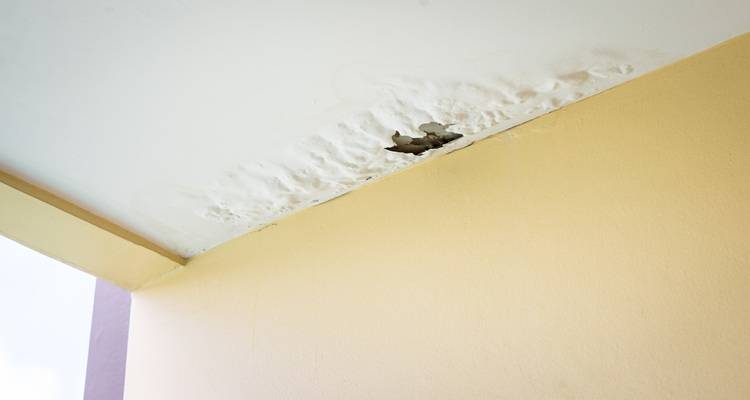
- Water stains
- Mould growth
- Musty odours
- Boiler pressure loss
- Sound of running water
- Warm patches on floors
- Reduced water pressure
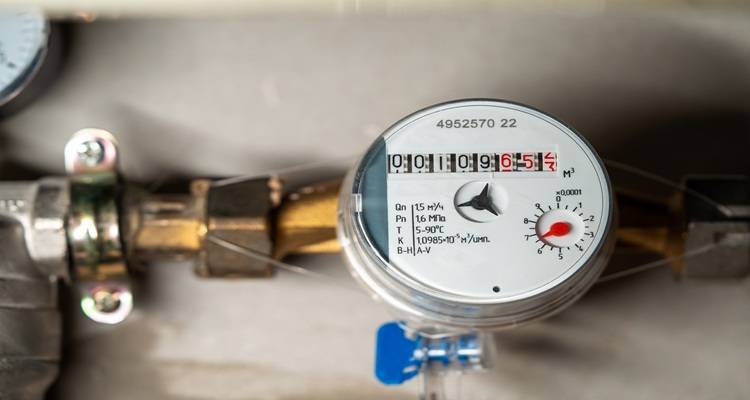
- A water meter that continues moving when no fixtures are being used.
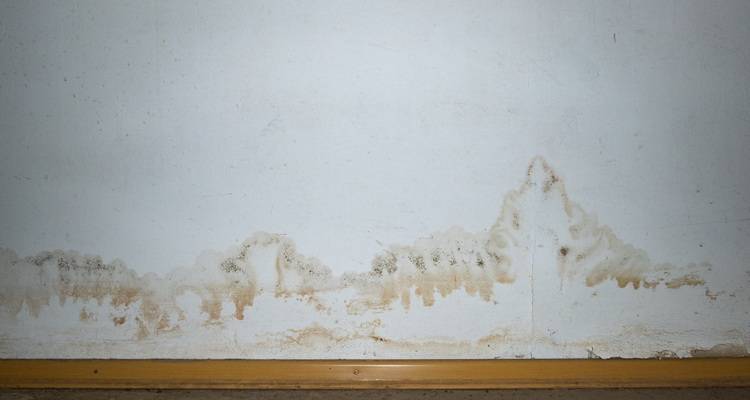
These symptoms don’t always confirm a hidden leak. Condensation, building defects and other issues can cause similar problems.
Can I Find a Water Leak Myself?
You could carry out a few checks yourself before you go ahead and book a leak detection survey.
These include:
- Inspecting visible pipework
- Looking beneath sinks
- Checking your washing machine and dishwasher connections
- Examining your radiator valves
- Monitoring boiler pressure
- Reading your water meter
- Looking for staining or damp patches
Don’t open up walls, ceilings or flooring unless there’s a good reason to believe there’s a leak in that area.
If water has got into any electrical fittings, avoid touching the affected area and switch off the power if it’s safe to do so before asking for help.
Is Non-Invasive Leak Detection Worth It?
Non-invasive leak detection can be a good idea in many situations.
Modern leak detection equipment can help narrow down the leak location before anyone opens up floors, ceilings or walls.
The benefits can include:
- Reduced property damage
- Faster diagnosis
- Lower repair costs
- More targeted excavation
However, no detection method is effective in every situation.
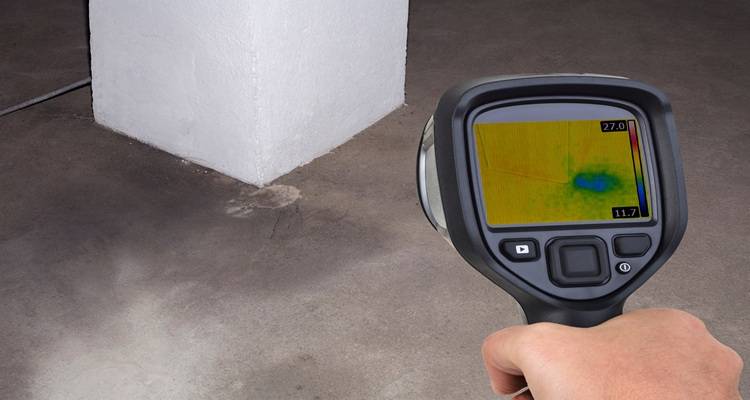
Some leaks are still difficult to locate after non-invasive leak detection, so physical access may still be needed to confirm the problem and carry out repairs.
How Long Does Leak Detection Take?
Typical timescales include:
| Type of Leak Detection | Estimated Time |
|---|---|
| Basic leak inspection | 30 minutes–2 hours |
| Hidden plumbing leak | 2–4 hours |
| Central heating leak | 2–6 hours |
| Underground leak | 3–8 hours |
| Complex multi-method survey | Half a day–full day |
Want a custom price?
Post your job
Intermittent leaks and very small leaks can take longer to identify than constant leaks.
What Does a Leak Detection Quote Include?
Before you accept a quote, find out if it includes:
- Call-out fee
- Initial inspection
- Detection equipment
- Testing
- Labour
- Written report
- Thermal images or photographs
- Trace and access documentation
- Opening walls or floors
- Pipe repairs
- Making good
- VAT
A low leak detection quote might only cover the initial investigation and none of the repair or reinstatement work you may need afterwards.
FAQs
How much does leak detection cost?
Most domestic leak detection surveys cost between £150 and £750, but complex investigations can cost more.
How do plumbers find hidden water leaks?
Methods plumbers can use include thermal imaging, acoustic detection, tracer gas testing, pressure testing, moisture meters and camera inspections.
Can you detect a leak without removing flooring?
This is often possible because modern detection equipment can help identify the likely location of a leak before you remove any flooring. However, physical access may still be needed to confirm and repair the leak.
Does home insurance cover leak detection?
Some policies include trace and access cover, but others don’t. Check your policy wording carefully to find out exactly what you’re covered for.
How long does leak detection take?
A simple investigation might take just an hour or two, but more complex surveys may need a full day or even multiple visits.