Builders
 Carpenters
 Electricians
 Flooring Specialists
 Gardeners
 Handymen
 Heating Engineers
 Painters & Decorators
 Plasterers & Renderers
 Plumbers
 Roofers
 Tilers
 my
Driveway Repair Cost
At a Glance
- Minor repairs: Filling cracks or patching potholes typically costs £100-£500.
- Larger repairs: Repairing a sinking driveway or damaged sub-base can cost £1,000-£3,000 or more.
- Timescale: Small repairs usually take a few hours, while larger repairs involving the sub-base can take 1-3 days or longer.
- Driveway repair costs for tarmac, block paving, concrete, resin and gravel
- Common problems such as cracks, potholes and sinking
- When repairing a driveway makes more sense than replacing it
Get free estimates
Are you a trade? Get more work today!
Having a driveway repaired every several years or every few decades, as needed, can address issues that have accumulated and save you trouble down the line.
A small crack or pothole may be relatively inexpensive to fix, but repairs can become more costly when the driveway has started sinking, or the underlying sub-base is damaged.
The cost of driveway repairs varies depending on the surface material and type of damage. Common factors include driveway material, the size of the damaged area, sub-base condition, drainage, accessibility, labour and waste removal.
Whether sections of the driveway need lifting and replacing will also affect the final price.
£1500
Table of Contents
- How Much Does Driveway Repair Cost?
- Driveway Repair Cost Per m2
- Driveway Repair Labour Costs
- Driveway Repair Costs by Material
- Cracked Driveway Repair Cost
- Sinking Driveway Repair Cost
- Driveway Pothole Repair Cost
- Driveway Edge Repair Cost
- Driveway Drainage Repair Cost
- Driveway Sub-Base Repair Cost
- Driveway Resurfacing Cost
- What Affects Driveway Repair Costs?
- Additional Driveway Repair Costs
- Driveway Repair After Tree Root Damage
- Driveway Repair After Utility Work
- Driveway Repair and Drainage Regulations
- Do I Need Planning Permission to Repair a Driveway?
- Driveway Repair vs Replacement Cost
- How Much Does Driveway Replacement Cost?
- How Long Does Driveway Repair Take?
- Can I Repair a Driveway Myself?
- How Long Should a Driveway Repair Last?
- Does Home Insurance Cover Driveway Repairs?
- How Can I Reduce Driveway Repair Costs?
- What Does a Driveway Repair Quote Include?
- Driveway Repair Cost FAQs
How Much Does Driveway Repair Cost?
The average cost of driveway repairs depends on whether you're dealing with minor surface damage or a more substantial problem.
Small repairs, such as filling cracks or patching a pothole, typically cost £100-£500. However, repairing a sinking driveway or replacing damaged sections can cost £1,000-£3,000 or more.
The table below shows typical costs for different driveway repairs.
| Driveway Repair | Typical Cost |
|---|---|
| Minor driveway repair | £100-£500 |
| Crack repair | £100-£400 |
| Small patch repair | £200-£500 |
| Sinking driveway repair | £1,000-£3,000 |
| Tarmac patch repair | £200-£500 |
| Block paving repair | £150-£500 |
| Concrete crack or patch repair | £100-£500 |
| Resin driveway repair | £200-£600 |
| Gravel driveway repair | £150-£500 |
| Larger resurfacing job | £40-£100 per m2 |
Want a custom price?
Post your job
These prices are indicative estimates rather than fixed quotations. Costs can vary significantly depending on the area being repaired and whether the damage extends beneath the surface.
For example, filling a small crack in a concrete driveway is a very different job from lifting paving blocks, excavating a failed sub-base and rebuilding the area.
Driveway Repair Cost Per m2
Some driveway repairs are priced per square metre, particularly when a larger area needs resurfacing or replacing.
However, small repairs may be subject to minimum labour or call-out charges, meaning a per-square-metre calculation isn't always useful.
The table below provides indicative rates for larger repair areas.
| Driveway Material | Typical Repair Cost per m2 |
|---|---|
| Tarmac | £30-£50 |
| Block paving | £70-£100 |
| Concrete | £30-£60 |
| Resin | £60-£100 |
| Gravel | £30-£50 |
Want a custom price?
Post your job
These figures are most useful when comparing work over a reasonable surface area. They shouldn't be used to calculate the cost of repairing a single crack or pothole, where minimum labour charges can make the price considerably higher per square metre.
If the sub-base is damaged, excavation, replacement materials and compaction will increase the overall cost.
Driveway Repair Labour Costs
The average labour cost for driveway repairs is around £150-£200 per day per worker, or approximately £30-£50 per hour.
However, many contractors charge a fixed price for smaller repairs rather than an hourly rate.
Minimum labour charges can begin at around £100, particularly where a contractor needs to travel to the property, bring equipment and purchase materials for a relatively small job.
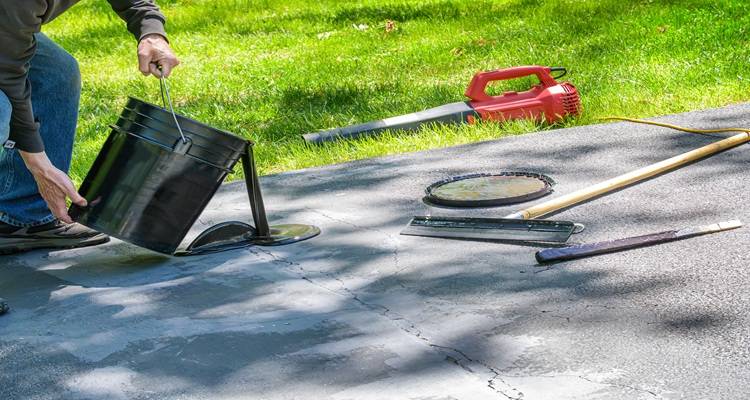
For larger repairs, labour costs depend on the number of workers required.
A single worker may cost around £150-£200 per day, while a two-person team can cost approximately £300-£400 per day.
Ground preparation can add several hundred pounds to the cost, particularly where damaged materials need removing.
Machinery and equipment hire may cost £50-£100 per day for smaller items, while larger equipment can cost several hundred pounds.
Labour requirements depend heavily on whether the repair is surface-level or involves excavating and rebuilding the sub-base.
Driveway Repair Costs by Material
Different driveway surfaces require different repair methods, which can affect both the cost and the amount of work involved.
The table below compares common repairs and indicative costs.
| Driveway Type | Common Repairs | Typical Cost |
|---|---|---|
| Tarmac | Cracks, potholes, depressions and edge damage | £200-£500 for small repairs |
| Block paving | Sunken, loose or damaged blocks | £150-£500 for localised repairs |
| Concrete | Cracks, surface damage and damaged sections | £100-£500 for small repairs |
| Resin | Cracks, loose aggregate and damaged patches | £200-£600 for localised repairs |
| Gravel | Ruts, potholes and lost gravel | £150-£500 for localised repairs |
Want a custom price?
Post your job
Extensive damage, drainage problems or sub-base failure can increase these costs considerably.
Tarmac Driveway Repair Cost
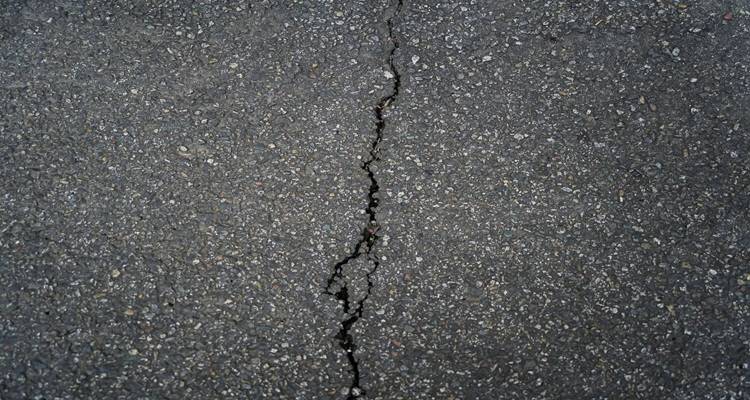
Common tarmac problems include cracks, potholes, surface deterioration, depressions, edge damage and localised sinking.
Patch repairs can cost several hundred pounds, while extensive resurfacing usually moves into the thousands of pounds.
The extent of the repair depends on whether the damage is confined to the surface or whether the layers underneath have also deteriorated.
For example, a small crack may be sealed to reduce water penetration, while a larger damaged section may need cutting out and replacing.
Where the tarmac is sinking, the contractor may need to remove the surface, repair the sub-base and lay new material.
Tarmac Pothole Repair Cost
On average, a tarmac pothole repair costs around £200-£400, although smaller repairs may cost less when carried out alongside other work.
Having multiple potholes repaired will cost more.
Edge failures can cost around £200-£800 to address, depending on the length of the damaged area and whether additional support is required.
Preparing a damaged area can add several hundred pounds, particularly if the existing tarmac needs cutting out and removing.
Replacement material and labour will also contribute to the overall cost.
Please note that repeatedly repairing potholes may not resolve problems caused by a failing sub-base.
Block Paving Repair Cost
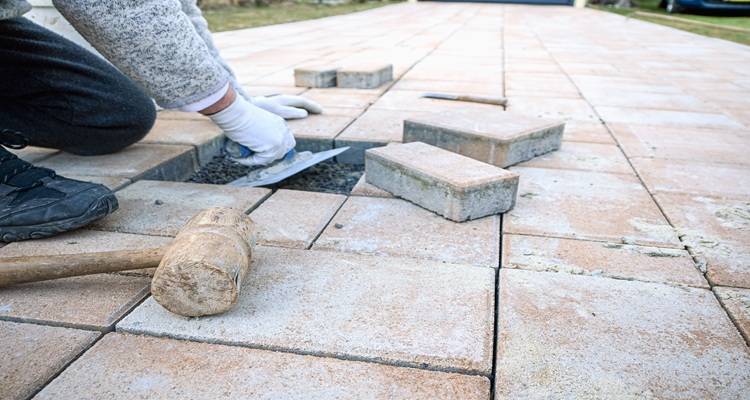
Block paving is relatively straightforward to repair when damage is confined to a small area, as individual blocks can often be lifted and reinstated.
However, the costs depend on whether the blocks themselves are damaged or whether the underlying bedding layer has moved.
Block paving installation generally costs around £50-£100 per square metre for some installations, although smaller repairs may cost more per square metre due to minimum labour charges.
Sunken block repairs can cost around £70-£100 per m2, while fixing a small number of loose blocks may cost approximately £150.
Replacing damaged blocks can cost £50-£90 per square metre for larger areas, while correcting extensive uneven paving may cost £200-£2,000.
Other potential costs include jointing sand at £5-£20 per square metre, edge restraints at £20-£50 per linear metre and weed-related maintenance at £20-£30 per hour.
Sunken Block Paving Repair Cost
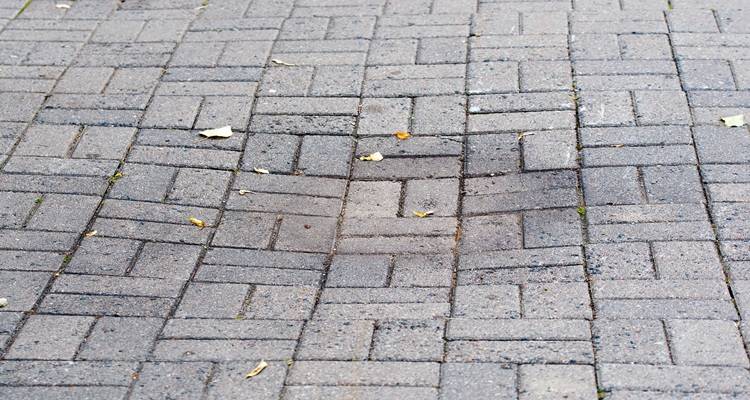
Sunken block paving is often caused by movement in the bedding layer or sub-base.
The work may involve lifting the affected blocks, investigating the underlying layers and correcting the levels before the paving is reinstated.
If the blocks are still in good condition, they can often be reused, reducing material costs.
However, broken blocks may need replacing, and older paving can be difficult to match.
For larger areas, lifting and relaying blocks can cost around £70-£100 per m2, depending on the work required.
Bedding materials, jointing sand and any necessary sub-base repairs will increase the price.
The appropriate repair depends on whether the issue is cosmetic or related to movement underneath.
Cracked Concrete Driveway Repair Cost
Concrete driveways can develop cracks due to ground movement, temperature changes, poor installation or general deterioration.
The repair cost depends on the width, depth and cause of the cracking.
Hairline cracks may cost around £100-£200 to repair, while wider cracks can cost £200-£400.
Repairing multiple cracks may cost £500-£1,000, particularly where the surface requires preparation or additional treatment.
Damaged sections can cost several hundred pounds to repair, with more extensive removal and replacement costing considerably more.
It's important to note that filling every crack doesn't solve the underlying problem.
If the concrete has moved because the ground or sub-base is unstable, further cracking may occur unless the cause is addressed.
Resin Driveway Repair Cost
Common resin driveway problems include cracking, loose aggregate, damaged patches, discolouration and surface deterioration.
Minor cracks may cost around £200-£400 to repair, while loose aggregate can cost £200-£500 to address.
Small damaged areas may cost £300-£600, depending on the repair method and whether the surrounding finish can be matched.
Discolouration and surface deterioration may require cleaning, treatment or resurfacing rather than a simple patch.
Where movement beneath the surface has caused damage, repairs can cost £1,000-£3,000, particularly if the underlying layers need rebuilding.
Resin-bound and resin-bonded surfaces require different repair methods, and matching the original colour and finish can be difficult.
A full resin driveway installation may cost approximately £2,000-£8,000, depending on the size and specification.
Gravel Driveway Repair Cost
Gravel driveways can develop potholes, ruts and uneven areas as vehicles move across the surface.
Gravel can also become displaced over time, leaving areas where the underlying surface is exposed.
Repairing potholes may cost around £200-£300, while correcting ruts can cost £200-£400.
Replacing lost gravel may cost £200-£500, depending on the area and depth required.
Uneven areas can cost £200-£300 to correct, while damaged weed membranes may cost £400-£800 where gravel needs removing and reinstating.
Edging repairs may cost £30-£70 per linear metre, and drainage improvements can cost £500-£1,000 or more.
Potential work may include adding and redistributing gravel, but deeper problems may involve sub-base repairs.
For comparison, the average gravel driveway installation can cost around £3,000, depending on its size and construction.
Cracked Driveway Repair Cost
Cracks can develop in different driveway materials for several reasons, including movement, drainage problems, weathering and general deterioration.
The repair method depends on the surface material and whether the cracking is superficial or structural.
Small surface cracks may only require filling or sealing, while wider cracks can involve removing and replacing damaged material.
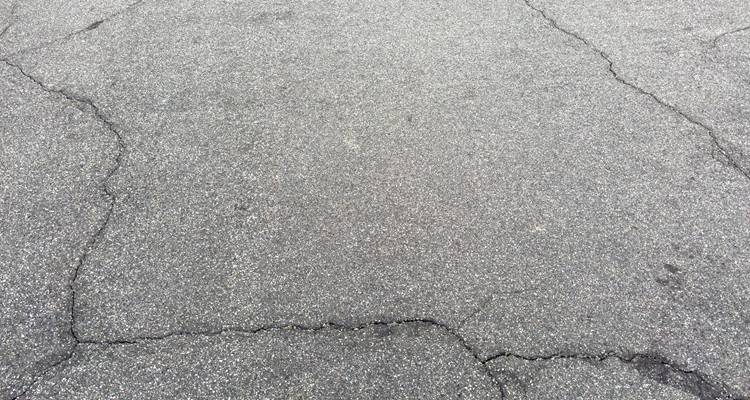
Cracks caused by ground movement or a failing sub-base are usually more expensive to address.
For example, repairing damage associated with tree roots may cost £500-£1,000 or more, depending on the extent of the problem.
Drainage improvements may cost £500-£1,000, while extensive deterioration could make resurfacing or replacement more economical.
It's important to note that repairing the visible crack may not prevent recurrence if the underlying cause remains.
Sinking Driveway Repair Cost
A sinking driveway can result from several underlying problems, including a failed sub-base, water erosion, ground movement or poorly reinstated utility trenches.
Localised sinking and widespread settlement differ, with the former involving an isolated dip or depression while the latter affects a larger area.
In the case of a failed sub-base, addressing the issue can cost around £1,000-£2,500.
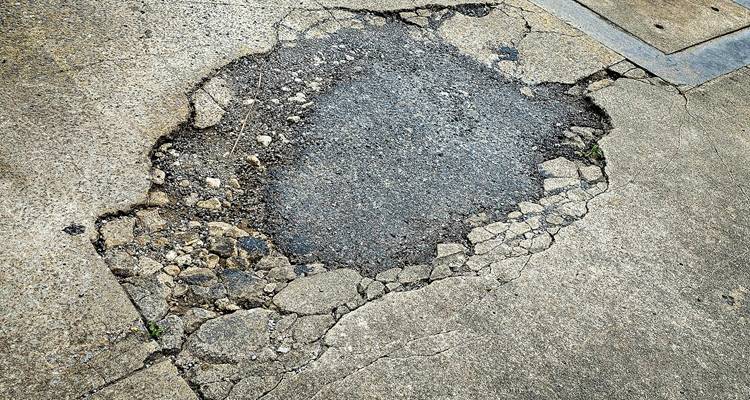
Water erosion may cost £500-£1,000 to put right, depending on how much material has been washed away.
Drainage problems can also cost £500-£1,000 or more to resolve.
Ground movement may require more substantial work, potentially costing several thousand pounds.
Repairing settlement around utility trenches can cost approximately £400-£1,000, while damage involving tree roots may cost £500-£2,000.
Before repairing a sinking driveway, it's important to establish why the surface has moved.
Simply raising the affected area without addressing an unstable base or drainage problem may result in the driveway sinking again.
Driveway Pothole Repair Cost
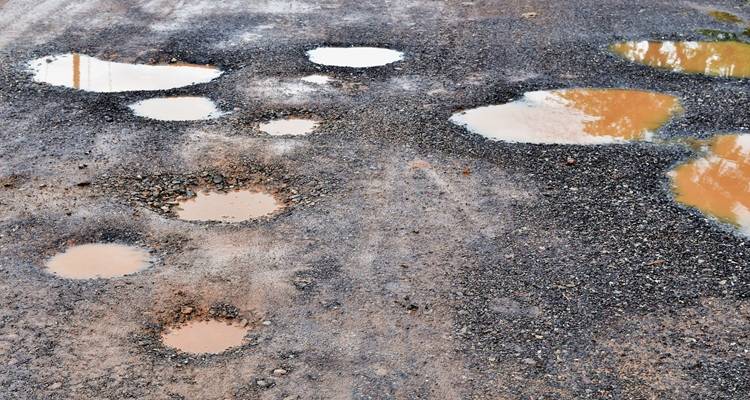
The price of fixing a driveway pothole typically ranges from £100-£400, depending on its size, depth and surface material.
A small pothole may be relatively straightforward to repair, while a deeper one may require damaged material to be excavated before the area is rebuilt.
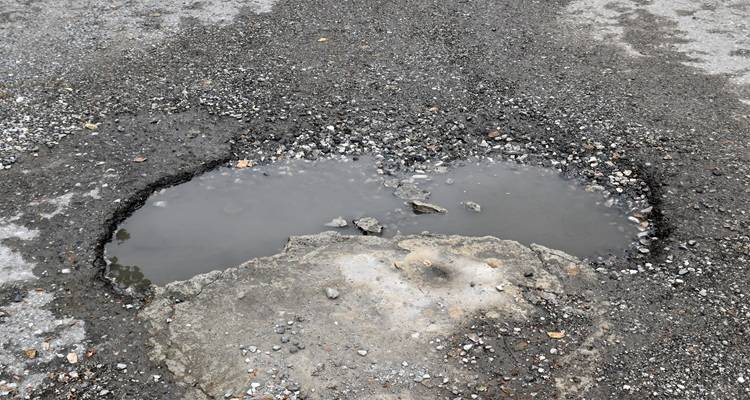
The cost also depends on whether there are several potholes to repair.
Combining repairs into one visit may reduce the overall labour cost compared with arranging separate jobs.
Repeated potholes may indicate a wider driveway problem, particularly where water is reaching the sub-base or the surface has started breaking apart.
Driveway Edge Repair Cost
Driveway edges can become damaged through vehicle movement, weathering, poor drainage or failed restraints.
Potential issues include broken edging, crumbling concrete, loose blocks and deteriorating tarmac edges.
Broken edging may cost around £50-£100 per linear metre to repair, while crumbling concrete edges can cost £50-£70 per linear metre.
Tarmac edge failure may cost £50-£80 per linear metre to address.
Loose paving blocks can cost several hundred pounds to reinstate, depending on the affected area.
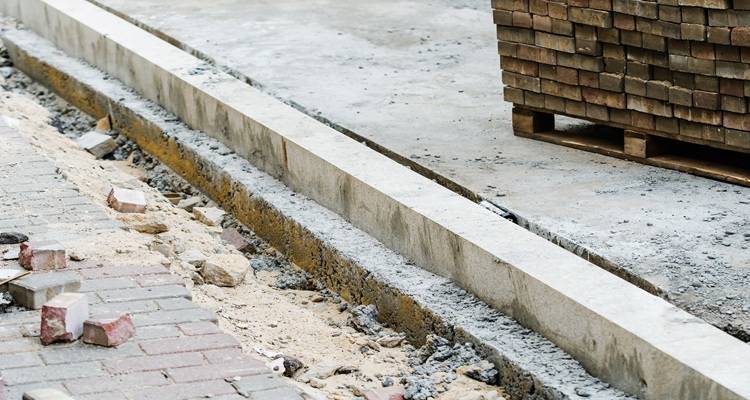
Where edge restraints have failed, repairs can cost up to £100 per linear metre.
Replacing edging around a larger section of driveway may cost approximately £300-£1,000.
The cost will depend on the material, length and whether the ground beneath the edging also needs attention.
Driveway Drainage Repair Cost
Poor drainage can cause standing water, surface deterioration, potholes and movement beneath the driveway.
Repair costs depend on whether the problem involves a blocked drain, damaged channel, incorrect surface falls or inadequate drainage.
Clearing blocked drainage may cost around £100-£300, while installing or repairing channel drains can cost approximately £50-£100 per linear metre for some jobs.
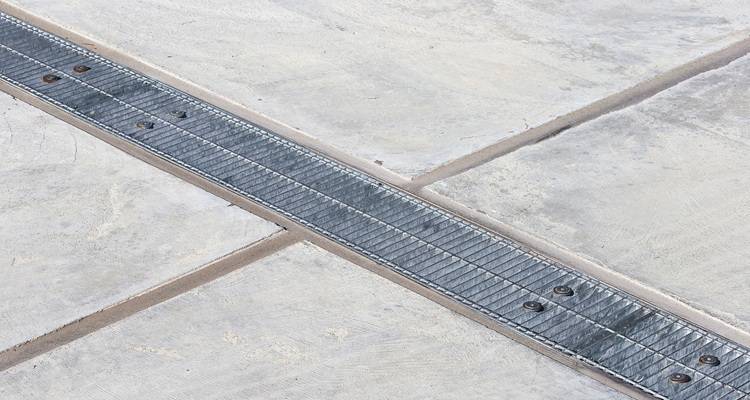
Replacing or installing a gully may cost £300-£500.
Correcting incorrect falls can cost £400-£1,000, while localised pooling problems may cost £700-£1,200 if sections of the driveway need lifting and relaying.
More extensive drainage work, such as installing a soakaway or changing the driveway's drainage arrangement, may cost considerably more.
Drainage problems should be dealt with where they're contributing to repeated surface damage.
Driveway Sub-Base Repair Cost
Driveway sub-bases form part of the load-bearing structure that helps keep the driveway stable under vehicle traffic.
If the sub-base has deteriorated or wasn't installed correctly, the surface may develop cracks, potholes, depressions or uneven areas.
Repairing the sub-base usually involves removing the affected driveway surface, excavating unsuitable material and rebuilding the underlying layers.
The replacement material then needs to be compacted before the surface can be reinstated.
Typical costs may include:
| Sub-Base Repair Work | Indicative Cost |
|---|---|
| Lifting or removing existing surface | £10-£30 per m2 |
| Excavation | £20-£40 per m2 |
| Removing failed material | £10-£20 per m2 |
| Replacement sub-base | £20-£50 per m2 |
| Compaction | £5-£20 per m2 |
| Surface reinstatement | £30-£100+ per m2 |
Want a custom price?
Post your job
These figures are indicative components of the work rather than a fixed quotation, and some contractors may combine several items into one price.
Sub-base repairs can substantially increase costs compared with surface-only work.
Driveway Resurfacing Cost
Resurfacing is an option between small repairs and complete replacement.
It involves renewing the driveway's surface, although the exact method depends on the existing material and its condition.
Not every driveway material or condition is suitable for simply applying a new surface.
If the underlying layers are unstable, resurfacing alone may not resolve the problem.
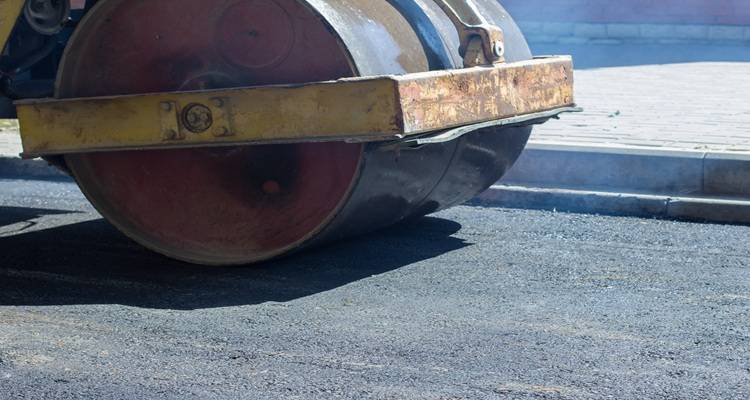
Local repair work will generally cost several hundred pounds, while larger resurfacing projects may cost £40-£100 per m2, depending on the material and preparation required.
A full driveway replacement can cost £80-£150 per square metre or more for some materials.
Before resurfacing, the contractor should assess whether the existing driveway provides a suitable base.
What Affects Driveway Repair Costs?
Several factors affect driveway repair costs, from the material and size of the repair to the condition of the sub-base and the availability of matching materials.
Driveway Material
The driveway material affects the repair method, equipment and materials required.
For example, loose gravel may be relatively straightforward to redistribute, while damaged concrete may need cutting out and replacing.
Resin repairs can also be more difficult to match visually than block paving, particularly where the original surface has faded.
Size of Repair
The size of the damaged area affects how much labour and material will be required.
Larger repairs generally cost more overall, although they may work out cheaper per square metre than several small repairs carried out separately.
Type of Damage
Surface cracks are different from sinking caused by sub-base failure.
Minor cracks may only require filling or sealing, while structural problems can involve excavation and rebuilding.
The cause of the damage therefore matters just as much as its appearance.
Sub-Base Condition
Underlying repairs can substantially increase costs.
Should the sub-base be in poor condition, it will need addressing before the driveway surface is reinstated.
Otherwise, the same problems may return.
Drainage
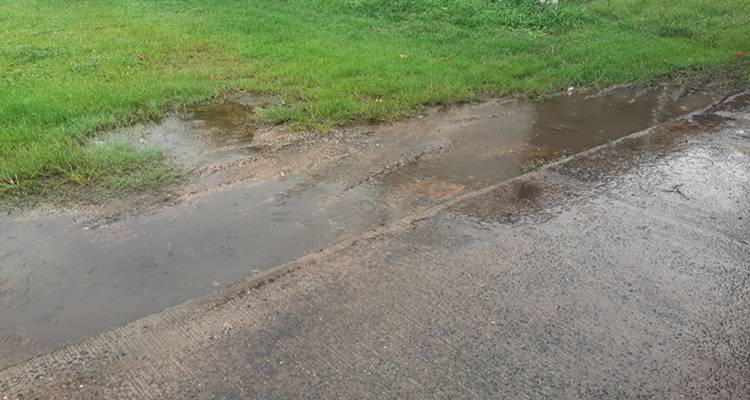
Poor drainage can contribute to sinking, cracks and potholes.
Installing a French drain may cost around £100-£200 per linear metre, while a soakaway can cost approximately £1,000-£1,500, depending on the ground conditions and installation requirements.
Water problems may need addressing alongside the driveway repair.
Access
Machinery and waste removal may be more difficult at some properties, and this can affect the overall cost.
For example, a narrow entrance may prevent larger equipment from reaching the driveway, increasing the amount of manual work required.
Matching Materials
Older blocks, resin or other materials may be difficult to match.
This can add to the cost, particularly if matching products are no longer manufactured or the existing surface has changed colour over time.
Waste Disposal
Excavated materials may need removing from the property.
Waste disposal can cost approximately £100-£300 for smaller jobs, although larger repairs involving substantial excavation may cost more.
Location in the UK
Labour and material prices vary geographically.
Prices tend to be higher in London and the South East, while some areas of Northern England, Scotland and Wales may have lower labour rates.
Additional Driveway Repair Costs
Driveway repairs may involve more than simply replacing the damaged surface.
For example, drainage work, edging replacement or waste removal may be needed before the repair can be completed.
The table below shows indicative additional costs.
| Additional Job | Typical Cost |
|---|---|
| Drainage repair | £100-£200 per linear metre for some drainage work |
| Channel drain installation | £50-£100 per linear metre |
| Localised sub-base repair | From several hundred pounds |
| Edging replacement | £50-£100 per linear metre |
| Waste removal | £100-£300 |
| Skip hire | £100-£400 per week |
| Pressure washing | £100-£300 |
| Driveway sealing | £300-£600 |
| Weed removal | £50-£200 |
| Tree root removal | £300-£700 |
Want a custom price?
Post your job
Not every driveway repair will require these additional jobs.
The contractor should identify any necessary preparation or related work when assessing the driveway.
Driveway Repair After Tree Root Damage
Tree roots can lift paving, crack driveway surfaces, distort edges and affect levels.
The extent of the damage depends on the size and location of the roots, the driveway construction and whether the ground beneath the surface has moved.
Repairing the visible damage may involve lifting blocks, removing damaged material or replacing sections of the driveway.
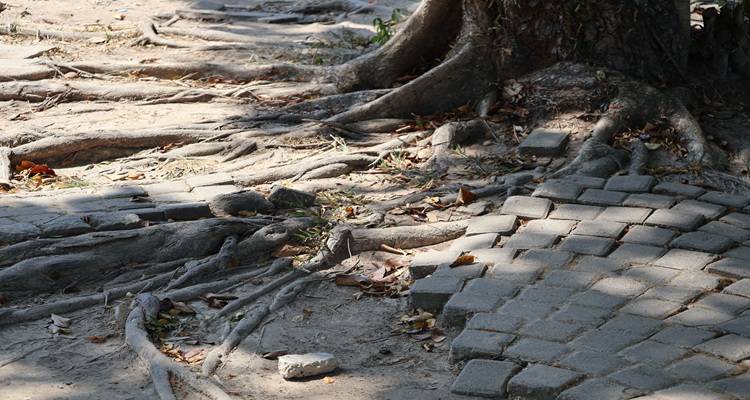
However, the cause of the movement also needs investigating.
Root cutting or removal should not be carried out without considering the health and stability of the tree.
Removing substantial roots can weaken a tree, potentially creating a safety risk.
Protected trees may introduce additional considerations, and permission may be required before certain work is carried out.
Where tree roots are causing repeated driveway damage, advice from someone with appropriate tree-care knowledge may be needed before deciding on the repair.
Driveway Repair After Utility Work
Driveways can sometimes sink or crack around previous utility trenches.
This may happen following water, gas, electricity, drainage or broadband installation work.
Poor reinstatement or settlement can cause a visible strip or depression along the route of the trench.
Repairing the driveway may involve lifting the affected surface, checking the material used to refill the trench and correcting any settlement.
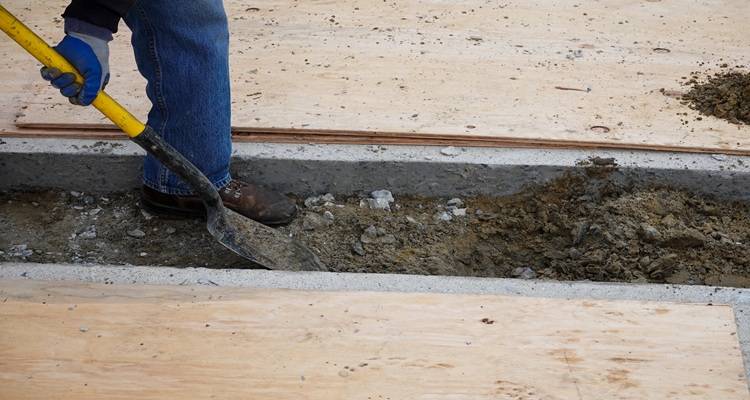
The area can then be compacted and the original surface reinstated where suitable.
If the problem appeared after recent utility work, it may be worth contacting the company responsible before arranging a repair yourself.
Whether they are responsible for reinstatement will depend on the circumstances and any applicable agreements or obligations.
Driveway Repair and Drainage Regulations
There are drainage considerations to keep in mind when repair work becomes more substantial.
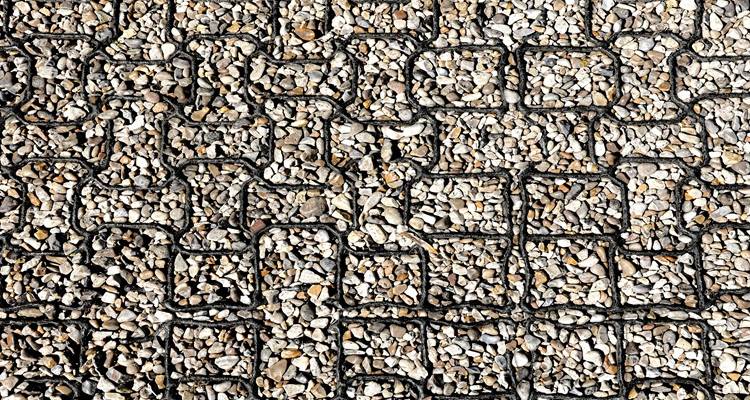
In England, planning rules for front garden paving can apply where more than 5m2 of impermeable surfacing is being installed or replaced, and rainwater cannot drain to a suitable permeable area within the property.
Permeable surfaces, or arrangements that direct runoff to a suitable permeable area, may fall within permitted development rules.
However, this doesn't mean that every driveway repair over 5m2 automatically requires planning permission.
Straightforward maintenance and localised repairs are different from creating a new driveway or substantially changing its drainage.
Rules also differ between England, Wales, Scotland and Northern Ireland.
If you're planning extensive resurfacing or changes to drainage, check the requirements with your local planning authority before work begins.
Do I Need Planning Permission to Repair a Driveway?
Straightforward like-for-like driveway repairs will not usually require planning permission.
However, creating a new driveway, significantly changing the surface, altering drainage, installing a dropped kerb or expanding the driveway can introduce additional requirements.
Whether permission is needed depends on the type of work, property location and applicable planning rules.
For example, installing a dropped kerb normally requires approval from the relevant highway authority.
Properties in conservation areas or subject to other planning restrictions may also have additional considerations.
Contacting your local council can help establish whether permission or approval is required before starting the work.
Driveway Repair vs Replacement Cost
Repairing a driveway is generally cheaper than replacing it, particularly where the damage is confined to a small area.
Repairs may make sense where most of the driveway remains serviceable, the sub-base is sound and individual blocks or damaged sections can be reinstated.
For example, replacing a handful of broken paving blocks is unlikely to justify removing an otherwise sound driveway.
Similarly, a small tarmac pothole or isolated concrete crack may be relatively inexpensive to repair.
However, replacement may be more practical where damage is widespread, or the underlying structure has failed.
If large areas are sinking, cracking is extensive or multiple repairs have already failed, continuing to patch the surface can become expensive.
The age and condition of the driveway should also be considered.
Where a driveway is approaching the end of its useful life, replacing it may provide better long-term value than paying for repeated repairs.
Comparing quotes for both repair and replacement can help homeowners decide which option makes financial sense.
How Much Does Driveway Replacement Cost?
Replacing a driveway costs considerably more than carrying out a minor repair, although the final price depends on the surface material and area involved.
Typical replacement costs are:
| Driveway Material | Indicative Replacement Cost |
|---|---|
| Tarmac | £50-£100 per m2 |
| Gravel | £40-£80 per m2 |
| Block paving | £100-£150 per m2 |
| Resin | £100-£200 per m2 |
| Concrete | £70-£140 per m2 |
Want a custom price?
Post your job
These prices are indicative and may not include every element of excavation, drainage, waste disposal or ground preparation.
A replacement involving a completely new sub-base can cost more than renewing the surface over an existing suitable base.
For larger driveways, the overall cost can reach several thousand pounds.
How Long Does Driveway Repair Take?
The timescale for driveway repairs depends on the type of damage, surface material and whether work is needed beneath the driveway.
Minor repairs may only take a few hours, while sinking driveways and sub-base repairs can take several days.
| Repair | Typical Timescale |
|---|---|
| Small patch repair | 2-3 hours |
| Crack repair | 1-2 hours |
| Block paving repair | Around 1 day |
| Pothole repair | Half a day |
| Sinking driveway repair | 1-2 days |
| Sub-base repair | 1-2 days |
| Large resurfacing job | 2-5 days |
These are approximate working times.
Curing and drying periods may mean the driveway cannot immediately be used even after the labour has finished.
For example, some concrete repairs require additional time before vehicles can safely drive over the repaired area.
Can I Repair a Driveway Myself?
Simple driveway maintenance can often be addressed as a DIY job.
For example, homeowners may be able to remove weeds, redistribute loose gravel or carry out small cosmetic repairs using suitable products.
However, substantial repairs are more complicated.
Potential considerations include heavy materials, excavation, compaction, machinery, drainage and matching existing surfaces.
A sinking driveway may need the underlying layers rebuilt, while some concrete or resin repairs require particular preparation and installation methods.
It's important to note that cosmetic patches should not be considered a permanent solution to structural or sub-base problems.
Where significant excavation, drainage alterations or structural repairs are needed, hiring a driveway contractor is generally the more suitable approach.
How Long Should a Driveway Repair Last?
A driveway repair can last around 5-15 years in some circumstances, although the actual lifespan varies considerably.
A small crack repair may need attention again sooner, particularly if the surface continues moving.
A properly reconstructed section of driveway with a sound sub-base may last much longer.
The lifespan depends on the type of repair, surface material, underlying cause, preparation, traffic, drainage and condition of the surrounding driveway.
For example, repairing a pothole without addressing poor drainage may result in the same problem returning.
Regular maintenance and dealing with small issues promptly can help extend the useful life of driveway repairs.
Does Home Insurance Cover Driveway Repairs?
Home insurance may cover certain types of driveway damage, but this depends on the policy and the cause of the problem.
For example, some policies may provide cover for damage caused by specific insured events, such as certain types of impact, subsidence or storm damage.
However, cover is not automatic, and some policies treat driveways differently from the main building.
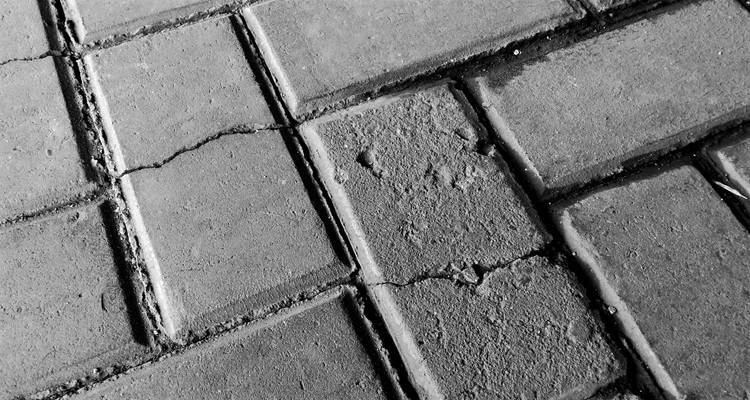
Ordinary wear and tear, gradual deterioration, ageing and maintenance-related problems are commonly excluded.
Damage involving tree roots or ground movement may also be subject to specific policy conditions or exclusions.
If your driveway has been damaged suddenly, check the policy wording and contact your insurer before arranging repairs.
They can explain whether the damage may be covered and whether an inspection is required.
How Can I Reduce Driveway Repair Costs?
There are several ways to keep driveway repair costs down.
Addressing small problems before they spread can help prevent more expensive damage.
For example, repairing a pothole before water reaches the sub-base may avoid the need for excavation and rebuilding.
Combining several repairs into one job can also reduce labour and call-out costs.
Rather than arranging separate visits for cracks, loose blocks and edging repairs, it may be cheaper to have the work completed together.
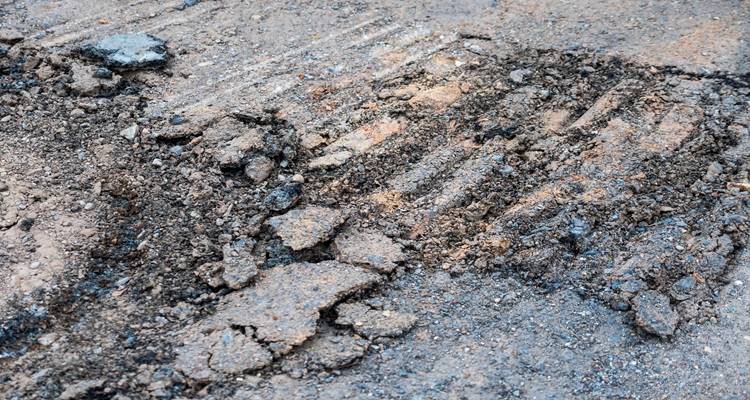
Comparing several quotes is another way to understand what a reasonable price looks like.
Make sure each quote covers the same work, particularly where sub-base repairs, drainage or waste removal are involved.
Retaining spare paving blocks after installation can be useful if repairs are needed later, particularly where matching materials may become difficult to find.
Finally, dealing with drainage problems contributing to damage can help reduce the likelihood of repeated repairs.
What Does a Driveway Repair Quote Include?
A driveway repair quote can include several elements depending on the type and extent of the work.
Common items include:
- Labour
- Repair materials
- Excavation
- Sub-base materials and preparation
- Compaction
- Replacement surface materials
- Matching blocks or other materials
- Drainage work
- Edging repairs
- Machinery and equipment
- Waste disposal
- VAT
It's particularly important to compare a surface-only repair with a repair that includes rebuilding the underlying base.
Two quotes may appear very different in price simply because they include different amounts of work.
Check whether the contractor has allowed for removing damaged material, disposing of waste and reinstating the surrounding driveway.
If the cause of the damage is uncertain, ask what happens if further problems are discovered once work begins.
You can use MyJobQuote to compare quotes from local driveway contractors and get a clearer idea of the cost of repairing your driveway.
Driveway Repair Cost FAQs
How Much Does Driveway Repair Cost?
Minor driveway repairs typically cost £100-£500, while more extensive work involving sinking or sub-base damage can cost £1,000-£3,000 or more.
The final price depends on the material, damage and amount of work required.
How Much Does It Cost to Repair a Cracked Driveway?
Repairing driveway cracks typically costs around £100-£400 for smaller jobs.
Multiple cracks or damage caused by underlying movement can cost considerably more.
How Much Does Block Paving Repair Cost?
Block paving repairs may cost around £70-£100 per m2 for larger areas, although small jobs are often subject to minimum labour charges.
A localised repair may cost approximately £150-£500.
Can a Sinking Driveway Be Repaired?
Yes, a sinking driveway can often be repaired.
However, the work depends on whether the problem involves localised settlement, poor drainage or failure of the underlying sub-base.
The cause should be established before the surface is reinstated.
Is It Cheaper to Repair or Replace a Driveway?
Repairs are generally cheaper when the damage is localised, and most of the driveway remains in good condition.
However, replacement may be more cost-effective where the surface is extensively damaged, or the sub-base has failed.