Builders
 Carpenters
 Electricians
 Flooring Specialists
 Gardeners
 Handymen
 Heating Engineers
 Painters & Decorators
 Plasterers & Renderers
 Plumbers
 Roofers
 Tilers
 my
myPond Removal Cost
At a Glance
- The average cost to remove a garden pond is between £500 and £2,500, depending on the pond size, depth, construction and access.
- Most pond removal jobs take between 1 and 5 days, depending on whether drainage, demolition, waste removal and backfilling are required.
- How much pond removal costs, including typical prices for small, medium and large ponds.
- What affects the total price, from pond drainage and liner removal to concrete demolition and garden restoration.
- How to use MyJobQuote to find and hire the right contractor for safe pond removal, waste disposal and ground reinstatement.
Get free estimates
Are you a trade? Get more work today!
Garden ponds are popular features in UK homes, creating a tranquil space and a habitat for local wildlife. However, there may come a time when you want to use the space differently, repair ongoing issues or remove a pond that has become hard to maintain.
Over time, ponds can cause problems such as leaks, excessive algae build-up and, in some cases, structural damage. The cost of removing a garden pond varies depending on the size and depth of the pond, the type of construction used and the level of garden restoration needed afterwards.
Small preformed ponds can sometimes be removed as a DIY job, but larger ponds are usually best handled by a professional. Contractors can drain the pond, remove the structure, dispose of waste and restore the ground so the area is safe to use again.
£1,500
Table of Contents
How Much Is Pond Removal?
When considering how much pond removal will cost, there are several factors to keep in mind. The main factor is usually the size and complexity of the project, with the average cost for pond removal in the UK ranging from £500 to £2,500, although particularly large jobs can exceed this.
The price will largely hinge on the size and depth of the pond, with larger ponds requiring much more time, labour and materials to complete the removal.
The type of construction used to install the pond will also have a significant impact. Concrete ponds are usually much more expensive to fully remove than simple liner ponds. Another consideration is the amount of water that needs to be drained, as larger ponds may require pumps, hoses and extra labour.
Smaller decorative ponds tend to be the cheapest to remove, while large or permanently constructed ponds often involve excavation work and machinery, which increases the total pond removal cost. If you are planning a wider garden upgrade after the pond has been removed, you may also want to compare garden landscaping costs.
Pond Removal Prices
Below is a breakdown of typical pond removal prices based on size and complexity:
| Pond Size or Removal Type | Average Price Range | Estimated Time |
|---|---|---|
| Small preformed pond removal | £150–£400 | 2–4 hours |
| Medium garden pond removal | £400–£1,000 | 1 day |
| Large pond removal | £1,000–£2,500 | 1–3 days |
| Pond removal with soil backfilling | £800–£2,000 | 1–2 days |
| Pond removal with full garden restoration | £1,500–£4,000+ | 2–5 days |
Want a custom price?
Post your job
These examples provide a useful guide when planning your pond removal budget. Costs will increase if you need extra work such as laying turf, adding new garden features, or replacing existing landscaping.
Labour Costs and Timescales
Labour is one of the main costs in a pond removal project, especially if the pond is large, deep, concrete-lined, or difficult to access. Most jobs need a gardener, landscaper, or groundworker to drain the pond, remove the structure, clear waste, and make the area safe.

If machinery is needed for excavation or concrete removal, this can increase the total labour cost.
| Type of Labourer | Typical Labour Cost (per day) |
|---|---|
| Landscaper or Gardener | £150–£250 |
| Groundworker | £200–£300 |
Want a custom price?
Post your job
Small ponds can often be removed within a few hours. Medium ponds usually take around 1 day, while larger pond removal jobs may take several days if the contractor needs to break up concrete, remove rubble, or restore the ground afterwards.
Supply Costs
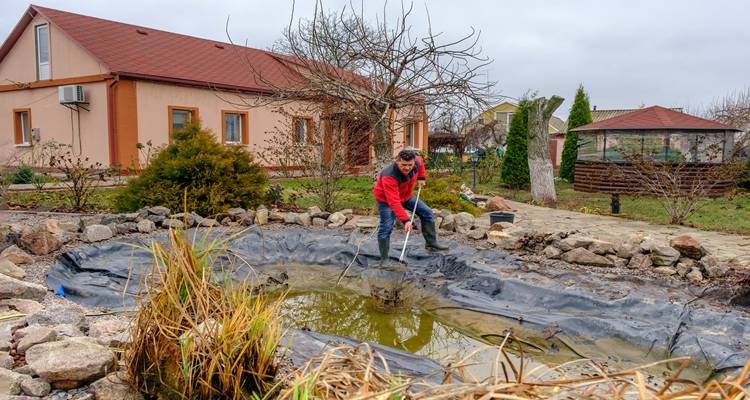
The supply costs for garden pond removal are usually lower than for a pond installation because fewer new materials are needed. However, the job may still require drainage equipment, excavation tools and materials to restore the garden afterwards. In most cases, a pump will be used to drain the pond before tools are used to break up and remove the structure.
Once the pond has been removed, soil and aggregate may be needed to fill the hole and level the garden. If the area is being returned to lawn, you’ll also need fresh turf or grass seed. Waste removal is another key cost, as concrete, debris, liners, sludge and edging materials may need to be disposed of correctly, often through skip hire or a licensed waste carrier.
Types of Garden Ponds
The type of pond that is being removed will play a big part in the cost of removal:
Preformed Pond
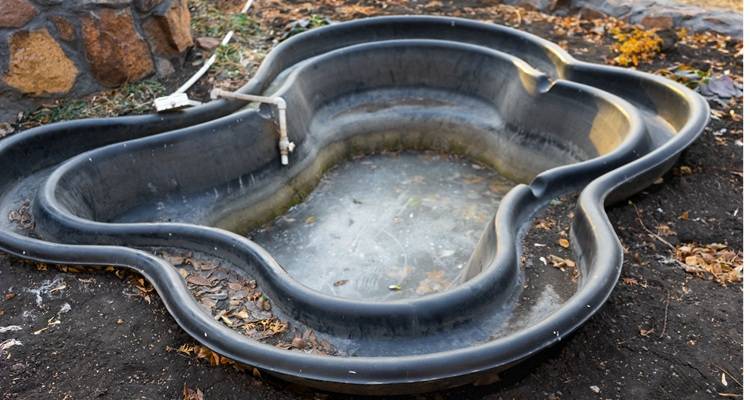
Preformed ponds are usually made from plastic or fibreglass and installed as a single unit. This can make them simpler and cheaper to remove, provided the shell is not cracked, buried too deeply or surrounded by heavy edging materials.
Flexible Liner Ponds
Flexible liner ponds are usually more complex to remove than preformed ponds because they need to be fully drained before the liner is taken out and the area is backfilled. They are still usually cheaper to remove than concrete ponds, but sludge, planting, edging stones and pipework can add time.
Concrete Ponds
Concrete ponds are usually the most challenging type to remove because they may need demolition work, excavation and heavy equipment to break up the structure. This can increase labour time, waste disposal costs, and the overall pond removal price.
Ground Restoration Costs
After a pond has been removed, the ground usually needs to be restored so the area is safe, level and usable. In most cases, the hole will need to be backfilled with soil or aggregate, then compacted to reduce the risk of sinking or shifting. Once the ground is level, you can lay turf, sow grass seed, add paving or install decking over the area.

This stage can be one of the biggest costs because it often needs both labour and materials. The final price will depend on the size of the old pond, the depth of the hole and the finish you want after removal.
Additional Costs
Some pond removal projects involve extra work beyond draining and taking out the pond structure. These costs are not always included in the main quote, so it’s worth checking what your contractor has allowed for before work starts.

- Waste removal — Rubble, pond liners, sludge, edging stones and old pipework may need to be taken away. If this is not included in your quote, budget for skip hire costs or a separate garden waste collection.
- Pond equipment removal — Pumps, filters, fountains, lights and pipework need to be removed before the pond is filled in. Electrical features may need to be disconnected by a qualified electrician.
- Wildlife relocation — Fish, frogs, newts and pond plants may need to be moved safely before the pond is drained. This can add time if the pond is heavily planted or has protected wildlife nearby.
- Backfilling and levelling — Once the pond has been removed, the hole usually needs to be filled, compacted and levelled so the area is safe to use. Larger ponds will need more soil, aggregate and labour.
- New turf or grass seed — If you want the old pond area turned back into lawn, you’ll need to allow for turf, grass seed and soil preparation.
- Patio, decking or landscaping work — Some homeowners use pond removal as part of a wider garden redesign. If that applies, allow extra budget for landscaping or patio installation once the pond has been removed.
- Drainage improvements — If the old pond area holds water, the contractor may suggest adding drainage or improving the ground before it is covered. This helps reduce the risk of sinking, puddling or uneven ground later.
Cost Factors for Pond Removal
Several key factors can affect your total pond removal cost. The biggest cost drivers are usually pond size, the amount of pond water to drain, the type of pond structure, how easy the area is to access and how much garden restoration is needed afterwards.
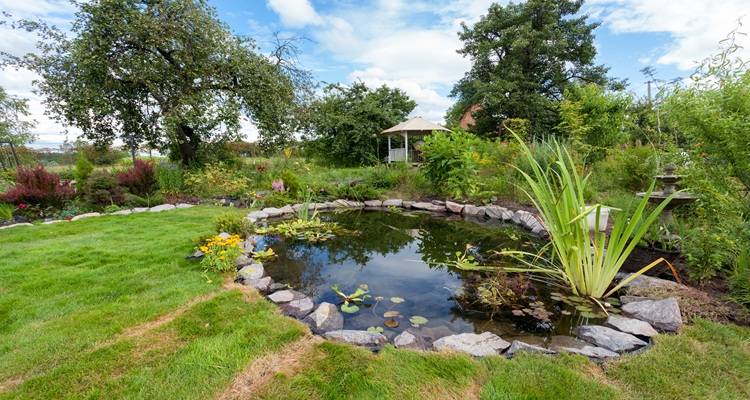
- Pond size and depth — Larger and deeper ponds take longer to drain, dismantle and backfill. They also create more waste, which can increase disposal costs.
- Pond construction — A small preformed pond or flexible liner pond is usually easier to remove than a concrete pond. Concrete structures often need breaking up, excavation work and heavier tools.
- Access to the garden — If contractors can’t easily reach the pond with tools, wheelbarrows or machinery, the job may take longer. Narrow side access, steps or long carrying distances can all raise labour costs.
- Water drainage — Large ponds may need pumps, hoses and careful water disposal. The contractor may also need extra time if the pond contains sludge, debris or poor-quality water.
- Electrical components — Pond pumps, filters, fountains and lights may need to be disconnected before removal. If electrical work is involved, you may need a qualified electrician.
- Location — Labour rates vary across the UK. You may pay more in areas with higher contractor demand or where waste disposal and skip hire are more expensive.
Alternative Options to Pond Removal
Full pond removal is not always the only option. If the pond is still structurally sound, renovating it may be cheaper than removing it completely. This could include repairing leaks, replacing the liner, improving filtration or refreshing the edging.
You could also reduce the pond size by filling in part of it rather than removing the whole structure. These options can be cheaper and less disruptive, but they still need careful drainage, backfilling and levelling to keep the garden safe.
Hiring Contractors Checklist for Pond Removal
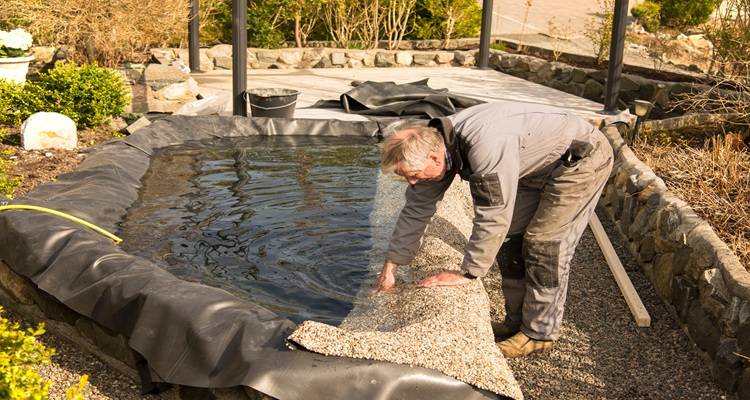
Before hiring someone to remove a pond, check that their quote covers the full job, not just the visible removal work. A good contractor should explain how they’ll drain the pond, remove waste, manage any electrical features and leave the ground safe afterwards.
- What's included — Ask for a written quote that breaks down labour, drainage, waste removal, backfilling and garden restoration.
- Experience — Check whether the contractor has experience removing your type of pond, especially if it is concrete-lined, deep or difficult to access.
- Disposal — Confirm how pond water, sludge, rubble, liners and edging materials will be removed and disposed of.
- Equipment — Ask whether pumps, filters, fountains, lights and other pond equipment are included in the quote.
- Electrical Work — Check whether a qualified electrician is needed to disconnect any pond lighting, pumps or outdoor power supplies.
- Wildlife — Ask how the contractor will deal with fish, frogs, newts or aquatic plants before drainage starts.
- Ground Restoration — Confirm what will happen to the ground after removal, including backfilling, compacting, levelling, turfing or paving.
- Reviews — Check reviews, recent photos and examples of similar garden clearance or pond removal work.
- Insurance — Make sure the contractor has public liability insurance before they start work in your garden.
- Quotes — Get at least 3 quotes so you can compare what is included, not just the headline price.
Ask a Trade
Got a question that only a tradesperson can answer? We have thousands of trades ready to answer any question you may have.
Ask your question

FAQs
How Much Does It Cost to Remove a Pond?
The average cost to remove a pond in the UK ranges from £500 to £2,500. Small preformed ponds may cost less, while large concrete ponds or projects with full garden restoration can cost £4,000 or more.
How Long Does Pond Removal Take?
Small ponds can often be removed in 2 to 4 hours. Medium ponds usually take around 1 day, while large ponds, concrete ponds or jobs with backfilling and landscaping can take 2 to 5 days.
Can I Remove a Garden Pond Myself?
You may be able to remove a very small preformed pond yourself if it has no electrical features, fish or major structural work. Larger ponds are usually best left to a professional because they may need safe drainage, demolition, heavy lifting and waste disposal.
Do I Need Planning Permission to Remove a Pond?
In most cases, you do not need planning permission to remove a garden pond. However, you should make sure any electrical pumps, lighting or outdoor power supplies are safely disconnected before work starts.
What Should I Do with Fish Before Removing a Pond?
Fish should be moved to a safe temporary tank or rehomed before the pond is drained. If you are hiring a contractor, ask whether wildlife relocation is included in the quote.
Can I Fill In a Pond Instead of Removing It?
In some cases, a pond can be filled in rather than fully removed. The pond still needs to be drained, cleaned and made stable first, and the base may need holes or drainage work to stop water collecting underneath the new surface.
What Can I Replace a Pond With?
Once the pond has been removed, backfilled and levelled, you can replace it with lawn, planting, paving, decking, gravel or a new garden feature. The best option depends on drainage, ground condition and how you want to use the space.
Does Pond Removal Include Waste Disposal?
Not always. Some quotes include the removal of rubble, liners, sludge and old pond equipment, while others charge separately for skip hire or waste collection. Always check this before accepting a quote.
Can Pond Pumps and Lights Be Removed at the Same Time?
Yes, pond pumps, filters, fountains and lights can usually be removed as part of the job, but this may increase the total cost. If they are connected to an outdoor electrical supply, a qualified electrician may be needed to disconnect them safely.
Will the Ground Sink After a Pond Is Filled In?
The ground can sink if the hole is not backfilled and compacted properly. A contractor should fill the area in layers, compact the ground and level the surface before turf, paving or planting is added.