Builders
 Carpenters
 Electricians
 Flooring Specialists
 Gardeners
 Handymen
 Heating Engineers
 Painters & Decorators
 Plasterers & Renderers
 Plumbers
 Roofers
 Tilers
 my
myBurst Pipe Repair Cost
At a Glance
- The average cost of repairing a burst pipe is around £300, with straightforward repairs typically costing between £100 and £500.
- Most straightforward burst pipe repairs take between 1 and 4 hours, although hidden pipework or extensive damage can take longer.
- A breakdown of burst pipe repair costs in 2026, including labour, materials, emergency call-out charges and additional repairs.
- What affects the cost of repairing a burst pipe and how long the work usually takes.
- What to do if a pipe bursts, whether home insurance covers the damage and how to find a plumber near you.
Get free estimates
Are you a trade? Get more work today!
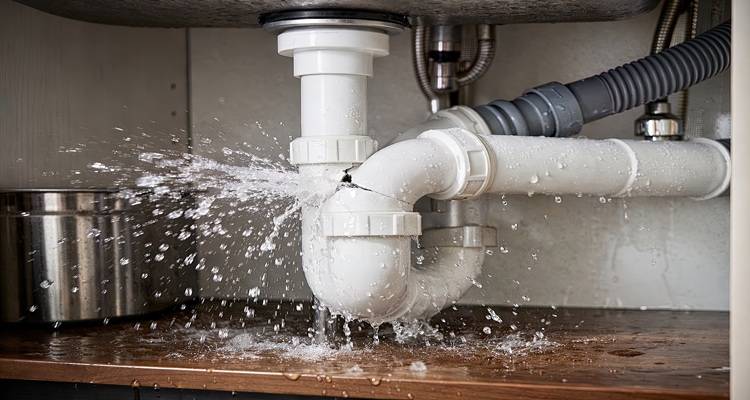
A burst pipe can cause significant damage if it isn't dealt with quickly. The cost of repairing a burst pipe will depend on where the damaged pipe is located, how easy it is to access, the extent of the damage and whether you need an emergency plumber.
Many straightforward burst pipe repairs cost around £100 to £500, although complicated repairs involving hidden pipework or emergency call-outs can cost considerably more. You may also need to budget for repairing water damage to walls, ceilings, flooring and other parts of your home.
£300
Table of Contents
- Burst Pipe Repair Labour Costs
- Burst Pipe Repair Material Costs
- What Affects the Cost of Repairing a Burst Pipe?
- Additional Burst Pipe Repair Costs
- How Long Does It Take to Repair a Burst Pipe?
- Signs of a Burst Pipe
- What Should I Do If a Pipe Bursts?
- Can I Repair a Burst Pipe Myself?
- Does Home Insurance Cover Burst Pipes?
- How Can I Prevent Burst Pipes?
- What Does a Burst Pipe Repair Quote Include?
- FAQs
Burst Pipe Repair Labour Costs
Labour will account for a large part of your overall burst pipe repair cost, particularly if the damaged section is difficult to access or requires immediate attention.
Plumbers typically charge between £40 and £80 per hour during normal weekday working hours, although rates in London and the South East can be higher. For an emergency appointment, hourly rates can increase to around £80-£150 per hour or more.
Some plumbers also have a minimum charge, which means you may still pay for a full hour or call-out period even if a straightforward repair takes around 30 minutes.
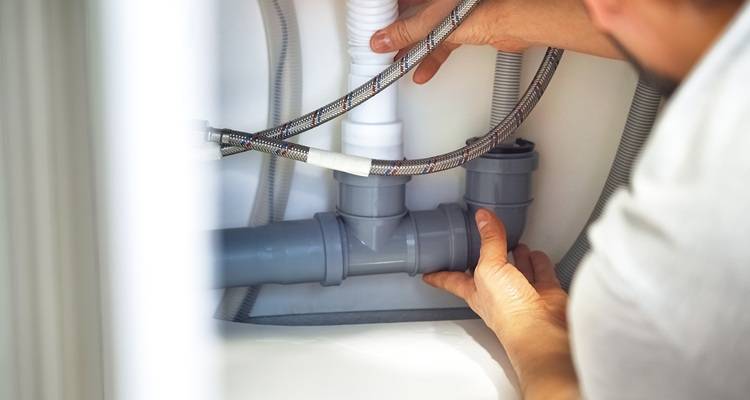
A simple repair to an exposed pipe can take between one and two hours. However, pipework hidden behind walls, beneath flooring or within a ceiling can take much longer to repair. In these situations, locating and accessing the damaged section can take longer than completing the repair itself.
For more information about hiring a plumber and typical rates, take a look at our plumber cost guide.
Burst Pipe Repair Material Costs
The materials required to repair a burst pipe are often inexpensive compared with labour. However, the final cost will depend on the type of pipework and the extent of the damage.
Copper Pipe
Copper pipework is common in UK homes. Replacing a short section of copper pipe is usually relatively inexpensive, although material costs will increase if a larger section needs replacing.
Plastic Pipe
Modern plastic plumbing systems can often be repaired relatively quickly using replacement fittings, connectors or push-fit joints. Faster installation can also help keep labour costs down.
Pipe Fittings and Connectors
Repairs may require:
- Couplers
- Connectors
- Elbows
- Tees
- Compression fittings
- Push-fit fittings
- Valves
Sometimes, a damaged isolation valve or stop valve may also need replacing during the repair.
Jointing Materials
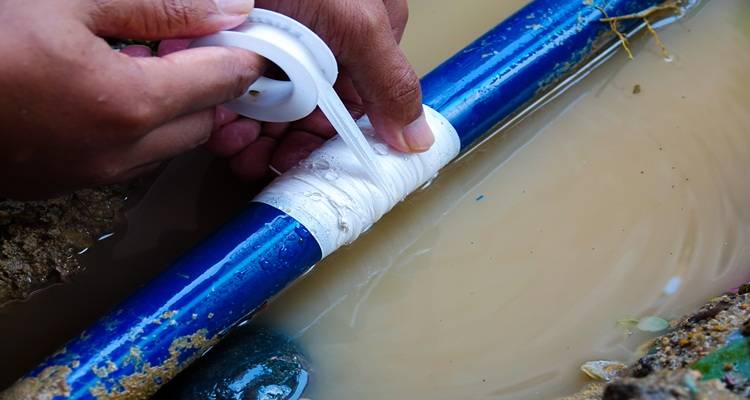
Depending on the pipe material and repair method, a plumber may use jointing compounds, PTFE tape, compression fittings or other suitable connectors.
Pipe Insulation
If freezing temperatures contributed to the burst, adding suitable pipe insulation may help reduce the risk of the problem happening again.
In most cases, material costs will make up a relatively small proportion of the overall bill compared with labour, emergency attendance charges and access work.
What Affects the Cost of Repairing a Burst Pipe?
Several factors can affect how much you'll pay for a burst pipe repair.
Location of the Pipe
Pipes beneath kitchen sinks, inside cupboards and in other exposed locations are generally easier to access and repair.
Pipework hidden inside walls, beneath flooring or above ceilings will usually cost more to repair because additional work is required to reach the damaged section.
Accessibility
Access is one of the biggest factors affecting burst pipe repair costs.
Additional work may be required if the plumber needs to:
- Lift floorboards
- Remove plasterboard
- Access ceiling voids
- Remove boxing-in
- Work within loft spaces
Extent of the Damage
A small split or localised leak may only require a short section of pipe to be replaced.
However, extensive corrosion, multiple damaged sections or major fractures could mean a larger section of the pipework needs replacing.
Pipe Material
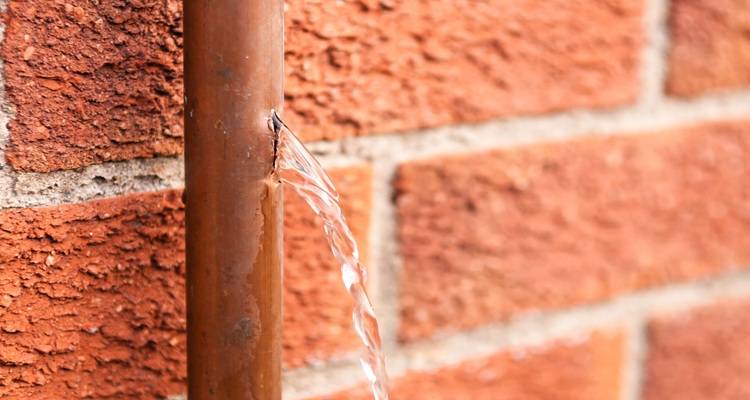
Different pipe materials require different repair methods.
Common domestic pipe materials include:
- Copper
- Plastic
- Galvanised steel
- PEX pipework
The age and condition of the plumbing system can also affect how straightforward the repair is.
Emergency Call-Out
Emergency attendance almost always costs more than a pre-arranged appointment.
Evening, overnight, weekend and bank holiday work can all attract higher call-out and hourly charges.
Location in the UK
Where you live can affect the price you pay. Plumbing rates tend to be higher in London and the South East than in many parts of the North of England, Scotland, Wales and the Midlands.
Cause of the Burst
Burst pipes can occur for several reasons, including:
- Frozen pipework
- Corrosion
- Excessive water pressure
- Damaged joints
- Accidental impact damage
- General wear and tear
The underlying cause can affect the repair method and overall cost.
Additional Burst Pipe Repair Costs
Repairing the damaged pipe may only be part of the overall cost.
Escaping water can damage surrounding materials, so additional repairs may be required once the plumbing work is complete.
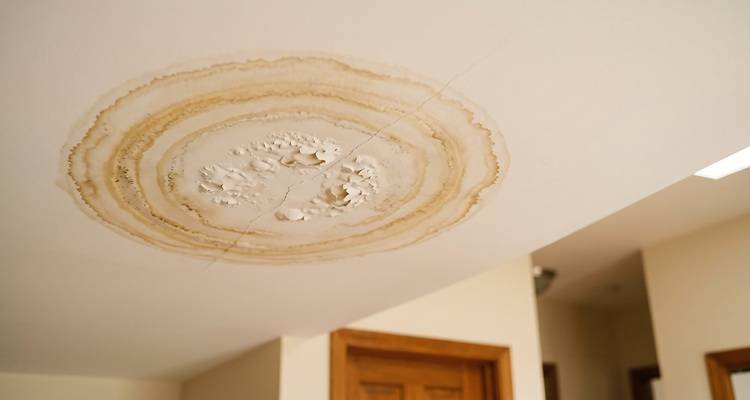
Ceiling Repairs
Water escaping from upper-floor pipework can stain ceilings and damage plasterboard.
Typical cost: £150-£1,200+
Learn more about ceiling repair costs.
Plastering
Walls and ceilings may need to be replastered after water-damaged material has been removed.
Typical cost: £150-£800+
Painting and Decorating
Once the affected area has dried fully and any necessary repairs are complete, you may need to redecorate.
Typical cost: £150-£600+
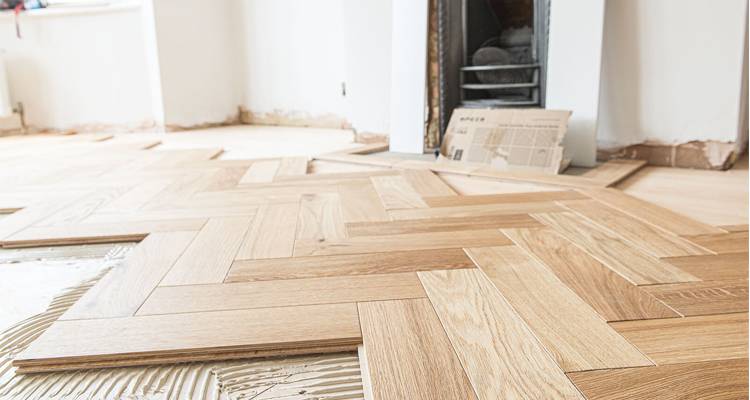
Flooring Replacement
Water damage can affect:
- Laminate flooring
- Engineered wood flooring
- Vinyl flooring
- Tile subfloors
Typical cost: £300-£3,000+
Carpet Replacement
Wet carpets may need replacing, particularly after prolonged saturation or contamination.
Typical cost: £150-£1,500+
Joinery Repairs
Water can damage skirting boards, door frames and timber flooring, which may need repairing or replacing.
Typical cost: £100-£1,000+
Electrical Inspection
If water has reached lighting circuits, sockets or electrical equipment, an electrical inspection may be required.
Typical cost: £100-£300+
Leak Detection
Leak detection may be required when the source of escaping water isn't immediately obvious.
Typical cost: £100-£500+
Drying and Dehumidification
Removing excess moisture and thoroughly drying the affected area can help reduce the risk of further damage.
Typical cost: £100-£500+
Insulation Replacement
Water-damaged loft or cavity insulation may need replacing.
Typical cost: £100-£1,000+
Mould Treatment
Persistent damp conditions following a leak can sometimes lead to mould growth.
Typical cost: £200-£1,500+
How Long Does It Take to Repair a Burst Pipe?
Repair times depend largely on where the damaged pipe is located, how easy it is to access and the extent of the damage.
| Job Type | Estimated Time |
|---|---|
| Simple exposed pipe repair | 1–2 hours |
| Standard burst pipe repair | 2–4 hours |
| Hidden pipe repair | Half day to full day |
| Major pipe replacement | 1 day or longer |
| Repair plus reinstatement work | Several days |
Want a custom price?
Post your job
In many cases, locating the damaged section and gaining access to it takes longer than completing the pipe repair.
Signs of a Burst Pipe
A burst pipe doesn't always result in water immediately pouring through a ceiling.
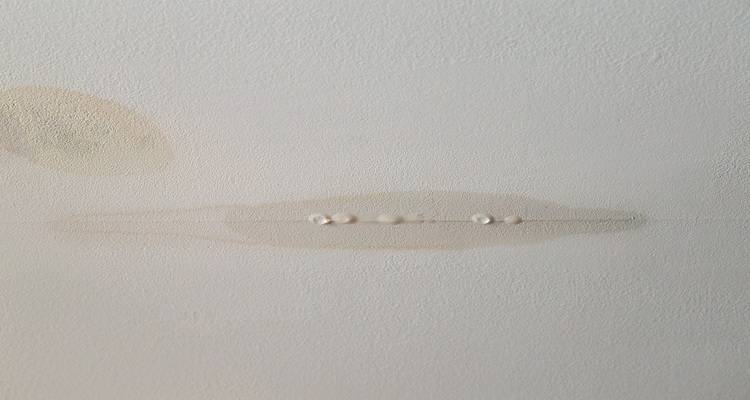
Common warning signs include:
- A sudden drop in water pressure
- Damp patches on walls or ceilings
- Unexplained puddles
- Water stains
- Running water sounds when taps are switched off
- Unusually high water bills
- Bulging walls or ceilings
- Loss of water supply after freezing weather
These symptoms don't necessarily mean a pipe has burst, but they can indicate a plumbing problem that needs investigating.
What Should I Do If a Pipe Bursts?
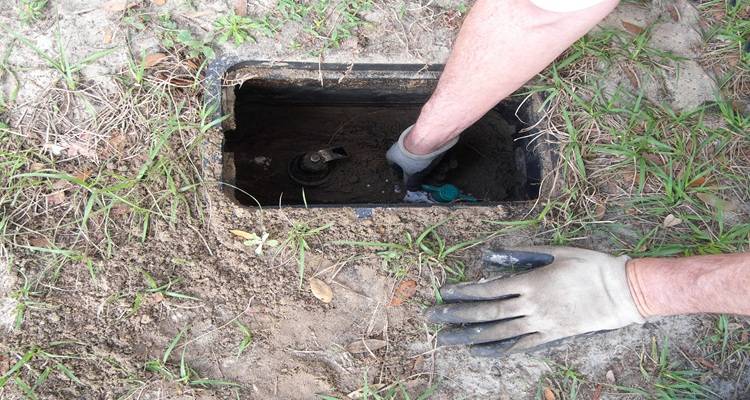
If you suspect a pipe has burst, acting quickly can help limit further damage.
- Turn off the water supply using the stopcock if it is safe and accessible.
- Switch off relevant heating systems if necessary.
- Avoid electrical fittings and appliances that may have come into contact with water.
- Drain remaining water from the plumbing system where appropriate.
- Move furniture and possessions away from the affected area if it is safe to do so.
- Contact a plumber.
- Take photographs of significant damage for insurance purposes.
If water is close to electrical fittings, sockets or appliances, avoid touching the affected area until it has been made safe.
Can I Repair a Burst Pipe Myself?
Temporary measures can sometimes reduce water loss while you're waiting for a plumber, but these shouldn't normally be treated as a permanent repair.
A visible leak may also only be part of a larger problem. Corrosion, frozen pipework, excessive pressure or damaged joints could affect other parts of the plumbing system.
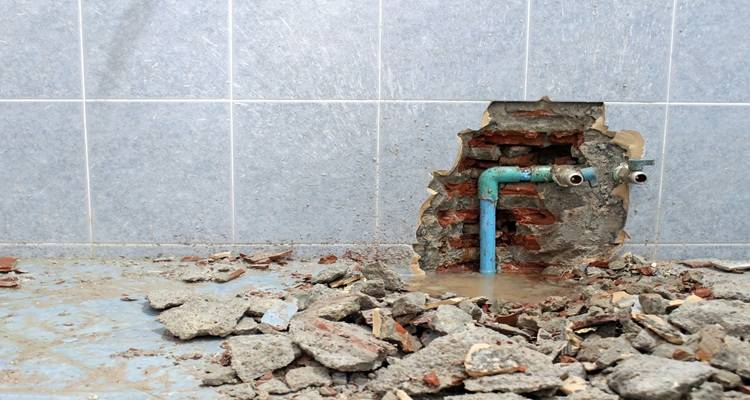
There may also be hidden damage that isn't immediately visible.
If water has reached electrical installations, avoid attempting electrical repairs yourself. Appropriate electrical advice may be required before the affected area can be used safely.
Does Home Insurance Cover Burst Pipes?
Home insurance may cover some of the costs associated with a burst pipe, but this depends on your individual policy.
Insurers may distinguish between:
- Repairing the damaged pipe itself
- Damage caused by escaping water
- Trace and access costs
- Frozen-pipe claims
- Maintenance-related issues
Some policies cover damage caused by escaping water but don't cover the cost of repairing the damaged pipe itself.
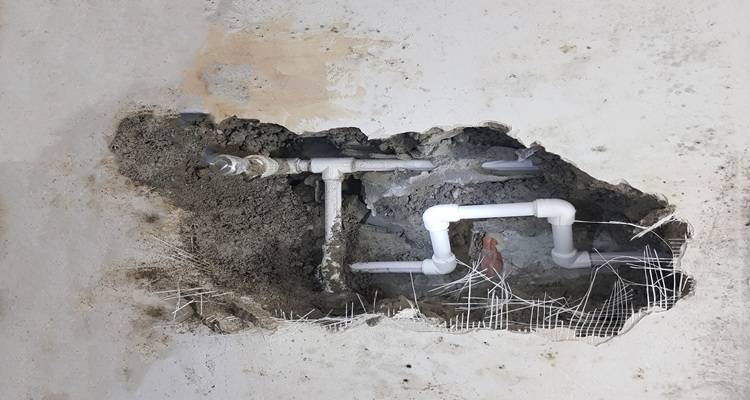
Trace and access cover may also help pay for locating a hidden leak and accessing the affected pipework.
However, exclusions can apply where damage is linked to poor maintenance or long-term deterioration.
Always check your individual policy wording to confirm what is and isn't covered.
How Can I Prevent Burst Pipes?
You can't eliminate the risk of a burst pipe completely, but there are several ways to reduce the likelihood of one occurring.
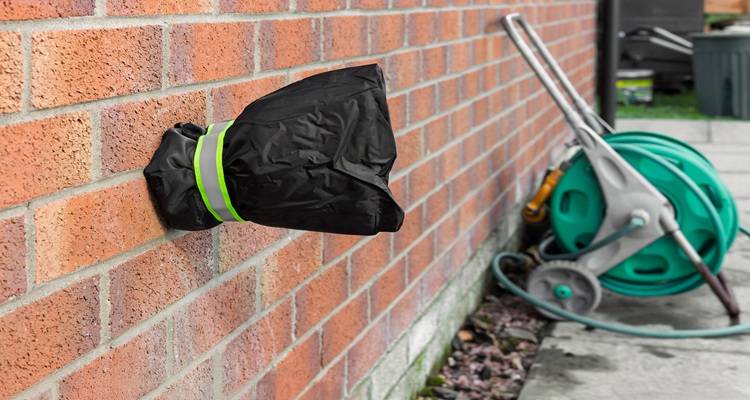
These include:
- Insulating exposed pipework
- Protecting pipes in lofts and garages
- Maintaining reasonable heating during cold weather
- Repairing dripping taps and damaged plumbing promptly
- Knowing where your stopcock is located
- Regularly checking visible pipework for deterioration
- Preparing plumbing systems before leaving a property empty for an extended period
Installing suitable pipe insulation is one of the simplest ways to reduce the risk of pipes freezing during cold weather.
What Does a Burst Pipe Repair Quote Include?
Before accepting a quote, check exactly what's included in the price.
A quote may include:
- Call-out charge
- Labour
- Replacement pipework
- Fittings and connectors
- Leak detection
- Access work
- Making good walls, floors or ceilings
- Waste removal
- VAT
You should also check whether emergency surcharges apply for evening, overnight, weekend or bank holiday work.
If the repair isn't an urgent emergency, obtaining up to three quotes from MyJobQuote can help you compare prices before arranging the work.
FAQs
How much does it cost to repair a burst pipe?
Many straightforward burst pipe repairs cost around £100-£500. However, emergency attendance, difficult-to-access pipework and extensive damage can increase the overall price considerably.
How much does an emergency plumber charge for a burst pipe?
Emergency call-out fees often range from £80-£180. Labour and materials may be charged separately, so check what's included when arranging the appointment.
How long does a burst pipe take to repair?
An accessible burst pipe may take around one to two hours to repair. Hidden or difficult-to-access pipework can take considerably longer.
Who should I call for a burst pipe?
A plumber is usually the first person to contact if you have or suspect a burst pipe. If escaping water has caused damage elsewhere in your home, additional trades may be required once the plumbing problem has been resolved.
Does home insurance cover burst pipes?
Home insurance may cover some types of damage caused by escaping water, but cover varies between policies. Check your individual policy wording to find out what's included.
What should I do immediately after a pipe bursts?
Turn off the water supply if it's safe to do so, move possessions away from the affected area and contact a plumber as soon as possible. Avoid electrical fittings or appliances that have come into contact with water.
Can a frozen pipe burst?
Yes. Water expands when it freezes, placing pressure on the pipe walls. This can cause the pipe to split or burst.
How can I tell where a pipe has burst?
Signs can include damp patches, water stains, reduced water pressure, unusual running-water sounds and visible leaks. If the source isn't obvious, leak detection may be needed to locate the damaged section.