Builders
 Carpenters
 Electricians
 Flooring Specialists
 Gardeners
 Handymen
 Heating Engineers
 Painters & Decorators
 Plasterers & Renderers
 Plumbers
 Roofers
 Tilers
 my
myDry Verge System Cost
At a Glance
- The average cost of installing a dry verge system is around £1,000.
- Most jobs take 1 to 2 days to complete.
- Dry verge system installation costs in 2026 by roof size and job type.
- What impacts the price you're quoted.
- How to find and hire a dry verge installer using MyJobQuote.
Get free estimates
Are you a trade? Get more work today!
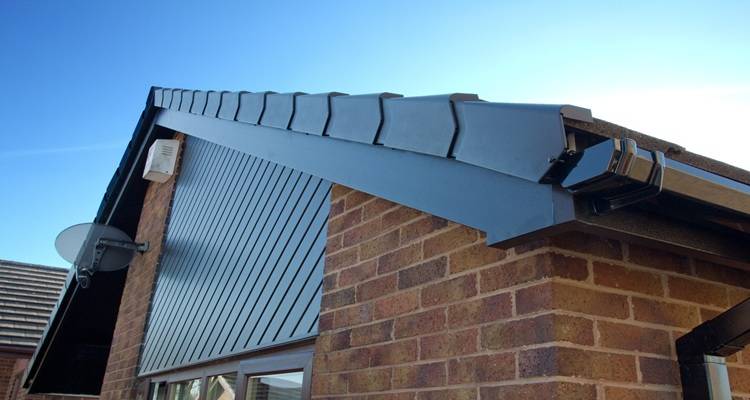
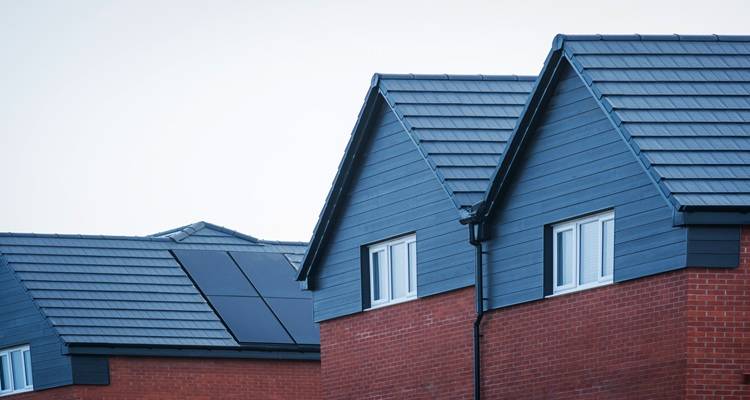
A dry verge system is a low-maintenance way to protect the edge of a pitched roof. It replaces traditional mortar with mechanically fixed caps that help secure roof tiles and create a neat, weatherproof finish.
Many homeowners choose a dry verge system because mortar can crack and crumble over time, especially after bad weather. This guide covers the average dry verge system installation cost in 2026, along with the main factors that affect the price.
£1,000
Table of Contents
- How Much Does Dry Verge Installation Cost?
- How Much Do Dry Verge Installers Cost? (Labour Only)
- Supply Cost of Dry Verge System
- Additional Dry Verge Installation Costs
- What Impacts the Cost of Dry Verge System Installation?
- Types of Dry Verge System
- Alternative Types of Verge Finishes
- Checklist: Hiring a Roofer for Dry Verge System Installation
- FAQs
How Much Does Dry Verge Installation Cost?
The average cost of a dry verge system installation in the UK usually falls between £500 and £2,000. This is a broad range, as prices depend on the size of the roof, the condition of the existing verge, and how easy the roof is to access.
Which type of dry verge system are you considering?
Universal dry verge system
4 votes - 40%40% of votes
Interlocking tile system
5 votes - 50%50% of votes
System for plain tiles
0 votes - 0%0% of votes
Over-fascia and undercloak system
1 votes - 10%10% of votes

10 votes
See results
Hide results
A small, straightforward job on a semi-detached home tends to sit at the lower end. A larger detached property with longer verge runs and scaffolding needed will push the price towards the top of the range.
| Property Size | Average Price | Timescale |
|---|---|---|
| Small roof (porch, bungalow, or short verge runs) | £400–£800 | 1 day |
| Standard semi-detached house | £500–£1,500 | 1 to 2 days |
| Large detached house or complex roof | £1,200–£2,500+ | 2 to 3 days |
Want a custom price?
Post your job
These figures cover the full job, including materials and hiring a roofing contractor.
How Much Do Dry Verge Installers Cost? (Labour Only)
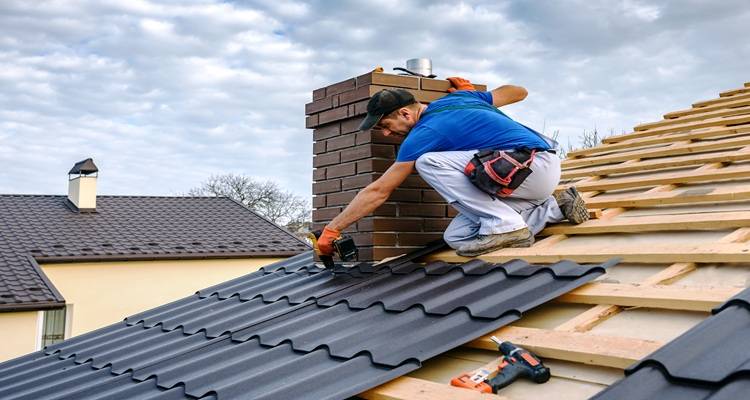
Labour is one of the biggest parts of the overall dry verge system cost. This work is usually carried out by a roofer or a specialist experienced in dry fix systems.
| Labour Type | Average Price |
|---|---|
| Roofer (day rate) | £180–£300 per day |
| Specialist roofing contractor (day rate) | £250–£400 per day |
| Labour-only installation (you supply materials) | £200–£450 per day |
Want a custom price?
Post your job
Timescales for Dry Verge System Installation
Most dry verge installations are quick compared to other roofing jobs:
- Small roof: 1 day.
- Average semi-detached house: 1 to 2 days.
- Large or more complex roof: 2 to 3 days.
Delays are usually down to bad weather, scaffolding not being ready, hidden roof damage, or having to source replacement tiles.
Supply Cost of Dry Verge System
The materials that are used in a dry verge system installation are fairly obvious. However, the quality and brand that you choose can make a big difference in the overall dry verge system cost.
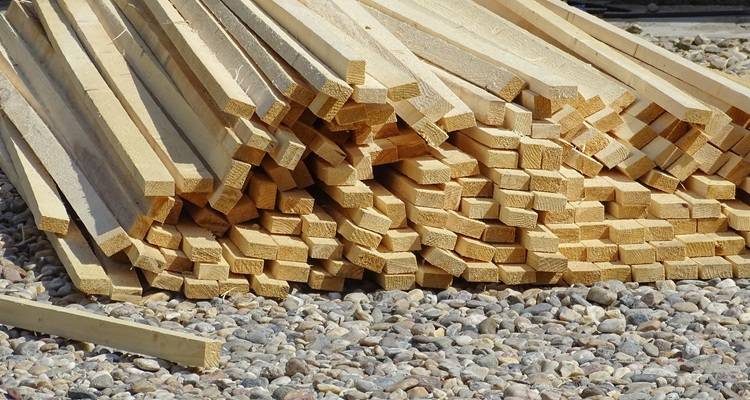
You may need the following materials for this type of work:
- Dry verge caps or verge units.
- Starter and end caps.
- Fixing clips and screws.
- Support trays or carrier systems.
- Verge interlocking sections.
- Replacement verge tiles (if needed).
- Roof batten repair materials.
- Underlay edge protection (in some cases).
Typical supply costs for most UK homes are:
- Basic dry verge system materials: £150 to £300.
- Mid-range branded system: £250 to £500.
- Premium or heavy-duty system: £500 to £900+.
The total will depend on the size of the roof and the length of the verge. A larger detached house may need a lot more materials than a smaller roof.
The following things can usually affect the prices of the supplies:
- Length of roof verge.
- Type of tiles (concrete, clay, interlocking profiles).
- Whether the existing tiles can be reused.
- The brand and quality chosen.
- Any additional repairs required during installation.
Cheaper systems can look appealing at first. But in some cases, they may not last as long or fit as securely. That can lead to future maintenance costs, which offset any initial savings.
Additional Dry Verge Installation Costs
Beyond the standard installation price, a few extra costs are common with this type of job.
| Extra Cost | Average Price |
|---|---|
| Remove old mortar verge | £200–£600 |
| Replacement verge tiles | £15–£40 per tile |
| Scaffold hire | £300–£1,200+ |
| Skip hire/waste removal | £100–£300 |
Want a custom price?
Post your job
Removing the Old Mortar Verge
If your roof currently has a mortar verge, this usually needs removing before a dry verge system can be fitted. The roofer will typically break away the old mortar, lift or loosen verge tiles where needed, and clear away debris. This stage can take longer, and cost more, if the mortar is thick or hard to remove, or if tiles are at risk of breaking in the process.
Hidden Repairs
Removing the old mortar can also reveal problems that weren't visible beforehand, including:
- Cracked or slipped roof tiles.
- Damp or weakened battens.
- Torn or slipped underlay.
These issues aren't always included in the original quote, so it's worth keeping a contingency budget of around 10% to 20% extra in case any problems come up.
Scaffolding and Waste Removal
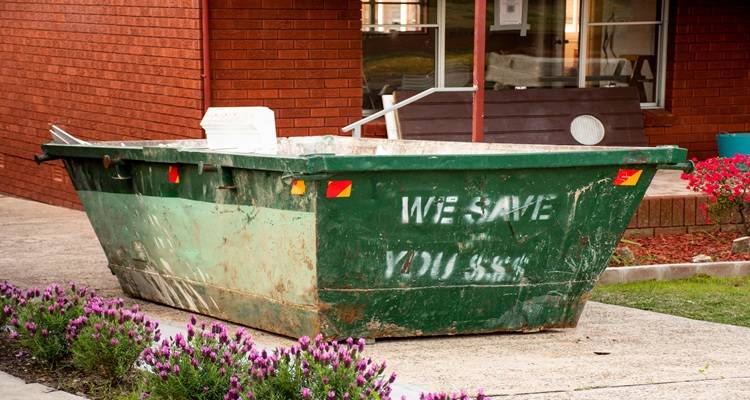
Two-storey properties will often need scaffolding hire for safe access, which can add several hundred pounds to the total. If the old verge needs stripping out, you may also need skip hire to clear the waste, depending on how much your roofer's quote already covers.
What Impacts the Cost of Dry Verge System Installation?
The final cost of installing a dry verge system can vary quite a bit from one property to another. Even two houses that look similar from the outside can end up with very different quotes once the roofer gets up on the roof and checks the verge properly.
Size of Roof and Length of Verge
This is the biggest factor. The longer the verge, the more materials and labour are needed. A small bungalow may only need a short run of verge protection, while a large detached house could have double or triple the length to cover.
Roof Height and Access
Two-storey and three-storey properties will often need scaffolding, which adds to the overall price. Small gardens, conservatories, or extensions can also make access harder, so the job takes longer and costs more.
Condition of the Existing Verge
If the old mortar is already cracked or falling away, it will usually need removing before the new system can be fitted, which adds to the labour time and overall cost.
Type and Quality of the Dry Verge System
Not all systems are the same. Cheaper kits can lower the upfront costs, but higher-quality systems tend to last longer and fit more securely.
Premium dry verge systems will often cost more but may reduce the maintenance over time. For many homeowners, that makes the extra cost worth it.
Labour Rates and Location
Where you live matters too. Those based in and around the London area can expect to pay more for the labour side of the job than those based in the North or other parts of the UK. This is because labour is generally more expensive in these areas across the board.
Part of a Larger Roofing Job
If the dry verge system installation is done alongside other work, such as a full roof replacement, the price per job may be lower overall. Roofers will often combine tasks to help reduce setup time.
Ask a Trade
Got a question that only a tradesperson can answer? We have thousands of trades ready to answer any question you may have.
Ask your question

Types of Dry Verge System
There are several different types of dry verge systems available. The one you choose can affect both the dry verge system price and long-term durability.
Universal Dry Verge Systems
These are designed to fit most types of roofs. They are very commonly used in domestic roofing work.
- Flexible and adaptable
- Suitable for many standard roofs
- Mid-range pricing
These are usually the most common choices for homeowners.
Interlocking Tile Dry Verge Systems
These systems are designed to interlock with specific types of tiles.
- Very secure fit.
- Strong wind resistance.
- More precise installation is required.
These can cost slightly more due to the compatibility requirements.
Systems for Plain Tiles
Older homes or heritage-style properties will often use plain tiles. These types require specialised verge systems.
- Designed for smaller tiles.
- More labour-intensive to install.
- Higher material cost in some cases.
Over-Fascia and Undercloak Systems
These involve a more integrated roof edge solution rather than just verge caps.
- Often used in full roof refurbishments
- Higher durability
- More complex installation
These systems can result in higher costs for installing a dry verge system. However, they tend to last longer and will perform much better in exposed areas.
Alternative Types of Verge Finishes
A dry verge system is not the only option for finishing the edge of a roof. It is a good idea to compare it with some other methods before making a decision.
Below is a list of some alternatives that you may want to consider for your home:
Traditional Mortar Verge
This is the traditional method, using sand and cement.
Pros
- ✔ Cheap to install initially.
- ✔ Common and widely understood.
Cons
- ✖ Cracks over time.
- ✖ Requires regular maintenance.
- ✖ Can fall out in extreme weather.
The upfront price of this is lower, but ongoing roof repair costs can make it more expensive in the long run.
Wet Verge Repairs
This involves repairing or patching the existing mortar rather than replacing it fully.
Pros
- ✔ Lower initial cost than a full replacement.
- ✔ Quick to carry out for minor damage.
Cons
- ✖ Only a short-term fix.
- ✖ Doesn't resolve long-term deterioration.
Other Dry Fix Systems
Dry verge is part of a wider range of dry roofing systems, including dry ridge systems and clip-fix tile systems. These are becoming more popular, as they reduce maintenance and improve weather resistance compared with mortar-based finishes.
Checklist: Hiring a Roofer for Dry Verge System Installation
Here are some key things to consider before hiring a roofer for this job:
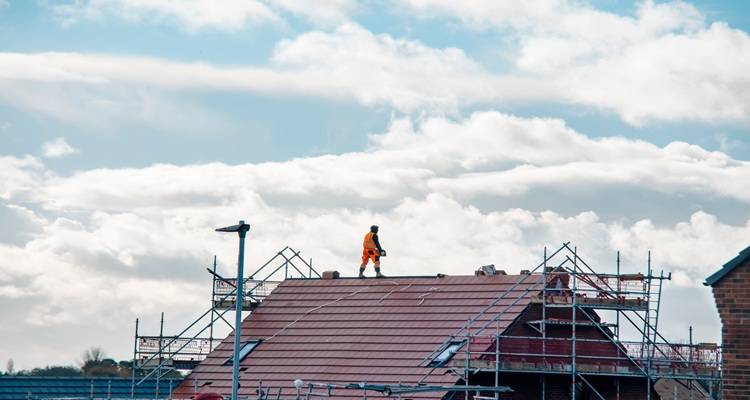
- How much experience do they have with dry verge systems? Look for a roofer who's fitted dry verge systems before and can show examples of previous work.
- Are they an experienced roofer rather than a general handyman? Dry verge installation should be carried out by someone with dedicated roofing experience.
- Do they have public liability insurance? This covers you if anything goes wrong during the work.
- Does the quote explain exactly what's included? Check whether removing old mortar, waste disposal, and any repairs are covered in the price.
- Do they offer a guarantee on their work? Ask how long the guarantee lasts and what it covers.
- Do they have positive reviews? Check their MyJobQuote profile to see what other homeowners say about their work.
FAQs
Can You Fit a Dry Verge System on an Existing Roof?
Yes, a dry verge system can be retrofitted onto most existing pitched roofs. Any old mortar verge will usually need to be removed first, and the roofer will check that your existing tiles are compatible with the new system before fitting it.
How Long Does a Dry Verge System Last?
A well-installed dry verge system will typically last 20 to 30 years or more, depending on the quality of the materials used and how well it's fitted. This is generally longer than a traditional mortar verge, which needs more frequent repairs.
Which Is Better, a Dry Verge System or a Mortar Verge?
For most modern homes, a dry verge system is the better option. It's usually more durable, needs less maintenance, and is less likely to crack or fail in bad weather compared with traditional mortar.
Can Old Verge Tiles Be Reused?
Sometimes. If the existing tiles are in good condition and compatible with the new system, they can often be reused. Damaged or worn tiles will usually need replacing.
Do I Need Planning Permission for a Dry Verge System?
In most cases, no. Installing a dry verge system is considered maintenance work, so it doesn't usually need planning permission or building regulations approval. Exceptions can apply for listed buildings, conservation areas, or if the work is part of a larger structural change. If you're unsure, check with your local authority or ask your roofer for advice.