Builders
 Carpenters
 Electricians
 Flooring Specialists
 Gardeners
 Handymen
 Heating Engineers
 Painters & Decorators
 Plasterers & Renderers
 Plumbers
 Roofers
 Tilers
 my
myPlaster Cost Calculator
Plaster costs can vary quite dramatically based on the size of the room you are plastering, the current state of the walls and the location of your home or building. This is why a single or average price is rarely used by any plasterer.
In fact, two rooms of the same size can vary quite a lot in price once you factor in what standard of finish is required, from a light skim to a full strip back to bare brick.
This calculator will take the size of the room, the type of finish, the condition of the wall and the location of your home and then turn them into a personalised estimate that you can budget with.
Plastering Cost Calculator
Table of Contents
How to Use This Plaster Cost Calculator
First, enter the approximate dimensions of the room, being as accurate as possible. Next, choose the level of finish you require, the current condition of the walls and the location of your home.
From here, the calculator will give you a rough estimate instantly. This figure can then be used as a starting point for budgeting, bearing in mind that the final price will depend on the plasterer you choose.
They will need to review the room in person before providing a final quote.
Room Size
Room size is one of the simplest pieces of information to provide. For a guide price, this does not need to be exact to the millimetre, but an approximate wall and ceiling area is fine. The calculator is designed to handle a reasonable range while still offering a useful estimate.
Larger rooms can work out slightly cheaper in terms of cost per metre than smaller ones. This is because the time spent setting up, mixing and cleaning is often similar whether the room is 10m2 or 25m2. This fixed overhead is spread across more work in bigger rooms, lowering the rate per metre.
Job Type
This is usually the biggest factor affecting the overall cost, as it determines how much material and labour will be needed.
- Skim - This is a thin layer of plaster added to existing plaster, usually around 2mm-3mm. This is usually the cheapest option, as it can be completed quickly and requires less plaster than other types of work. The cost is typically between £12-£22 per m2, including labour and materials. Skimming is ideal for improving cracked, tired or freshly boarded rooms.
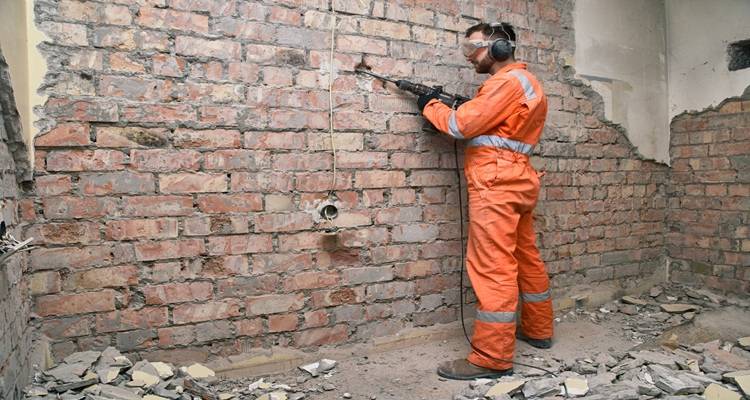
- Full Replaster - This involves stripping the wall back to bare brick or block before applying a backing coat and a finishing skim. This is needed when the existing plaster is beyond repair and a fresh plaster finish is required. It is more expensive due to the extra materials, longer labour time and drying time between coats. You can expect to pay between £20-£35 per m2 for this type of job.
- Plasterboard and Skim - This involves fixing new plasterboard to the walls and then applying a skim coat on top. It is often used in extensions or rooms where the existing surfaces are beyond repair. Price-wise, it is similar to a full replaster at around £20-£35 per m2, but it usually dries much quicker than a traditional backing coat.
Wall Condition
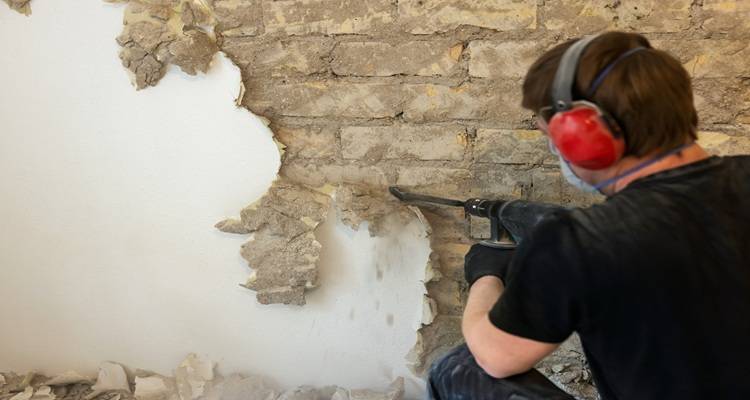
The condition of the existing wall will affect how much preparation work is needed before any plaster is applied. Blown plaster, where the surface has detached from the wall behind it, will need to be removed and rebuilt rather than skimmed over.
Cracked walls may need filling or scrim tape across the joints to help prevent cracks from reappearing through the new finish. Walls affected by damp usually need more preparation, as the source of the damp must be fixed before plastering begins.
Once the damp issue has been resolved, the plasterer may use a different backing material to manage any remaining moisture in the walls. Each of these issues adds preparation time on top of the plastering itself, which is why the calculator asks about wall condition separately from job type.
Additional Services
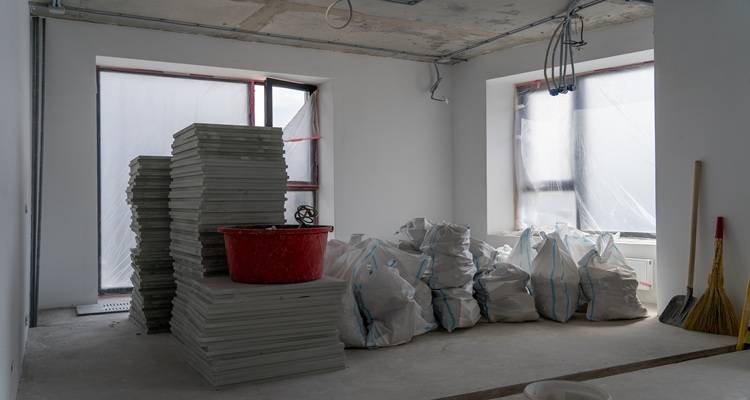
A few optional extras may appear alongside plastering jobs. Removing old plaster creates a blank canvas for a full replaster, but it also adds labour time and waste disposal costs.
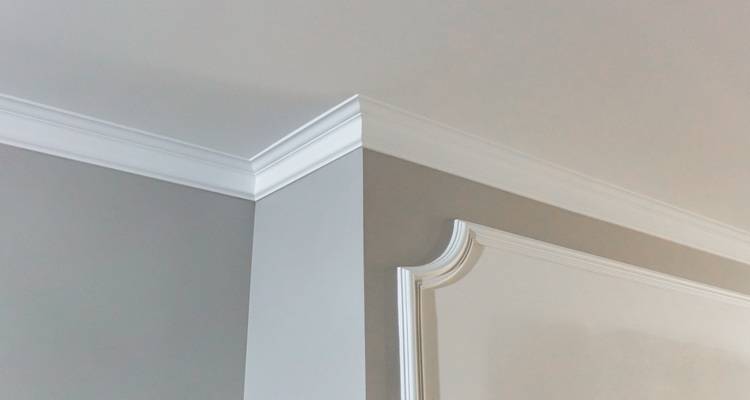
Plasterboard fitting may also be completed separately, particularly if the boards need to be fitted long before the room is ready to be skimmed. Coving can add a decorative finish where the wall meets the ceiling and is usually charged per metre rather than per m2.
Ceiling work is generally priced higher than wall work because working overhead is more difficult and physically demanding.
Regional Price Differences
The cost of labour across the UK varies quite a lot from area to area. London and the South East usually attract higher rates than areas in the North, largely due to higher living costs and higher demand for tradespeople.
This is why the calculator asks for your location, as it helps provide an estimate that is more typical for your area. In some cases, the difference can be several hundred pounds.
Why Do We Include Labour Costs?
Materials are not the only part of the overall cost. Plastering is a skilled trade that requires experience to achieve a smooth, long-lasting finish.
For example, a wall that is floated and skimmed correctly should result in a flat, clean surface that is ready for decorating. This involves the correct application method, the right mixing ratios and careful finishing.
That is why our estimate includes labour rather than just the cost of plaster and boards. Labour is often the biggest factor in the final price and has a major impact on how well the finish lasts.
Ready to Get a Quote?
The figure from this calculator will give you a useful starting point for your budget. The actual cost of your project will depend on all the factors covered in this guide, including room size, wall condition, job type and location.
Once you have your estimate, the next step is to get quotes from plasterers local to you. This allows you to compare real prices against your budget and get your job booked in with confidence.
Last updated by MyJobQuote on 5th August 2026.