Builders
 Carpenters
 Electricians
 Flooring Specialists
 Gardeners
 Handymen
 Heating Engineers
 Painters & Decorators
 Plasterers & Renderers
 Plumbers
 Roofers
 Tilers
 my
myAsk a Trade
Got a question that only a tradesperson can answer? We have thousands of trades ready to answer any question you may have.
Ask your question
If you're planning any electrical upgrades to your home and are either concerned about your home's wiring or just don't know what condition it is in, you may also be considering the cost of a new consumer unit.
The average cost to replace a consumer unit in the UK ranges from £350 to £850 for a standard domestic property. For your typical 3-bedroom semi-detached house, you will likely pay between £480 and £640, which will include all of the labour, materials, testing, and certification.
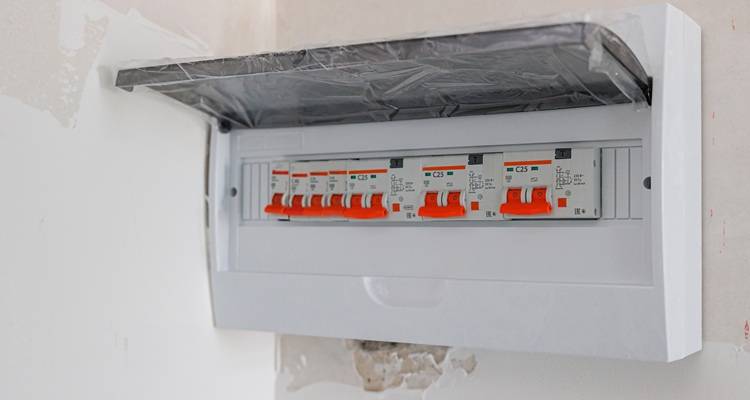
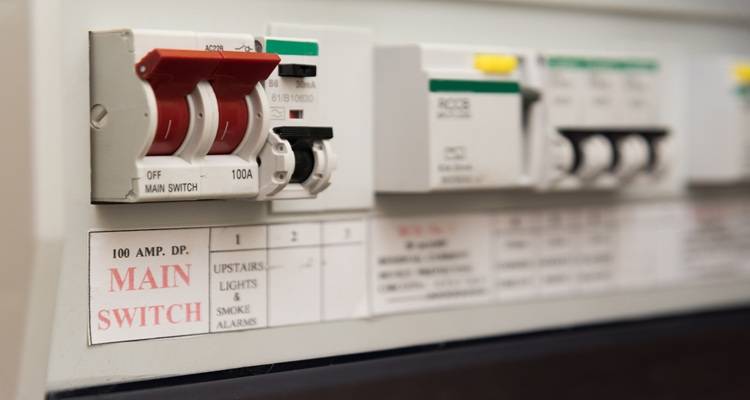
A consumer unit, which is also often referred to as a fuse box, is the main control centre for all of the electrics in your home. Essentially, it distributes electricity to different points and circuits around your home and protects them with safety devices that cut power if a fault occurs.
Typically, homeowners will replace a consumer unit because it is outdated and no longer compliant with current regulations. Additionally, you may want to replace your consumer unit if it frequently trips or has reached capacity, which means no further circuits can be added to it.
If you're planning a renovation, extension, or simply upgrading for safety, our consumer unit replacement cost calculator can help you estimate the likely price of the job before you request a quote.
Our cost calculator provides a quick, easy way to estimate the likely cost of replacing a consumer unit in your home. By entering a few simple details above, you will receive results based on typical UK installation costs.
The calculator provides an estimate only. An accurate quote will require a qualified electrician to visit your property, inspect the existing installation, and confirm any additional work required.
If you're ready to speak with a professional, visit our electrician services page to connect with tradespeople in your area.

There are several key factors that will influence the total consumer unit replacement cost, which is why you should always get and compare quotes from local electricians before going ahead.
The actual quote you receive may land above the calculator's estimate based on these factors:
The more circuits your home has, the larger and more complex the unit required. A small flat may have 6 to 8 circuits, while a larger house could have as many as 12 or even more.
There are two common modern setups in the UK:
RCBO (residual current breaker with overcurrent protection) boards reduce excessive circuit trips and provide improved safety, which may justify the higher upfront cost of the new consumer unit. Your electrician can advise on which best suits your needs and your budget.
If the existing unit is difficult to access or requires relocation, labour time increases, and therefore the cost does too.
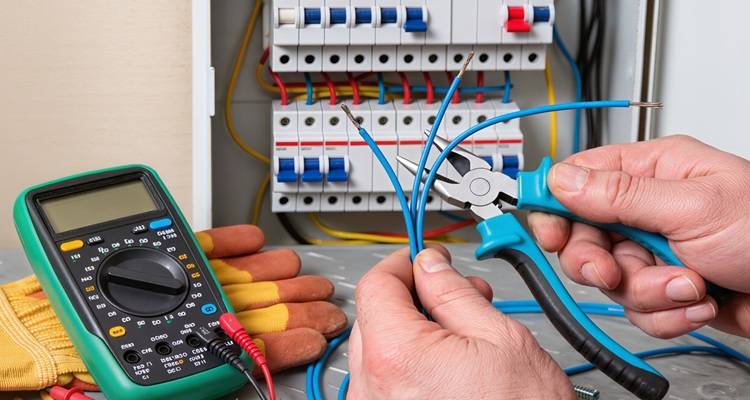
The condition of your existing wiring and circuitry is crucial to assessing whether it meets the current safety standards. If faults are discovered during testing, repairs may be required before certification can be issued. This is not something that's easy for homeowners to determine on their own.
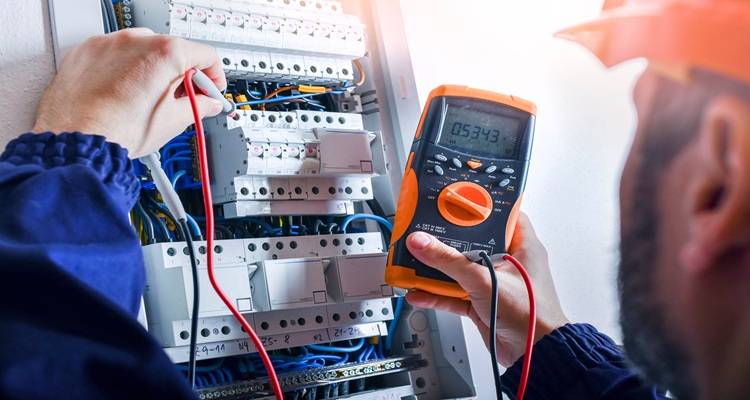
Replacing a consumer unit requires full inspection and testing of all circuits, and upon completion, you should receive:
Of course, the most crucial part of any home improvement for a homeowner is the cost. Remember, you can use our calculator to get an instant estimate, and then request a tailored quote from a qualified electrician. Hiring a registered professional ensures:
If you're planning an electrical consumer unit upgrade, it is always advisable to obtain multiple quotes to ensure you receive competitive pricing and clarity on what's included.
Always ensure the electrician has seen the property and inspected the existing fuse box and wiring before giving a quote, that they know where the new consumer unit will be installed (if it needs moving), and if you are planning any work that may require additional circuits, such as installing an electric vehicle (EV) charger or building an extension.
Last updated by MyJobQuote on 4th August 2026.
Real prices from real homeowners
We use hundreds of thousands of real homeowner quotes submitted to MyJobQuote to provide the pricing data on this page.
Last updated 04/08/26.



Just got my oven which has a plug on it my old oven was hard wired can i take the plug off and just wire it into the box...
Our old wired doorbell has stopped working entirely. Would an electrician charge much to fit a new one or is this the so...
I've bought a couple of wall lights for the front of the house. Roughly what would an electrician charge to wire them in...
We've bought an insinkerator for the new kitchen but the fitter won't touch it. what would a tradesman charge for the in...
New extractor fan went in with the bathroom a few weeks ago and it carries on running for ages after we turn the light o...
Our fire alarm panel is due its service for our shop and the previous owner apparently had it done twice a year. What is...
Copyright 2026 MyJobQuote.co.uk. All rights reserved
Privacy Policy | Terms and Conditions | Sitemap
MyJobQuote.co.uk is rated 4.68 stars by reviews.co.uk based on 4113 reviews