Builders
 Carpenters
 Electricians
 Flooring Specialists
 Gardeners
 Handymen
 Heating Engineers
 Painters & Decorators
 Plasterers & Renderers
 Plumbers
 Roofers
 Tilers
 my
myKitchen Wrapping Cost
At a Glance
- The average cost of kitchen wrapping is £500 to £2,500
- Most jobs take 1 and 5 days to complete
- Kitchen wrapping costs by size of kitchen
- How long the job takes and what's typically involved
- How to find a local kitchen wrapping specialist using MyJobQuote
Get free estimates
Are you a trade? Get more work today!
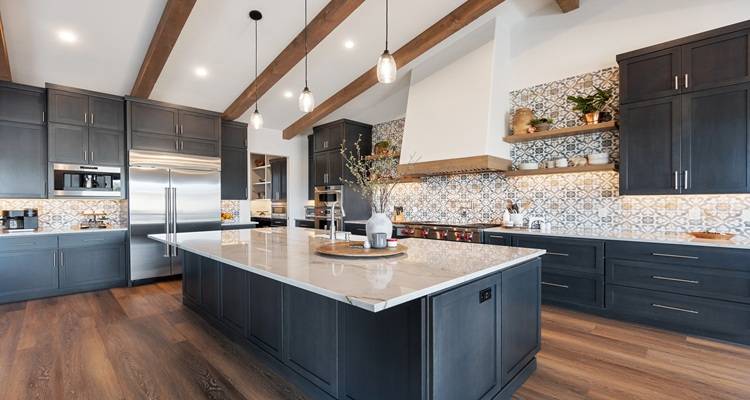
Wrapping a kitchen is a practical way for homeowners to give their kitchen a makeover without the hassle of a full-on refurb. Applied directly over existing units, doors and worktops, it transforms the space without the need to rip out the old kitchen.
A full kitchen re-wrap on average costs around £2,500, making it more cost-effective than a complete rip-out & re-fit.
It is recommended to hire a professional for this job, especially around edges, corners & fixtures where accuracy is important.
With MyJobQuote, you can request quotes from kitchen specialists near you. It's fast, free, and there's no pressure to go ahead.
£2,500
Table of Contents
- How Much is Kitchen Wrapping?
- Labour Costs and Timescales for Kitchen Wrapping
- Kitchen Wrapping Supply Costs
- Additional Costs of Kitchen Wrapping
- Cost Factors for Kitchen Wrapping
- Benefits of Kitchen Wrapping
- Building Regulations Related to Kitchen Wrapping
- Types of Kitchen Vinyl Wrap Finishes
- Alternative Types of Kitchen Refurbishment
- Checklist: Hiring a Kitchen Specialist to Wrap Your Kitchen
- Removing Kitchen Wrap: Considerations and Costs
- FAQs
How Much is Kitchen Wrapping?
On average, kitchen wrapping costs around £2,500 and provides a simple refresh without the cost of a full-scale kitchen remodel.
Kitchen worktop wrap costs from around £500, while the cost of wrapping kitchen cabinets starts from around £1,200.
The cost of wrapping your kitchen will vary depending on a number of factors, which can include the size of the kitchen, the number of units that require wrapping and the type of vinyl wrapping that you have chosen.
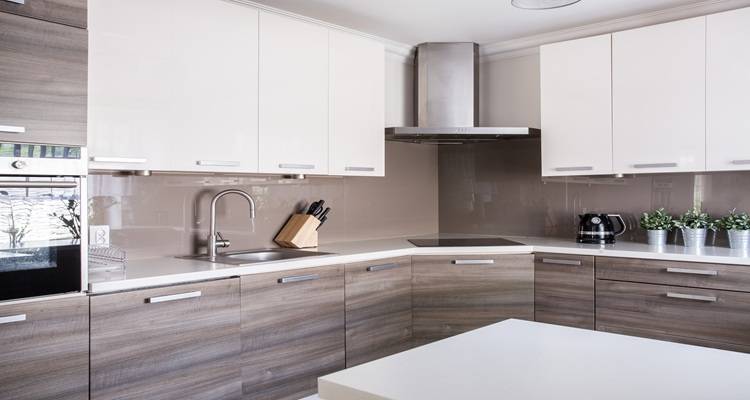
Kitchen wrapping will always be more cost-effective than a full refit, which can cost as much as £10,000, but it is still more expensive than simply painting the kitchen walls and adding some new fixtures and fittings.
The table below breaks this down in more detail:
Kitchen Wrapping Prices
| Painting Job | Cost |
|---|---|
| Small kitchen (8-10 units) | £1,500-£2,000 |
| Medium kitchen (10-15 units) | £2,000-£2,800 |
| Large kitchen (15+ units) | £2,800-£4,000 |
| Worktops only | £500-£1,000 |
| Cupboards only | £1,200-£2,000 |
| Labour-only | £15-£30 per unit |
Want a custom price?
Post your job
Labour Costs and Timescales for Kitchen Wrapping
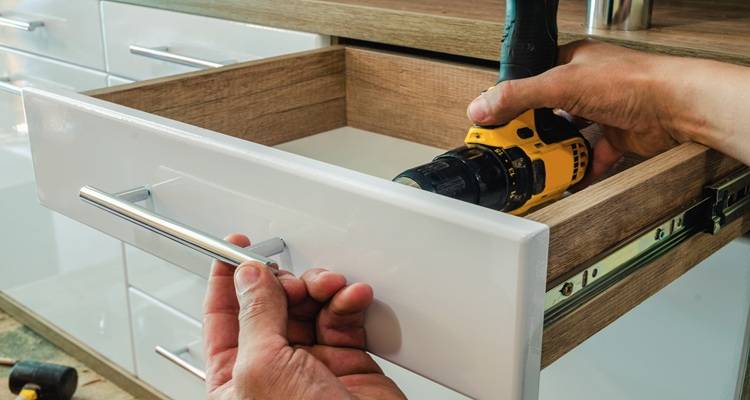
The cost of hiring a professional to carry out the installation of kitchen wrapping will depend on the size and complexity of the kitchen.
Professional installers will charge either a rate per project or a quote per unit. This labour cost will include the preparation of the surfaces, the removal of handles and hinges, precise cutting and installation, and the final smoothing.
While DIY wrapping can reduce labour costs, it is often more time-consuming and may result in a much lower-quality finish.
| Kitchen Size | Duration | Labour Cost |
|---|---|---|
| Small kitchen | 1-2 days | £15-£30 per unit |
| Medium kitchen | 2-3 days | £15-£30 per unit |
| Large kitchen | 3-5 days | £15-£30 per unit |
| Full package | 1-5 days | £1,500-£4,000 |
Want a custom price?
Post your job
Kitchen Wrapping Supply Costs
There are several materials available for kitchen wrapping. The more complex the vinyl wrap, the more costly it is likely to be, with simple matt finishes on the cheaper end and wooden or marble effect versions on the higher end. Proper preparation is also essential, as improper preparation can lead to bubbling, ripping or lifting over time.

Vinyl wrap is available in a range of finishes, including:
- Matt
- Gloss
- Textured
- Wood effect
- Marble effect
Kitchen Door Wrapping Costs
On average, kitchen door wrapping costs are £70 to £120 per door in supplies, which, while higher than the supply cost of replacement kitchen cupboard doors at £40 to £150, wrapping does not require any structural changes to your existing kitchen.
Here are some kitchen door wrapping costs for a full kitchen before labour:
- Small kitchen: £700 to £880
- Medium kitchen: £1,350
- Large kitchen: £2,075 to £2,550
Are vinyl wrapped kitchen doors durable?
"Vinyl Wrapped doors are highly durable, scratch resistant and wont chip, which is perfect for busy households"
Kitchen Cabinets and Worktops
Wrapping your kitchen cabinets and worktops is a fantastic way to totally change the whole vibe of your kitchen without having to replace kitchen worktops or units.
The total cost of wrapping kitchen worktops typically falls between £450 and £850 in supplies.
It will cost about £80 to £150 per cabinet and it will cost about £150 to £350 per worktop section.
Vinyl dressing can be applied to cabinets, drawers, and worktops, giving the space a smooth, seamless look.
Because there are loads of different finishes to choose from (from super modern, matte finishes to proper classic wood effects), you can find one that's just right for your kitchen.
It is worth noting that heat-resistant vinyl should be used near hobs and ovens.
Additional Costs of Kitchen Wrapping
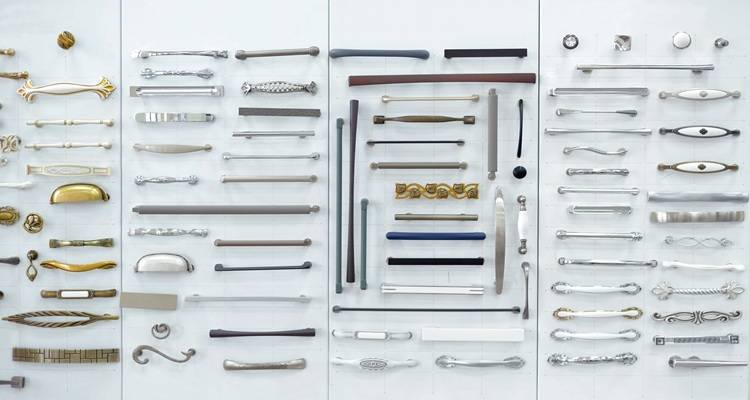
As with any home improvement work, there are always some potential additional costs that crop up at some point. With kitchen wrapping, there are a few different things that can require a little more attention, thus driving the price up slightly:
- The wrapping of internal cabinet edges and curved surfaces is a little more complex and may require a little more time and labour.
- Replacement of any handles or hinges that don’t suit the new decor.
- Repairing any damaged areas of the worktops or units before the installation can be completed.
- Waste disposal where vinyl off-cuts and other materials may need disposing of. For larger jobs, you may need to look at renting a small skip.
Cost Factors for Kitchen Wrapping
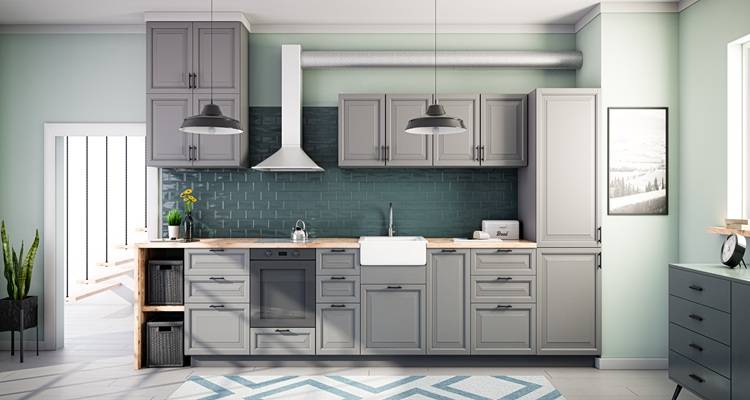
There are several different factors that can impact the overall cost of kitchen wrapping:
- Number of Units and Drawers — The number of kitchen units and drawers will be the main defining factor in price.
- Type of Vinyl — Matte is on the cheaper end, with high gloss and effect vinyl on the upper end.
- Complexity of Units — Consider whether your units feature curves or unique shapes, as this will impact the overall cost.
- Appliances and Worktops — If you are looking to have appliances and worktops included in the wrapping, you will need to factor these into the price also.
- Condition of Existing Units — If your existing units and tops require some maintenance to bring them back to their best before installation, you will have to consider this too.
- DIY or Professional Installation — Choosing whether to employ a trained installer or complete the project as a DIY job will be a crucial consideration in the overall costing of the job.
Ask a Trade
Got a question that only a tradesperson can answer? We have thousands of trades ready to answer any question you may have.
Ask your question

Benefits of Kitchen Wrapping
There are plenty of reasons why kitchen wrapping has become a popular choice for homeowners:
- Budget-Friendly — It's a budget-friendly option that allows you to refresh your kitchen at a fraction of the cost of a full renovation.
- Heat and Scratch-Resistant — Vinyl wraps are designed to be both heat-resistant and scratch-resistant, making them ideal for busy kitchens where durability is key.
- Eco-Friendly — The process uses your existing cabinets and worktops, it's also an eco-friendly choice that reduces waste.
- Long-Lasting — With proper care, a high-quality kitchen wrap can last up to a decade, providing a long-lasting and practical solution.
- Easy Maintenance — Maintenance is simple—just wipe down with a soft cloth and avoid harsh chemicals to keep your kitchen looking its best.
- Cost-Effective — Kitchen wrapping is a smart, cost-effective alternative to a complete kitchen overhaul.
Building Regulations Related to Kitchen Wrapping
There are no specific building regulations that relate to kitchen wrapping; however, it is important to be aware of some best practices at this stage.
For kitchen wrapping, you should ensure that you select a vinyl that is both moisture and heat-resistant, particularly around cooking appliances.
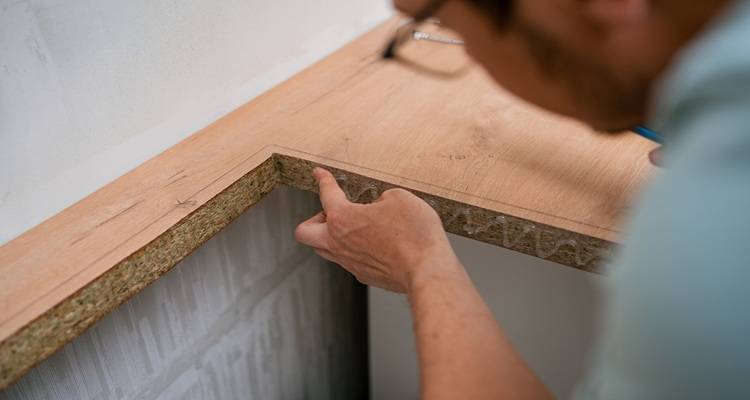
Of course, if there are any modifications to worktops or appliances, the kitchen features must still comply with the general kitchen safety regulations to ensure safety for all inhabitants.
Types of Kitchen Vinyl Wrap Finishes
We’ve mentioned various finishes for kitchen wrapping throughout this guide, but here, we’ll break them down individually.
Matte finish vinyl wrap is a non-reflective and easy-to-clean wrap, ideal for hiding imperfections like scratches and scuffs.
Gloss, on the other hand, offers a sleek and reflective look that can make spaces appear much larger than they are, but it is more difficult to install and requires much more focus to prevent things like bubbling and creasing.
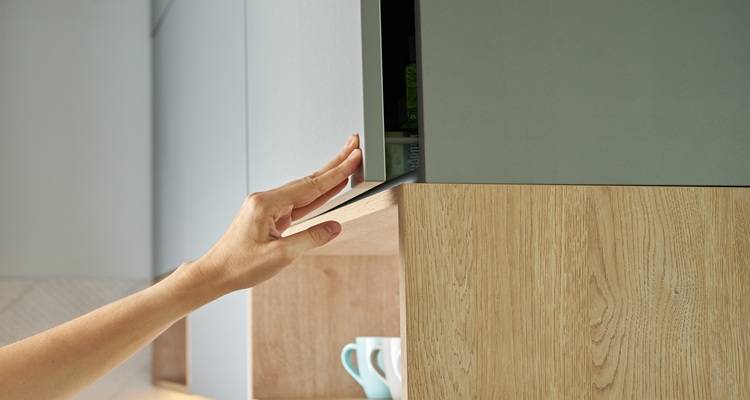
Textured finishes, such as concrete or marble effect, add real depth and a real feel to the wrapping, which makes them incredibly popular.
Metallic vinyl is another decorative option, but these tend to only work well in certain decors and are quite a bit more expensive than other options. As a general rule, a vinyl wrap is easy to maintain and clean.
Alternative Types of Kitchen Refurbishment
If you are still considering some other options for wrapping, there are a few available. Firstly, the repainting of units and cabinets is the most budget-friendly option; however, it may not provide the same level of quality finish that vinyl wrap does, and it may require lots of touch-ups throughout the years.
Replacing the doors only on units is a mid-range option that may limit the cost of a full refit, whilst also providing a brand new feel and finish on the surface.
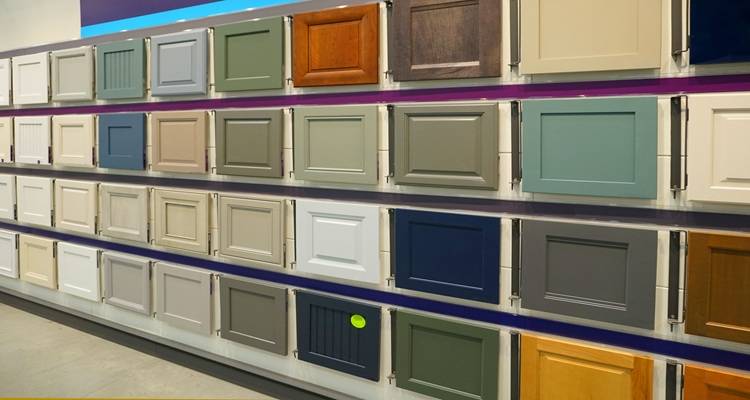
Of course, a full kitchen refit is the ultimate solution, but this takes a lot of time, planning, and a large budget. A final option would be to spray paint the units, which again requires a lot of planning and also a very experienced professional, which will drive the price up to a similar scope as wrapping.
Checklist: Hiring a Kitchen Specialist to Wrap Your Kitchen
- Are they experienced? Ensure they have plenty of experience in wrapping kitchen cabinets, doors and worktops.
- Do they have insurance? Public liability insurance protects you in case of any accidental damage to your kitchen cabinets or worktops.
- Will they use high-quality vinyl? Check that the contractor will use high-quality vinyl that is suitable for your kitchen.
- Will they provide an itemised quote? Ask for a breakdown of kitchen wrapping costs so that you know what is included and whether there are any additional fees.
- What preparation work is included? Be sure to confirm what preparation work is included in your quote.
- Do they offer a warranty or aftercare? Enquire about any assurances in terms of warranty or aftercare services and how long they last.
- Do they have examples of similar work? Ask to see before and after photos or check their MyJobQuote profile for examples of previous kitchen wrapping installations.
- Do they have positive reviews? Check their MyJobQuote profile to read the feedback they have received from previous customers.
Removing Kitchen Wrap: Considerations and Costs
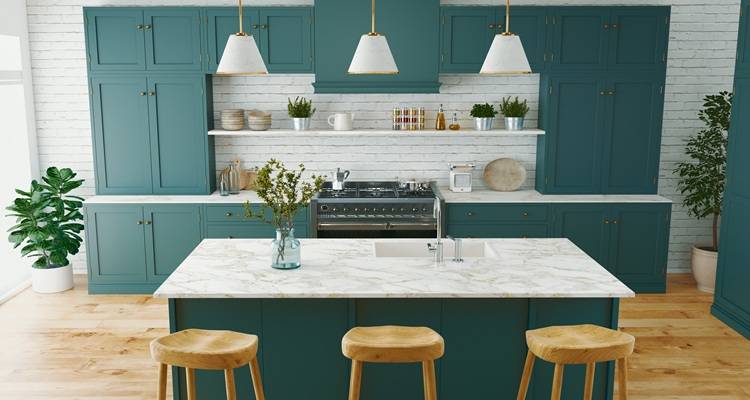
The cost of removal will depend on the size of the kitchen and the condition of the existing wrap, but typically removal costs between £200 and £500 for a full kitchen.
There may arise an occasion where you need to remove the kitchen wrap due to damage, or simply to change the wrap itself to something new. Of course, professional removal is recommended, as it will significantly reduce the risk of damaging the units.
Essentially, the process involves carefully peeling the vinyl away, removing any glue and residue, and then preparing these surfaces for either painting or rewrapping. Some vinyls are easier to remove than others, and this all depends on the age, how long it has been applied for and what the thickness of the wrap is like.
FAQs
How long does kitchen wrap last?
Typically, kitchen wraps will last between 5 and 10 years, but this all depends on the quality of the materials and the quality of the installation.
Can I wrap kitchen cabinets myself?
Yes, you can certainly attempt to wrap units as a DIY project; however, it is always recommended to opt for a professional installation, particularly for complex spaces and high gloss finishes.
Is vinyl wrapping heat-resistant?
The majority of vinyls are both heat- and moisture-resistant, but it is best to do your due diligence and make sure they are.
Can I wrap only the doors and drawers?
Yes, you can choose to only partially wrap, and this is a good way of providing an even more cost-effective solution.