Builders
 Carpenters
 Electricians
 Flooring Specialists
 Gardeners
 Handymen
 Heating Engineers
 Painters & Decorators
 Plasterers & Renderers
 Plumbers
 Roofers
 Tilers
 my
myGreenhouse Installation Cost
At a Glance
- The average cost to build a greenhouse is £200 to £10,000+, depending on size, type, and materials.
- It takes a few hours for a small kit, and up to 7 days for larger builds.
- A breakdown of greenhouse installation prices by size and type.
- The supply, base, glazing, and additional costs involved in building a greenhouse.
- The key cost factors that can affect your total greenhouse installation cost.
- How to use MyJobQuote to compare local greenhouse installers and garden contractors.
Get free estimates
Are you a trade? Get more work today!
£1,800
Table of Contents
- How Much Does Greenhouse Construction Cost?
- Labour Cost to Build a Greenhouse and Timescales
- How Much Does a Greenhouse Cost? (Supply Only)
- Additional Greenhouse Installation Costs
- Factors That Impact Greenhouse Installation Costs
- Cost of Different Types of Greenhouse
- Cost of Alternative Garden Growing Structures
- Checklist: Hiring Contractors for Greenhouse Installation in the UK
- FAQs
How Much Does Greenhouse Construction Cost?
You can expect to pay around £200 to £2,500 for a smaller to medium-sized greenhouse, or around £2,500 to £10,000+ for a larger, timber or custom-built greenhouse. The final greenhouse installation cost will depend on the size, frame material, glazing type, base requirements, additional features, and labour costs.
On a per-metre basis, most greenhouse installations work out at around £100 to £280 per square metre (roughly £10 to £26 per square foot), with larger builds usually sitting towards the lower end of that range per square metre.
What type of greenhouse are you looking to have built?
Aluminium
8 votes - 73%73% of votes
Wooden
2 votes - 18%18% of votes
Lean-to
0 votes - 0%0% of votes
Freestanding
1 votes - 9%9% of votes

11 votes
See results
Hide results
If you are working with a tight budget, a small DIY greenhouse kit is usually the cheapest option. However, if you would prefer a more durable and long-lasting structure, it is often best to choose one that is installed by a professional.
Greenhouse Installation Prices
Below is a table showing the typical greenhouse installation prices in the UK:
| Type of Greenhouse | Average Price | Installation Time |
|---|---|---|
| Small greenhouse kit (DIY, up to 6ft x 6ft) | £200–£600 | 2 to 4 hours |
| Small (6ft x 6ft to 6ft x 8ft) | £500–£1,200 | 4 to 6 hours |
| Medium (8ft x 8ft to 10ft x 12ft) | £1,000–£2,500 | 1 to 2 days |
| Large (10ft x 14ft or larger) | £2,500–£5,000 | 1 to 3 days |
Want a custom price?
Post your job
Greenhouse Installation Cost by Size
Greenhouse prices are usually quoted by size, so it can help to see how common dimensions compare. Below are typical costs for popular greenhouse sizes, including the greenhouse and standard installation:
| Greenhouse Size | Approximate Area | Typical Cost |
|---|---|---|
| 6ft x 4ft | 2.2m² | £250–£600 |
| 6ft x 8ft | 4.5m² | £600–£1,200 |
| 8ft x 10ft | 7.4m² | £1,200–£2,200 |
| 10ft x 12ft | 11.1m² | £2,000–£3,500 |
| 10ft x 20ft | 18.6m² | £3,800–£5,000 |
Want a custom price?
Post your job
Labour Cost to Build a Greenhouse and Timescales
Hiring a professional installer can help ensure the greenhouse is safe, level and securely fixed. Professional installation is especially useful for larger greenhouses, timber greenhouses, custom designs, or any installation that needs base preparation or foundation work.
Total labour costs typically range from around £80 for a small kit to £2,100 or more for a large greenhouse with base or foundation work. Installers usually charge £20 to £50 per hour or £150 to £300 per day, and the final cost will depend on the size of the greenhouse, the type of structure, garden access, location, and whether groundwork is needed.
| Greenhouse Installation Type | Typical Total Labour Cost | Typical Timescale |
|---|---|---|
| Small greenhouse kit | £80–£300 | 4 to 6 hours |
| Medium greenhouse installation | £150–£300 | 1 day |
| Large or custom greenhouse installation | £300–£900 | 2 to 3 days or more |
| Greenhouse with base or foundation work | £450–£2,100, plus groundwork costs | 1 to 7 days, depending on complexity |
Want a custom price?
Post your job
Small greenhouse kits are usually the quickest to install, while larger greenhouses, timber structures and custom-built designs can take longer. Installations that need foundations, ground levelling or extra features such as heating, lighting or irrigation may also increase labour time.
How Much Does a Greenhouse Cost? (Supply Only)
There are several different materials that may be needed to build and install a greenhouse, and these can significantly affect the overall price.
Examples include:
| Supply Item | Typical Cost |
|---|---|
| Greenhouse frame materials | £150–£3,000 |
| Glass or polycarbonate panels | £100–£1,500 |
| Greenhouse base kits | £50–£300 |
| Ventilation panels or roof vents | £20–£150 each |
| Doors and fixings | £50–£200 |
| Shelving and staging | £50–£300 |
Want a custom price?
Post your job
The quality of the materials and glazing can significantly affect the overall price. Higher-quality materials will improve durability, but they will also result in higher upfront costs. In many cases, it is worth investing in better-quality materials so that your greenhouse lasts longer and ends up costing less in the long run.
Greenhouse Glazing Options
Choosing the right glazing for your greenhouse is essential. The right glazing will help your plants thrive while also keeping your greenhouse durable.
Examples of glazing you can choose from include:
- Horticultural glass
- Toughened safety glass
- Polycarbonate panels
Horticultural glass is usually the cheapest option. It provides excellent light transmission. However, it is more fragile and prone to breakage. Toughened safety glass is stronger and safer than standard glass because it shatters into smaller, less dangerous pieces.
It comes at a higher cost but is much more durable. Polycarbonate panels are lightweight and resistant to impact. They provide good insulation, although they transmit only about 83% of light, compared to glass's 90% light transmission, which may affect seedlings, cuttings, and plants needing more light.
Glass suits most growing, though polycarbonate is a tougher, lighter option that still holds heat well. However, toughened glass is often the better option for doors or panels people could fall against.
Greenhouse Base and Foundation Costs
Most greenhouses require a stable base or foundation to ensure they remain structurally sound and last for many years. You can choose from several different base types, and these all come at different costs.
Common base options include:
| Base Type | Typical Cost |
|---|---|
| Concrete base | £200–£1,000 |
| Brick foundation | £300–£1,200 |
| Paving slab base | £100–£500 |
| Timber base | £50–£300 |
Want a custom price?
Post your job
Installing a base can increase the overall cost of building a greenhouse, particularly if groundwork is required. However, a solid base is very useful for ensuring the longevity of your greenhouse, so it is often recommended. Your contractor should be able to advise you on the most suitable base type for your specific greenhouse.
Additional Greenhouse Installation Costs
There are several additional features that may increase the total cost of building a greenhouse. These are usually optional extras, so the right choices will depend on the plants you want to grow and how you plan to use the greenhouse.
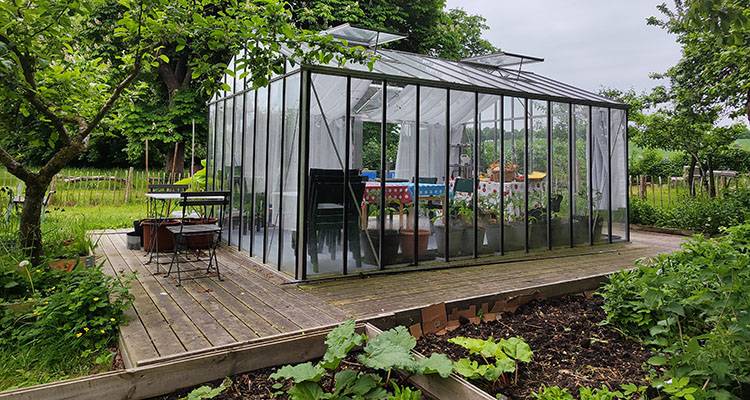
- Heating Systems — Greenhouse heaters can cost around £50 to £500 and may be useful if you want to grow plants through colder months.
- Automatic Ventilation — Automatic ventilation systems can cost around £30 to £200 and help regulate airflow and temperature.
- Irrigation Systems — Irrigation systems can cost around £20 to £300 and can make watering easier, especially for larger greenhouses.
- Lighting Installations — Lighting can cost around £50 to £250 and may be useful if you want to extend growing hours or support seedlings.
- Shelving or Staging — Shelving and staging units can cost around £50 to £300 and help maximise growing and storage space.
- Shade Systems — Shade systems can cost around £20 to £150 and can help protect plants from overheating in direct sun.
- Removal or Disposal — Removing an old greenhouse typically costs around £50 to £500, depending on its size, materials, and how easy it is to access. Shed removal costs follow a similar pricing structure, so they're a useful comparison if you're clearing space for a new greenhouse.
These additions can improve your greenhouse and may help your plants grow more successfully. However, they will increase the overall budget, so it is worth deciding which extras are essential before installation begins.
Ask a Trade
Got a question that only a tradesperson can answer? We have thousands of trades ready to answer any question you may have.
Ask your question

Factors That Impact Greenhouse Installation Costs
Several factors can affect your total greenhouse installation cost. The main cost drivers are usually the size and design of the greenhouse, the frame material, the glazing type, the base requirements, and any extra features you choose.
- Size and Design — Larger greenhouses need more materials and take longer to install. Custom designs or more complex layouts can also increase labour and supply costs.
- Frame Material — Aluminium is usually one of the cheaper and lower-maintenance options, while timber, steel and custom frames can cost more.
- Glazing Type — Horticultural glass is usually cheaper, while toughened safety glass and polycarbonate panels can cost more but may offer better safety, durability or insulation.
- Base or Foundation — A simple timber or slab base may cost less than concrete or brick foundations. Ground levelling, drainage or excavation can also increase the total price.
- Ventilation, Heating and Irrigation — Extra features such as roof vents, automatic ventilation, greenhouse heaters, lighting, or irrigation systems can improve growing conditions but add to the overall budget.
- Garden Access — Restricted access can make it harder to bring in greenhouse panels, frame sections, tools, and base materials, which may increase labour time.
- Location — Labour rates vary across the UK, with greenhouse installers, gardeners, and landscapers often charging more in London and the South East.
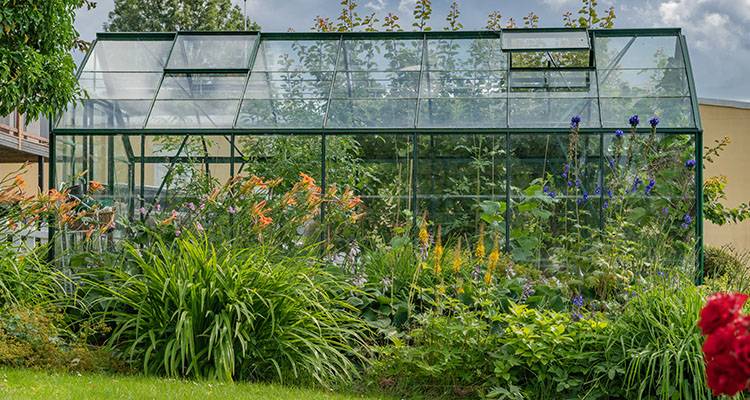
What's the best spot in the garden for a greenhouse?
"Ideally, greenhouses should be sited where they can receive uninterrupted sun throughout the day. Provide screening or shelter from cold northerly or easterly winds, which can keep temperatures low in spring and slow the growth of seedlings and young plants."
Cost of Different Types of Greenhouse
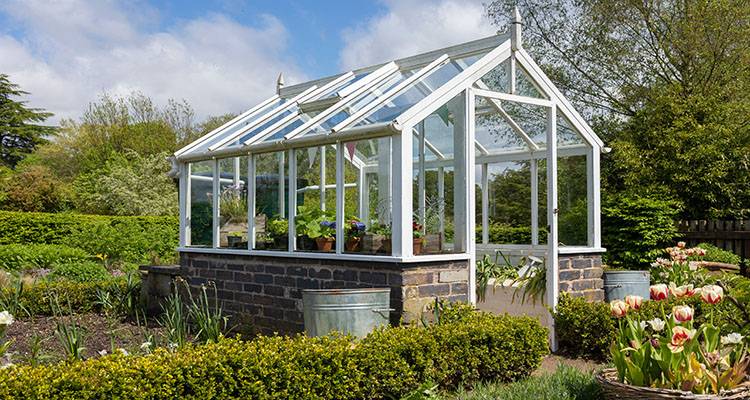
There are several common types of greenhouse used in UK gardens, including aluminium, wooden, lean-to, and freestanding greenhouses. Below you'll find some information on each type, along with the pros and cons, to help you decide which option may suit you best.
The type of greenhouse you choose has a big impact on cost. Below is a comparison of typical prices for the main greenhouse types available in the UK:
| Greenhouse Type | Typical Cost |
|---|---|
| Aluminium greenhouse | £300–£2,000 |
| Lean-to greenhouse | £400–£2,500 |
| Freestanding greenhouse | £600–£4,000 |
| Wooden greenhouse | £2,000–£6,000 |
| Custom-built greenhouse | £4,000–£10,000+ |
Want a custom price?
Post your job
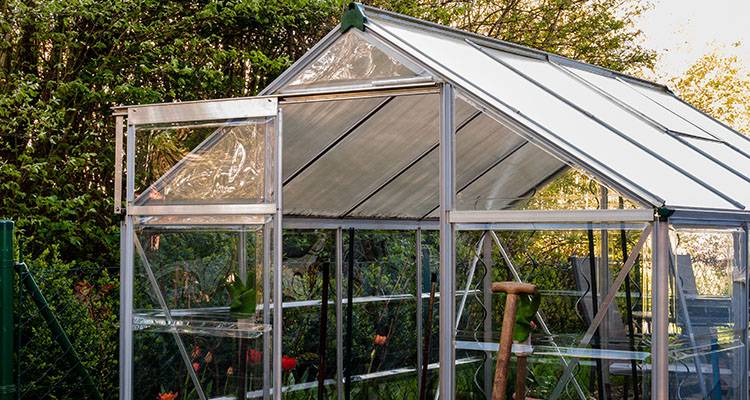
Aluminium Greenhouses
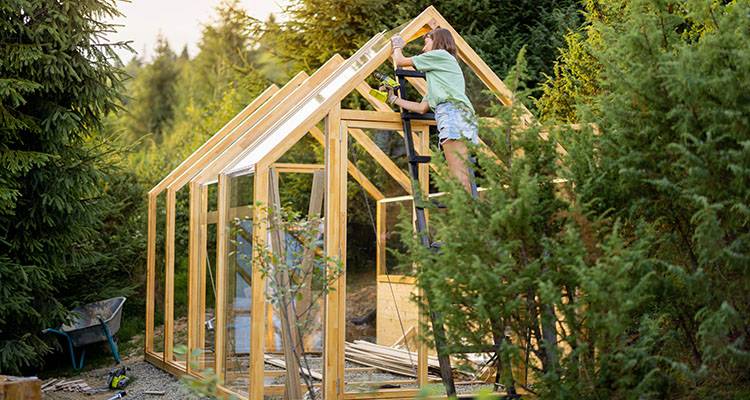
These are lightweight and low-maintenance structures that are commonly available as greenhouse kits, so they can work well if you want to build a greenhouse as a DIY project.
Pros
- ✔ Lightweight.
- ✔ Easy to maintain.
- ✔ Affordable cost.
Cons
- ✖ Less attractive than timber.
- ✖ Poorer insulation.
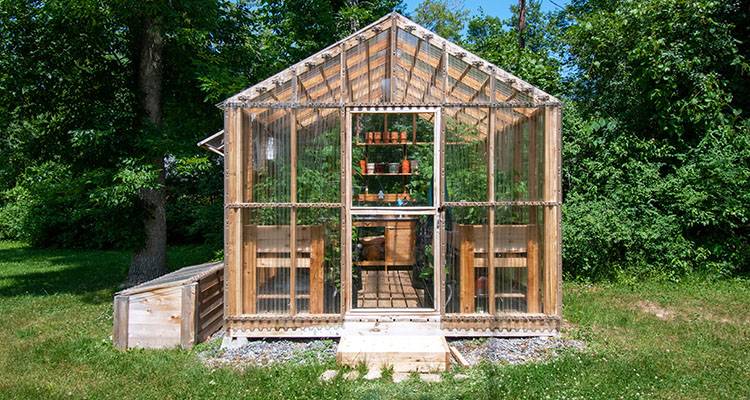
Wooden Greenhouses
These are more traditional greenhouse types made from timber frames that offer a classic appearance. They work well in more traditional garden settings.
Pros
- ✔ Attractive in appearance.
- ✔ Strong.
- ✔ Durable.
Cons
- ✖ Requires maintenance.
- ✖ Higher in cost.
Lean-To Greenhouses
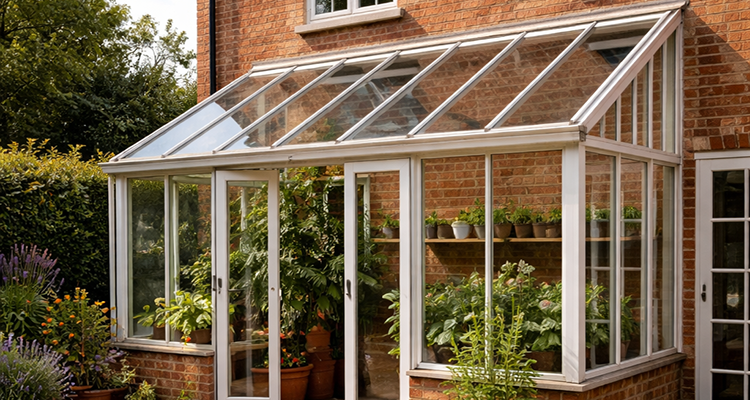
These are greenhouses that attach to an existing wall, making them suitable for smaller gardens. They are also fairly durable, as the existing wall helps support the structure.
Pros
- ✔ Perfect for smaller gardens.
- ✔ Uses an existing wall for support.
Cons
- ✖ Limited space.
- ✖ Placement restrictions.
Freestanding Greenhouses
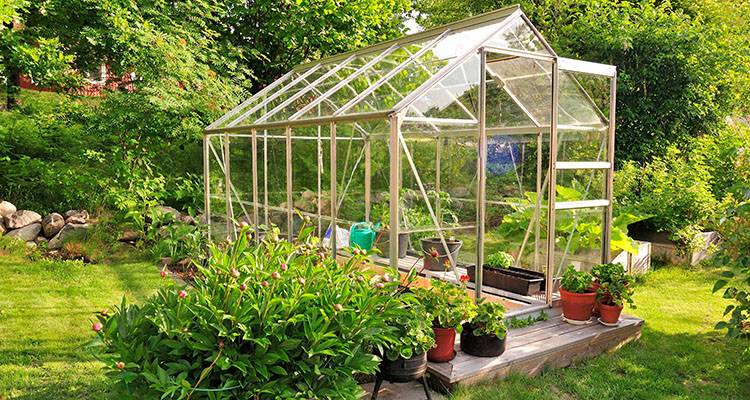
These are standalone structures that can be placed anywhere in the garden. They are ideal if you want more flexibility over where the greenhouse goes.
Pros
- ✔ Flexible placement.
- ✔ Larger growing capacity.
Cons
- ✖ Requires more space.
- ✖ May need a stronger base.
Larger or custom-built greenhouses will generally increase the installation cost.
Cost of Alternative Garden Growing Structures
If a greenhouse is not a suitable option for you, there are several alternatives that can still help protect plants, extend the growing season and create a more controlled growing environment. A garden room is worth considering too, if you want a more flexible, all-season space rather than a dedicated growing structure.
Polytunnels Cost
A polytunnel is a steel-framed tunnel with a polyethylene cover, typically costing £200 to £2,000+. It's a cost-effective way to grow crops that wouldn't usually thrive outdoors in the UK.
- More affordable than a traditional greenhouse.
- Suits larger growing spaces.
- Good for vegetables, fruits and flowers.
Cold Frames Cost
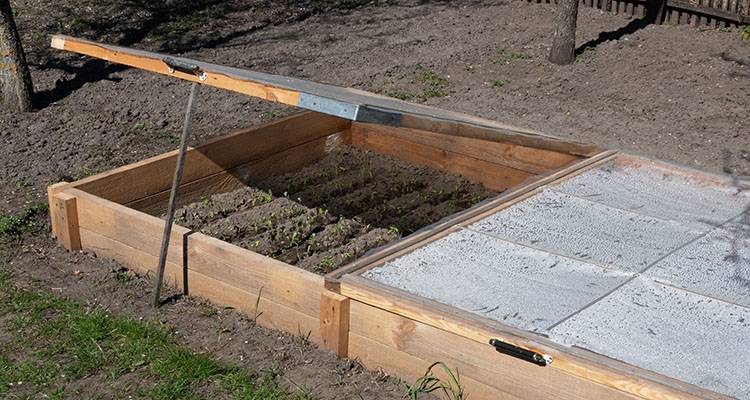
Cold frames are small, box-like structures with wood, brick, or aluminium frames and glass or plastic tops, typically costing £50 to £300. They trap heat to protect seedlings and young plants.
- Good for beginners.
- Space-saving, so it suits smaller gardens.
- Best for a small number of crops.
Grow Houses Cost
A grow house is a smaller version of a greenhouse, typically costing £30 to £200. It provides extra warmth and protection against mild frosts for tender summer crops such as tomatoes and chillies, and young plants.
- Compact, so it works well in limited space.
- Useful for plants that need extra protection.
- Lower cost than a full-sized greenhouse.
Mini Greenhouses Cost
Mini greenhouses typically cost £50 to £500 and usually have plastic covers, though glazed versions are available. They lack adjustable ventilation, so temperatures can fluctuate.
- Budget-friendly for beginners.
- Suits smaller garden spaces.
Checklist: Hiring Contractors for Greenhouse Installation in the UK
Ready to hire someone to install a greenhouse? Use this checklist to help ensure you choose the right contractor, greenhouse company or installation service:
- Relevant experience — Check whether they have experience installing your type of greenhouse, especially if it is timber, custom-built or needs a base or foundation.
- Clear quote — Ask for a written quote that separates labour, greenhouse materials, base work, glazing, delivery, and any additional features.
- Garden access — Make sure they have checked access to your garden and understand how materials, panels and tools will be brought in safely.
- Base and groundwork — Confirm whether the quote includes levelling, paving slabs, concrete, brick foundations, or other base preparation.
- Examples and reviews — Ask to see photos of similar greenhouse installations and check recent customer reviews.
- Insurance and warranty — Check that they have suitable insurance and ask whether the greenhouse, installation work or glazing comes with a warranty.
- Compare quotes — Try to get at least three quotes from local greenhouse installers, gardeners or landscapers. You can use MyJobQuote to compare local tradespeople.
FAQs
Do Greenhouses Need Planning Permission?
Most small garden greenhouses do not need planning permission if they fall within permitted development rules. In England and Wales, planning permission will be required for greenhouses in the grounds of a listed building, with Scotland and Northern Ireland having their own requirements. Check with your local authority if you are unsure.
What Is the Cheapest Way to Build a Greenhouse?
The cheapest option is usually a small DIY greenhouse kit. This can cost around £200 to £600, but you may still need to budget for a base, delivery, fixings, shelving, or replacement glazing.
Is It Cheaper to Build or Buy a Greenhouse?
Buying a greenhouse kit and installing it yourself is usually cheaper than having one custom-built. However, professional installation may be better for larger greenhouses, timber structures or projects that need a solid base.
How Long Does It Take to Install a Greenhouse?
A small greenhouse kit may take around 4 to 6 hours to install. Medium greenhouses can take around 1 day, while larger, custom or foundation-based installations may take several days.
Does a Greenhouse Need a Base?
Most greenhouses need a level, stable base to stop the frame moving or twisting. Small aluminium greenhouses may use a simple base, while larger glass, wooden or custom greenhouses may need paving slabs, brick foundations or concrete.
What Type of Glazing Is Cheapest for a Greenhouse?
Horticultural glass is usually the cheapest glazing option, but it is more fragile. Polycarbonate panels are lightweight and impact-resistant, while toughened safety glass costs more but is stronger and safer.
Where Is the Best Spot for a Greenhouse?
The best spot is usually somewhere level, sheltered and bright, with good access for installation and maintenance. Poor placement may increase costs if extra levelling, base work or wind protection is needed.