Builders
 Carpenters
 Electricians
 Flooring Specialists
 Gardeners
 Handymen
 Heating Engineers
 Painters & Decorators
 Plasterers & Renderers
 Plumbers
 Roofers
 Tilers
 my
myBoiler Error Codes – What They Mean & How to Fix Them
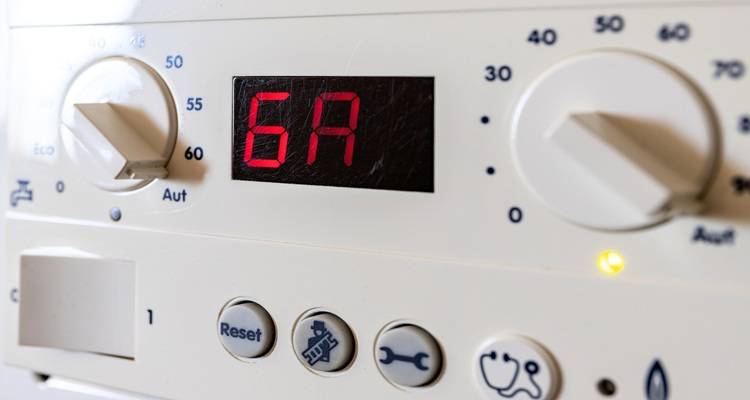
If your boiler breaks down, it will normally flash an error code. Modern boilers automatically detect faults and display a code that helps identify the problem. This code, known as a boiler fault code (boiler error code), is displayed to help you or a professional quickly identify the specific issue.
The codes may vary according to your boiler manufacturer, but common problems are often issues with low water pressure, a frozen condensate pipe or an ignition failure.
A simple fix, like topping up your boiler pressure, is something you’ll be able to do yourself. However, any work that requires internal repairs or the removal of the boiler casing must be carried out by a Gas Safe-registered engineer.
Getting to Grips with Boiler Error Codes
Boiler error codes are a game-changer for keeping your heating system up and running. When your boiler detects a problem, it displays a unique code on the display, giving you a clear idea of what's going on.
These codes can point to just about anything, from low water pressure to a dodgy ignition, or even issues with the water circulation or temp sensors.
Understanding what each code means can usually mean you can take care of the problem yourself, whether that's topping up the water pressure or just giving the boiler a good reset.
Of course, if things get a bit more complicated, or you're just not sure what to do, it makes sense to get a professional in to put things right.
The good news is that knowing your way around boiler error codes not only helps you get heat and hot water back on the fast track, but also keeps your system running smoothly, safely & efficiently.
Safety First
If you smell gas, turn the appliance off, open windows and doors to ventilate your property and call the Gas Emergency Services on 0800 111 999.
If you have installation-related issues, you should contact a qualified installer for assistance.
Only Gas Safe registered engineers are legally allowed to open the boiler casing or do any internal repairs.
Fixes you can do safely:
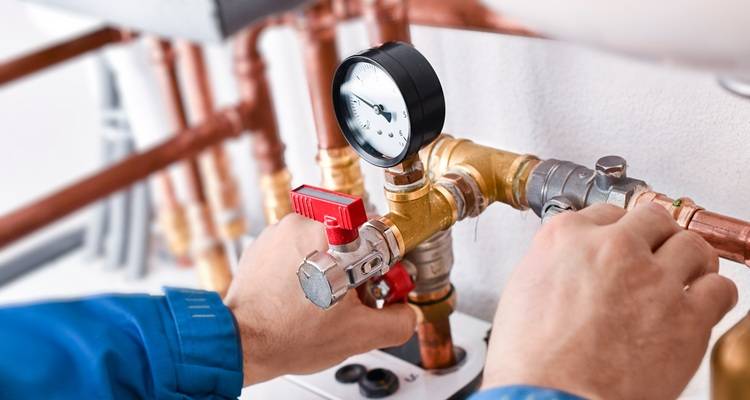
- ✔ Use the filling loop to repressurise your boiler
- ✔ Thaw out a frozen condensate pipe with warm (not hot) water
- ✔ Press the reset button to reset the boiler after you have checked the water pressure and the gas supply
Fixes that aren’t safe for you to do:
- ✖ Remove the boiler cover
- ✖ Work on any internal boiler components
- ✖ Attempt an electrical or gas repair
- ✖ Attempt to repair or replace the cable harness inside the boiler
If you are in any doubt about the cause of your boiler breakdown, it is best to contact a professional who will be able to diagnose the problem safely.
Common Causes of Boiler Faults
Your boiler manual will give you the list of error codes; understanding them will tell you whether you can solve the problem or if you need to call an expert. Common fault codes can help you quickly identify the problem. Each fault code corresponds to a specific issue with the boiler. Common boiler faults are:
Low Boiler Pressure
- What it means: The boiler’s system doesn’t have enough water for it to work safely
- What you’ll notice: Your heating or hot water will go off, and the pressure gauge reading will be below 1 bar.
- How it's fixed: You can usually fix this problem yourself by repressurising the boiler using the filling loop until the gauge reads 1-1.5 bar. If the pressure drops again, it might mean there is a leak, in which case you’ll need to call out an engineer.
Ignition or Flame Failure
- What it means: The boiler ignition won’t ignite, all you hear is repeated clicking
- What you’ll notice: An error code for the ignition and a ‘no flame’ symbol on your display panel
- How it’s fixed: First of all, check to see that the gas supply is working. For example, turn on your gas hob. If you have gas, then call an engineer who will need to check the boiler’s safety sensors and ignition parts.
Frozen or Blocked Condensate Pipe
- What it means: The plastic pipe has iced over in freezing weather and blocked the wastewater flow.
- What you’ll notice: You may hear a loud gurgling noise, and then your boiler will shut down. The error code will inform you that the condensate pipe is blocked.
- How it’s fixed: Pour warm, not hot water, along the pipe outside until it is thawed. You can then reset your boiler. You may need to insulate your pipework to avoid any problems occurring again in the future.
Thermostat Issues
- What it means: The thermostat isn’t receiving the correct signal from the boiler
- What you’ll notice: The heating won’t work even if the settings on your thermostat look right.
- How it’s fixed: An easy fix is to replace the thermostat batteries, or if you have smart controls, check your Wi-Fi connection. If your thermostat is in direct sunlight or a drafty part of the room, you may want to ask an engineer to relocate it to a more suitable location. If the thermostat has broken, then you will need an engineer to come and fit a new one.

Pump or Fan Failure
- What it means: The parts of the boiler that expel fumes or circulate water have failed.
- What you’ll notice: Your boiler will shut down
- How it’s fixed: The internal parts need to be replaced, and this job can only be done by a Gas Safe registered engineer.
Limescale or Sludge Build-up
- What it means: Limescale, rust and other particles often build up in hard water areas, and this means the boiler doesn’t heat your home as efficiently as it should.
- What you’ll notice: Strange noises, radiators that are cold at the bottom and reduced heat.
- How it’s fixed: You’ll need to call an engineer. Your system will either need flushing or a filter installation.
Gas Supply Problems
Gas supply problems are the root cause of many boiler issues, and they can trigger specific error codes such as F.54 or F.61. These codes often indicate a problem with the gas valve or a drop in gas pressure.
If that happens, your boiler won't be able to run safely. If you encounter one of these error codes, it's a good idea to get a Gas Safe-registered engineer on the phone right away.
They'll check the gas supply, inspect the gas valve, and ensure there's a steady gas flow to your boiler. They'll also give your other gas appliances a once-over to make sure the whole system is working properly, so you can rule out any potential wider gas supply issues.
Never try to fix a gas fault yourself – always count on a qualified pro to keep your heating system safe and in working order.
Common Error Codes Explained
Here’s a chart with some common boiler faults and the error codes you’ll find for four leading boiler manufacturers:
| Problem Type | Codes for Valient Boilers | Codes for Baxi Boilers | Codes for Ideal Boilers | Codes for Worcester Bosch Boilers | What’s Happening | What You Should Do |
|---|---|---|---|---|---|---|
| Low Pressure | F22 | E118 | F1 | 224 | Not enough water in the system | Use filling loop to repressurise boiler to 1 -1.5 bar |
| Ignition Failure | F28 | E133 | L2/LF | EA | Boiler failing to light | Call Gas Safe engineer if you have a gas flow in other appliances |
| Frozen Condensate Pipe | F1 33 | E133 | L2 | EA229 | Pipe blocked by ice | Thaw out pipe with warm water |
| Pump or Fan Failure | F75/F32 | E160/E125 | F3 | A1/C6 | Pump is stuck, air in the system or fan speed too low | Call an engineer who will need to inspect the fan or the pump and its wiring |
| Sludge Build-up | E9 | E125 | L1 | EA131 | Heating isn’t working properly | An engineer will need to do a filter installation or flush out the system |
Many boiler error codes indicate a specific boiler fault that helps with troubleshooting. Some codes are triggered when the system detects a problem, such as a gas valve defect or a coding resistor mismatch.
Sensor fault or sensor failure is also common, often involving the flow temperature sensor, return thermistor, or mass flow sensor. For example, flow temperature errors can be caused by a faulty flow temperature sensor or implausible flow temperature readings.
An internal error may refer to faults within the boiler’s electronic systems. Understanding these error codes is essential for identifying the cause of the issue and deciding whether you can resolve it yourself or need a professional.
Step-by-Step Troubleshooting Checklist
- Note down the error code on the display
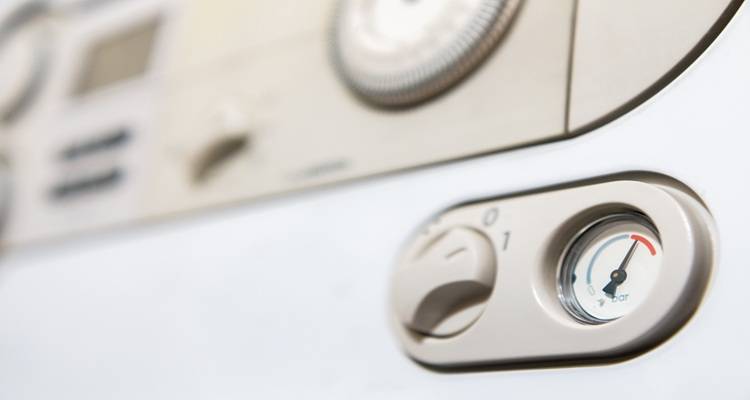
- Check the boiler’s water pressure (it should read around 1-1.5 bar)
- If water pressure is low, repressurise the boiler using the filling loop (the instructions will be in your boiler’s instruction manual
- Reset the boiler and see if it starts (only do this once)
- Check temperature settings and thermostat batteries
- If the weather is freezing, check to make sure the condensate pipe outside hasn’t frozen. If it has thaw it out with warm water
- Check your gas supply. If your other gas appliances aren’t working, then you have a supply issue, and you’ll need to get in touch with your gas supplier
- If the error code returns, repeatedly call in a professional
When to Call a Gas Safe Engineer
If you notice any of the faults belo,w you shouldn’t hesitate to call an engineer. A qualified professional will usually diagnose any faults quickly and can often prevent further problems and expense.
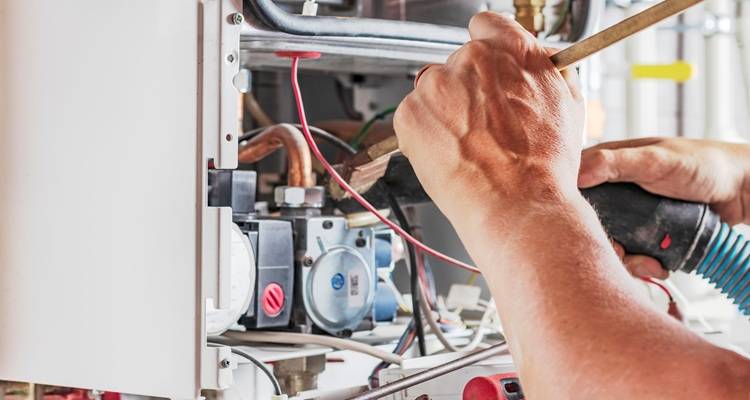
Professional help is essential if there is:
- Repeated flame or ignition failure
- Water leaks under or inside the boiler
- Fan or pump errors
- Warnings about overheating
- Wiring or electrical faults
- Strange noises or smells
Preventing Boiler Problems in the Future
Maintaining your boiler and having a yearly service will help to keep your boiler working efficiently and lower the risk of breakdowns. Here are some tips to keep your boiler in tip-top condition:
- Have an annual boiler service to catch any potential problems early
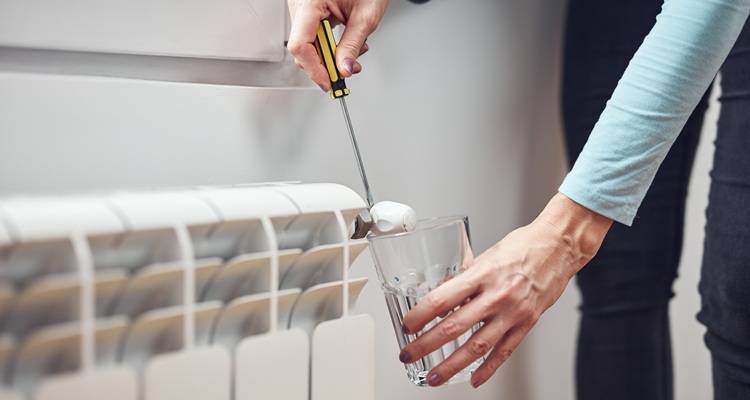
- Bleed your radiators before you turn your heating back on after the summer
- Insulate your condensate pipe
- Protect your boiler from sludge by installing a magnetic filter
- Keep your boiler pressure between 1 and 1.5 bar
- If you live in a hard water area, get a professional hardness/limescale assessment or consider a once a year system flush
If you see a boiler error, try not to worry. In many cases they are caused by small problems that you can fix yourself. But if they’re not then finding a reliable Gas Safe registered engineer will make sure the problem is repaired safely and your heating is back on again quickly.
Finding a local Gas boiler engineer is easy if you use MyJobQuote. Whether it’s for a service, repair or boiler replacement we will find at least 3 reliable, local professionals to give you no-obligation job quotes.
Conclusion
It is important to understand boiler error codes if you want to keep your heating system running smoothly and safely.
These codes give you valuable clues about what's going wrong with your boiler, and with that info you can usually take a couple of minutes to sort out minor problems yourself, or figure out when it's time to call a Gas Safe registered engineer for more complicated stuff.
Always put safety first when it comes to your boiler: don't even think about trying to fix any issues yourself if gas or internal parts are involved - just call someone who knows what they're doing.
Don't be afraid to ask for help either - if you're not sure what's going on or how to put it right, don't hesitate to get some expert advice. By staying on top of maintenance and acting quickly when issues arise, you should be able to keep your boiler and heating system in tip-top shape all year round.
Last updated by MyJobQuote on 7th January 2026.