Builders
 Carpenters
 Electricians
 Flooring Specialists
 Gardeners
 Handymen
 Heating Engineers
 Painters & Decorators
 Plasterers & Renderers
 Plumbers
 Roofers
 Tilers
 my
myBlock Paving Driveway Guide
Are you interested in a block paving driveway?
This block paving driveway guide will go over everything you need to know, including the different types and colours available, the pros and cons of block paving, the process involved with the installation, and how this type of driveway compares to other common options.
Table of Contents
- What is a Block Paving Driveway?
- Types of Block Paving
- Block Paving Driveway Ideas
- What Are the Pros and Cons of a Block Paving Driveway?
- Block Paving Driveway Cost and Timescales
- How to Install a Block Paving Driveway: Step-by-Step Guide
- Building Regulations or Planning Permission Approval for Driveway Block Paving
- How to Clean and Maintain Block Paving
- Alternatives to a Block Paving Driveway
- FAQs
What is a Block Paving Driveway?
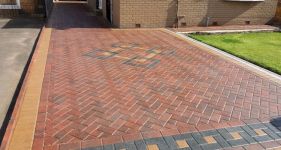
You may be wondering what block paving actually is. Block paving is a commonly used decorative method of creating a driveway. It consists of bricks laid together in a pattern to create a flat surface.
Block paving driveways are sometimes referred to as brick driveways, paved driveways, or block driveways. While the terminology varies, they all describe a driveway made from individual paving blocks laid in a structured pattern.
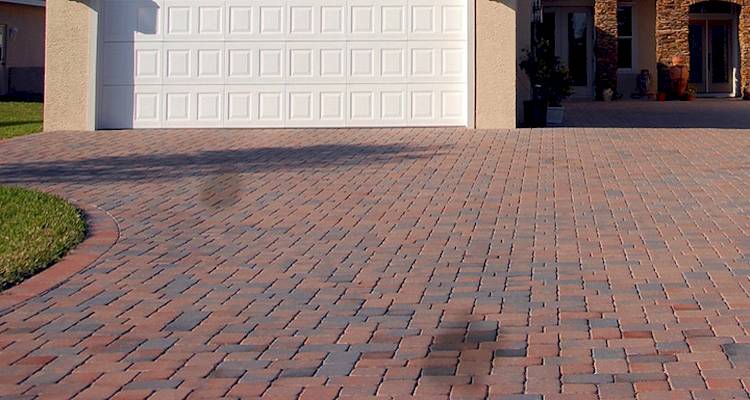
The bricks for block paving driveways tend to be made from clay or concrete. A major benefit of choosing a brick block paving pattern for your driveway is that if one of the bricks becomes loose or damaged, it can easily be replaced without affecting the rest of the driveway.
When installing a block paving driveway, you have the option of choosing several different patterns and styles, so you can easily create the perfect driveway to suit your taste and match the aesthetic of the rest of your home.
Types of Block Paving
Block paving can be constructed using different types of brick. Each type comes with a number of pros and cons. The best type of brick paving for you will depend on your personal preference of style and material.
If you're thinking about installing a block paving driveway at your home, take a look at the different types of block paving below to help you make a decision on which type you should go for.
Concrete Block Paving
Concrete block paving is the simplest and most cost-effective option when it comes to paving materials. This type of block is pre-made in a factory and comes in a range of different colours so you can easily find a style to suit your taste. However, it doesn't come in as many colours as some other brick types.
Pros
- ✔ Cheap to buy.
- ✔ Easily available.
- ✔ Durable.
Cons
- ✖ Low-quality construction in comparison to other bricks.
- ✖ Colours are limited.
Clay Brick Block Paving
This is another common type of brick that is used for constructing block paving driveways. Clay brick block paving is a traditional option made from natural clay that has been kiln-fired for strength and durability. These bricks are widely used for driveways due to their classic appearance and long-lasting colour.
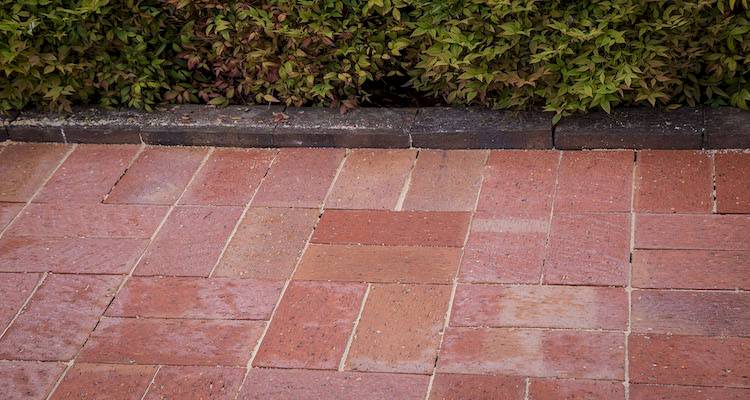
They are available in various styles, sizes, and colours, so you can create a driveway to suit your exact vision.
The main downside of these bricks is that they are not as cost-effective as concrete blocks, so they are not always the best option if you are on a tight budget.
Pros
- ✔ Variety of styles.
- ✔ Variety of sizes.
- ✔ Variety of colours.
Cons
- ✖ Not as cost-effective as concrete.
- ✖ May not be as durable as concrete.
Natural Stone Block Paving
Natural stone block paving is a premium option made from materials such as granite, limestone, or sandstone. It provides a unique, high-end finish.
Stone block paving provides an aesthetically pleasing look, and the material is also resilient towards erosion, weather and damage. However, with stone bricks, you're limited in the choices of colours and styles.
The cost of stone bricks is also higher than most other brick types. If you're looking for that authentic stone look for your driveway, then these are the best option for you. However, if you would prefer a specific style or colour for your driveway, then a different option would probably suit you best.
Pros
- ✔ Aesthetically pleasing look.
- ✔ Resilient to weather.
- ✔ Resilient to erosion.
- ✔ Resilient to damage.
Cons
- ✖ High price point.
- ✖ Limited designs and colours.
Which is better for a driveway, block or stone pavers? Is there much difference?
Composite Block Paving
Composite resin blocks are a modern type of block cast out of polymer-based resins. These blocks are extremely durable and versatile.
They are often constructed using recycled materials, so they are considered one of the more environmentally-friendly block paving option.
However, these blocks are often among the most expensive block paving option, so not great if you're on a tight budget.
Pros
- ✔ Environmentally-friendly.
- ✔ Very durable.
- ✔ Very versatile.
Cons
- ✖ Expensive.
- ✖ Less availability.
Block Paving Driveway Ideas
There are several different block paving driveway patterns to choose from. The way that the blocks are laid can make a big difference to the driveway's final aesthetic. Below is a list of the different laying methods that can alter the way your driveway looks:
Herringbone Style
Most block paving driveways are built in the herringbone style at either a 45-degree or 90-degree angle, depending on your preference. This particular pattern strengthens the paving as the blocks are interlocked and tightly fitted together.
Basket-weave Style
Basket-weave is a style that is most commonly used on square-shaped driveways. This particular pattern is designed in such a way so that the bricks fit into the exact dimensions of the square. This eliminates the possibility of any bricks needing to be cut at the edges, making the overall laying process easier.
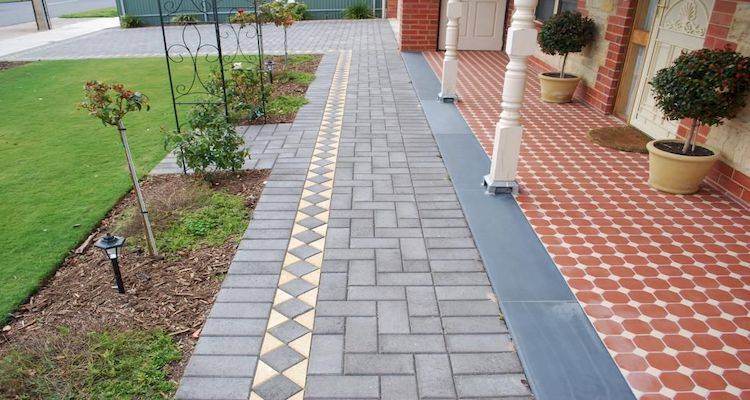
Stretcher Bond Style
This style is best used on driveways that have a slight curve. The bricks are laid similar to the pattern in which a wall is built. While it's not the most durable option for a driveway, it does provide an aesthetically appealing look that's easy to lay.
What are some of the best and most popular pattern for having a blocking paving laid down?
What Are the Pros and Cons of a Block Paving Driveway?
If you're thinking about installing a block paving driveway at your home, then you may be interested in the advantages and disadvantages that come with this type of driveway. Below, we have listed the pros and cons to help you make the right decision:
Pros
- Wide range of styles – There is a huge range of styles available when it comes to block paving. This makes it very easy for you to find a style that suits your particular taste.
- Wide range of colours – Similarly, there is also a huge range of colours available for block paving, so you can match your driveway to the colour scheme of the rest of your property.
- Attractive option – Compared to other options such as tarmac or concrete driveways, block paving is considered to be a much more attractive style.
- Easy to repair – If one of the blocks becomes damaged, this can be lifted and replaced, having little to no effect on the rest of the driveway.
- Easy to lift - If access is needed for maintenance or repairs on utilities underneath, the blocks can be easily removed and replaced without damaging the driveway extensively.
- Accurate block sizes – As block paving bricks tend to be manufactured in a factory, they tend to all be the same size. This makes it much easier to ensure a neat finish when building the driveway.
- No specialist machinery required – This is a huge advantage when it comes to the installation phase. You don't need to worry about any specialist machinery to achieve the driveway of your dreams.
- Durable – Block paving driveways are known for their longevity and ability to withstand heavy use. They are ideal for homes with heavy traffic or large vehicles.
Cons
- Can be expensive – Depending on the type of block that is used, some block paving driveways can end up being quite expensive.
- Can sink – If the sub-base is not adequately prepared, block paving areas can start to sink if the driveway regularly has to take the weight of cars.
- Blocks can move – If there is not adequate edging or kerbs around the driveway, this can cause the blocks to move and may result in gaps in the driveway.
- Weed and moss growth – Weeds and moss can grow between the blocks. This can make the driveway look less appealing and may result in it needing regular maintenance.
- Colours can fade – If you choose to buy cheaper blocks for your driveway, the colour of these blocks may start to fade over time due to UV light.
- May need drainage systems – Unless permeable blocks are used for the driveway, you may need to have a soakaway drainage system installed at an additional cost.
Is Block Paving the Right Driveway for You?
Block paving is a great choice if you want a durable, attractive driveway with flexible design options and easy repairs. It is particularly well-suited to homes that need to accommodate regular vehicle use or where access to underground services may be required.
However, it may not be the best option if you are looking for a completely low-maintenance surface or if your budget is limited, as installation costs can be higher than alternatives like gravel.
Do block paved driveways need a drainage system when they're installed or does rainwater soak through the blocks?
Block Paving Driveway Cost and Timescales
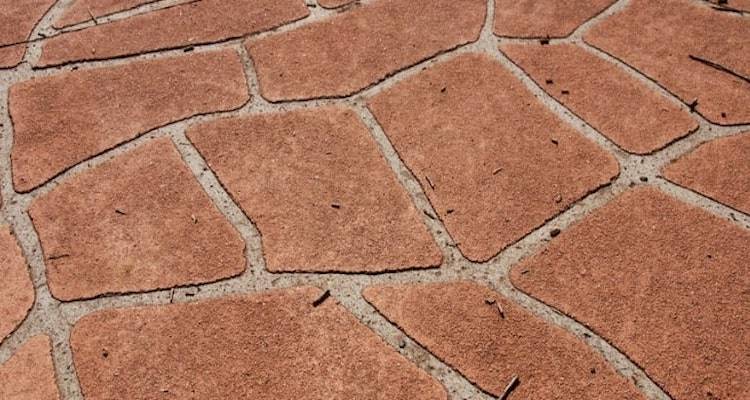
The cost of your new block paved driveway will depend on several factors, including your location, the type of bricks used, the condition of the area, and the size of the area.
You can read more about the exact costs of a block paving driveway on our dedicated guide, and you can also try our calculator to get a more accurate estimate for your project.
The time it takes to install a block paving driveway will also vary depending on the condition and size of the area and the desired pattern.
Typical timescales by driveway size:
- Small driveway: 2 to 3 days.
- Medium driveway: 3 to 5 days.
- Large or complex driveway: 5 days or more.
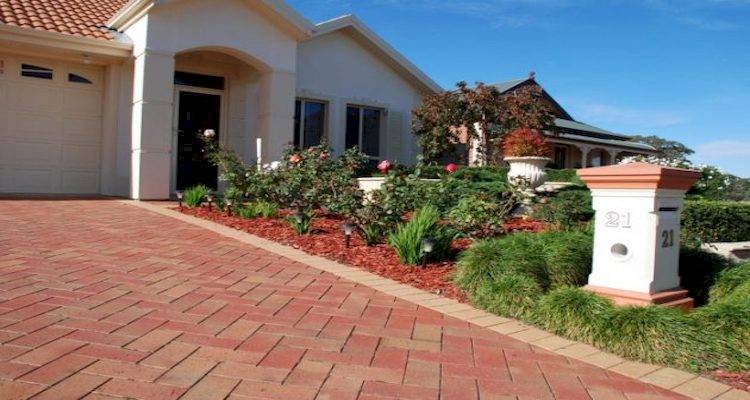
The work is spread across multiple stages that can't be rushed, such as ground preparation and sub-base work, which often take a full day or more, followed by edging, block laying, and finishing work.
You can compare quotes from paving installers near you with MyJobQuote to find the best deal for your block paving project and learn more about how long your specific project might take.
How to Install a Block Paving Driveway: Step-by-Step Guide
Learning how to lay a block paving driveway involves preparing a solid sub-base, laying blocks in your chosen pattern, and finishing with jointing sand.
If any part of the block paving driveway job isn't completed correctly, then the driveway could quickly be ruined after use.
Due to the importance of getting the foundation work right, most homeowners choose to hire a professional rather than attempting this as a DIY project.
You can request multiple quotes from local paving installers, using MyJobQuote. It's fast, free, and there is no obligation to go ahead.
Below we will go over the steps involved with laying a block paving driveway:
Before the Job Starts
- Sketch Out a Plan — Begin with a specific design in mind and sketch out a plan with the correct dimensions of your new driveway.
- Calculate Material Volumes — This will give you a good idea of the volume of materials you'll need to order.
During the Job
- Dig Below Damp-Proof Course — For block paving, you will need to dig down enough so that the finished surface sits at least 150mm below the damp-proof course of your home.
- Create a Slight Slope — If the area you're excavating is flat, you should aim to dig at a slight slope so that water can drain off the surface easily.
- Install Edging First — You will need to install your edging restraints before you begin constructing the driveway, as this acts as a frame for the drive.
- Concrete the Edging — Your edging should be concreted into place to ensure integrity, and you should aim to get your edging as level as possible.
- Apply Sub-Base — A typical sub-base is 100–150mm of MOT Type 1 aggregate, which must be compacted in layers to provide a solid foundation.
- Compact the Sub-Base — Use a vibrating plate compactor (often called a wacker plate) to fully compact the sub-base and prevent sinking over time.
- Add Sharp Sand — Next, you will need to add sand on top of the sub-base. The sand you apply should be sharp and moist.
- Mould to Required Angles — Be sure to mould the sand in a way so that it incorporates any angles or slopes that are needed on the driveway.
- Screed the Sand — You should then screed the sand with screeding laths to get the finished surface ready for laying blocks.
- Lay the Paving Bricks — It's now time to lay your paving bricks. You should start at one of the corners at the bottom of the slope you've created.
- Lay in Desired Pattern — Lay each brick one by one in the desired pattern. The bricks should sit around 10-15mm above the planned line so that they're ready to be compacted.
After the Job
- Brush in Kiln-Dried Sand — Once you've finished laying all of the bricks, you will then need to brush kiln-dried sand into the gaps in the paving.
- Compact the Paving — Get as much sand as you can into the joints and then compact the paving.
- Repeat Until Filled — Once compacted, apply more sand and repeat this process until all of the joints are completely filled.
Bound vs Unbound Block Paving
Block paving driveways are usually installed as an unbound system, meaning the blocks are laid on a bed of sand and held in place by jointing sand and edging restraints rather than mortar.
- Unbound (sand-set) – The most common method. Flexible, allows for drainage, and easier to repair.
- Bound (mortar-set) – Blocks are fixed in place with mortar. This creates a more rigid surface but is less permeable and harder to repair.
Most residential driveways use an unbound system as it is more forgiving and better suited to ground movement and drainage. If you opt for a bound system, the steps above will be slightly different.
Common Problems with Block Paving Driveways
When installing a block paved driveway, it's worth considering some potential issues that may arise in the future so you can take steps to prevent them from the offset:
- Sinking or uneven blocks – Usually caused by an insufficient or poorly compacted sub-base. Always excavate to the correct depth, install a well-compacted MOT Type 1 sub-base in layers, and ensure proper edge restraints are concreted in place before laying blocks.
- Weed growth between joints – Happens when kiln-dried sand is not fully brushed into joints or is lost over time. Fully fill joints with kiln-dried sand after laying and compacting, then top up again after a few weeks once the driveway has settled.
- Loose or moving blocks – Typically caused by weak or missing edging restraints. Install strong edging (concrete, kerbs, or set restraints) before laying blocks to lock the surface in place.
- Colour fading – More common with lower-quality concrete blocks exposed to UV light over time. Choose UV-stable materials where possible and consider applying a suitable block paving sealant after installation.
- Oil stains and surface marks – Can soak into the surface if not treated quickly. Clean spills immediately and consider sealing the surface to reduce absorption and make cleaning easier.
Building Regulations or Planning Permission Approval for Driveway Block Paving
When installing a block paving driveway, you usually won’t need building regulations approval. However, you should always check with your local council or highways authority if you are altering access to the property.
If your project involves changes such as steps, ramps, or alterations to vehicle access, building regulations may apply. When in doubt, it’s best to confirm with your local authority before starting work.
Planning permission is sometimes required for new driveways, depending on the surface and drainage design. If you use permeable block paving with adequate drainage, planning permission is usually not needed.
Driveways under 5m2 are generally exempt, but larger areas must ensure that surface water drains to a permeable area within your property to comply with regulations.
If you are unsure at any stage, it’s always safest to check with your local planning authority before starting the work.
How to Clean and Maintain Block Paving
There are several steps you can take to clean and maintain your block paving driveway. Below is a list of things you can do to keep your block paved driveway in the best possible condition:
Pressure Washing
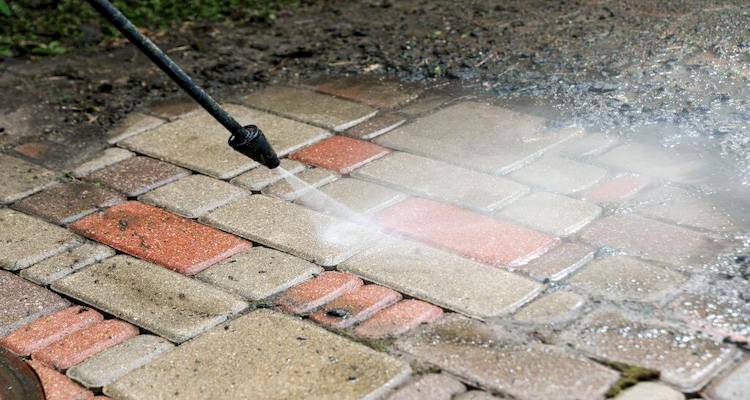
Pressure washing your block paving driveway is a great way to give your paving blocks a thorough clean. This is also a great way to eliminate some of those pesky weeds that may start to poke through the gaps. However, pressure washing can cause the sand between the gaps to become loose, so you may need to re-sand the joints after you pressure wash your drive.
Using Soapy Water
As an alternative to pressure washing, you can clean your block paving driveway with soapy water. Pour a small amount of soapy water onto the driveway's surface and use a brush to scrub the area. You can then wash away the soapy mixture using a hose or buckets of water.
Regular Brushing
It's a great idea to brush your driveway regularly. This will prevent dirt and debris from getting trapped or staining the driveway. This can also help to prevent the possibility of seeds settling, which can cause weeds to grow in the gaps between the bricks.
Weed Killer
If weeds start to grow in the gaps between the bricks, the best thing you can do is apply an adequate amount of weed killer to each problem area. This will kill off the weeds. You can pull out any problem weeds and then apply weed killer to that area to prevent any more weeds from growing in the same place.
Sealant
There are several driveway block paving sealers that can be used to protect the surface of your block paving driveway.
These sealants can help with water drainage and can prevent surface stains. Some sealants can also prevent weed growth. It's a good idea to seal your block paving driveway once a year to keep it properly maintained.
Replace Loose or Broken Bricks
If you notice that a brick has come loose on your driveway or if one of the bricks is damaged, then you should aim to replace this brick as soon as possible. This will prevent the possibility of it causing more damage to surrounding bricks and maintain your driveway's integrity.
Alternatives to a Block Paving Driveway
When it comes to installing a new driveway, block paving is not the only option. There are several different types of driveway that you can choose from, and each type comes with its own set of advantages and disadvantages.
Below, we will take a look at the most popular alternatives to block paving so that you can decide which type of driveway is right for you:
Gravel Driveway
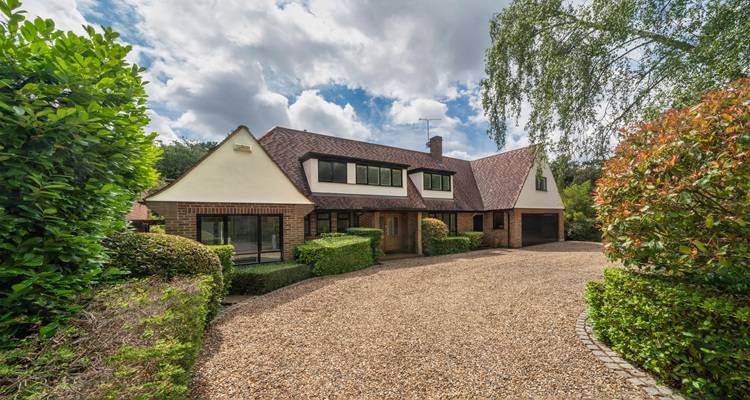
A gravel driveway is very easy to install and one of the most cost-effective styles of driveway. If you are on a tight budget, you may want to get a gravel driveway installed.
Pros
- ✔ Easy to install.
- ✔ Gravel driveways cost less than many alternatives.
- ✔ Fast installation.
- ✔ Various colour options.
Cons
- ✖ Not as durable.
- ✖ Difficult to walk on.
Tarmac Driveway
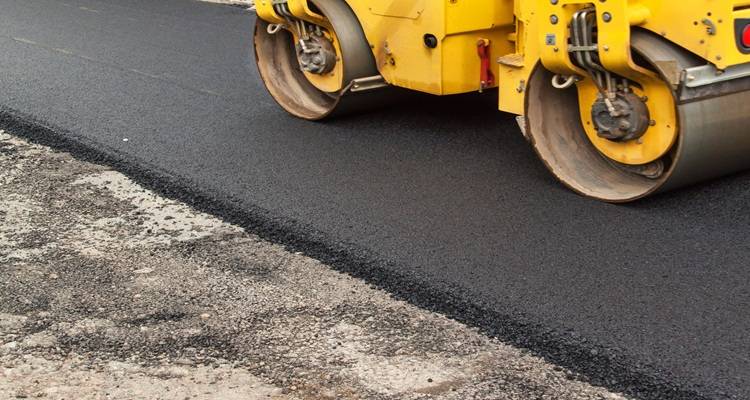
A tarmac driveway is one of the most common types of the driveway in the UK. Tarmac driveways tend to be more expensive than other options, and you will need to hire a professional to install it. However, it is extremely durable and doesn't require much maintenance to keep it in great shape.
Pros
- ✔ It doesn't require much maintenance.
- ✔ Very durable.
- ✔ Long-lasting.
Cons
- ✖ Limited style options.
- ✖ Requires specialist installation.
- ✖ It can be quite expensive.
Concrete Slab Driveway
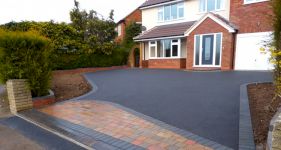
As an alternative to concrete block paving, you may wish to choose concrete slabs instead. Concrete driveways can be one of the most durable and long-lasting types of the driveway when installed correctly.
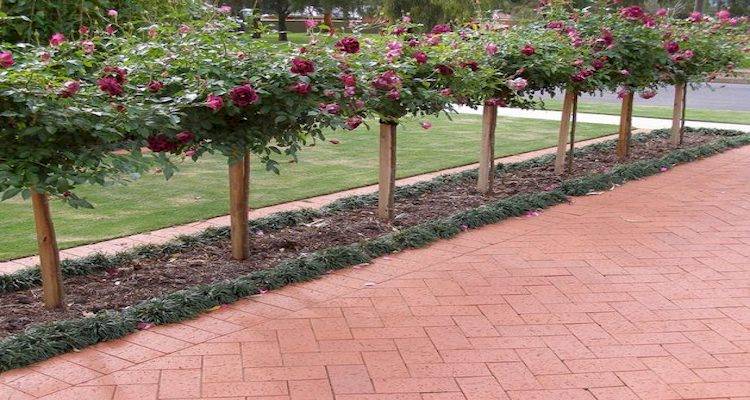
To get that correct finish, you will need to hire a professional to install the driveway for you.
Pros
- ✔ Very durable.
- ✔ Long-lasting.
Cons
- ✖ Hard to install correctly.
- ✖ Can be expensive.
Resin Driveway
A resin driveway is a modern alternative to block paving that combines resin with natural aggregate to create a smooth, durable surface. It is available in both resin bound (permeable) and resin bonded (non-permeable) finishes.
Pros
- ✔ Smooth, contemporary finish.
- ✔ Permeable options available (SUDS compliant).
- ✔ Low maintenance compared to block paving.
- ✔ Quick installation.
Cons
- ✖ Higher upfront cost than some alternatives.
- ✖ Requires a solid, well-prepared base.
- ✖ Poor installation can lead to cracking or failure.
FAQs
How Do You Remove Oil From Block Paving Driveway?
For very stubborn stains, you can apply an emulsifying degreaser. This should be left for a certain length of time as specified on the bottle and then washes away with a good amount of clean water.