Builders
 Carpenters
 Electricians
 Flooring Specialists
 Gardeners
 Handymen
 Heating Engineers
 Painters & Decorators
 Plasterers & Renderers
 Plumbers
 Roofers
 Tilers
 my
my5 Ways to Spot Damp Before It Becomes a Bigger Problem
Damp is a terrible thing to have in the home. It can develop gradually and can sometimes be easy to overlook in its early stages.
However, spotting the warning signs early can help to prevent damage, mould growth, and potentially more expensive repairs. Here are five things that you should look out for when it comes to damp.
1. Look for Discoloured Patches
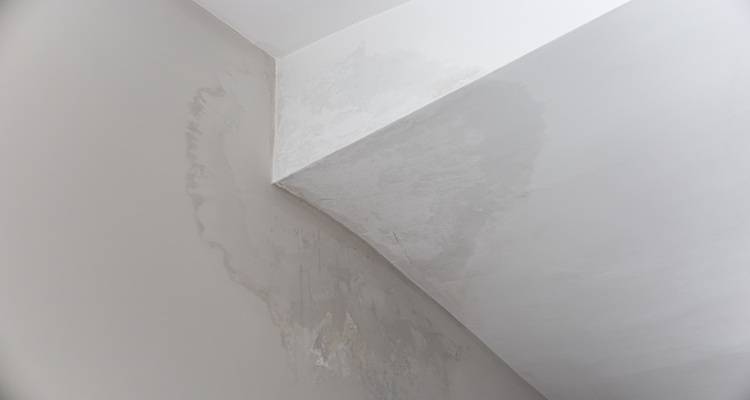
Yellow, brown, or dark patches on your walls and ceilings can be an early sign that moisture is entering your home. Pay particular attention to areas around the windows, rooflines, chimneys, and bathrooms. Also look at the walls beneath your plumbing and pipework.
These patches are often due to damp. If you leave damp there, this can lead to much further problems such as mould and decay, which are terrible for the home and can end up costing a lot to fix depending on the severity.
2. Pay Attention to Musty Smells
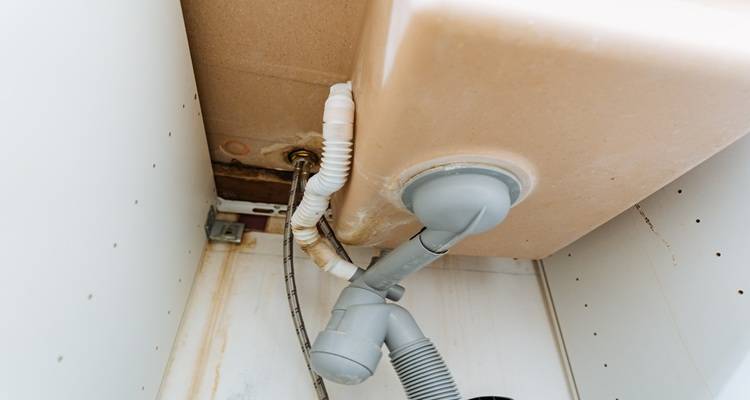
A persistent musty or earthy smell could indicate that there is hidden mould or damp in your home, even if there are no obvious marks on your walls. If a room smells damp even when you are regularly cleaning and ventilating it, it is worth investigating further rather than just trying to mask the odour.
Check behind furniture, inside cupboards, underneath flooring, and in poorly ventilated areas where moisture may become trapped. If you regularly use air fresheners, this may cover up the smell temporarily. However, it won’t address the underlying cause of the problem.
3. Check for Peeling Paint and Damaged Wallpaper
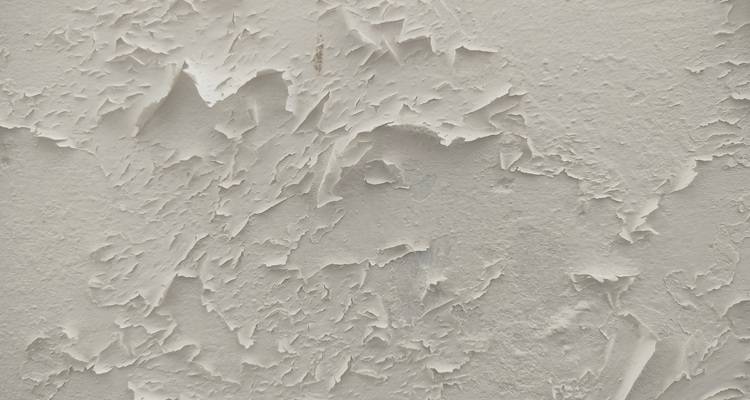
If you notice any bubbling paint, flaking plaster, lifting wallpaper, or crumbling wall finishes, these could all be signs that moisture is affecting the surface. Depending on the location, the cause could be anything from a leak to condensation to even more serious damp problems such as rising damp.
Try to identify and address the source of the moisture before you go ahead and repaint or cover up the affected area. If you don’t address the source first, the damage may return and continue to worsen underneath the new finish. Damp is not something you can simply cover up, and it will go away – you need to deal with the cause of the problem first.
4. Watch for Condensation and Mould
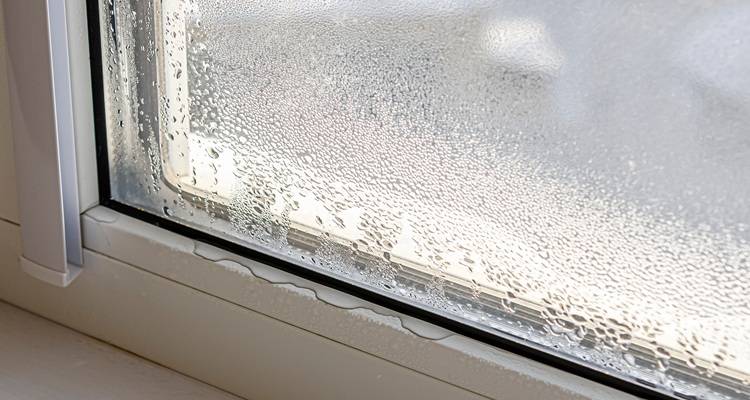
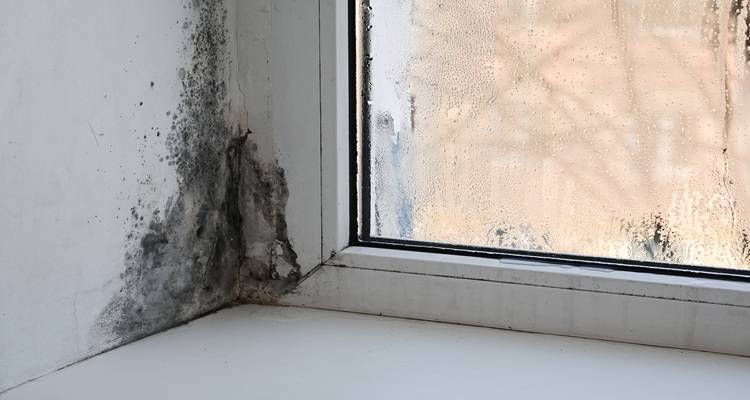
If you have condensation on your windows, walls or other cold surfaces regularly, this could suggest that there is excess moisture building up inside your home. Small black mould spots around your window frames, in corners or on your ceilings can also be an early sign that the moisture levels in your home are too high.
Kitchens, bathrooms, and bedrooms are common problem areas. This is particularly true during the colder winter months. If condensation and mould keep returning despite regular cleaning and ventilation, it may be worth seeking advice to identify the underlying cause of the problem.
5. Inspect Skirting Boards, Floors and External Walls
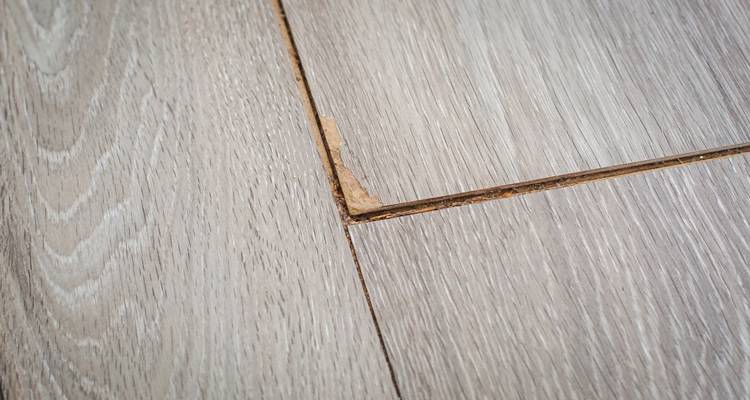
Things like swollen skirting boards, warped flooring, and loose tiles could be a sign of damp in the home. Also, if you notice any white powdery deposits or damp marks near the bottoms of your walls, this may indicate that moisture is entering from the ground or through damaged external surfaces. You should make sure to investigate these signs professionally rather than just repairing them cosmetically.
It is also worth checking the outside of your home for any blocked gutters, leaking downpipes, cracks in the brickwork, or defects in any rendered areas. Problems with these areas can allow rainwater to penetrate the property, and this can lead to damp problems over time.
Conclusion
Early signs of damp should never be ignored, as the underlying problem may continue to worsen over time and cause much more serious damage. If damp is persistent, spreading, or difficult to identify, seeking professional advice can help you find the cause and determine the most appropriate solution.
The sooner you can deal with damp problems, the better, as they will only get worse over time and will end up being much more expensive to repair than if you were to get them looked at and repaired now.
Post a job on MyJobQuote to get free quotes from local tradespeople.
Last updated by MyJobQuote on 3rd August 2026.