Builders
 Carpenters
 Electricians
 Flooring Specialists
 Gardeners
 Handymen
 Heating Engineers
 Painters & Decorators
 Plasterers & Renderers
 Plumbers
 Roofers
 Tilers
 my
myTree Preservation Orders Explained for Tree Surgeons
Tree Preservation Orders, often known as TPOs, are an important part of UK planning law. They are used by Local Planning Authorities to protect trees that provide value to the local area, especially when those trees may be at risk.
A TPO can protect a single tree, a group of trees, or trees within a wider area or woodland. Any tree species can be protected, but hedges, bushes and shrubs are not covered by Tree Preservation Orders.
If a tree is protected by a TPO, it is a criminal offence to cut down, top, lop, uproot, wilfully damage, or destroy it without permission. Serious offences can lead to prosecution and, in some cases, an unlimited fine.
For tree surgeons, arborists and landscapers, it's essential to check whether a TPO is in place before quoting for or carrying out any work. Even routine tree pruning, storm damage work or tree removal may need formal approval. In this guide, we'll explain how Tree Preservation Orders work, how to check a tree's status, how to price TPO-related work, and how to stay compliant.
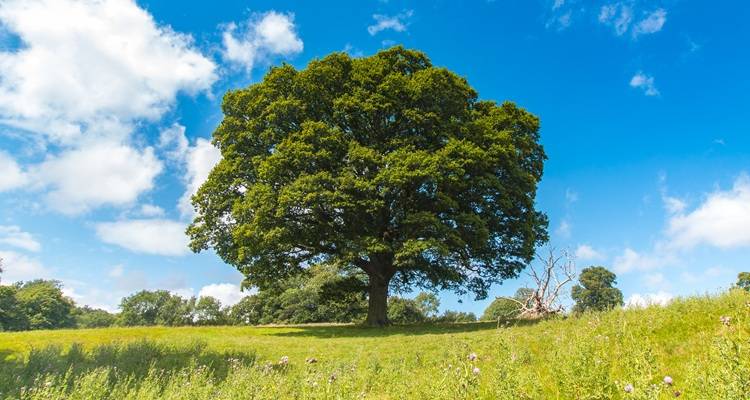
Table of Contents
- What Is a Tree Preservation Order (TPO)?
- Why Tree Preservation Orders Exist
- What Work Requires Permission Under a TPO?
- How Tree Surgeons Check if a Tree Has a TPO
- How to Apply for Permission to Work on a Protected Tree
- Exceptions to Tree Preservation Orders
- Penalties for Breaching a TPO
- How Tree Surgeons Can Price TPO Work
- Tips for Tree Surgeons Working with Protected Trees
- FAQs
What Is a Tree Preservation Order (TPO)?
If you have ever wondered what a Tree Preservation Order actually is, it is essentially a legal tool that is used by local councils to protect trees that provide public value. Once a tree is covered by a TPO, it becomes illegal to carry out certain types of work on it without permission.
A Tree Preservation Order can apply to any of the following:
- Individual trees
- Groups of trees
- Woodlands
- Trees within a defined area
The protection covers a wide range of different activities, including:
- Cutting down or removing a tree.
- Pruning or reducing its size.
- Uprooting or destroying it.
- Damaging the tree in any way.
This means that even if a client asks you to carry out what seems like a very simple job, such as trimming the branches or replacing a damaged section, you must always first confirm whether or not the tree is protected.
Local authorities will enforce these rules very strictly, and ignorance is not considered to be a valid excuse. As a result, tree surgeons must always factor TPO checks into every job they take, just as they would when assessing the safety risks or calculating the cost of the work.
Why Tree Preservation Orders Exist
Tree Preservation Orders are not just issued randomly. Councils make Tree Preservation Orders where it's considered expedient in the interests of amenity (in other words, the value a tree provides to the area). Amenity isn't defined in law, so it's judged by the council, weighing factors such as how visible the tree is to the public, its size and form, and its future potential. Nature conservation value and climate response can feed into that amenity judgement, though they aren't grounds in their own right, and the same test also decides applications for consent to work on a protected tree.
Some of the main reasons TPOs exist include:
- Protecting Important Trees from Unnecessary Removal — Without TPOs, trees could be removed purely for convenience, development, or to reduce maintenance costs. Councils use these orders to prevent any unnecessary or harmful work.
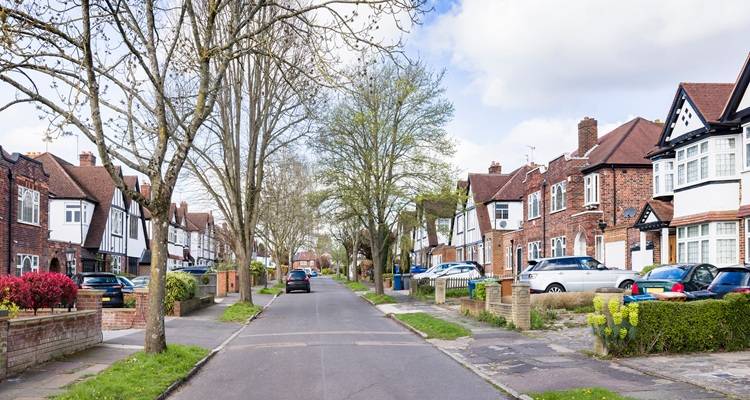
- Preserving Landscape Character — Certain trees can help to define the visual appeal of an area. Whether it is a mature oak in a village park or a row of trees lining a street, these features are often protected to help maintain the character of the neighbourhood.
- Environmental and Wildlife Protection — Trees play a vital role in improving air quality, reducing pollution, and supporting wildlife habitats. Protected trees often provide shelter and food for birds, insects, and other wildlife. Removing them can have long-term environmental consequences and can disrupt entire ecosystems.
For tradespeople, this means that working on protected trees is not just a practical job. It carries environmental and legal responsibilities.
What Work Requires Permission Under a TPO?
Before you remove, replace, or even slightly trim a tree, it is essential that you find out whether or not the work requires approval from the council.
In most cases, the following types of work will need permission:
- Cutting branches or limbs.
- Crown reduction or thinning.
- General tree pruning.
- Removing or felling trees.
- Uprooting or destroying a tree.
Even just minor tasks, such as fixing damaged branches or carrying out regular maintenance, may require approval if the tree is protected. This is where tradespeople can sometimes get caught out. A client might just assume that small jobs are exempt, especially if they are trying to keep the price low or fit work into a tight budget.
However, carrying out unauthorised work, even if it just seems minor, can lead to serious penalties.
As a general rule of thumb, if you are unsure, always make sure to check before starting any work. It is much better to delay a job than to risk breaching a TPO.
How Tree Surgeons Check if a Tree Has a TPO
It is important for any established tree surgeon to know how to check a Tree Preservation Order. There are several ways in which you can do this.
Methods include:
- Checking Local Council Planning Websites — Most local councils will provide an online Tree Preservation Order map or database. These tools will allow you to search by postcode or address to see whether or not a tree is protected.
- Contacting the Local Authority Tree Officer — If the information online is unclear, you can contact the local council directly and speak to a tree officer. They can then confirm whether a TPO is in place and provide you with some guidance on the next steps.
- Reviewing Planning Documentation — If the property has been involved in planning applications, there may be some documentation referencing any protected trees.
- Checking Conservation Area Status — Even if a tree doesn't have a specific TPO, it may still be protected if it's within a conservation area. In this case, you must give the council 6 weeks' written notice (known as a section 211 notice) before starting work. The council can't refuse the notice or attach conditions. It can either make an Order or let the work go ahead, and you can start early if it confirms it won't object. No notice is needed for a tree with a trunk diameter of 75mm or less, measured over the bark at 1.5m above ground level. Dead and dangerous trees follow the same notice route as trees already covered by an Order.
Taking the time to check the protection status should be a standard part of any tree surgeon's workflow before quoting a price or agreeing to carry out any of the work.
How to Apply for Permission to Work on a Protected Tree
If a tree is protected, you will need to apply for permission before you can carry out any work on it. The process is pretty straightforward, but it will require some attention to detail.
Take the steps below to apply for permission to work on a protected tree:
- Confirm if the Tree Has a TPO — Verify if the tree is covered by a TPO or located within a conservation area.
- Complete the Relevant Application Form — Applications are usually submitted through the Planning Portal or directly to the local council.
- Submit Details of Proposed Work — Clearly explain what you intend to do, whether it is pruning, removing, or replacing the tree.
- Provide Supporting Photos or Reports — This may include photographs, site plans, or arboriculture reports.
- Wait for Council Approval — Councils will usually take several weeks to process applications. During this time, no work should be carried out yet.
There is no application fee. However, the time involved in preparing and submitting the application should be factored into your overall pricing for the job.
Exceptions to Tree Preservation Orders
There are some situations where permission may not be required. However, these situations should be approached with caution.
Examples include:
- Dead Trees — Council consent isn't needed to work on a completely dead tree, but you must give the council 5 working days' written notice before starting. If the work is urgently needed to remove an immediate risk of serious harm, the notice can follow the work instead. Dead branches on an otherwise living tree can be removed with no notice and no consent required.
- Dangerous Trees Posing an Immediate Risk — If a tree presents an immediate risk of serious harm, the necessary work can go ahead without consent, but written notice must reach the council as soon as possible afterwards. The work is limited to what's needed to remove the risk, and the risk has to be present rather than one you expect to develop — if the danger isn't immediate, consent is needed as normal.
Even in these cases, it is important to document everything. Councils might request some proof that the work was justified. If you fail to provide the evidence, this could still result in penalties, so it's important to be careful.
Penalties for Breaching a TPO
If you ignore a Tree Preservation Order, this can have serious consequences. Tree Preservation Order fines can be substantial, and the enforcement is strict. This is why it is so important to be careful.
Potential penalties can include:
- Significant fines (can be thousands of pounds).
- Legal action against the contractor or property owner.
- Requirement to replace the removed tree.
£20,000 is the maximum fine a magistrates' court can impose for this offence. Serious cases can be referred to the Crown Court, where the fine is unlimited, and the court must take into account any financial benefit gained from the breach.
For tradespeople, this really highlights the importance of due diligence. Make sure to always confirm whether or not a tree is protected before starting any work, regardless of the client's instructions.
How Tree Surgeons Can Price TPO Work
Working with protected trees will often involve more than just the physical job. There are some additional steps that can affect how much you charge and how you structure your pricing.
Factors affecting price may include:
- Time spent checking TPO status
- Application preparation and submission time
- Site inspections and reports
- Risk assessments
- Specialist equipment requirements
- Delays while waiting for approval
The application for approval is free (for both consent under a TPO and a notice for a tree in a conservation area), but the average cost of tree work involved with a TPO is often higher due to the added time and administration needed before the work can start.
When quoting, it is important to explain these factors to clients. This helps manage expectations and avoids disputes over the price later on.
Tips for Tree Surgeons Working with Protected Trees
Working with TPOs does not need to be complicated. However, it does require a professional approach.
Take a look at the list below for some tips on working with protected trees:
- Always Check TPO Status Before Quoting Work — Never assume that a tree is not protected. You should always check. Make checking a part of your standard process.
- Keep Records of Permissions Granted — Make sure to store copies of permissions, applications, and correspondence with councils.
- Work with Qualified Arborists When Necessary — For more complex jobs, consider consulting a qualified arborist or tree officer for help.
- Inform Customers About Legal Requirements — Explain the legal requirements and potential delays to the client. This will help to justify the cost and timeline.
- Avoid Carrying Out Cheap or Rushed Work on Protected Trees — Trying to offer up a cheap or quick solution could lead to mistakes and legal issues.
- Plan for Delays — Approval times can affect the scheduling, so make sure to build flexibility into your workflow.
Compliance protects both the tradesperson and the property owner, so make sure to keep these things in mind.
FAQs
What Is a Tree Preservation Order?
A Tree Preservation Order is a type of legal protection that is issued by a local authority to help safeguard trees that provide environmental, historical, or aesthetic value to a particular area.
When a tree is covered by a TPO, it becomes illegal to carry out any work, such as cutting, pruning, removing, or damaging the tree, without permission. TPOs can apply to just one tree, groups of trees, or even entire woodlands. For tradespeople, understanding TPOs is essential as it directly affects what work can legally be completed and how the jobs need to be planned.
How Much Does It Cost to Apply for Permission to Work on a Protected Tree?
You won't need to pay any fees to apply for permission to carry out work on a protected tree. However, even though the application itself is free, there are still costs involved for the tradesperson.
The time spent preparing the application, gathering pictures, writing reports, and communicating with the council all add to the overall cost of the job. This means that, although the application is free, the total cost of the work might increase compared to standard tree work, especially when you factor in any delays and the administrative time.
Can You Remove a Tree with a TPO?
Yes, but only in certain conditions, and the route depends on the reason. For most removals, such as those needed because of structural damage, you'll need the council's consent before starting work, and it may attach conditions, such as requiring you to plant a replacement tree.
A dead tree, or one posing an immediate risk of serious harm, follows a different route: it can be removed on written notice to the council instead of consent. Removing a tree without consent or the required notice is an offence, regardless of the reason.
How Long Does TPO Permission Take?
The time it takes to receive the TPO permission can vary depending on the local authority. However, you can usually expect it to take a few weeks to come through.
Standard applications will usually be processed within 6 to 8 weeks. More simple cases could be quicker, and more complex situations, such as those involving larger trees or significant changes, could take longer. During this period, you must not carry out any work on the tree. Tree surgeons should plan ahead and factor in this waiting time when scheduling and pricing the job.
What Happens if You Cut Down a Protected Tree?
If you cut down a protected tree or carry out any unauthorised work on it, you could face some serious legal consequences. Tree Preservation Order fines often reach thousands of pounds, depending on the severity of the breach. As well as the financial penalties, you could also be forced to replace the tree.
This can then add even more costs and responsibility. In some cases, legal action could be taken against both the tradesperson and the owner of the property. This is why it is always so important to check the protection status and obtain permission before you carry out any of the work.