Builders
 Carpenters
 Electricians
 Flooring Specialists
 Gardeners
 Handymen
 Heating Engineers
 Painters & Decorators
 Plasterers & Renderers
 Plumbers
 Roofers
 Tilers
 my
myHow to Start a Tree Surgery Business
Tree surgery is a skilled, hands-on trade that involves pruning, maintaining, removing and caring for trees. It’s physically demanding work, but it can also be a rewarding business for anyone who enjoys working outdoors and wants to offer a service that’s always in demand.
Across the UK, homeowners, businesses and local authorities regularly need tree surgery services to keep outdoor spaces safe, tidy and well-maintained. From reducing overgrown trees to removing damaged or dangerous branches, many tree jobs can’t be ignored for long because of the safety risks involved.
Starting a tree surgery business can be a profitable opportunity for self-employed tradespeople, but it does require proper planning. You’ll need the right training, specialist tools, safety equipment, insurance and a realistic start-up budget before taking on paid work.
In this guide, we’ll explain how to start a tree surgery business, including the main costs, qualifications, equipment, insurance and practical steps needed to build a successful tree surgery company.
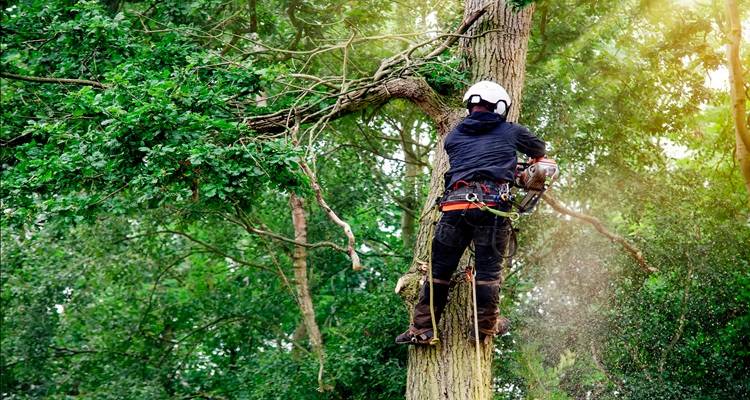
Table of Contents
- What Does a Tree Surgeon Do?
- Qualifications and Training Needed
- Additional Specialist Training
- Equipment Needed to Start a Tree Surgery Business
- How Much Does It Cost to Start a Tree Surgery Business?
- Licences, Insurance and Legal Requirements
- Pricing Tree Surgery Jobs
- How Much Can Tree Surgeons Earn?
- How to Get Tree Surgery Work
- Tips for Running a Successful Tree Surgery Business
- FAQs
What Does a Tree Surgeon Do?
A tree surgeon will carry out a range of different tasks on a day-to-day basis. These are usually focused on maintaining tree health, keeping trees safe, and making sure trees are looking their best.
The work often involves physically demanding tasks and will include operating heavy or sometimes dangerous equipment.
Below is a list of typical tree surgeon services:
- Tree pruning and crown reduction
- Tree removal
- Stump grinding and stump removal
- Hedge trimming and shaping
- Emergency storm damage work
- Tree health inspections
Basically, a tree surgeon is in charge of keeping trees alive, making sure they are healthy, and ensuring they remain safe.
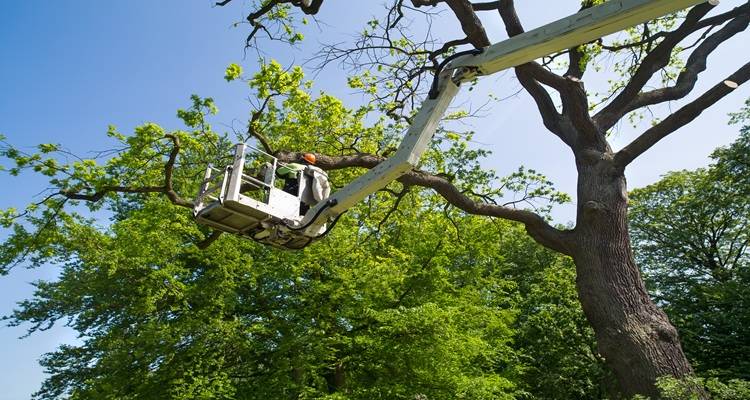
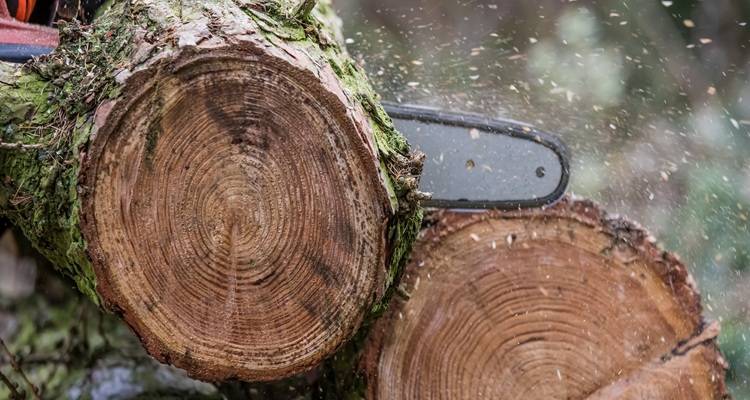
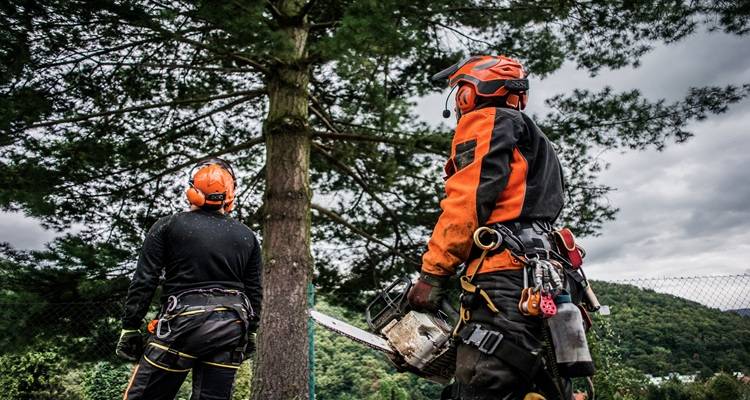
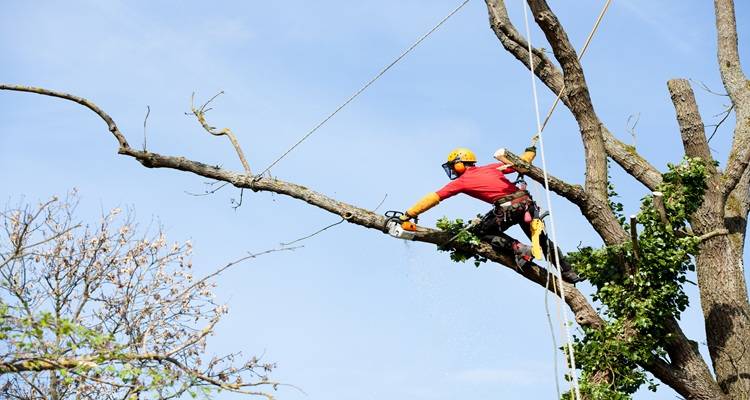
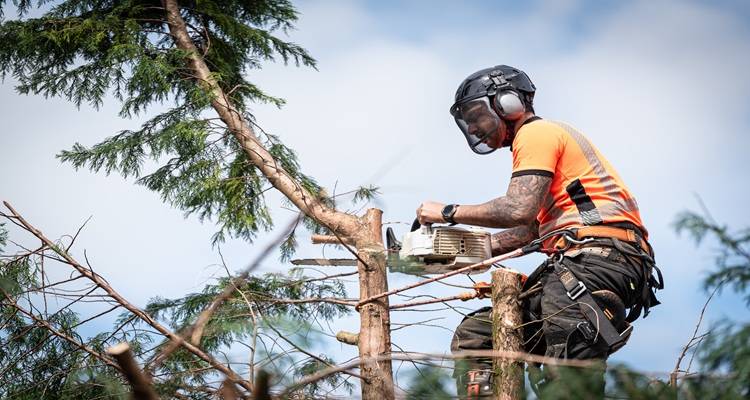
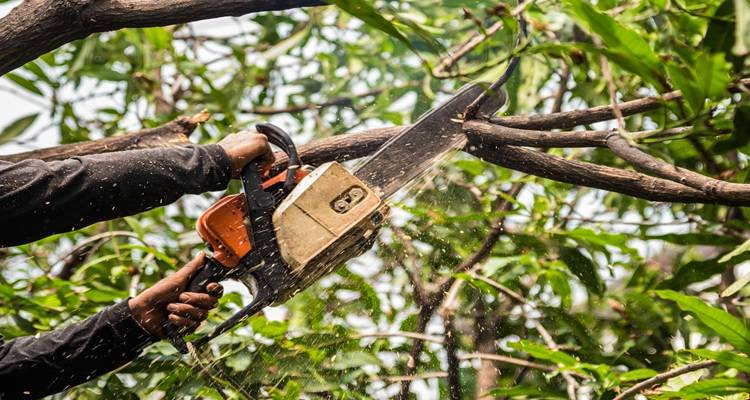
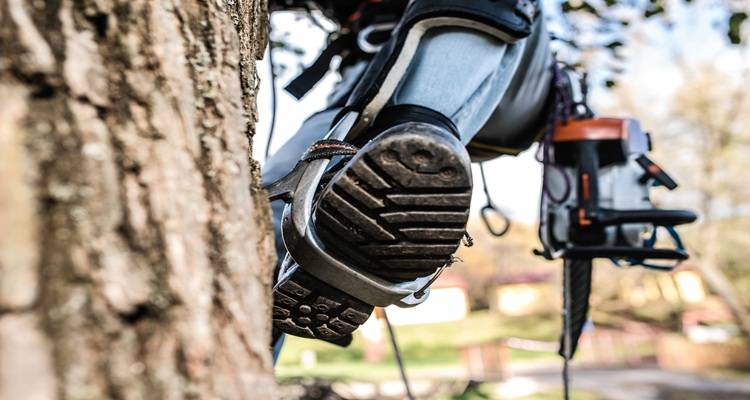
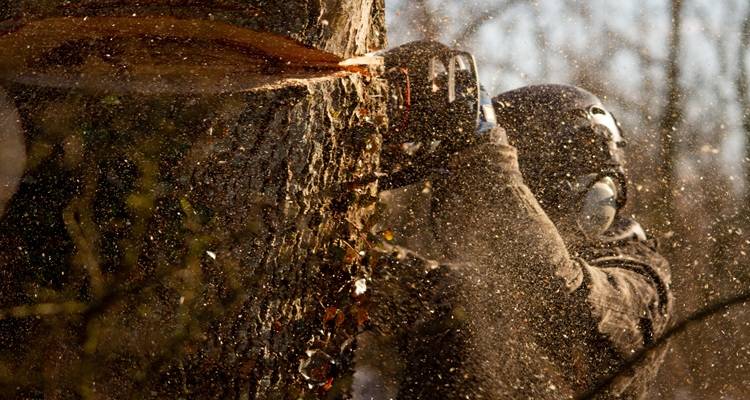
Tree surgeons will regularly work at heights using things like ropes and harnesses in order to climb the trees safely. The work also involves using chainsaws, wood chippers, and other pieces of machinery to cut, remove, and process the wood.
In many cases, the job will involve removing or working on damaged or hazardous trees and sometimes fixing problems like diseased branches. Tree surgeons will also improve the way a garden space looks overall and make sure outdoor spaces remain safe to use.
Qualifications and Training Needed
In order to be a professional tree surgeon in the UK, you will need to go through some training and gather certifications. This will help to ensure the tree work meets industry standards and will protect both you and the general public.
If you are considering a career in tree surgery (or arboriculture), here is an in-depth look at the qualifications and safety courses that you should be looking at:
City & Guilds NPTC (national Proficiency Test Council) Qualifications
These are the industry-standard qualifications for tree surgeons, covering various aspects of tree care as well as chainsaw operation. Here is a list of the most common NPTC courses for tree surgeons:
- Chainsaw Maintenance and Cross-Cutting (CS30) - This covers all the essential chainsaw maintenance and safe usage procedures.
- Felling and Processing Trees up to 380mm (CS31) - This covers how to safely fell small trees.
- Aerial Tree Rescue Operations (CS38) - This is essential for working at heights and covers aerial rescues.
- Aerial Cutting of Trees Using Free-Fall Techniques (CS39) - This covers safely using a chainsaw while climbing.
- Severing Uprooted or Wind-Blown Trees (CS34/35) - This is advanced training for handling dangerous storm-damaged trees.
LANTRA Awards
LANTRA is another leading awarding body that provides arboriculture training. These courses cover a wide range of tree care techniques such as tree inspections, pruning, and wood chipper operation. Many tree surgeons will undertake LANTRA training alongside NPTC qualifications.
First Aid Training
Due to the high-risk nature of tree surgery, it is important to go through first aid training. A tree surgeon must complete an Emergency First Aid at Work (EFAW) or First Aid and Forestry course so that they know how to handle workplace injuries effectively.
Health and Safety Training
To work as a tree surgeon, you will also need a lot of health and safety assessments and accreditations. These will include the following:
- LOLER (Lifting Operations and Lifting Equipment Regulations) Inspection - Regular inspections are essential for climbing equipment and harnesses in compliance with LOLER to make sure they remain safe to use.
- Working at Height Regulations - Risk assessments, proper rope work, harnessing - these assessments ensure safety while climbing.
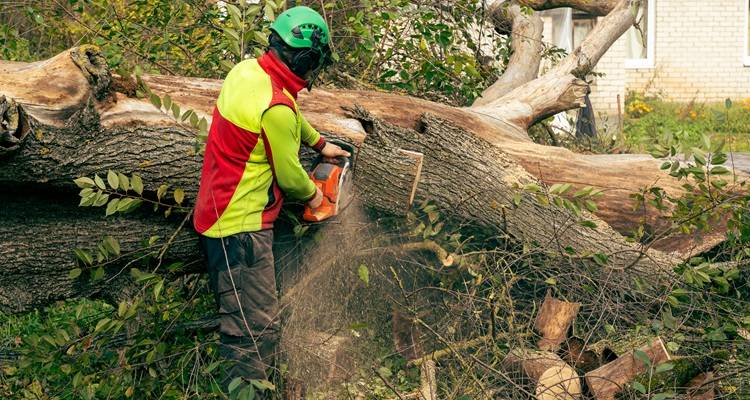
- Personal Protective Equipment (PPE) - Tree surgeons will require chainsaw trousers, gloves, helmets, steel-toe boots, and eye protection. The use of PPE is covered by Health and Safety Executive (HSE) regulations.
- CHAS - This is the UK’s leading provider of compliance and risk management solutions across multiple industries. Membership in this will simplify the process of being assessed for contractor compliance. This helps save tree surgeons both time and money.
- British Standards Institution (BSI) - This is the national standards body of the UK, and it provides technical standards on a huge range of products and services. Tree surgeons will need BS5837 (advice on developing land containing trees) and also BS3998 (general tree work).
- ISO 9001 - This is a global standard for quality management systems (QMS), and it helps businesses improve their processes and meet customer and regulatory requirements.
- ISO 14001 - This is a standard that covers environmental management systems.
Additional Specialist Training
- Tree Survey and Inspection Courses - This is for those involved in tree health assessments and risk evaluations.
- Pesticide Application (PA1 & PA6) - This is required for tree surgeons who are handling pesticides and herbicides.
- Stump Grinding and Wood Chipper Training - This helps to ensure safe operation of the machinery that is used in tree work.
The cost of training will depend a lot on the course provider and the level, as different courses come at different costs. On average, you typically expect to pay around £2,000-£5,000 for the training.
This may seem a bit expensive, but proper training is important for safety, legal compliance, and gaining customer trust.
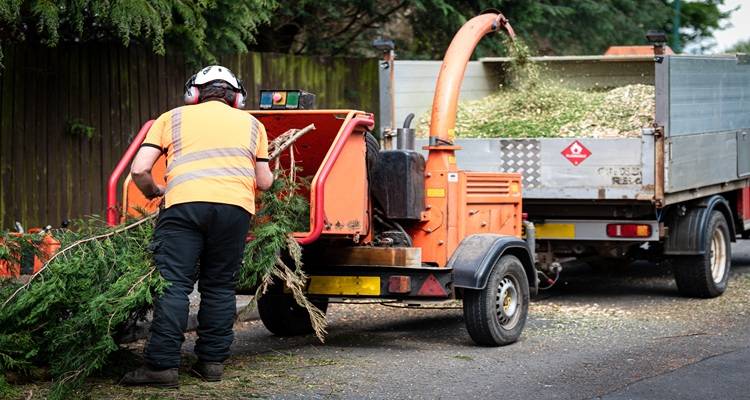
Equipment Needed to Start a Tree Surgery Business
If you’re planning on starting up your own tree surgery business, you will need to have quite a significant budget upfront to purchase the tools and equipment needed for the job.
The tools that you choose will determine the type of work that you can take on and will also affect how efficiently you can complete the work.
Below is a list of essential equipment items that you should consider, along with the prices you can expect to pay for each:
- Chainsaws - £100-£1,000+ each
- Climbing harness and ropes - £200-£1,000
- Protective clothing and PPE - £100-£600
- Wood chipper - £2,000-£20,000
- Stump grinder - £1,500-£5,000
- Truck or tipper van - £5,000-£25,000
- Ladders and rigging equipment - £400-£2,000
A basic setup will usually cost around £4,000-£10,000, and a more professional setup with machinery such as chippers and grinders will usually cost around £30,000 or more.
If you are on a tight budget, you can consider purchasing second-hand equipment to help reduce the upfront costs. You could also try hiring expensive machinery, like stump grinders, until you’re ready to purchase your own.
It’s often a good idea to start off with smaller jobs and then reinvest your profits so that you can start taking on larger jobs.
Regardless of your budget, you should never compromise your safety. It’s important to ensure that you have all safety equipment and PPE in place and always make sure they are reliable and fit for purpose.
How Much Does It Cost to Start a Tree Surgery Business?
The cost of running a tree surgery business can vary depending on how professional your setup is from the start.
Below is a list of the typical setup costs that you can expect to pay:
- Training and qualifications - £2,000-£5,000
- Equipment and tools - £4,000-£30,000
- Vehicle purchase - £5,000-£25,000
- Insurance - £200-£1,000 per year
- Business registration - £50-£200
- Marketing and website - £200-£1,000
Below is a list of average overall budgets depending on your setup:
- Low budget setup - £10,000-£15,000
- Mid-range setup - £15,000-£30,000
- Full professional setup - £30,000-£60,000+
If you are starting small, you can reduce some costs by hiring some of the equipment and taking on simpler jobs, such as hedge trimming or just small tree removals.
It’s a good idea to create a solid tree surgery business plan as this will help you manage your budget, estimate your expenses, and plan for future growth.
Licences, Insurance and Legal Requirements
When it comes to running a tree surgery business, there are some legal requirements for operating safely. If you don’t do these, you could get a fine, or it may result in legal action.
The essential requirements include:
- Public liability insurance - This protects against damage or injury claims.
- Employers’ liability insurance - This is required if you are hiring staff.
- Waste carrier licence for removing tree waste - This is needed to transport and dispose of tree waste.
- Health and safety regulations - You must follow UK regulations.
- Local authority permissions for protected trees - Check with your local authority for rules in your area.
Some trees are protected by Tree Preservation Orders (TPOs) or may be located in conservation areas. You will need to get permission from the local authority before you carry out any work on these trees. If you don’t comply, this can result in some significant fines.
Pricing Tree Surgery Jobs
When it comes to pricing tree surgery jobs, you will need to think about several factors. Below is a list of the factors that you may need to consider:
- Tree size and complexity
- Access to the site
- Equipment needed
- Waste removal
- Time and labour
As an example, here are some typical prices that you could charge for certain common jobs:
- Tree pruning - £150-£700
- Tree removal - £300-£2,500+
- Stump grinding - £60-£500
The price can vary depending on the complexity of the job. For example, removing a large tree close to a building will cost a lot more than just a simple garden job.
Providing clear quotes will help build trust and ensure your customers understand the costs involved with the work.
How Much Can Tree Surgeons Earn?
Tree surgery can be a highly profitable trade once you are established in business. Below is a list of average earnings that you can expect to receive as a tree surgeon:
- Average Day Rate - £150-£300
- Typical Self-Employed Annual Income - £25,000-£50,000+
- Established Business Owners Income - £50,000-£100,000+
Your earnings will depend on your experience, reputation, and workload. Experienced tree surgeons can earn significantly more once they have a steady client base.
How to Get Tree Surgery Work
It’s essential that you find consistent work when you start your tree surgery business. This is especially true in the early stages of the business.
Building a steady workflow will take time, so using a mix of marketing methods will help you grow more quickly.
Below are some tips to help you get more work:
- Local advertising - You can try distributing flyers in your local area and placing clear signage on jobs you’re working on to quickly raise awareness of your business. This is a relatively cheap and easy way to target nearby homeowners who may need tree removal, pruning, or maintenance.
- Online directories - You can help more customers find you by registering your business on trade directories and lead-generation websites. This will help more people find you when searching for services. Many people now compare reviews and prices online before they choose a tradesperson.
- Building a website - A simple website showcasing your services, pricing, and previous work will help you build credibility. Make sure to include details on what services you provide. Including full details will help improve your chances of appearing in search results.
- Social media promotion - Consider posting before and after photos of completed jobs on platforms such as Facebook or Instagram, as this can attract local interest. Regular updates will help to demonstrate your experience and show the quality of your work.
- Partnering with landscapers and gardeners - Working together with other tradespeople can allow you to receive referrals for tree work when they cannot carry out the work themselves. This can be a reliable way to secure regular jobs without any additional marketing costs.
- Word-of-mouth referrals - Satisfied customers are one of your most valuable marketing tools. Providing a professional level service at a fair price can increase the likelihood that clients will recommend you to friends, family members and neighbours.
Tips for Running a Successful Tree Surgery Business
Running a successful tree surgery business will require more than just the technical skills of the job.
Below is a list of practical tips to help you run a successful tree surgery business:
- Invest in high-quality safety equipment
- Maintain machinery regularly
- Provide clear quotes and pricing
- Build relationships with local customers
- Offer related services such as hedge cutting or garden clearance
Reliability and safety are extremely important. Customers will be far more likely to recommend a business that is professional, punctual, and delivers high-quality work.
FAQs
How Much Does It Cost to Start a Tree Surgery Business?
A more established setup with your own vehicle, wood chipper and a full range of tools can range from around £20,000-£30,000+. For a fully equipped professional operation, including high-end machinery and branding, you could be paying around £50,000+. Your overall budget will depend on how quickly you want to grow and the type of work that you plan to take on.
Do You Need Qualifications to Become a Tree Surgeon?
Additional training, such as first aid and working at heights, is strongly recommended due to all the risks involved in the job. Having recognised qualifications will also help build trust with customers and can make it easier to secure work.
How Much Do Tree Surgeons Earn in the UK?
Established tree surgeons or those owning a larger tree surgery business can earn around £60,000-£100,000 or more. A tree surgeon's income can fluctuate depending on the workload, weather conditions, and the type of jobs that are done. Larger and more complex tree removal jobs will typically offer higher returns.
What Equipment Do Tree Surgeons Need?
Larger jobs may require some pieces of machinery, such as wood chippers to process waste and stump grinders to remove tree stumps. A reliable vehicle, such as a tipper van, is also essential for transporting tools and removing debris. The cost of equipment can vary widely, so many new tree surgeons will hire equipment or buy second-hand to begin with.
Is Tree Surgery a Dangerous Job?
Because of this, proper training, safety procedures and high-quality equipment are essential. It’s also important to follow health and safety regulations and maintain tools regularly to reduce risks. It is a very physically demanding and potentially hazardous profession that requires constant attention to safety.