Builders
 Carpenters
 Electricians
 Flooring Specialists
 Gardeners
 Handymen
 Heating Engineers
 Painters & Decorators
 Plasterers & Renderers
 Plumbers
 Roofers
 Tilers
 my
myGuide to Getting a Gas Safety Certificate
Are you hoping to get yourself a gas safety certificate? Want to know how to get a gas safety certificate?
In this article, we'll explore various topics, from the types of gas safety certificates to who can provide them to how much they cost and how long they are effective.

Here's everything you should know about getting a gas safety certificate without further ado.
Table of Contents
What Is a Gas Safety Certificate?
A gas safety certificate is a record of the results of a gas safety check carried out on the appliances and flues in a property. It doesn't confirm that a piece of gas work has been finished.
Landlords are legally required to hold a valid certificate. Homeowners are under no such obligation, though many choose to have one anyway.
When Will I Get the Gas Safety Certificate?
The actual check should take between half an hour and sixty minutes, and the engineer should issue the certificate as soon as the check is complete, even if they've found faults that still need fixing.
From there, landlords have 28 days to give a copy to each existing tenant, and a new tenant must receive a copy before they move in. Landlords are required to keep the record for 2 years.
Types of Gas Safety Certificate
There are, of course, a wide range of gas safety certificates. We'll now break down what each of these certificates are and what they entail.
Here they are what they mean:
- Homeowner Gas Safety Certificates — In this case, we are referring to a regular gas safety certificate that a homeowner can obtain when a gas safety check has been performed.
- Landlord Gas Safety Certificates — This is the documentation given to a landlord to confirm that their property is gas safe. It is a legal requirement for landlords to obtain such documentation.
- Commercial Gas Safety Certificates — This is not necessary for most individuals but is appropriate for a business with commercial gas appliances fitted on their premises. There are different types of commercial certificate, depending on the business.
- LPG Gas Safety Certificates — This is an important piece of documentation for those with liquid petroleum gas appliances on their premises.
When Is a Gas Safety Certificate Required?
Landlords are legally required to have a gas safety certificate. However, homeowners may also wish to have one, such as if they intend to put their property on sale.
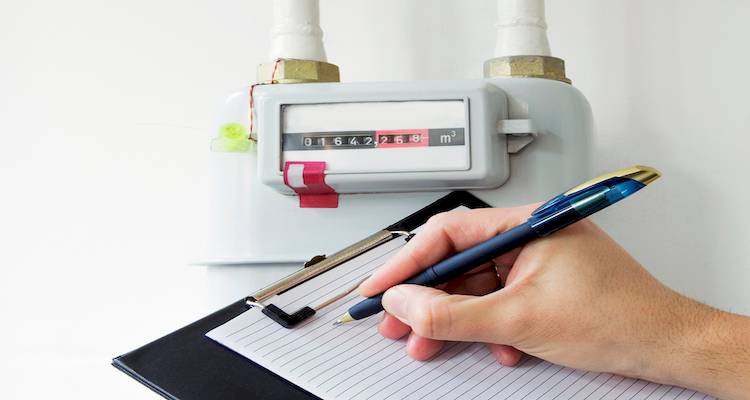
To be more specific about the requirements for landlords, the gas safety check must take place within the 12 months before a new tenancy begins.
Where a landlord has only just installed a new appliance or flue, they can instead check it within 12 months of the installation date, whichever is later. Tenants should receive a copy of the most recent record before they move in.
Who Can Provide a Gas Safety Certificate?
A certified gas safety engineer can provide you with this certificate, and they must be registered with the Gas Safe Register. Alternatively, a landlord may provide you with the certificate, which in turn, they must have received from a Gas Safe registered engineer.
What Does a Gas Safety Check Involve?
We'll now look at the steps required to perform a gas safety check before a gas safety certificate may be provided.
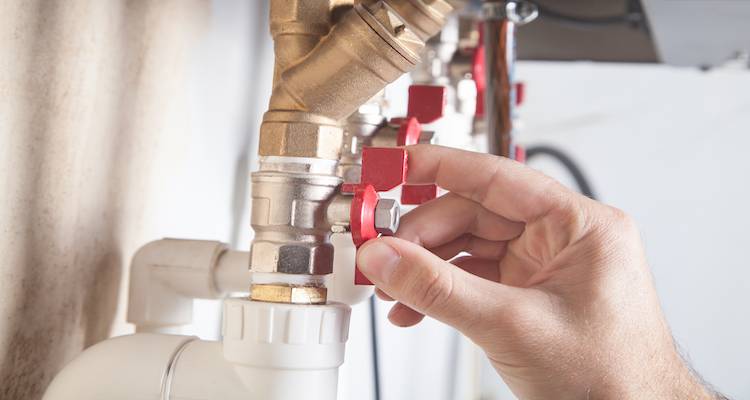
The following steps apply:
- Check the appliance for the level of gas tightness.
- Check the pressure of the functioning gas.
- Compare the burner pressure with the manufacturer's plate.
- Check that provision of all necessary ventilation is up to scratch.
- Check that the flue is clear and safely carrying combustion products out of the property.
- Check that the appliance itself is operating safely.
And How Long Is It Valid For?
Every appliance and flue must be checked at intervals of no more than 12 months. Landlords can have the check done up to 2 months before the deadline and keep the original renewal date, so booking early doesn't shorten the following year's cover.
This 2-month window applies in England, Wales and Scotland. Northern Ireland follows the same 12-month duty under its own regulations but has no early-check window, so checks there must fall within the 12-month period. Gas Safe Register covers engineers across Great Britain and Northern Ireland.
How Much Does a Gas Safety Certificate Cost?
What about the price?
Well, to have a home inspected for gas safety and to be provided with the relevant certificate, expect to pay approximately £60 to £100. The cost of a gas safety certificate will depend on the type and the specific engineer hired.
Additional Information
Did you know? When a Gas Safe registered engineer fits a new heat-producing gas appliance in your home, you should also receive a Building Regulations compliance certificate.
This document is issued because the installer notifies the work to building control, and it serves as your own evidence that the installation met the Building Regulations. It should reach you within 30 days of the work being completed. A buyer's solicitor will usually ask to see this certificate when you come to sell, and if the work was never notified, you may need to have it regularised with the council afterwards.
A duplicate Building Regulations Compliance Certificate may be received by contacting Gas Safe Register.
This costs just £6 (and this includes VAT). Alternatively, you can contact the Gas Safe Register on 0800 408 5500 and select option six.
Conclusion
We hope this guide has answered any questions you may have regarding gas safety certificates. We've looked at what such a gas safety certificate is, the various types that exist, when it is required, how much it costs, and other relevant subjects.
Again, only landlords are legally required to receive a gas safety certificate, but you may want to get one even if you are a regular homeowner.
Last updated by MyJobQuote on 7th September 2026.