Builders
 Carpenters
 Electricians
 Flooring Specialists
 Gardeners
 Handymen
 Heating Engineers
 Painters & Decorators
 Plasterers & Renderers
 Plumbers
 Roofers
 Tilers
 my
myUK Garden Plant Statistics: The Most Common Plants and Trees in British Gardens
Gardens across the UK contain a huge range of different plants that reflect both the country’s rich horticultural heritage and the personal tastes of millions of homeowners. Across Britain, there are an estimated 25.8 million gardens, collectively covering around 959,800 hectares. This is approximately 4.6% of the UK’s total land area. This vast network of private green spaces hosts millions of trees and plants.
Together, the UK’s gardens are larger than all of our National Nature Reserves combined, according to The Wildlife Trust. This means that they are just as important for wildlife as they are for our own well-being.
From pretty flowers and decorative shrubs to fruit trees and edible crops, British gardeners cultivate a wide range of different plants. The types of plants can vary depending on the climate in the area, the size of the garden, and changing trends.
This article will go through the most common plants and trees that you can find in UK gardens, backed by statistics and insights into how our nation’s planting habits are evolving. From choosing to grow more crops at home to the sheer number of trees that can be found in private gardens, we have got all the information you need.
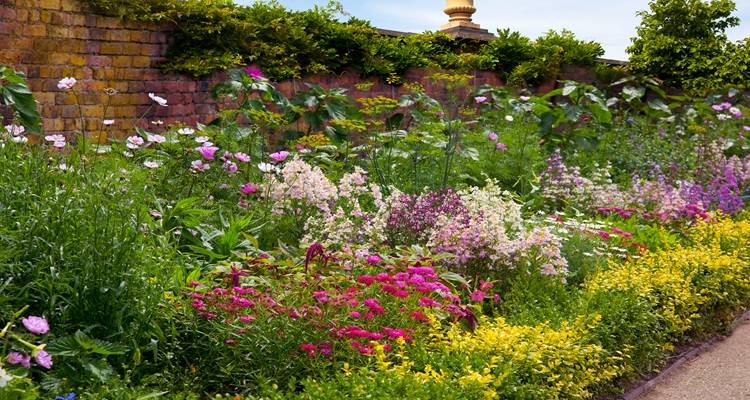
Table of Contents
- How Many Plants Are Found in UK Gardens?
- The Most Common Flowers in UK Gardens
- Popular Shrubs and Garden Plants
- The Most Common Trees in UK Gardens
- Common Plants Found in UK Gardens
- Edible Plants and Grow-Your-Own Trends
- Plants That Support Pollinators
- Native vs Non-Native Plants in UK Gardens
- Trends in Garden Planting
- Conclusion
How Many Plants Are Found in UK Gardens?
UK gardens play a huge role in supporting biodiversity. Research from the RHS suggests that there are around 50 million trees in UK gardens alone. This highlights their importance beyond just aesthetics.
- According to the RHS, UK gardens contain over 308,000 cultivated plant types.
- Of the almost 3,500 British plant species, non-native plants now outnumber native species by 51% to 49% as a result of centuries of introductions, according to the Natural History Museum.
This diversity is very important for:
- Pollinators such as bees and butterflies
- Wildlife habitats for birds and small mammals
- Soil health through root systems and organic matter
- Urban ecosystems help to reduce heat and improve air quality.
With so many different plants in UK gardens, it is no wonder that they are so important for our nation. All of these different plants serve various purposes, and many of them help to support our local wildlife. This is why UK gardens are extremely essential for ensuring biodiversity.
The Most Common Flowers in UK Gardens
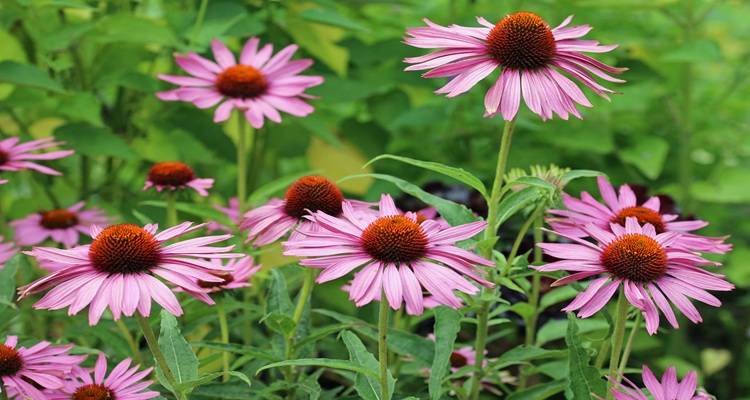
Flowering plants are a true staple of British gardens. They are valued for their colour, fragrance, and their ability to attract pollinators. There are many different types of flowers in UK gardens; however, some types are more common than others.
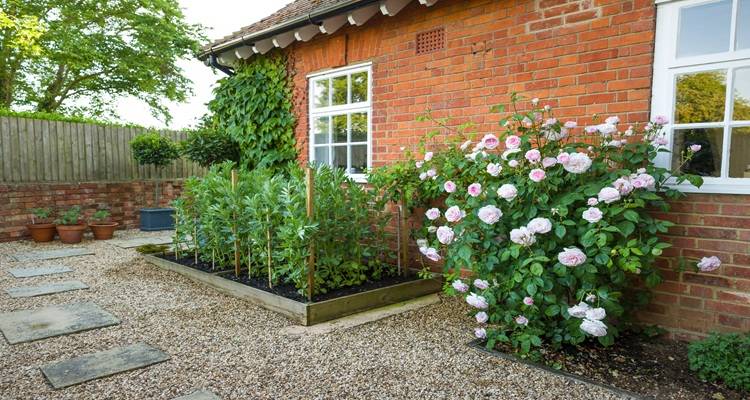
Below is a list of the most common flowers found in UK gardens:
- Roses – These are a very traditional and romantic favourite, with a range of colour options.
- Lavender – This is popular for its fragrance and its appeal to pollinators.
- Geraniums – These are widely used in containers and bedding displays.
- Daffodils – These are a beautiful spring favourite.
- Tulips – These are key flowering plants.
- Petunias – A brilliant, low-maintenance plant.
- Marigolds – these are great for their long flowering periods.
These particular plants listed above are very popular for many reasons, including the following:
- Ease of maintenance
- Pollinator attraction
- Long flowering seasons
- Traditional British garden styles
Popular Shrubs and Garden Plants
Shrubs commonly form the backbone of many UK gardens. They help to provide structure, privacy, and year-round interest.
Below is a list of common shrubs and garden plants that you may find in UK gardens:
- Hydrangeas – These are known for their rather large, colourful blooms.
- Boxwood (Buxus) – This is widely used for hedging and topiary.
- Rhododendrons – These are popular in acidic soils.
- Azaleas – These are also popular in acidic soils.
- Buddleia (butterfly bush) – This plant attracts butterflies and pollinators.
- Hebe – This plant is favoured for evergreen foliage and compact growth.
Shrubs account for a very large portion of garden planting. The evergreen species of plants are particularly valued for year-round coverage and privacy screening.
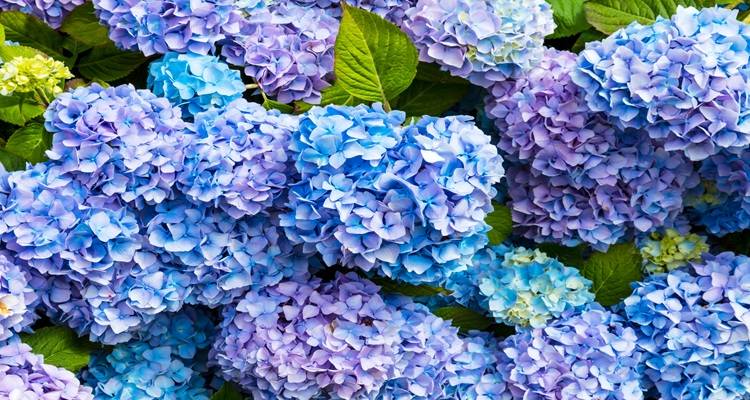
Shrubs are most commonly used in gardens for the following reasons:
- Adding structure and height
- Providing seasonal interest
- Creating privacy and screening
The Most Common Trees in UK Gardens
Trees are extremely popular in UK gardens. In fact, the RHS reports that there are 50 million trees in UK gardens. This is a staggering number and shows just how important UK gardens are for increasing the number of trees in the nation overall.
Below is a list of the most common trees that can be found in UK gardens:
- Apple trees – This is one of the most popular types of fruit trees in the UK. According to research, there are over 2000 different apple varieties that grow in the UK.
- Cherry trees – These are very popular, particularly for their spring blossoms.
- Silver birch – This is a lightweight and fast-growing ornamental tree.
- Rowan – This tree is very attractive and provides berries for wildlife.
- Acer (Japanese maple) – This tree is popular for its autumn colour.
- Magnolia – These trees are known for their striking early blooms.
According to a research survey conducted by the RHS, over 60% of respondents reported having at least one tree in their garden.
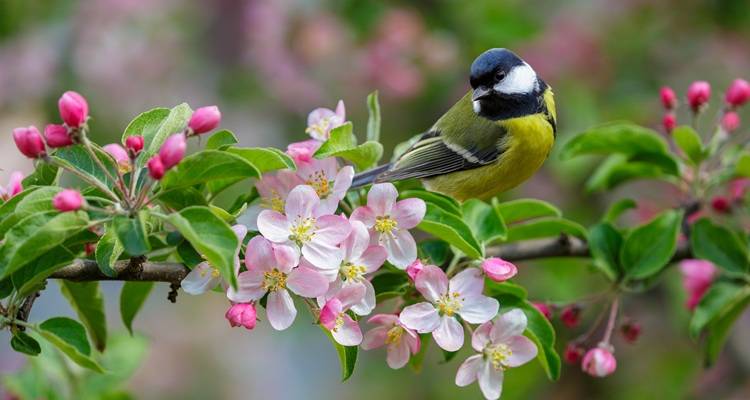
In the East of England, Midlands and South West, they report 2 in 3 gardens having a tree. These figures reflect the growing awareness of the environmental benefits of trees.
Smaller trees are very popular in UK gardens for many reasons, including the following:
- They suit the typical UK garden sizes.
- They require less maintenance.
- They provide both ornamental and ecological value.
Common Plants Found in UK Gardens
| Type of Plant | EXAMPLES | WHY THEY ARE POPULAR |
|---|---|---|
| Flowers | Roses, lavender, tulips, daffodils, petunias | Colour, fragrance, pollinator support |
| Shrubs | Hydrangea, rhododendron, buxus, buddleia | Structure, privacy, seasonal interest |
| Trees | Apple, cherry, birch, acer, magnolia | Shade, blossom, ornamental value |
| Edible Plants | Tomatoes, herbs, strawberries, potatoes | Homegrown food, cost savings |
| Pollinator Plants | Lavender, foxglove, sunflowers, wildflowers | Supports bees and biodiversity |
Edible Plants and Grow-Your-Own Trends
Growing food at home has surged in popularity over recent years. During the COVID-19 pandemic, we saw an increase of 7 million gardeners in the UK, and many of these chose to grow their own crops due to uncertainties with crops at the time.
This led to many people keeping up this trend. Also, with the cost-of-living crisis and people shifting more towards sustainability, more and more people are starting to grow their own food and herbs at home.
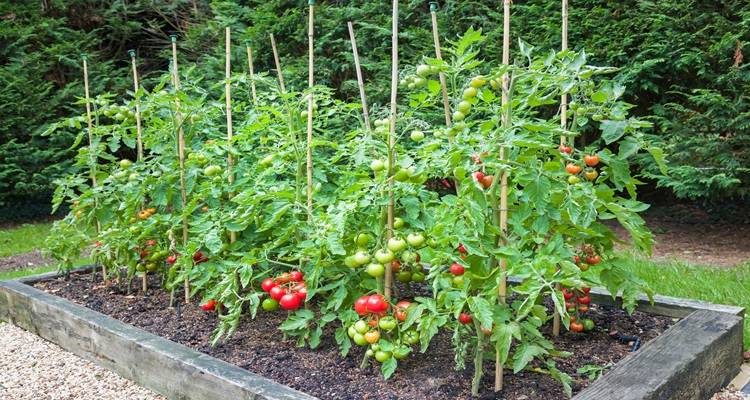
Common edible plants for UK gardens include the following:
- Tomatoes
- Strawberries
- Herbs (mint, rosemary, basil)
- Potatoes
- Salad crops
This trend is driven by the following:
- An increased interest in sustainability
- The desire for cost savings amid rising food prices
- A focus on healthier eating
- Gardening is a nice, relaxing hobby
Plants That Support Pollinators
One major focus of gardening in the UK now is planting pollinator-friendly plants. Nearly 90 % of the world's wild flowering plant species depend on pollination, along with more than 75% of the world's food crops and, in turn, the pollinators rely on these plants.
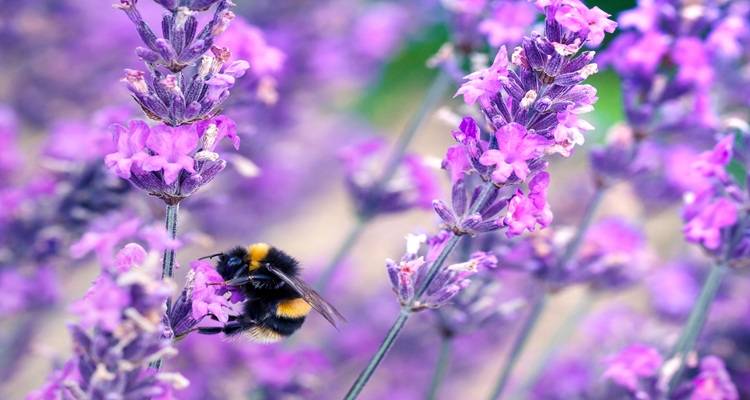
In order to support pollinating insects, it’s important that we consider planting pollinating plants in our gardens. Below is a list of common pollinating plants that you can grow in your garden in the UK:
- Lavender
- Foxglove
- Buddleia
- Sunflowers
- Wildflowers
These plants provide nectar and pollen, helping to sustain bees, butterflies, and other essential insects.
Native vs Non-Native Plants in UK Gardens
UK gardens often feature a mix of native and non-native species. Of the almost 3,500 British plant species, non-native plants now outnumber native species by 51% to 49% as a result of centuries of introductions, according to the Natural History Museum.
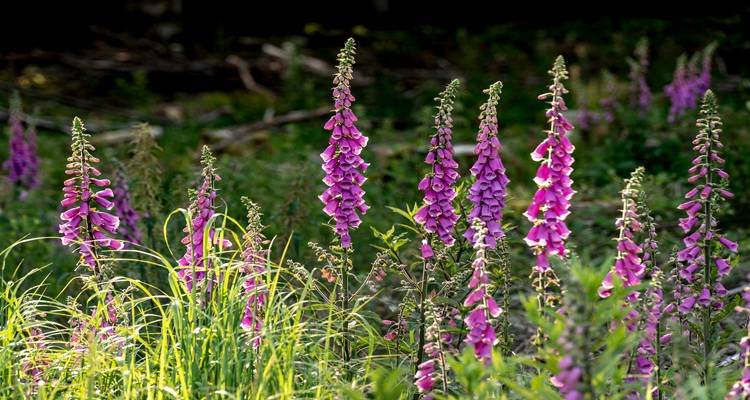
Native plants such as foxgloves, hawthorns, and primroses support more wildlife and local ecosystems. As they are native to this country, they are supportive of our country’s wildlife, including animals, insects, and other wildlife.
Non-native ornamental plants offer some aesthetic properties and visual variety within a UK garden. Some varieties will provide extended flowering seasons, which can be appealing to people who like to enjoy their garden space all throughout the year.
It is best to opt for a more balanced approach with both native and non-native plants. Gardens with diverse planting can support more species overall.
Trends in Garden Planting
Modern UK gardening trends tend to reflect the growing environmental awareness and lifestyle changes.
We are seeing a variety of new trends, including the ones listed below:
- Wildlife-friendly planting
- Native plant gardening
- Drought-tolerant plants due to climate change
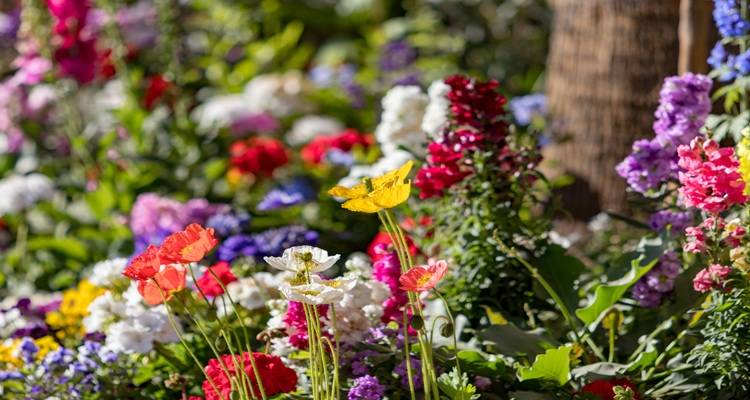
- Cottage-style gardens with dense, informal planting
- Pollinator-friendly flower beds
- Growing produce and edible plants
Homeowners are now actively trying to support wildlife in their gardens.
- Private gardens play a major role in supporting wildlife and urban cooling.
- In a government survey, 97% of respondents reported that they provide food for wild animals such as birds (GOV.UK).
- 90% reported that they plant and maintain pollinator-friendly plants (GOV.UK).
- 83% stated that they maintain plants with berries or fruits (GOV.UK).
Conclusion
UK gardens are extremely diverse. They contain everything from traditional roses and shrubs to fruit trees and edible crops. With millions of gardens collectively supporting the humongous numbers of plants, they play a very important role in biodiversity, urban ecosystems, and wildlife conservation.
Plant choices not only shape the visual appeal of outdoor spaces but also contribute to environmental health. As trends continue to shift towards sustainability and wildlife-friendly gardening, the importance of plant diversity in maintaining healthy garden ecosystems has never been greater. There are so many different plants in UK gardens. They are an extremely diverse space and are incredibly important to the nation overall. You can see just how essential UK gardens and plants are from the stats above.
Last updated by MyJobQuote on 6th May 2026.