Builders
 Carpenters
 Electricians
 Flooring Specialists
 Gardeners
 Handymen
 Heating Engineers
 Painters & Decorators
 Plasterers & Renderers
 Plumbers
 Roofers
 Tilers
 my
myData on Smart Home Integration (UK-led, data-first)
Data on smart home integration
Smart home integration refers to the use of connected devices such as smart thermostats, lighting, speakers, cameras, and appliances that work over wi-Fi or other wireless networks and can be automated or centrally controlled. Integration goes beyond owning and using just individual devices. It involves linking multiple devices through platforms such as Amazon Alexa or Google Home so that they all work together through routines or shared controls.
In this article, we have compiled the most reliable smart home integration statistics with a focus on the UK market. These statistics show how the smart home market is evolving, which categories are dominating the market, and what is driving uptake, as well as the barriers that still remain.
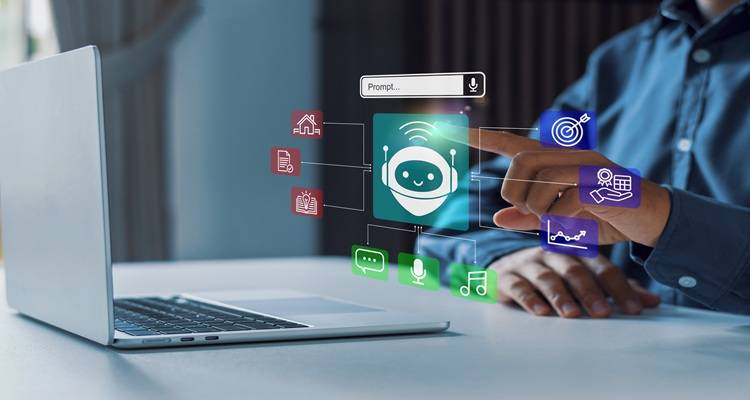
Table of Contents
Key stats at a glance
- According to an Ofcom report, it found that 39% of UK households own a smart speaker (as of 2023) (Ofcom, 2023).
- By 2027, it is expected that 50.2% of UK households will have smart home products (GreenMatch, 2024).
- As of September 2025, over 40 million smart and advanced meters have been installed across Great Britain (Smart Meter Statistics in Great Britain Report, 2025).
- Three in 10 British adults (30%) now use digital assistants at least once a day (YouGov, 2025)
- According to statistics from 2024, 21% of UK properties have a smart thermostat. Over the past decade, these devices have collectively saved customers almost £325 million on energy bills (GreenMatch, 2024).
- The UK smart home market size is expected to exhibit a growth rate of 9.12% during 2025 – 2033, according to research by IMARC Group, 2024.
What counts as "smart home integration"?
Smart home integration comprises several key components:
- Connected devices – heating controls, cameras, lighting, plugs, appliances.
- Connectivity standards – Wi-Fi, 4G, 5G, etc.
- Control platforms – Amazon Alexa, Google Assistant, Apple HomeKit
Simply owning one smart device does not necessarily mean that your home is integrated. Integration implies automation, cross-device communication, and unified control through apps or voice assistants.
The launch of the Matter interoperability standard in 2022, backed by Apple, Google, Amazon and Samsung, was designed to address fragmentation in smart home ecosystems (Connectivity Standards Alliance, 2026).
Adoption and penetration
UK smart home adoption has grown steadily over the past five years. According to an Ofcom report, it found that 39% of UK households own a smart speaker (as of 2023). This is up from 22% in 2020, indicating a mainstream uptick in the number of people choosing to have and use voice-controlled hubs in their homes (Ofcom, 2023).
Research by Green Match indicates that 39% of households were using smart devices in the home in 2024, and by 2027, it is expected that 50.2% of UK households will have smart home products (GreenMatch, 2024). This indicates a huge uptick in the number of people adopting smart home technologies.
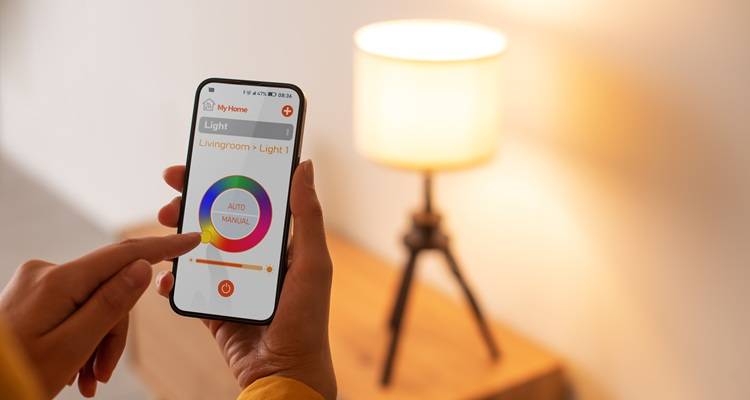
As of September 2025, over 40 million smart and advanced meters have been installed across Great Britain. 70% of all meters at this time were now smart or advanced meters, with 37 million operating in smart mode (64%) (Smart Meter Statistics in Great Britain Report, 2025). Smart meters are the most common type of smart home device in the UK, and the vast numbers show how smart home technologies are dominating the current and future market.
Most common smart home categories
Below is a table showing the most common smart home devices according to a survey conducted by YouGov in 2025:
| TYPE OF SMART DEVICE | PERCENTAGE OF HOMEOWNERS WHO OWN SAID DEVICE |
|---|---|
| Smart Meter | 39% |
| Smart voice-controlled speaker | 35% |
| Smart home security cameras, sensors, or alarms | 18% |
| Smart home thermostat | 14% |
| Smart lighting system | 12% |
| Smart washing machine/tumble dryer | 8% |
| Smart scale or other smart health device | 6% |
| Smart vacuum cleaner | 4% |
| Smart fridge/freezer | 3% |
| Smart dishwasher | 3% |
| Smart microwave | 2% |
| Smart hob | 2% |
| Smart kettle | 1% |
| Other | 2% |
| None of the above | 32% |
According to the research conducted by YouGov, higher-income households are significantly more likely to own multiple smart home devices. Their example highlights that 12% of higher-income households own a smart washing machine or tumble dryer compared to 5% in lower-income households.
Also, 7% own a smart vacuum compared to 2% in the lower-income group. This same pattern applies to smart fridges and freezers (5% vs 2%) and dishwashers (6% vs 2%). It also notes that the smart home security cameras and smart washing machines are most common among Brits who are aged 35 – 44.
Drivers of adoption
There are several reasons why people are looking to invest in smart home integration these days. Below is a list of the main drivers influencing people’s decisions towards smart home technologies:
Energy Costs and Efficiency
Rising energy prices are one of the main drivers towards smart home integration, especially when it comes to connected heating systems. The current energy price cap is set at £1,758 per year for a typical household that uses electricity and gas and pays by direct debit. This is an increase of 0.2% compared to the price cap that was set between 1st October and 31st December 2025 (Ofgem, 2026).
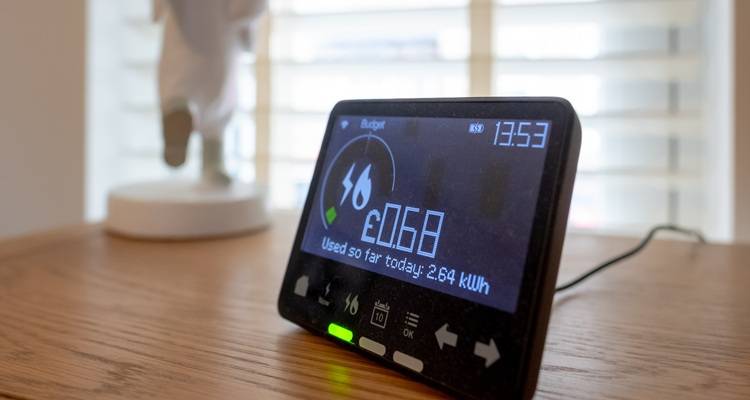
As of September 2025, over 40 million smart and advanced meters have been installed across Great Britain (Smart Meter Statistics in Great Britain Report, 2025). A smart meter is a type of digital device that records gas and electricity usage in real-time, and it then automatically sends this data to energy suppliers. This means that manual readings are no longer needed. It features an in-home display (IHD) which shows your energy usage in pounds and pence. This helps you to manage your usage and improve efficiency.
Security and Peace of Mind
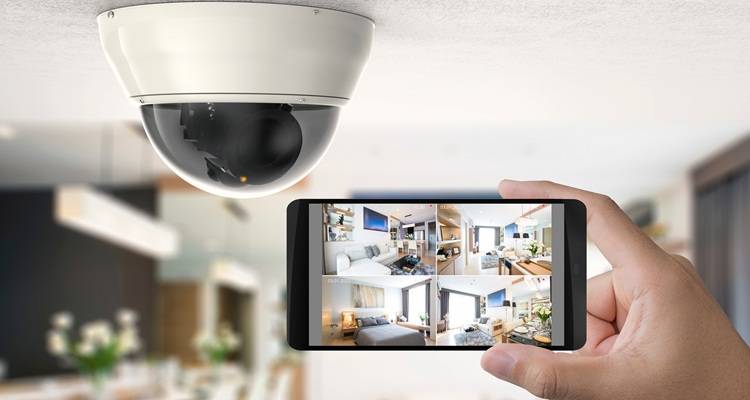
The increase in connected doorbells and cameras is linked to growing security concerns. A study by ERA in partnership with Neighbourhood Watch found that 39% of Neighbourhood Watch members are using external security cameras and 30% have video doorbells (National Merchant Buying Society, 2024).
Convenience and Automation
Digital assistants and automation technologies are becoming an integral part of modern homes. Many people use smart technologies due to their convenience. In modern times, we are all very busy, and the convenience of automation makes our lives much simpler and easier. According to YouGov, three in 10 British adults (30%) now use digital assistants at least once a day (YouGov, 2025).
According to the data, among the people who use digital assistants daily, standalone speakers are the most popular access points, with 68% of users relying on these types of devices. Smartphones are another common device, with 55% relying on these. Tablets, PCs and wearable tech are the next most common choices.
Smart heating and energy management (why it matters now)
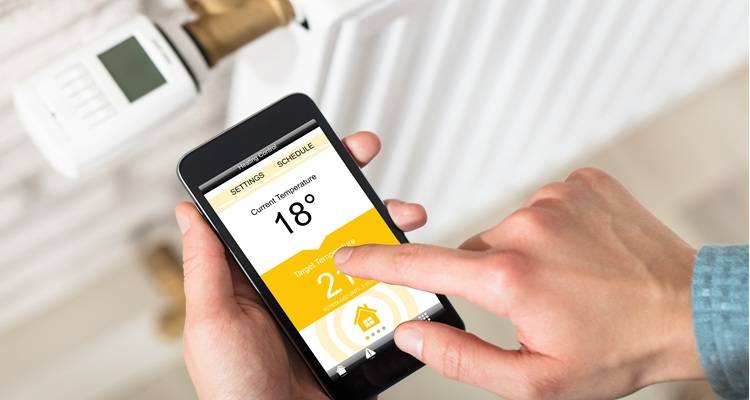
Smart thermostats and TRVs are becoming increasingly popular within the energy management field. According to statistics from 2024, 21% of UK properties have a smart thermostat. Over the past decade, these devices have collectively saved customers almost £325 million on energy bills (GreenMatch, 2024).
Smart radiator valves allow you to select the exact temperature of a room, rather than just a range. You can also control your heating right from the palm of your hand, as you can manage smart TRVs remotely through a smartphone app. You can control your TRVs from anywhere in the world, offering convenience.
Interoperability and standards
One of the things that slowed down the adoption of smart home technologies in the past was the issue with competing ecosystems. There were concerns with the compatibility of different devices, such as Alexa, Google and Apple.
The introduction of Matter in 2022, supported by over 280 companies, aims to standardise communication between devices. Many new smart technology devices will have the Matter logo, and many existing smart home products will be upgradeable to Matter via software updates (Matter, 2026).
Barriers and concerns
Despite the ongoing growth of the smart home technology market, there are still some barriers that remain. Data privacy concerns continue to be an important and widely cited topic in Human-Data Interaction, consumer, technology acceptance and socio-technical areas of research (Taylor & Francis Group, 2024).
Cost is another barrier. For example, smart home thermostats can cost around £100 - £300 for the unit alone, without the cost of installation. Similarly, smart boiler installations can reach several thousand pounds, depending on the model. In a different category, smart doorbells can cost around £50 - £200+ for the unit alone. This means that the potential adoption for lower-income households is limited.
Compatibility and complexity are also barriers. This is particularly true for older homes that may be lacking adequate wiring or broadband coverage. Homes in rural areas have issues with connectivity. According to the UK parliament, slow speeds in rural areas are a barrier to growth, and the lack of connectivity is leading to increased isolation and social exclusion.
What the data suggests for UK homes in the next 2–5 years
Market forecasts indicate that smart home integration will continually expand. According to Statista, revenue in smart homes worldwide is expected to show an annual growth rate of 8.99%, resulting in a projected market volume of £177.5bn by 2029 (Statista, 2024).
According to IoT analytics, the number of connected devices worldwide is expected to reach a staggering 39 billion in 2030 ((IoT analytics, 2025). This suggests continued market growth worldwide in the near future.

The UK smart home market size is expected to exhibit a growth rate of 9.12% during 2025 – 2033, according to research by IMARC Group, 2024. According to their research, the market is driven by the growing reliance on 5G networks, as it provides a quicker and more dependable internet connection, allowing for seamless communication among smart home devices, along with a rising ageing population in the country.
Last updated by MyJobQuote on 27th February 2026.