Builders
 Carpenters
 Electricians
 Flooring Specialists
 Gardeners
 Handymen
 Heating Engineers
 Painters & Decorators
 Plasterers & Renderers
 Plumbers
 Roofers
 Tilers
 my
myAsk a Trade
Got a question that only a tradesperson can answer? We have thousands of trades ready to answer any question you may have.
Ask your question
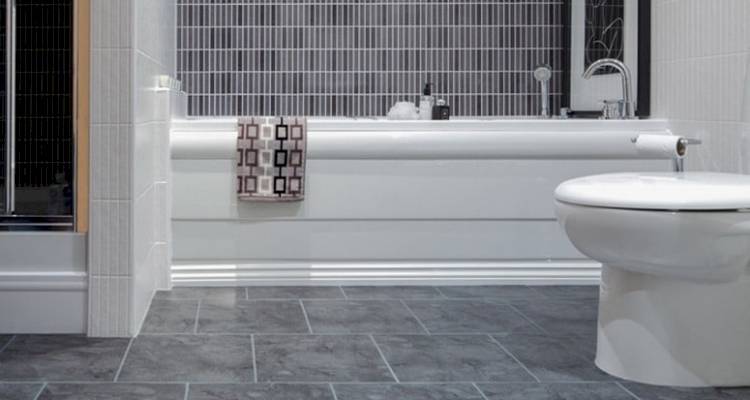
Cutting and placing tiles to fit perfectly around the base of a toilet needs careful planning and precision. To get the best results read our detailed step-by-step guide that covers everything, including tools, you need to know about how to tile around a toilet.
Below is a list of the tools that you will need to tile around a toilet:
Below is a list of the recommended safety equipment that you will need when tiling around a toilet:
Below is a list of the materials that you will need to tile around a toilet:
To prepare for tiling around a toilet, you want to ensure that you have already tiled the rest of the room. The toilet and any other obstacles should be the last things you tile around as these are the most difficult.
Before you start tiling around the toilet, you should wait for the rest of the tiles to dry so that you can step on them without them moving around at all.
When tiling a bathroom the best way to tile around a toilet is to create an accurate paper template, so you have something to work off and know how the tiles will need to be cut. We will go over how to do this and provide more information in our step-by-step guide on 'how to tile a bathroom floor around a toilet' below.
Below is a step-by-step guide on how to cut tiles around a toilet. If you decide to hire a professional tiler, they may go about the project slightly differently due to their prior experience.
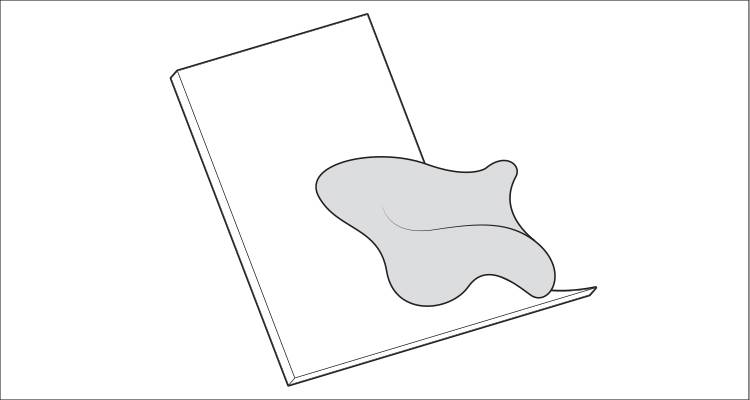
Cut a piece of paper to the same size as your uncut tiles ready to use as a template.
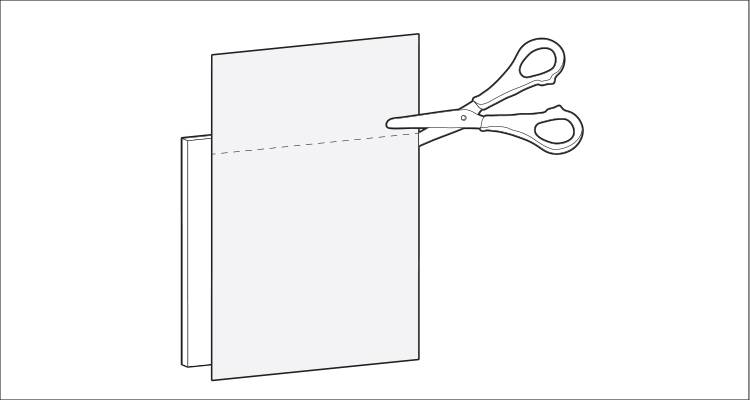
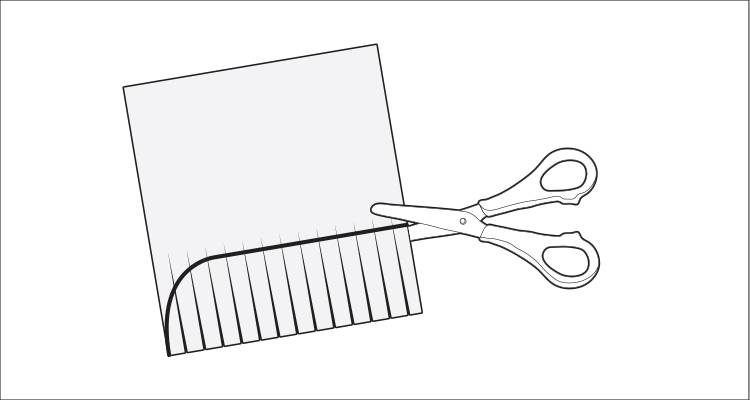
Using your paper template, cut several slits in the paper (around 5 to 10mm wide) so they are slightly longer than the overlap around the toilet base. This will allow the paper to bend around the shape of the toilet, providing an accurate template to use on your actual tiles.
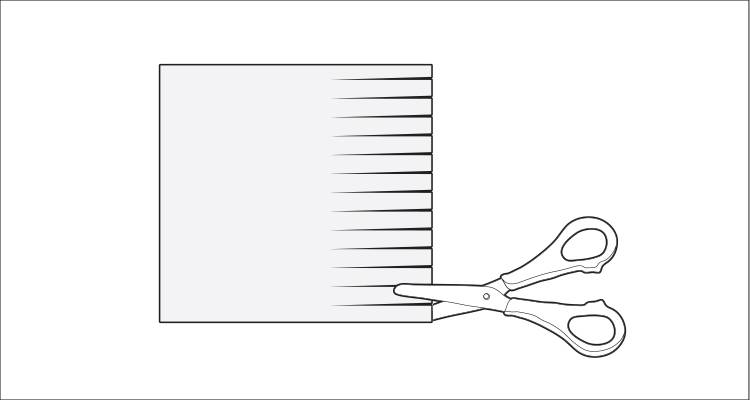
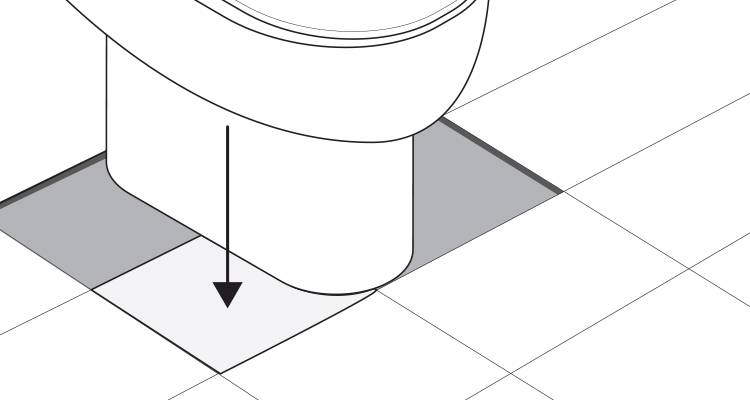
Place the paper tile into position next to your existing tiles with the cut slits next to the toilet, leaving enough space for the grout gap.
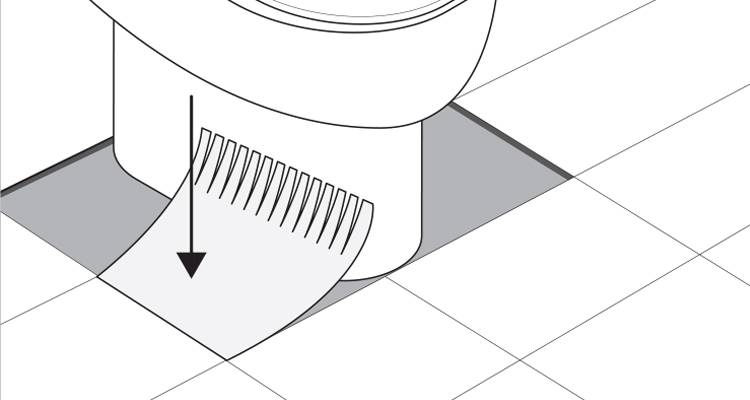
Carefully fold back each strip of the paper, pressing them against the obstructing toilet.
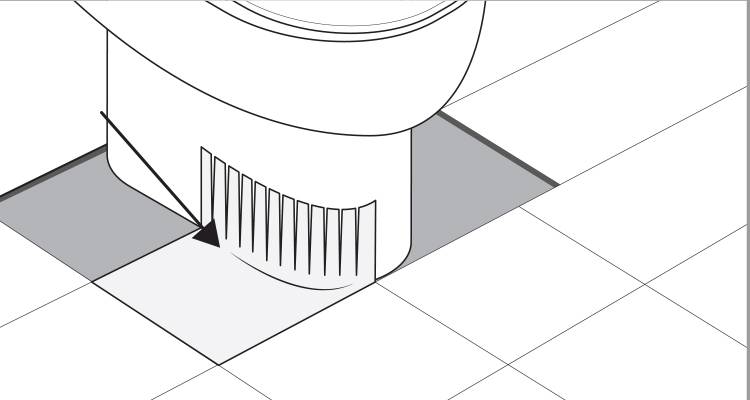
Then, draw a line with a pen or pencil on the paper template along the shape of the toilet base.
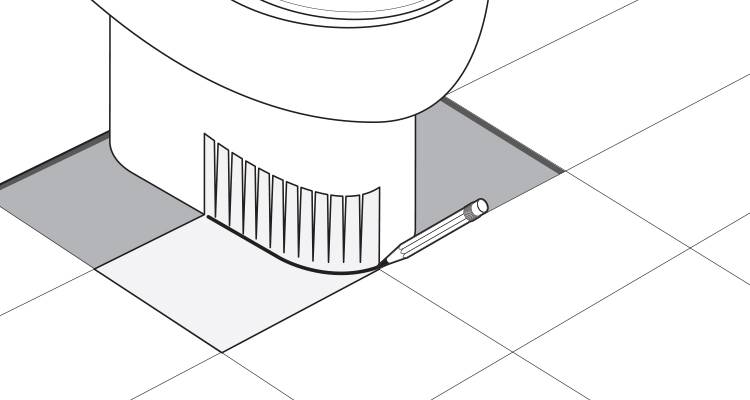
Remove the paper tile and cut along the line using scissors.
Place the paper tile back into position and check again that the position is exactly right.
Then, secure the paper to a new tile using tape and mark along the edge of your template using a pencil or pen.
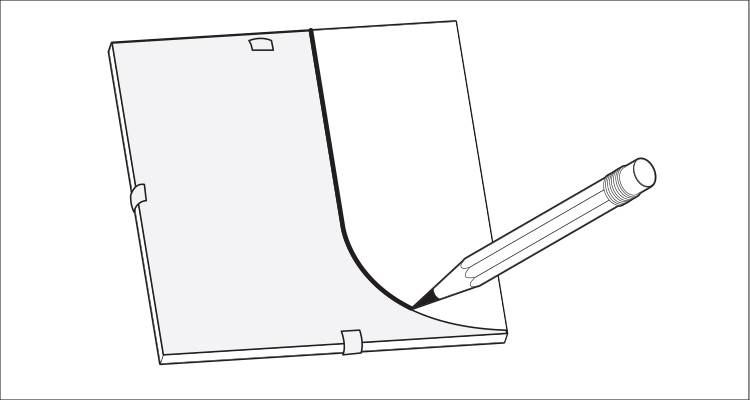
Scratch over the marked line using a tile scribe to mark the tile and help create a clean cut.
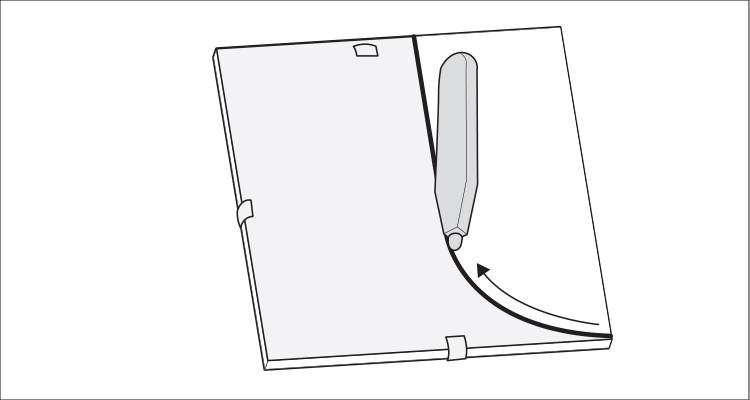
Then, use a tile nipper to take small chunks off the tile to shape it accordingly. Keep chipping away until you reach the marked line. This should then make it the right shape to fit around your toilet.
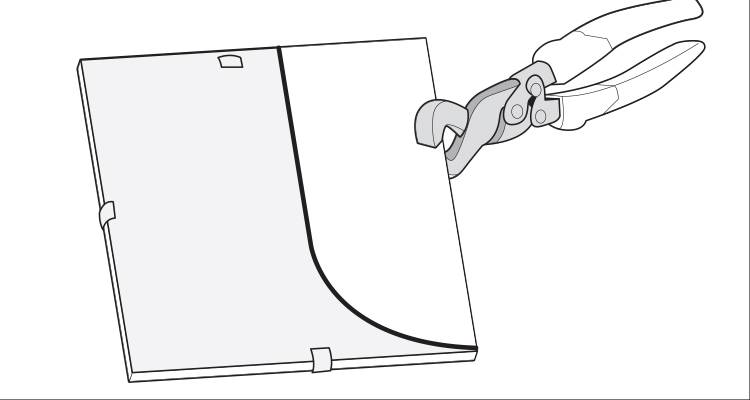
Once you've finished cutting your tile to the right shape and size, use a tile file or very fine sandpaper along the edges to ensure a smooth cut.
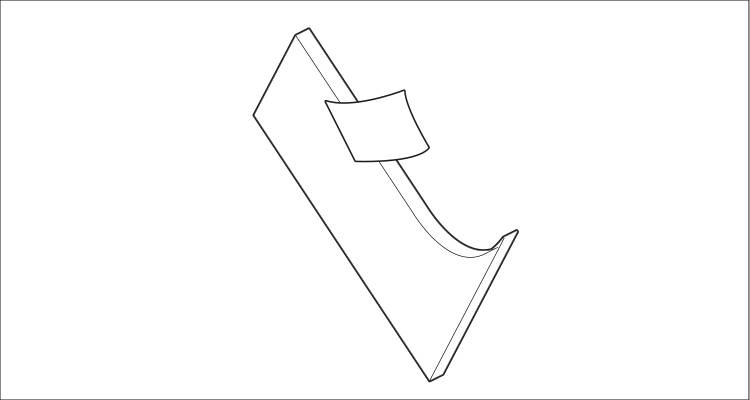
Then, wipe the tile down with a wet cloth to eliminate any dust or remaining splinters.
Now, check that the tile fits snugly against the toilet.
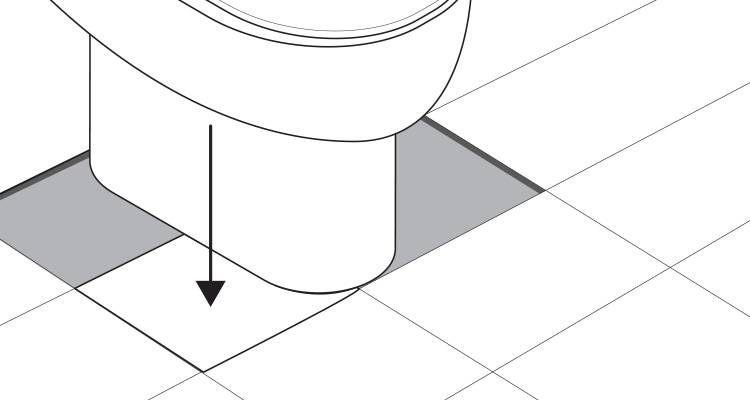
Once you're happy with the fit of the tile, apply adhesive and press it into the gap.
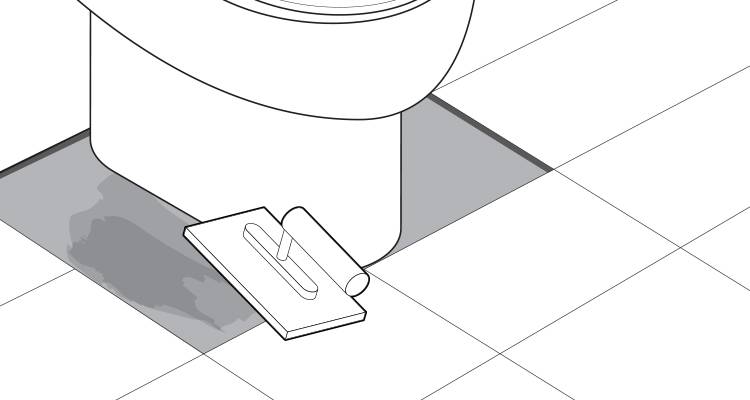
Repeat these steps for all of the tiles around the toilet and once they have fully set (usually within 24 hours) you can begin grouting, ensuring you follow the manufacturer's instructions.
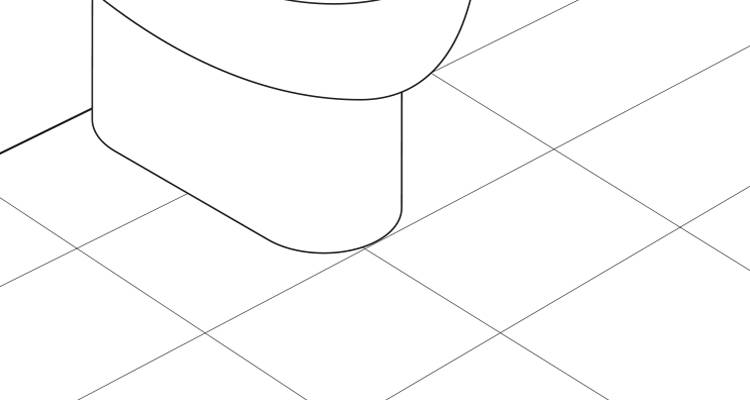
Below is a list of the most popular tile types for tiling around your toilet:
Ceramic tiles come in a range of colours, sizes, shapes, and finishes. These are strong tiles that are easy to maintain and are cost-effective.
These synthetic tiles are easy to install and less prone to cracks or breakages. They are also low in cost compared to other tiles and come in a range of colours and styles.
Marble tiles are traditional and sophisticated, and they come in a range of sizes and styles. They add an interesting range of textured colour to the bathroom.
Granite tiles are very attractive and versatile. They also come in a range of colours and styles, and providing they are sealed correctly are resistant to moisture and stains.
Porcelain is hard, durable, and moisture-resistant. They come in a number of different colours and styles to suit your taste.
There are several ways in which you can easily maintain your floor tiles and keep them looking and performing their best. Below is a list of things that you can do to keep on top of maintaining your tiles:
It is recommended to clean your bathroom floor tiles at least once a week. However, the frequency may vary depending on the bathroom's usage, the type of tile, and how your tiles respond to moisture.
Below is a step-by-step guide on how to remove floor tiles, although be cautious during this process so that you don't cause any damage to the subfloor:

Although removing the toilet can result in a cleaner, more professional finish to your tiling by avoiding cutting around the obstruction, it's not always practical. As such, using the paper template technique outlined above will help resolve the issue while giving you the best possible results.
To ensure even spacing around the toilet, use tile spacers between each tile and along the edges. It's important to make sure the grout gap is consistent and wide enough (at least 3mm), but take out the spacers before grouting.
You will need to cut the tiles to fit around the soil pipe using a template, then use a pan connector sealed with rubber seals to keep the watertight seal between the toilet and the soil pipe.
Floor tile adhesive is a cement-based powder that's mixed with water before use. Ready-mixed tubs of adhesive are not suitable for floor tiles. For porcelain tiles, you'll usually need to use a polymer-enhanced cement-based adhesive.

Copyright 2026 MyJobQuote.co.uk. All rights reserved
Privacy Policy | Terms and Conditions | Sitemap
MyJobQuote.co.uk is rated 4.67 stars by reviews.co.uk based on 4135 reviews