Builders
 Carpenters
 Electricians
 Flooring Specialists
 Gardeners
 Handymen
 Heating Engineers
 Painters & Decorators
 Plasterers & Renderers
 Plumbers
 Roofers
 Tilers
 my
myAsk a Trade
Got a question that only a tradesperson can answer? We have thousands of trades ready to answer any question you may have.
Ask your question
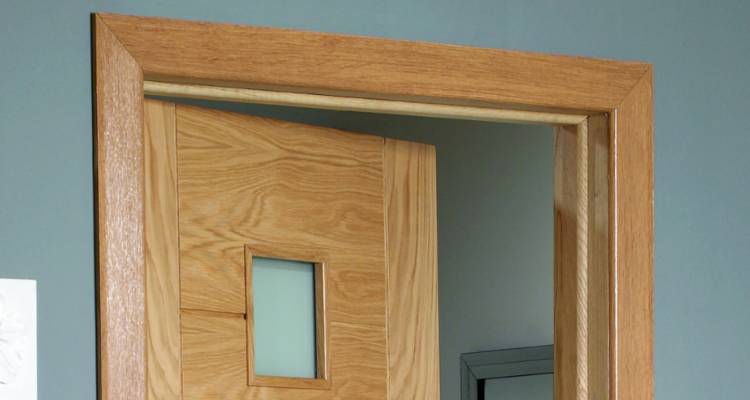
We've created a step-by-step guide that's easy to follow, so you can learn how to put up architrave correctly. Check it out below!
Here is a list of the tools that you will need for an architrave fitting:
Below is a list of the recommended safety equipment when fitting architrave:
Below is a list of the materials that you will need for an architrave installation:
When preparing ahead of replacing skirting and architrave, you should run a pipe and cable detector along all of the edges of the door to help find any hidden pipes or cables behind the wall where you are about to work.
Below is a step-by-step DIY guide on how to install an architrave around a door. Alternatively, you can find a local carpenter that can help:
Use a tape measure to draw marks 6mm from the edge of the door casing. Do this down both sides and across the top. Join the marks using a spirit level or straight edge. This will give you three lines to which the architrave will be aligned.
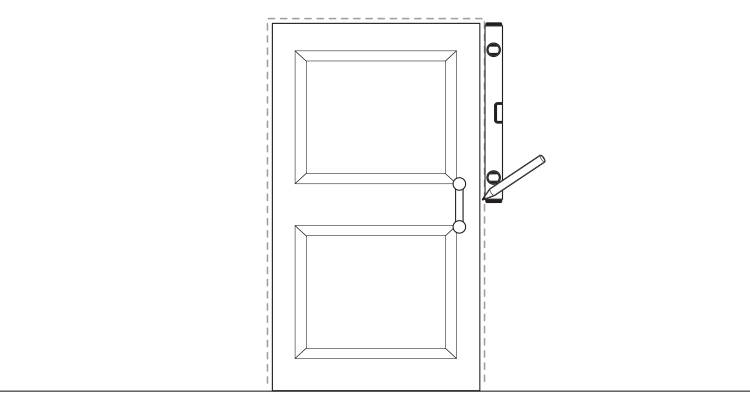
Then, measure the line across the top of the door. Mark the length onto the architrave's inner edge but make sure you leave room at either end to allow for the mitre cuts.
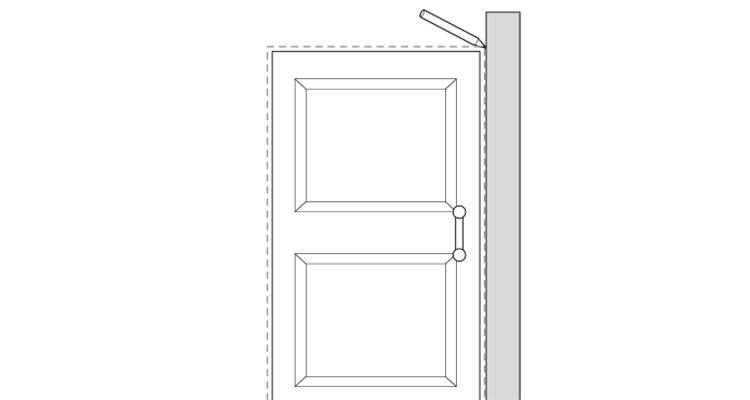
You should then mark the intended direction of the mitre cuts onto the architrave.
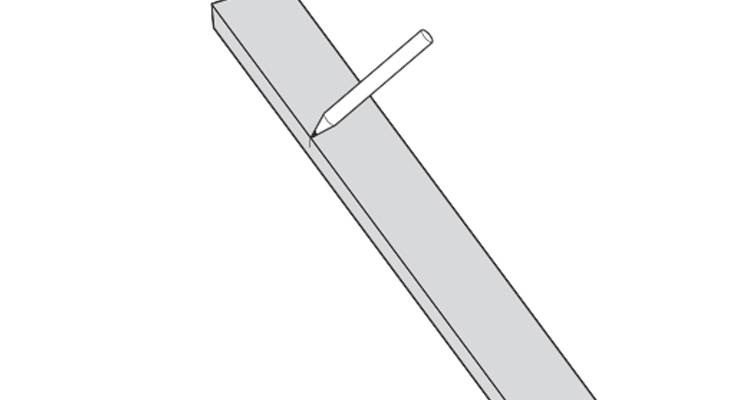
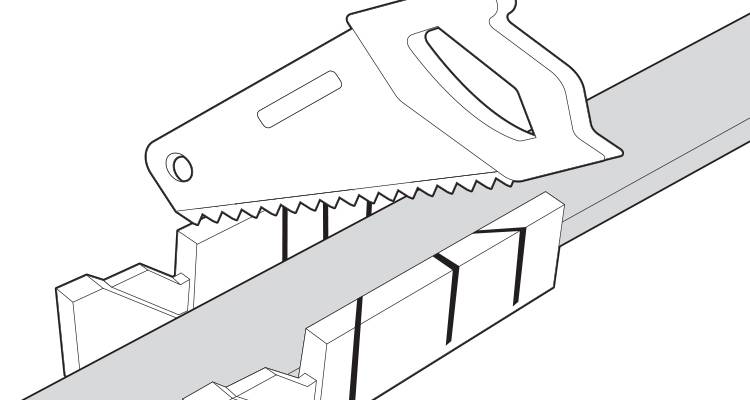
Secure the mitre box onto your work bench and then lay the architrave on it with the flat side facing down.
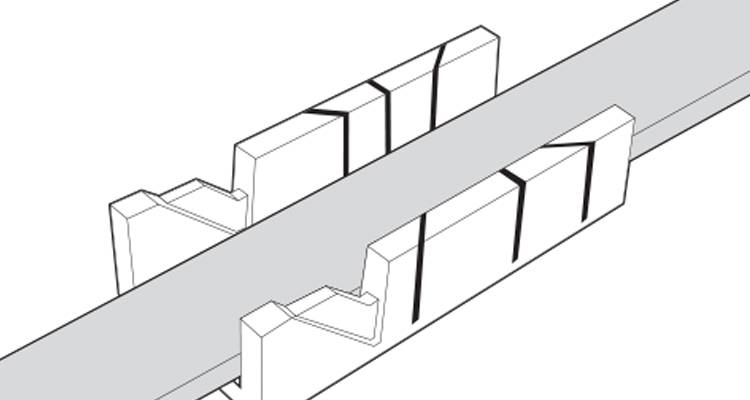
Use your saw to make the two 45 degree mitre cuts. Once you've made the cuts, lightly sand the edges until they're smooth.
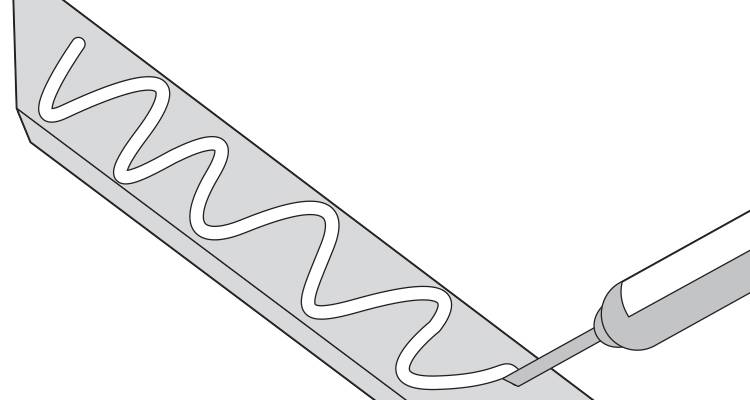
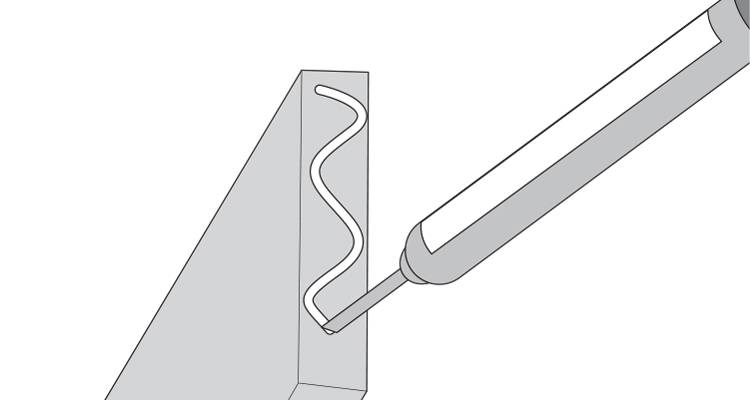
Apply a thin bead of grab adhesive along the back of the headpiece where it will contact the wall and door frame. Apply evenly as per the below diagram.
Then, carefully fix the headpiece into position along the 6mm line above the door. Ensure that the mitred corners are in line with the corners on your markings.
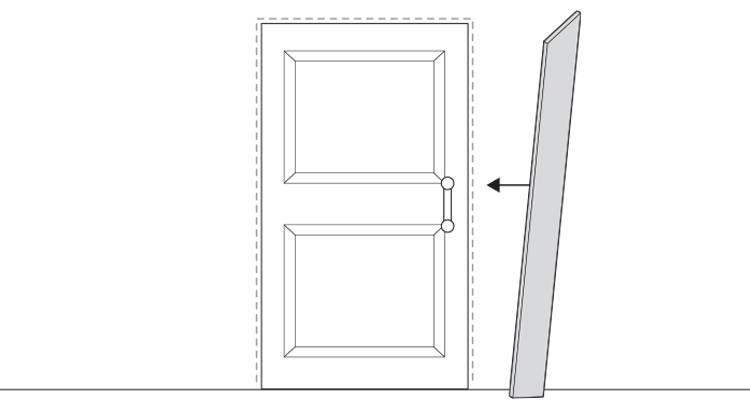
To hold the architrave in position while the adhesive dries, you should then hammer four 40mm lost head nails evenly spaced into the architrave and casing of the wooden door.
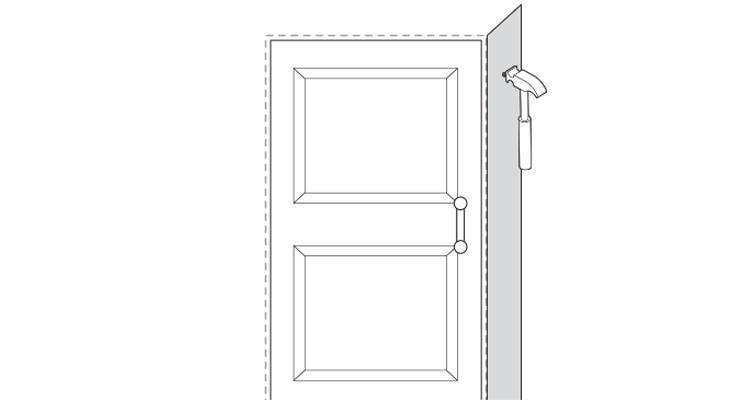
Now it's time to prepare the side pieces. Use your tape measure to measure the length from the floor to the bottom of the headpiece. Mark this distance onto the two sections of your architrave that will be your side pieces.
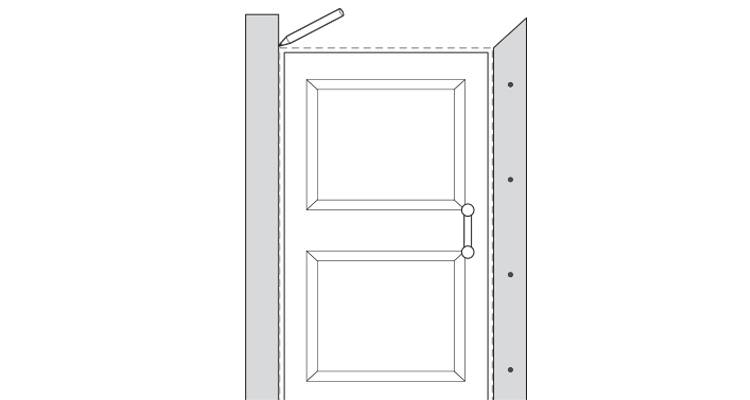
Mark out the intended direction of the mitre cuts onto both pieces. Keep in mind that one end on each piece will need to be cut square so that it can sit flat on the floor.
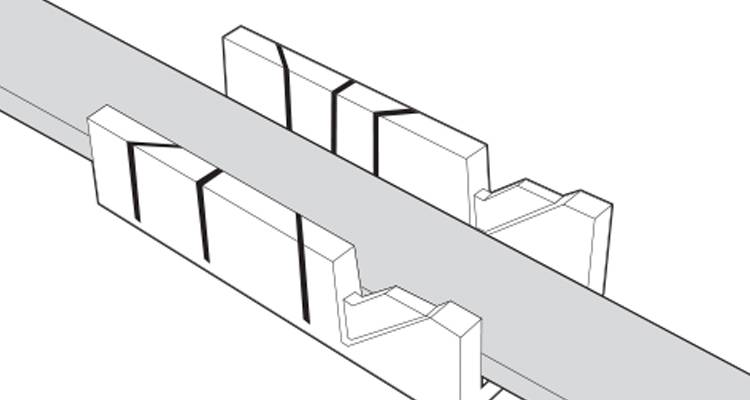
Use your saw to create the mitre cuts on each side and sand them down so that they are smooth.
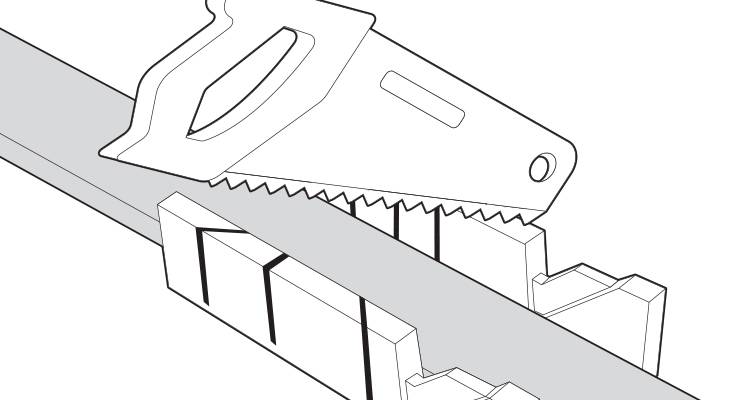
Hold the mitre joints in position to ensure that they fit neatly and make small adjustments with a block plane if needed.
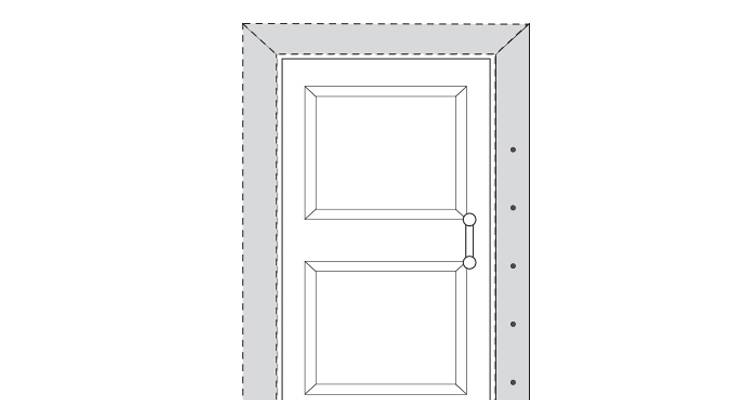
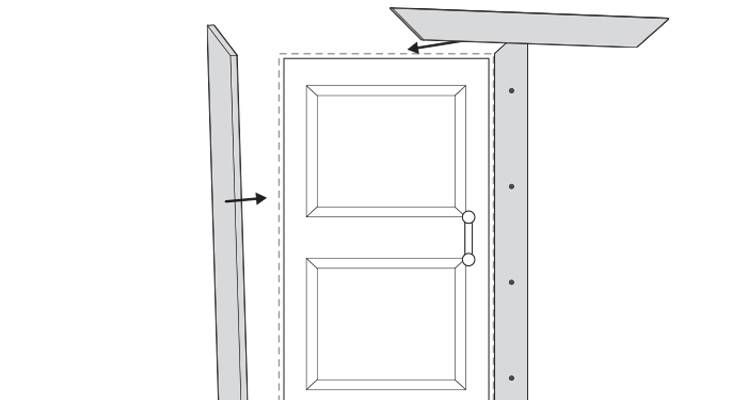
Apply PVA glue to one end of the headpiece where the mitre cut is and add grab adhesive to the appropriate side piece.
Then, put the side piece into the correct position and hold it in place with six 40mm lost head nails, again evenly spaced along the length. Repeat the above step to fix the other side section into place.
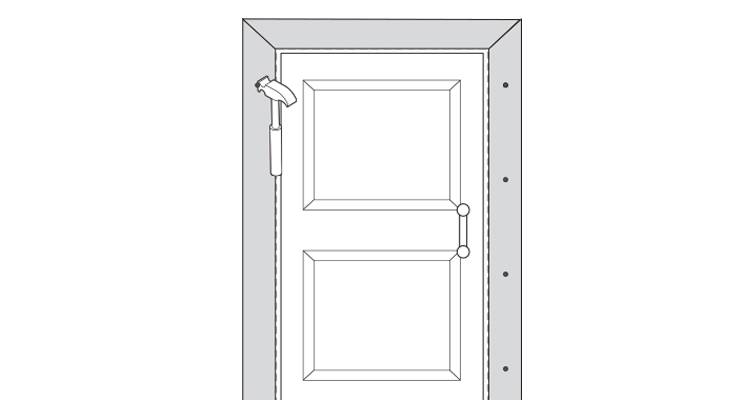
Finally, use a hammer and nail punch to sink all the nails to just below the surface.
If you plan to paint the architrave, then it is best to fill and sand down the nail holes first. Then, use a sealant gun to apply a thin bead of decorator's caulk along any gaps between the architrave and the wall. Smooth the bead with a damp finger or finishing tool for a neat finish before painting. However, also check the manufacturer's instructions first as for best results, you may need to prime the wood beforehand.
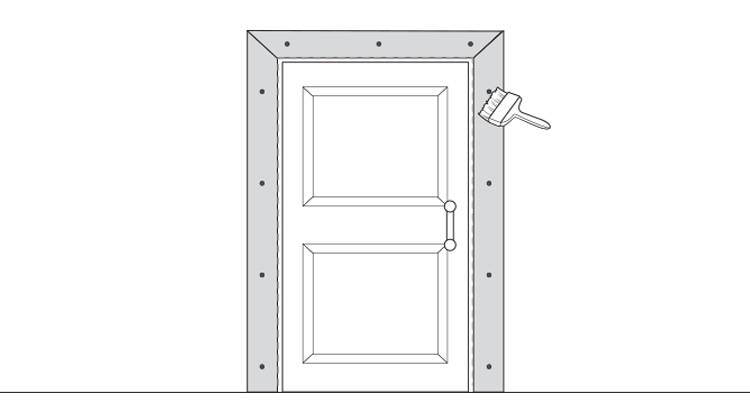

If you are removing an old architrave, then below is a simple step-by-step guide on how to do so. If you are hiring a professional, then you should confirm if this is included within the cost of installing your new one.
An architrave is an interior moulding that can be fitted around a door frame, window, or loft hatch. It acts as a cover to hide any gaps or rough surfaces that exist at the joint.
Architrave can be fitted around a loft hatch in the same way as a door architrave. You will need to measure out the loft hatch so that you can cut your architrave pieces to the correct size before fitting them.
Architraves are used around the edges of openings such as windows and doors whereas skirting boards are used to cover the joint where the bottom of a wall meets the floor.
You can scribe or trim the architrave to match the wall's shape, ensuring it sits flush. Any small gaps are perfectly normal and can then be filled with sealant or decorator's filler for a neat finish.


Copyright 2026 MyJobQuote.co.uk. All rights reserved
Privacy Policy | Terms and Conditions | Sitemap
MyJobQuote.co.uk is rated 4.68 stars by reviews.co.uk based on 4172 reviews