Builders
 Carpenters
 Electricians
 Flooring Specialists
 Gardeners
 Handymen
 Heating Engineers
 Painters & Decorators
 Plasterers & Renderers
 Plumbers
 Roofers
 Tilers
 my
myTree Surgery Regulations UK: What Arborists Need to Know
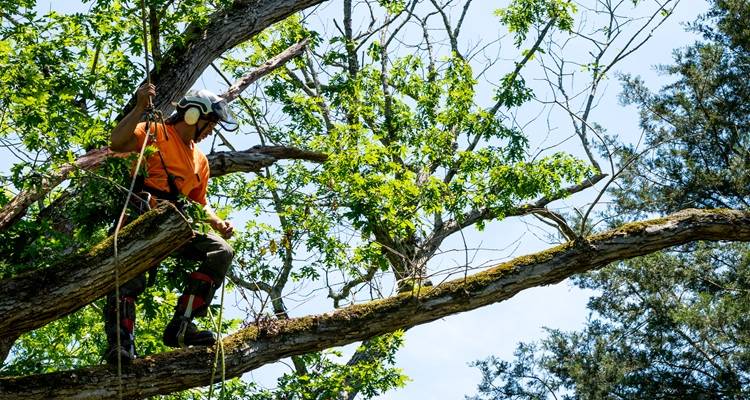
Tree surgery is a specialist trade that involves the care, maintenance, and removal of trees. The work can include pruning, crown reduction, stump removal, felling dangerous trees, and carrying out emergency tree work, often while using chainsaws, heavy equipment and working at height.
Because of the risks involved, tree surgeons and arborists must follow strict UK safety regulations, environmental rules, and legal requirements. Failing to meet these duties can lead to serious accidents, fines, legal action, and problems with insurance.
Whether you're carrying out routine tree maintenance or removing a hazardous tree, compliance should be considered before any work begins. In this guide, we'll explain the key tree surgery regulations in the UK and what arborists need to know before starting a job.
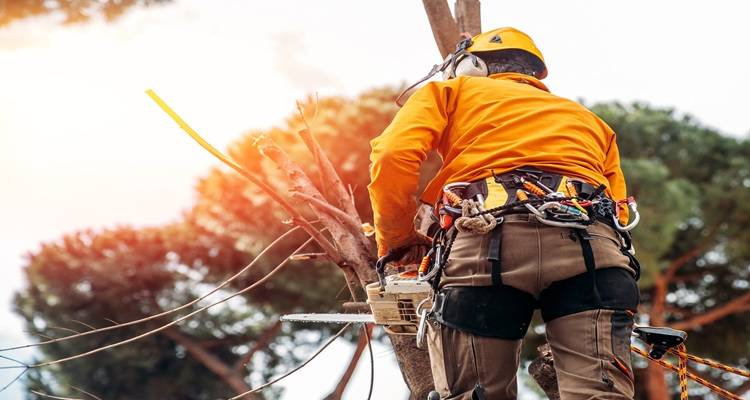
Table of Contents
- Health and Safety Regulations for Tree Surgeons
- Chainsaw Training and Competency Requirements
- Tree Preservation Orders and Conservation Areas
- Waste Disposal Regulations
- Wildlife and Environmental Protection Laws
- Insurance and Liability Requirements
- Risk Assessments and Site Safety
- Working Near Roads and Public Areas
- Tips for Staying Compliant as a Tree Surgeon
- FAQs
Health and Safety Regulations for Tree Surgeons
Tree surgery is one of the riskier trades out there, which is why getting health and safety right isn't optional. Whether you're pruning, removing, or replacing a tree, the way in which you work matters just as much as the end result.
Accidents involving chainsaws, falling materials, or heights can be severe. It's one of the reasons DIY tree surgery isn't recommended, and it's why the tree surgery industry is so tightly regulated.
There are four main regulations for tree surgeons:
- Health and Safety at Work Act 1974 — This places a legal duty on you to protect your own safety and the safety of anyone affected by your work, such as employees, clients, and members of the public. This means planning jobs properly, using the right equipment, and making sure risks are controlled.
- Provision and Use of Work Equipment Regulations 1998 — Also known as PUWER, this covers the tools and machinery you use, including chainsaws, wood chippers, and stump grinders. All of your equipment must be suitable for the task, maintained properly, and only used by someone who's trained.
- Work at Height Regulations 2005 — These tree surgeon health and safety regulations apply whenever there's a risk of a fall causing an injury. They require you to avoid working at height where possible, and to use the safest method available if you do need to. This includes using the correct climbing systems, carefully securing anchor points, and knowing the safest techniques.
- Lifting Operations and Lifting Equipment Regulations 1998 — Known as LOLER, this covers any equipment used to lift or lower a load, including a person. For arborists, this includes ropes, karabiners, harnesses, strops, anchor points, rigging gear, and mobile elevating work platforms (MEWPs). Equipment used to lift people must be thoroughly examined by a competent person every 6 months, with other lifting equipment examined every 12 months, and every item marked with its safe working load.
With all of these tree surgery regulations, risk assessment is important. Before starting any job, you need to identify all hazards and put measures in place to control risks.
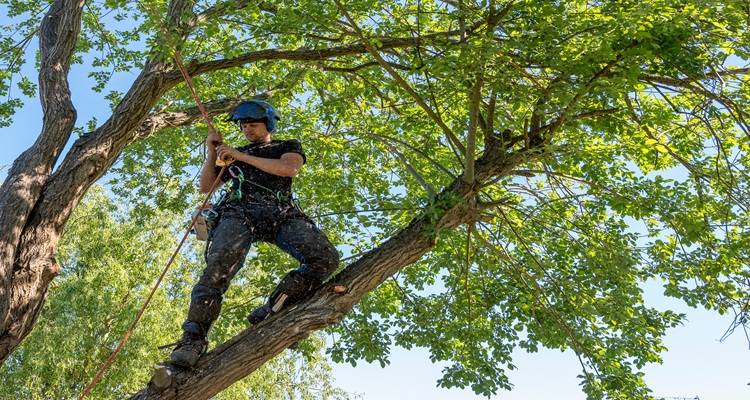
For example, this might mean assessing ground conditions or planning how materials will be lowered safely. Adhering to practical working standards, such as operating chainsaws in line with training and wearing personal protective equipment (PPE), is non-negotiable, even if the job is a quick and simple one.
Chainsaw Training and Competency Requirements
If you want to use a chainsaw professionally, you need to be competent and properly trained, and there's a legal expectation on you to use the equipment safely. Under tree surgery regulations, you're required to make sure that anyone using machinery has received training. This means completing recognised certifications, not just relying on informal experience.
What Does Chainsaw Training Look Like?
Basic training starts with chainsaw maintenance and cross-cutting, and covers how to safely handle, inspect, and maintain a saw, along with correct cutting techniques. From there, many tree surgeons move on to more in-depth tree felling qualifications, which enable them to safely fell trees up to a certain size.
If you're planning to carry out climbing work, you'll also need aerial chainsaw training. This includes learning how to use a chainsaw safely whilst in a harness. Using a chainsaw at height carries a lot more risk, so training is strict, and it's not something you can skip.
Training Costs and Considerations
Chainsaw training can also affect how you price work. Quotes for jobs that involve cutting at height or complex methods should reflect the additional skill required. Plus, training comes at a cost, so factor it in when you're setting up or expanding your business. Courses, assessments, and training all need to be part of your ongoing business costs.
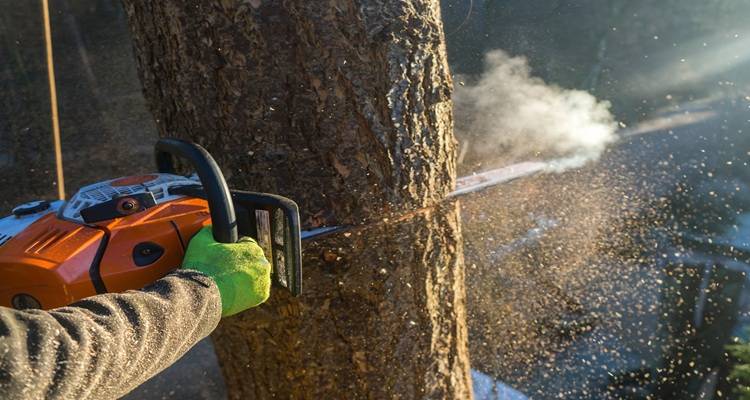
Having the right tree surgeon certifications directly affects your ability to work safely, secure contracts, and get insurance. In fact, many insurers require proof of qualifications before they agree to cover you, and a lack of recognised training can invalidate a claim.
Tree Preservation Orders and Conservation Areas
Even if a client has requested that you prune, reduce, or remove a tree, it's important to remember that not all trees can be worked on freely. Many trees in the UK are legally protected, and carrying out unauthorised work can lead to serious consequences. It's your job to check whether restrictions apply before starting any work, including whether a felling licence is needed for larger felling jobs.
Tree Preservation Orders
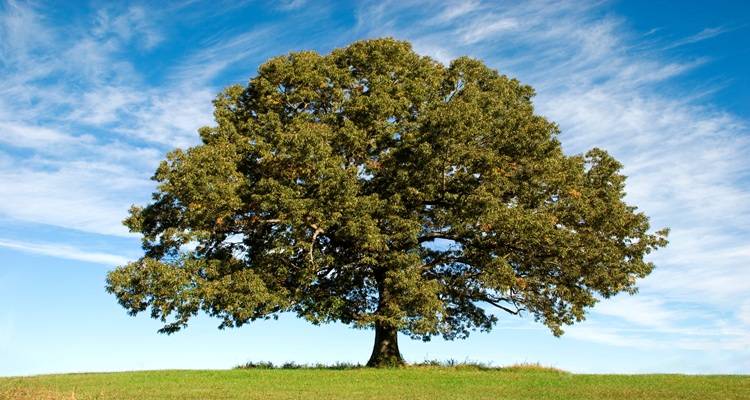
Tree Preservation Orders (TPOs) are given by local councils, and they can apply to a single tree, a group of trees, all the trees within a defined area, or a whole woodland. They're there to protect trees that provide public amenity or environmental value.
Once a tree is covered by a TPO, it becomes a criminal offence to cut down, prune, damage, or destroy it without permission. However, there are exceptions for dead and dangerous trees:
- Work on a dead tree doesn't need council consent, but you must give 5 working days' written notice before starting.
- If a tree presents an immediate risk of serious harm, you can carry out the work needed to remove that risk and notify the council in writing as soon as possible afterwards.
- The danger has to be present and immediate — a problem you expect to develop in future doesn't qualify.
- Removing a dead or dangerous protected tree also brings a duty to plant a replacement.
Conservation Areas
As well as TPOs, trees located within conservation areas are also protected. To work on a tree in a conservation area, you'll need to give the local council at least 6 weeks' written notice before starting any work, giving them time to assess whether a TPO should be issued, though you can start sooner if the council consents in the meantime. Notice isn't required for small trees (75mm or less in diameter, measured over the bark at 1.5m above ground, rising to 100mm where the work is solely to help other trees grow), for work already covered by a felling licence, or for dead and dangerous trees, which follow the same notice rules as trees under a TPO.
This could affect how you schedule and price work, and delays waiting for permission, potential reapplications, or changes to the scope of work all need to be considered.
Carrying out unauthorised work on a protected tree can lead to large fines and legal action, and damage your reputation as a tradesperson.
Waste Disposal Regulations
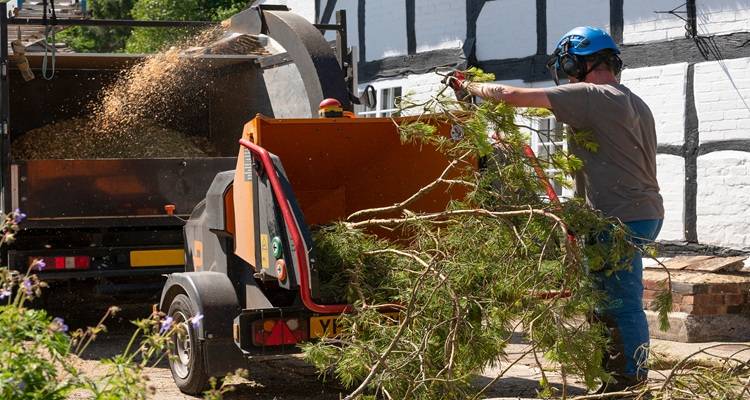
Tree surgery generates a fair amount of waste, including branches, logs, woodchippings, and stump grindings. This is classed as controlled waste, and there are clear legal responsibilities that set out how it should be handled.
- You'll need to register as a waste carrier — there's no licence, just a public register held by the Environment Agency in England, Natural Resources Wales in Wales, SEPA in Scotland, and the Northern Ireland Environment Agency. Carrying waste without registering can lead to an unlimited fine.
- Disposal also needs to be done properly. Branches, logs, and woodchippings should be taken to authorised facilities for processing before being reused or properly disposed of.
- Agree with clients what will happen to any waste generated before work begins. Some clients might want to keep logs or woodchips, whereas others would prefer that you handle all of the clearing up.
- Keeping clear records is another important part of compliance, especially for larger or commercial jobs, as you might need proof of where waste has been taken. Having records also protects your business if there are ever questions about illegal dumping or environmental breaches.
Wildlife and Environmental Protection Laws
You need to consider wildlife before you carry out any tree surgery work. Trees often provide habitats for protected species, and disturbing them can be a criminal offence, even during routine jobs like pruning or tree removal.
The wildlife and environmental regulations for tree surgeons are mainly found in the Wildlife and Countryside Act 1981 and the Conservation of Habitats and Species Regulations 2017. These laws protect nesting birds, bats, and other wildlife, as well as the places they live.
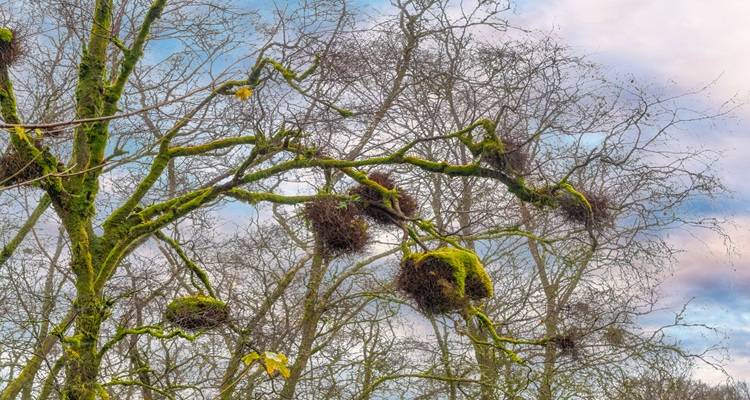
These regulations prevent you from:
- Damaging or destroying the nest of any wild bird while it's in use or being built. This applies all year round, so if an active nest is found, you'll need to stop work immediately.
- Damaging, destroying, or blocking access to a bat roost, whether or not bats are present at the time. Felling or removing branches from a mature tree can affect a roost, so if you spot signs of bats, you'll need to stop work and arrange a survey, then obtain a licence before continuing if the roost can't be avoided.
- Disturbing tree habitats, such as cavities or deadwood.
Before you start any work, carry out a basic check to see if wildlife is present. If it is, you might need to delay or adjust your plans.
Insurance and Liability Requirements
There are a lot of risks that come with tree surgery, so having the right insurance in place is key. Regardless of whether you're working with a team or as a self-employed tradesperson, you're responsible for protecting yourself, your staff, and anyone affected by your work.
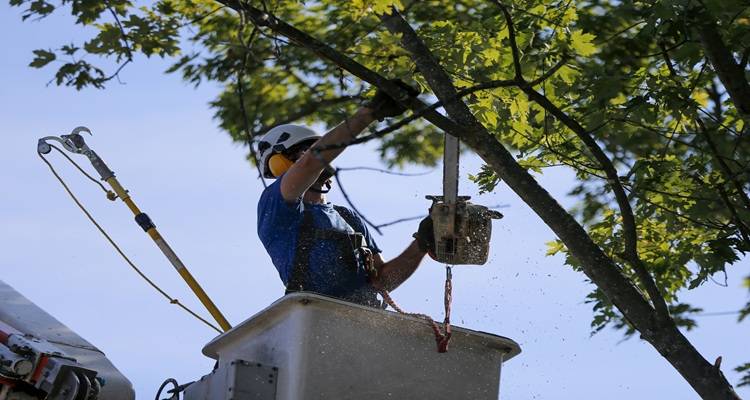
As insurance comes at a cost, it should be treated as a business expense and factored into your budget and pricing.
There are three main types of tree surgery insurance:
- Public liability insurance covers injury to third parties or damage to property.
- Employers' liability insurance covers workplace injuries.
- Equipment insurance to protect tools and machinery.
Many clients will ask for proof of insurance before confirming any work, especially as employers' liability insurance is a legal requirement if you employ staff. You might even struggle to win contracts if you don't have the right cover.
Risk Assessments and Site Safety
Tree surgeon safety starts before any cutting even begins, and it starts with a risk assessment. Assess the condition of the tree (this means checking for decay, deadwood, structural weakness, or damage), and identify any potential hazards, for example overhead cables, nearby roads, or public access. With these factors in mind, you can plan the safest approach and choose the right equipment for the job.
You will then need to secure the area you're working in, which can involve setting up barriers, putting up signs, or creating exclusion zones to keep the public at a safe distance. You'll also need to consider nearby buildings, fences, vehicles, and gardens, making sure they're protected from falling branches.
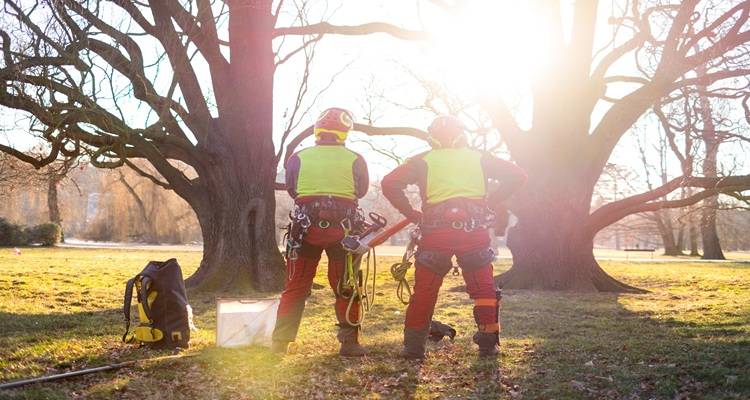
Taking the time to carry out a risk assessment helps to prevent accidents and avoidable damage. It also helps the job to run smoothly, which can affect how much time it takes, the overall cost, and client satisfaction.
Working Near Roads and Public Areas
If tree surgery is being carried out near roads, pavements, or other public spaces, and there's a risk to passing traffic or pedestrians, you're responsible for keeping everyone safe. This often means creating a traffic management plan, including organising temporary road closures or putting traffic lights in place.
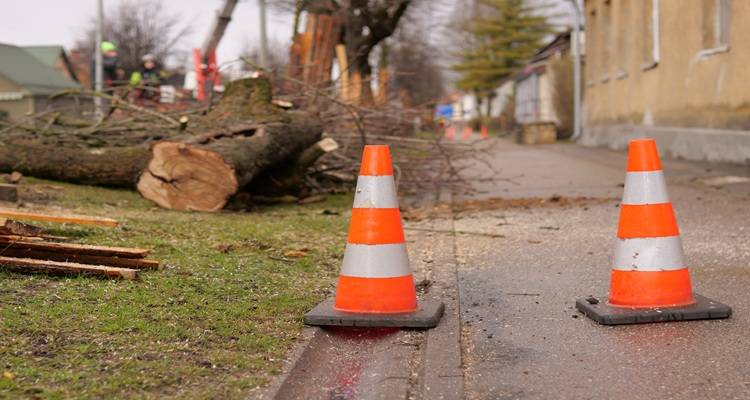
You'll also need clear warning signs and to install physical barriers, creating a safe working zone and guiding the public away from danger. Where your traffic management extends onto the road itself, you'll need formal permission from the local highway authority before work begins, and whoever sets out the signs, cones, and lights must be trained to do so, in line with the New Roads and Street Works Act 1991.
Tips for Staying Compliant as a Tree Surgeon
- Stay up to date with current tree surgery regulations and guidance, making sure you understand any changes that could affect how you plan or carry out work.
- Keep all certifications and training up to date, ensuring you remain fully competent and insured for the jobs you do.
- Keep a record of permissions, risk assessments, and site checks, so you have clear evidence of compliance if any issues arise.
- Use high-quality PPE and equipment, and make sure everything is fit for purpose.
- Avoid cutting corners to offer cheap work, as this can compromise safety.
Following tree surgery regulations isn't just about avoiding fines. It also helps to protect your business, workers, clients, and the environment you're working in.
FAQs
What Regulations Apply to Tree Surgeons in the UK?
As a tree surgeon, you need to follow health and safety laws, environmental regulations, and local authority rules, including those covering equipment use, working at height, and protected trees.
Do Tree Surgeons Need Qualifications?
Yes, if you're using professional tree surgery equipment like chainsaws, you need to be properly trained. Recognised certifications are often required for both safety and insurance.
Do You Need Permission to Remove a Tree in the UK?
Often, you do need permission before removing a tree in the UK. If the tree is covered by a TPO or located in a conservation area, you'll need approval from the local council before starting work. For larger felling jobs, you may also need a felling licence from the relevant forestry authority (the Forestry Commission in England, Natural Resources Wales, Scottish Forestry, or the Forest Service in Northern Ireland).
What Happens if You Cut Down a Protected Tree?
Cutting down a protected tree without permission can lead to hefty fines and legal action. You might even find yourself having to replace the tree, depending on the circumstances.
Do Tree Surgeons Need Insurance?
Yes, tree surgeons do need insurance. Public liability insurance is essential, as is employers' liability insurance if you employ workers. Many clients won't hire a tree surgeon without proof of cover.