Builders
 Carpenters
 Electricians
 Flooring Specialists
 Gardeners
 Handymen
 Heating Engineers
 Painters & Decorators
 Plasterers & Renderers
 Plumbers
 Roofers
 Tilers
 my
myChainsaw Certification Requirements in the UK
Chainsaws are a very powerful type of tool used across the UK by tradespeople such as tree surgeons, landscapers, forestry workers, and more. Whether you need to cut back overgrown trees, remove damaged branches, replace sections of timber, or lay out landscaping work, chainsaws are essential for many different types of outdoor jobs.
However, they are also one of the most dangerous types of tools used for jobs. Without the proper knowledge, it is easy to cause serious injuries when attempting to cut, fix, or install timber structures. Because of this, there are strict health and safety expectations that apply to anyone who chooses to use a chainsaw professionally.
Training is essential as this ensures that workers understand how to safely operate a chainsaw, assess risks, maintain equipment, and carry out tasks such as cutting tree sections correctly. For tradespeople working in arboriculture or landscaping, it is important to have the right qualifications. This is not just for safety, but also for securing work and meeting employer or insurance requirements.
This guide will explain everything you need to know about chainsaw certification in the UK, including legal requirements, training providers, how much certification costs, and how to get qualified.
Table of Contents
- Do You Need a Licence to Use a Chainsaw in the UK?
- Recognised Chainsaw Qualifications in the UK
- Types of Chainsaw Certification
- How Much Does Chainsaw Training Cost?
- How Long Does Chainsaw Training Take?
- Chainsaw Safety Equipment Requirements
- Can You Use a Chainsaw Without Certification?
- How to Get Chainsaw Certification in the UK
- Tips for Choosing a Chainsaw Training Course
- FAQs
Do You Need a Licence to Use a Chainsaw in the UK?
A common question is whether or not you need a formal licence to operate a chainsaw in the UK.
The simple answer is that there is no specific "chainsaw licence" required by law.
However, the Health and Safety Executive (HSE) requires anyone using a chainsaw professionally to be competent and properly trained. Most employers require workers to hold recognised chainsaw qualifications.
DIY vs Professional Use
- Using a Chainsaw for DIY on Private Property — If you are a homeowner using a chainsaw in your garden to cut small branches or remove a tree, there is no legal requirement to hold certification. However, using a chainsaw at home is still risky. Even for DIY tasks, proper training is strongly recommended.
- Using a Chainsaw Professionally for Paid Work — By law, anyone using a chainsaw at work must have had adequate training for the task and be competent at it. For work on or in a tree, the approved standard also expects a relevant certificate of competence, unless you're in training and properly supervised. This will include anyone working in tree surgery, landscaping, forestry, or grounds maintenance. Professional users usually need NPTC or LANTRA certification.
So, with this in mind, you can use a chainsaw at home on your own property for DIY purposes without needing any form of licence. However, if you are charging for work at all or using the chainsaw professionally, you will need a recognised qualification or certification.
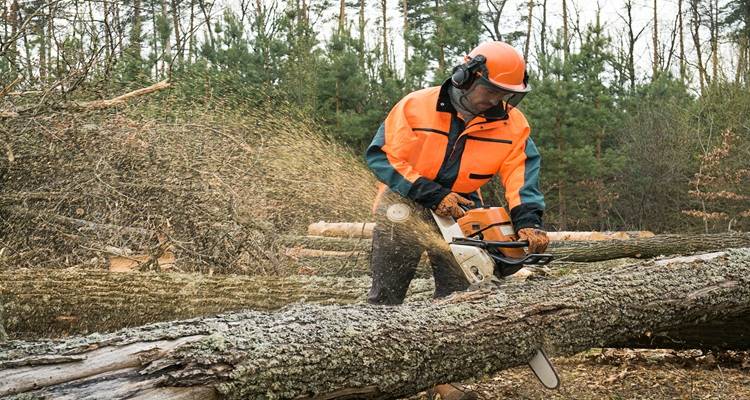
Even if you are just using a chainsaw at home for DIY purposes, it's still a good idea to get some training. They are very dangerous, and improper use can cause serious injuries, damage, or even death. This is why it's important that you feel competent to use it properly and safely. Make sure to always follow safety procedures at all times when using a chainsaw.
Recognised Chainsaw Qualifications in the UK
To work professionally with a chainsaw, you will need certification from an accredited training provider. The two main bodies in the UK are NPTC (City & Guilds) and LANTRA.
NPTC (City & Guilds) Chainsaw Qualifications
City & Guilds NPTC and LANTRA Awards are both recognised awarding bodies for chainsaw qualifications in the UK.
These are assessment-based qualifications that prove your competence in real working conditions.
Common units include the following:
- Chainsaw maintenance and cross-cutting.
- Felling small trees.
- Tree climbing and aerial cutting.
- Using a chainsaw from a rope and a harness.
NPTC qualifications are often referred to as chainsaw operator certificates, and these are the standard requirements for most professional roles.
LANTRA Chainsaw Training
LANTRA also provides chainsaw training courses.
LANTRA courses cover the following:
- Basic chainsaw operation
- Chainsaw maintenance
- Tree felling
- Forestry work
The main difference comes down to the course itself: training-only courses end with a completion certificate, while assessed courses lead to a certificate of competence, and both awarding bodies offer each type.
Many tradespeople build up their units over time, moving from maintenance and cross-cutting through to felling and then aerial work, with either body able to award each stage. The more qualifications and units that you obtain, the more jobs you will be able to take on and the more reliable and knowledgeable you will appear to potential clients.
Types of Chainsaw Certification
Chainsaw training is split into different units depending on the type of work that you want to carry out. These qualifications will allow you to safely cut, remove, replace, or fix trees and timber in various environments.
Examples include:
Chainsaw Maintenance and Cross-Cutting
This is the entry-level qualification and is often the first step in getting a chainsaw certificate.
This covers:
- Maintaining the chainsaw
- Safe operation and handling
- Cutting timber
- Basic safety procedures
This qualification is essential for anyone just starting out.
Felling Small Trees
This unit will teach you how to do the following:
- Assessing trees and surroundings.
- Planning safe cuts.
- Safely felling trees up to a specific diameter.
This is a core qualification for landscapers and forestry workers.
Aerial Tree Work
For more advanced roles, such as tree surgeons, aerial qualifications will be needed.
These include the following:
- Tree climbing techniques.
- Using ropes and harnesses.
- Cutting branches at height.
- Rigging and lowering sections.
These advanced qualifications allow tree surgeons to remove or fix damaged trees safely at height.

How Much Does Chainsaw Training Cost?
One of the most important factors for tradespeople is the cost of training. If you are planning on starting up a business or looking to jump into a career where the use of a chainsaw is needed, you will need to know how much to budget for the training upfront.
The price of chainsaw certification will vary depending on the type of course that you choose, the provider, and whether or not assessment is included.
Below is a list of average chainsaw training costs in the UK:
- Basic chainsaw course cost — £150 to £300.
- Chainsaw maintenance and cross-cutting training — £300 to £600.
- Tree felling course — £500 to £900.
- Aerial chainsaw training — £800 to £1,500+.
For beginners, the average cost of becoming fully certified can range from £800 to £2,000+, depending on how many units you complete.
There are certain things that can affect the cost, including the following:
- Course length
- Training provider
- Whether assessments are included
- Equipment and personal protective equipment (PPE) provision
- Location
It may be tempting to just choose a cheap course to stay within your budget. However, it is important to ensure your chosen course includes recognised qualifications. A low-cost course without any certifications may not be accepted by employers.
Make sure to do your research on available courses to ensure that the one you choose lines up with what you need moving forward.
How Long Does Chainsaw Training Take?
If you are planning on going through chainsaw training, you may be curious about how long it is going to take.
Below is a list of the typical course lengths that you can expect:
- Basic Chainsaw Courses — 2 to 5 days.
- Maintenance and Cross-Cutting — 2 to 3 days.
- Tree Felling — 3 to 5 days.
- Advanced Aerial Training — 5 to 10 days or more.
In most cases, you will also need to complete an assessment after your training to gain your chainsaw certificate of competence. So it is important to keep this in mind when planning the timeline as well.
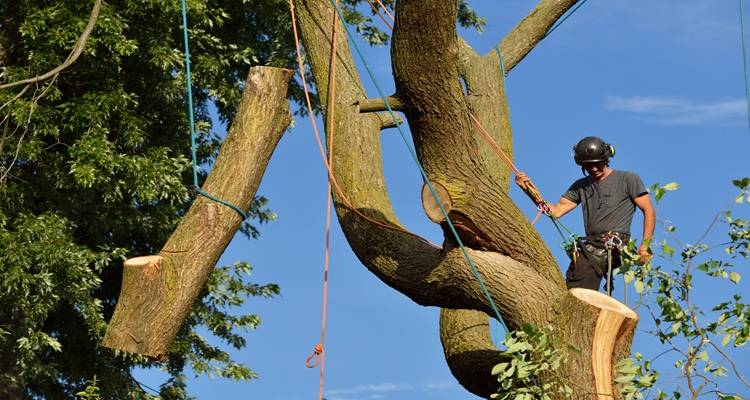
Some learners will complete multiple courses over several weeks to become fully qualified. Others will spread the courses out to go alongside their current work or other commitments. Some may also spread them out to help with the budget for paying for them. With this in mind, the timeframes for training can vary quite significantly.
Chainsaw Safety Equipment Requirements
Using the right personal protective equipment is essential for safe chainsaw operation.
Below is a list of examples of the essential PPE needed when working with a chainsaw:
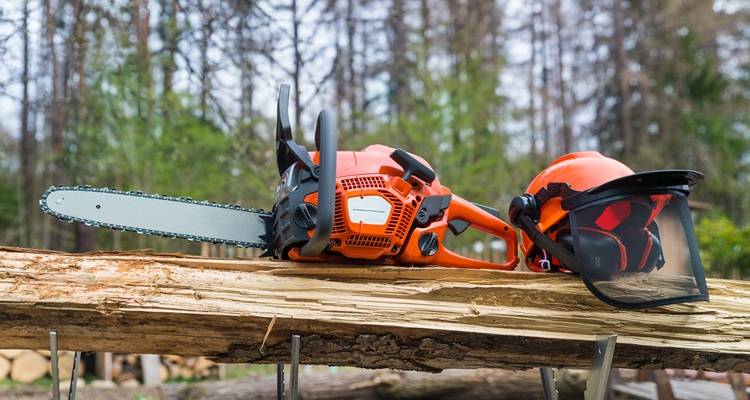
- Chainsaw helmet with visor
- Chainsaw gloves
- Chainsaw trousers
- Chainsaw protective boots with good grip and reinforced guarding at the front
- Ear protection
PPE helps prevent injuries when cutting, removing, or fixing trees and branches. It's important to remember that chainsaws can be very dangerous, so you must take these essential measures to protect yourself in case of accidents.
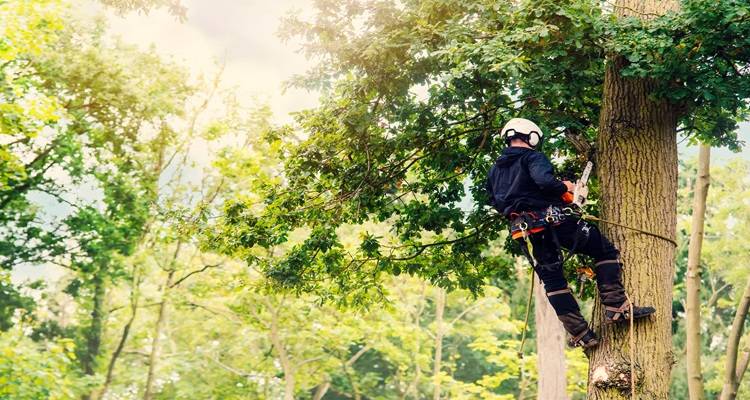
The average cost of chainsaw PPE is around £150 to £500, depending on the quality. It is incredibly important to invest in proper safety gear, even if you are working on a tight budget. Cheap PPE may not provide adequate protection.
Can You Use a Chainsaw Without Certification?
You can technically use a chainsaw without certification, but only in certain situations.
Here are some examples of when certification is generally not required:
- Homeowners using a chainsaw for DIY garden work.
- Cutting small branches on your own property.
However, even for DIY tasks, chainsaws can be extremely dangerous. Without proper training, there is a higher risk of injury or damage. This is why it is always recommended that you get proper chainsaw training, even when you are just using it for some simple DIY jobs.
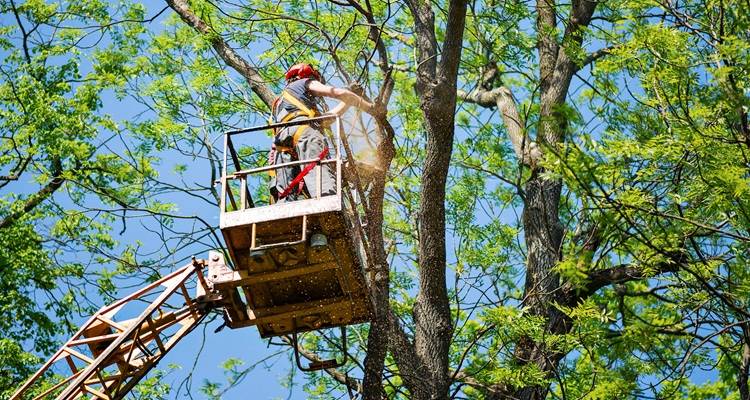
Here are some examples of when chainsaw certification is generally expected:
- Any paid work with chainsaws
- Contracting jobs
- Commercial forestry or landscaping
Employers and insurers often require a chainsaw operator certificate before allowing work to begin. Without certification, you may not be covered by insurance if something goes wrong.
How to Get Chainsaw Certification in the UK
If you are wondering how to get a chainsaw certificate, the process is relatively straightforward.
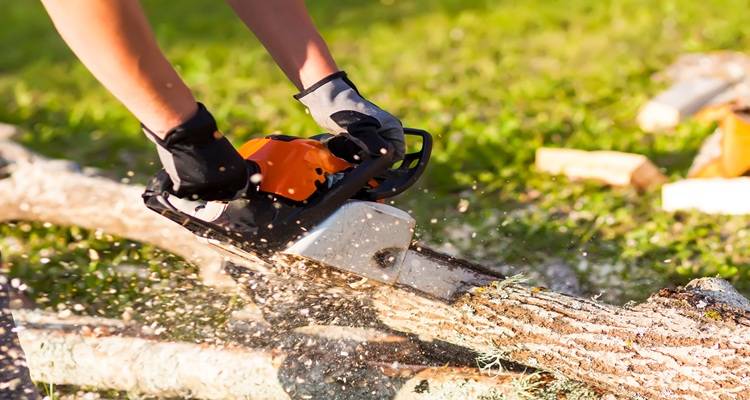
Take the steps below to get chainsaw certification in the UK:
- Choose an accredited training provider
- Complete a chainsaw training course
- Pass practical assessments
- Receive certification
- Maintain skills and refresh training over time
Many professionals will complete several qualifications to expand their services, allowing them to take on more complex jobs such as completely removing trees, installing timber structures, or performing more advanced arborist tasks.
Tips for Choosing a Chainsaw Training Course
Choosing the right course is essential to get value for money and recognised qualifications.
Here are some examples of what you should look out for:
- Choose accredited providers (NPTC or LANTRA).
- Check if the course includes an assessment.
- Compare training costs and prices.
- Look for experienced instructors.
- Ensure equipment and PPE are provided.
You must make sure to avoid poor-quality courses.
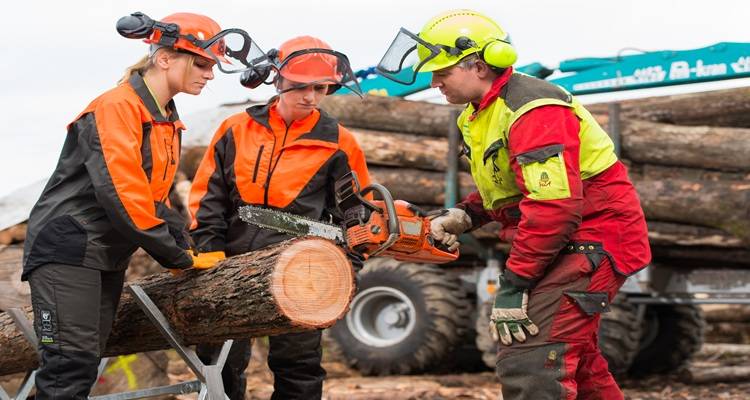
It may be tempting for you to choose the lowest-priced course. However, cheaper options do not always offer recognised certifications. A good course should prepare you properly to safely cut, lay, replace, remove, and fix trees and timber. It shouldn't be a case of just passing an assessment.
Make sure to do your research first to ensure you are paying for and completing a course that will be beneficial to you, and that will give you what you need for your goals, whether that be learning the skills to complete tasks or gathering accreditations for your future career.
FAQs
How Much Does Chainsaw Certification Cost?
The cost for certification will depend on the courses that you take. A basic chainsaw course will usually range from around £300 to £600. If you are completing multiple units such as felling and aerial work, this can bring the total price to around £800 to £2,000+.
You should also factor in PPE and any assessment fees when planning your budget. While you may find cheap options for courses, it is important to ensure that the course includes the appropriate recognised certification.
How Long Does It Take to Get Chainsaw Certified?
This will depend on the courses that you are taking. Basic chainsaw certification can be completed within just a few days. Most entry-level courses will last for around 2 to 3 days, plus the assessment.
If you continue on to do some additional units like tree felling or aerial work, then the process could take several weeks in total. Many people will choose to spread the training over time to fit around their current work and also help to manage the overall costs.
What Qualifications Do Tree Surgeons Need for Chainsaw Work?
Tree surgeons will usually need several qualifications, starting with maintenance and cross-cutting, followed by tree felling.
Most will then complete more advanced units such as climbing and aerial cutting. These are typically awarded by City & Guilds NPTC and form the standard chainsaw operator certificate required for professional work.
Can You Use a Chainsaw for DIY Without Training?
This will depend on the situation. Yes, you can use a chainsaw for DIY tasks on your own property without any certifications. This will include jobs like cutting firewood or removing small branches.
However, chainsaws are very dangerous, and without the proper training, it can be easy to make mistakes when trying to cut, remove, or fix timber. For larger jobs, it is often safer and sometimes more cost-effective to hire a professional to complete the work for you.