UK Garden Statistics (2026): Size, Spending, Trends and Habits
Written by Lucy Farrington-Smith
Lucy Farrington-Smith
Writer
I'm a UK-based freelance writer with 6+ years of experience in writing for home renovation websites.
15th May, 2026
Edited by Samantha Jones
Samantha Jones
Editor-in-Chief
I have a degree in English & Writing. I have been working as a content developer for three years now and have also been freelance writing for three years. I have been focusing my freelance writing within the home improvement and DIY sector.
How we get our data
We gather our data from real quotes given by UK tradespeople to UK homeowners on the MyJobQuote platform.
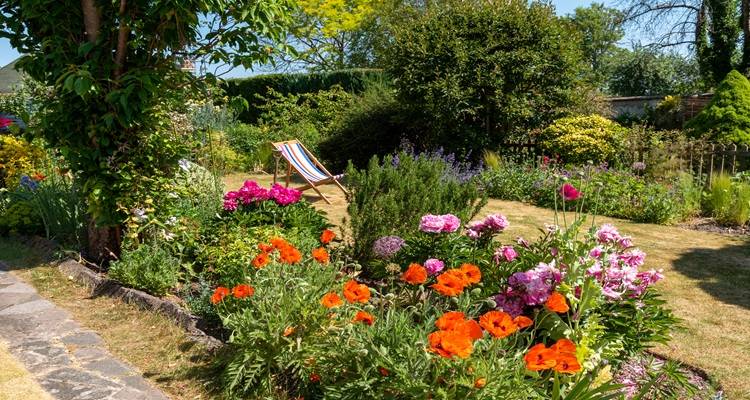
Gardens are very common in the UK. In fact, they are one of the most common types of green space in the UK. Millions of households benefit from having private gardens, and this is why gardening has become so deeply embedded in British culture, both as a leisure activity and as a contributor to wellbeing and biodiversity.
Across Britain, there are an estimated 25.8 million gardens, collectively covering around 959,800 hectares. This is approximately 4.6% of the UK’s total land area. This vast network of private green spaces plays a very important role in supporting wildlife, improving air quality, and enhancing everyday life.
With the majority of homes having a garden and with so much space dedicated to gardens, it’s essential that we understand their role in the wider nation. Our gardens are so much more important than you may think, and we have the stats to prove it.
In this article, we will go through the latest UK garden statistics for 2026, examining garden size, spending habits, and emerging trends. Here we will learn what these stats reveal about how Britain gardens today.
The UK has a remarkably high level of access to private outdoor space compared to many countries.
There are approximately 25.8 million gardens across Great Britain (RHS).
Around 20.6 million are domestic gardens attached to homes (RHS).
Roughly 78% of British adults have access to a private garden, representing around 43 million people (HTA).
So, as you can see, there are so many gardens in the UK, and they each play a very important role within our wider nation.
Why Are Gardens Important?
The figures highlight that gardens are not just private luxuries, but they are actually a significant part of the UK’s environmental infrastructure. They contribute to many things, including the following:
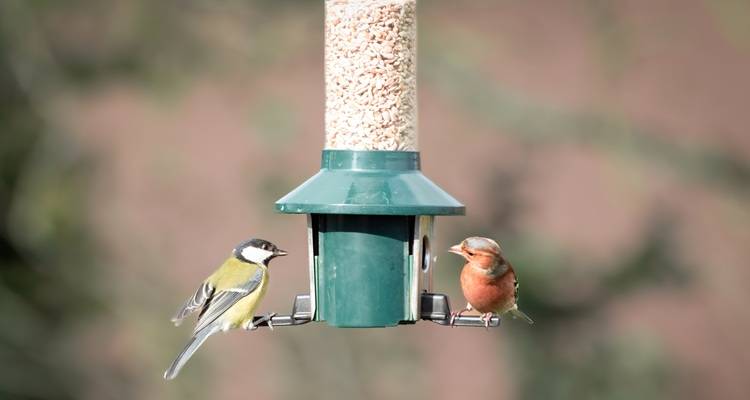
Wildlife habitats – Gardens act as mini ecosystems that help to support birds, insects, and small mammals.
Wellbeing – Access to green space is strongly linked to reduced stress and improved mental health (NHS
).
Urban cooling – Vegetation helps to reduce heat in built-up areas.
Biodiversity – Gardens collectively form one of the largest wildlife corridors in the UK.
Average Garden Size in the UK
Garden sizes can vary quite significantly. Below are some stats on the sizes of gardens and how they differ around the UK:
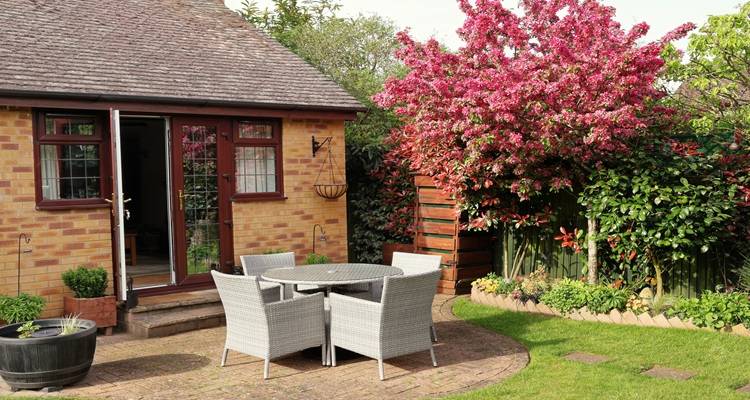
The average UK garden is around 244m² according to recent research by the RHS.
Some estimates place the typical garden size at around 256m² (16m × 16m).
Gardens vary greatly depending on housing type, from very small urban plots to large rural gardens.
Variation in Garden Size
The size of a garden is heavily influenced by several things, including the following:
Type of Property – Detached homes will usually have larger gardens than terraced homes or flats, for example.
Urban vs Rural – Urban gardens will usually be significantly smaller due to the higher housing density.
New Developments – Modern housing developments often feature smaller plots compared to older properties.
This variation reflects the broader housing trends and increasing pressure on land use in the UK.
UK Gardening Participation Statistics
Gardening is one of the UK’s most popular hobbies, with tens of millions of people actively taking part in regular gardening activities.
34 million UK adults garden regularly, according to the RHS. This is well over half of all UK adults.
62% of people with gardens grow plants, flowers or trees (HTA).
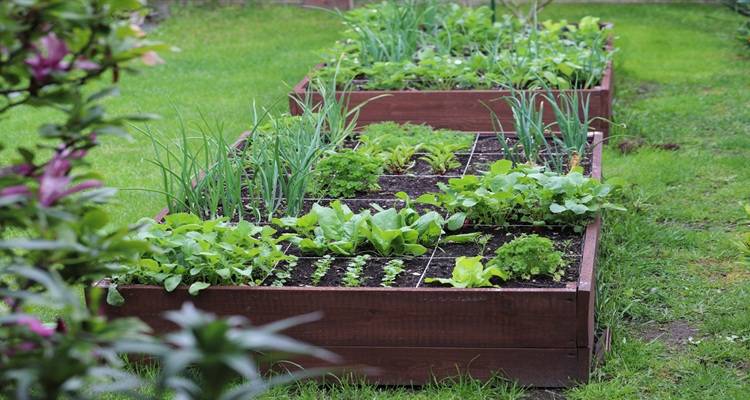
38% of UK gardeners grow fruit, vegetables or herbs at home (Hillarys).
The average UK resident visited a garden centre 3.8 times in 2024 (Hillarys).
Why Gardening Is So Popular
There are several reasons why gardening has increased in popularity and why so many people are now taking part in regular gardening activities. Take a look at some of the major reasons below:
Wellbeing benefits – Gardening is linked to reduced anxiety and improved mood.
Sustainability – More people are now seeking environmentally friendly lifestyles and activities.
Growing food – Rising food costs have encouraged home-grown produce.
Outdoor leisure – Gardens provide an accessible place for relaxation and recreation.
The COVID-19 pandemic also accelerated the number of people who garden. In fact, research shows that since the pandemic started, over 7 million people had taken up gardening for the first time by 2022. The gardening trend that surged during this time is one that has largely persisted.
MyJobQuote.co.ukis rated 4.68 stars by reviews.co.uk based on 4131 reviews
Cookies
We use cookies because they help us understand how you use our site, so we can make your experience with us even better.
Some cookies are essential, and we can’t turn them off. Other cookies are optional, and we use them for analytics, tracking, advertising, testing and performance.
You can find out more about how we use cookies in our cookie policy.
By clicking ‘Accept all’ you’re agreeing to our use of cookies.
We use cookies, some of which are essential to make our website work.
For us to use our non-essential cookies, we need your consent.
You can consent by accepting all or alternatively, manage your cookies at any time.
For more information, read our cookie policy.
Essential cookies
We use these cookies to maintain our web pages.
They are used to keep you logged in if you choose, and they remember your previous quotes.
They also track errors that might come up and maintain site stability and functionality.
These cookies are always active.
Google Analytics (_ga, _gid, gat_gtag_UA*)
These cookies are used for analysing website traffic and user behavior, helping us to understand how visitors interact with our site.
Advertising
Pinterest (e.g _pin_unauth)
This cookie is set by Pinterest to group actions for users who cannot be identified, contributing to the functionality of Pinterest features integrated into our website.
TikTok (e.g _ttp)
TikTok cookies track and improve the performance of advertising campaigns and personalise the user experience.
Twitter (e.g muc_ads, personalisation_id)
Twitter cookies are used for tracking and targeting purposes, allowing the integration of Twitter social media features on our website and collecting data about user behavior to optimise the website.
Bing and Microsoft Clarity (e.g MUID, _uetsid, _uetvid, CLID, _clck, ANONCHK)
These cookies from Microsoft are used for advertising, analytics, and tracking user interactions on our website to provide insights and enhance the user experience.
Google Ads (e.g. _gcl_au, _gcl_aw, _gac)
These cookies enable conversion tracking, measuring the performance of ad campaigns by tracking actions like clicks and conversions post-ad exposure.
Facebook (e.g. _fbp, fr)
These cookies from Facebook are utilised for advertising, analytics, and tracking user interactions on our website.
They help in measuring the effectiveness of advertising campaigns, understanding user actions, and improving the overall user experience by providing valuable insights.
 Builders
 Carpenters
 Electricians
 Flooring Specialists
 Gardeners
 Handymen
 Heating Engineers
 Painters & Decorators
 Plasterers & Renderers
 Plumbers
 Roofers
 Tilers
 my
my