Builders
 Carpenters
 Electricians
 Flooring Specialists
 Gardeners
 Handymen
 Heating Engineers
 Painters & Decorators
 Plasterers & Renderers
 Plumbers
 Roofers
 Tilers
 my
myThe Impact of Energy Efficiency on UK Property Prices (Data-led, evidence-first)
In recent years, energy efficiency has become a very important factor in the UK housing market. Rising household energy bills, tighter government regulations, and greater transparency around efficiency and how buildings perform have all played a part in the way energy efficiency is now a paramount factor when it comes to buying, selling, and renting a home.
Energy efficiency in UK homes is measured through Energy Performance Certificates (EPCs). These rating properties from A (most efficient) to G (least efficient) are based on estimated energy use, fuel costs, and carbon emissions. EPCs reflect a home’s insulation, heating system, glazing, ventilation, and overall construction.
For homeowners, landlords, and property professionals, the central question now is not whether energy efficiency matters, but how much it actually matters in terms of money. This article will examine what the data actually shows about the relationship between energy efficiency and UK property prices.

Table of Contents
- Key stats at a glance
- How Energy Efficiency is Measured in the UK
- What the Data Says About Energy Efficiency and Sale Prices
- Rental Values and Energy Efficiency
- Buyer Preferences and Energy Cost Considerations
- Retrofit Investment and Return
- Regional Variation
- Policy and Market Drivers
- What the Data Suggests for the Future
Key stats at a glance
- The median EPC score of homes in England is 69, which is band C, while Wales has a median score of 68, which is band D (ONS, 2025).
- According to the English Private Landlord Survey, 2024 , 47% of landlords report having at least one property with an EPC rating of D or below, with 14% of landlords in 2024 having at least one property with a rating of E, F, or G.
- Buyers are willing to pay more upfront for homes with a higher EPC rating (Oxford Economics, 2024)
- According to data by the Office for National Statistics, London and the South East tend to have higher median EPC scores, whereas parts of northern England and rural areas tend to have lower scores (ONS, 2025).
- Government impact assessments estimate that around 52% of privately rented homes currently fall below EPC C (DESNZ, 2026 ).
- Data suggests that EPCs are already showing measurable pricing effects. Nationwide’s 2025 analysis found that A and B-rated homes achieved a 1.7% premium over D-rated homes, and F and G-rated homes were discounted by 3.5% compared to D-rated homes (Nationwide, 2025).
How Energy Efficiency is Measured in the UK
Energy efficiency in the UK is assessed through Energy Performance Certificates (EPCs). These are legally required when a property is built, sold or rented. EPCs use the Standard Assessment Procedure (SAP) to estimate energy usage and carbon emissions under typical occupancy conditions.
So this means that EPCs don’t measure actual household behaviours. Instead, they measure things based on the inherent performance of the building fabric and systems.
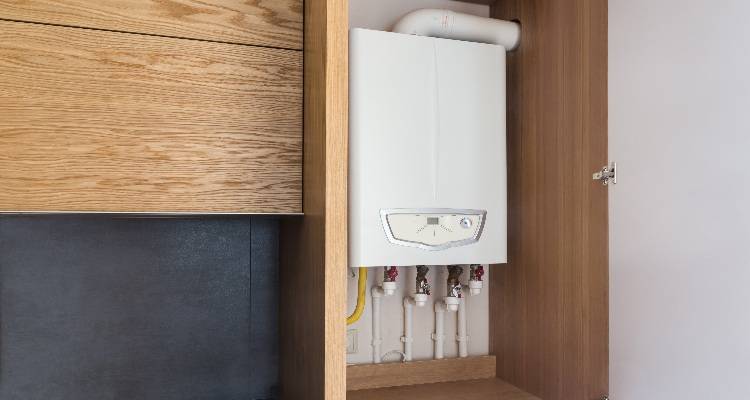
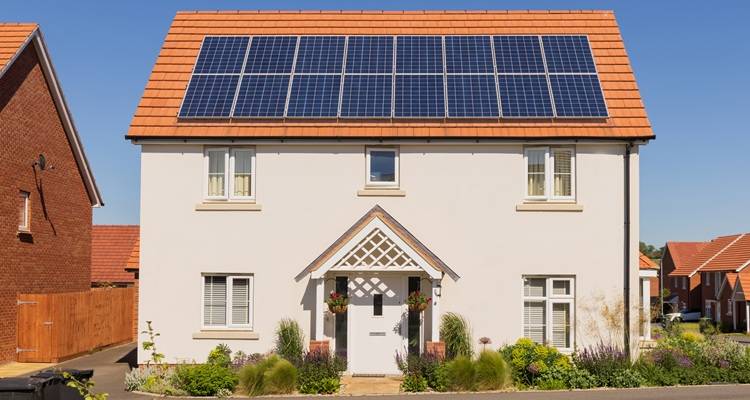
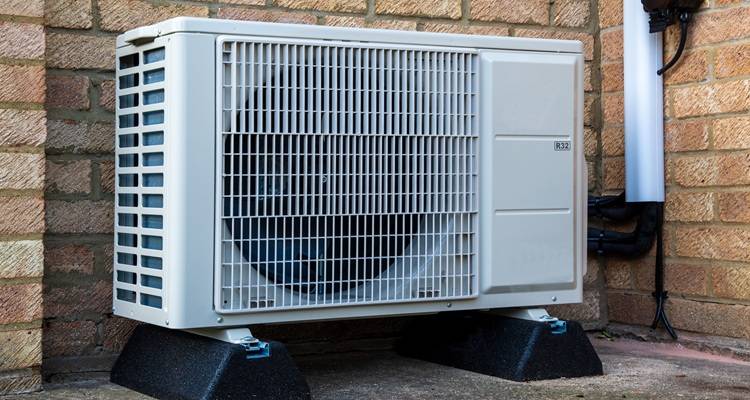
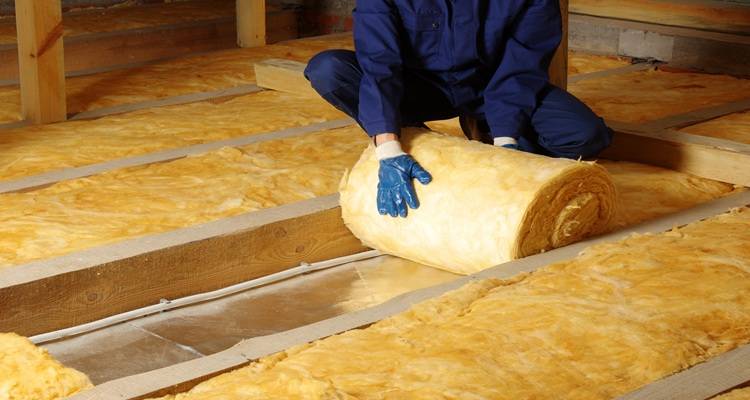
There are certain things that can influence EPC ratings, such as loft and wall insulation, the property’s heating system efficiency and fuel type, the quality of the glazing, and the presence of renewable technologies.
Ratings are grouped into bands from A to G, so this makes it easy for buyers and tenants to compare properties at a quick glance.

According to the Office for National Statistics, the median EPC score of homes in England is 69, which is band C, while Wales has a median score of 68, which is band D (ONS, 2025). These results indicate that a lot of the UK housing stock will need some upgrades to meet the proposed future standards.
These scores reflect the ageing housing stock across the UK, as many homes were built long before modern energy efficiency regulations existed.
What the Data Says About Energy Efficiency and Sale Prices
According to Energy Performance Certificates, a good EPC rating will make a home or a rental property more attractive to potential buyers or renters who know they will not be facing big energy bills month after month (EPC UK).
They state that industry studies show that energy-efficient homes can bring in notably higher sale prices than homes that are not energy efficient, and that the increase can be as high as 2 to 8% higher.

Big bankers Nationwide recently conducted research that suggests this trend may have slowed down. Their analysis suggests that a highly energy-efficient property rated A or B attracts a modest premium of 1.7% compared with a similar property that is rated D (Nationwide, 2025).
However, their research indicates a noticeable discount for properties rated F or G, suggesting that lower-rated homes are now decreasing in price. Their research suggests that for now, energy efficiency only has a modest influence on house prices.
The data suggests that poor energy performance carries a downside risk. As energy efficiency becomes more and more important as the UK aims to meet its climate obligations, the value that buyers attach to energy efficiency is likely to change over time.
This may mean that discounts on F and G-rated properties may widen, and higher energy-efficient homes may come at a higher premium.
Below is a table showing EPC bands vs average sale price differences:
| EPC BAND COMPARISON | AVERAGE PRICE DIFFERENTIAL |
|---|---|
| A/B vs D | +1.7% premium |
| F/G vs D | -3.5% discount |
(Nationwide, 2025)
As you can see, energy performance and house value typically go hand in hand.
Rental Values and Energy Efficiency
Minimum Energy Efficiency Standards (MEES) regulations in the UK require privately rented properties to have an energy performance certificate (EPC) rating of E or higher in order for them to be legally let. This has been the case since 1st April 2020 (Gov UK, 2025).
In terms of a long-term trajectory to improve the standards of privately rented homes in England and Wales, the government aims for as many rented homes as possible to be upgraded to EPC bands B and C or equivalent by 2030.
According to the English Private Landlord Survey, 2024, 47% of landlords report having at least one property with an EPC rating or D or below, with 14% of landlords in 2024 having at least one property with a rating of E, F, or G.
This highlights that many rented properties will need to have some improvements done within the next few years to ensure they are in live with the governments goals by 2030.
The proportion of landlords who have reported that all of their properties are in band C or above increased from 35% in 2021 to 41% in 2024, showing that many landlords have already taken steps to ensure their properties are in line with the future regulations.
Buyer Preferences and Energy Cost Considerations
During the recent cost-of-living crisis and with concerns over how energy efficiency will shape homes and bills in the future, many buyers are having concerns about affordability beyond the purchase price of the home.
In addition to upfront costs, studies suggest that buyers are now factoring in expected energy costs, comfort and future renovation needs when assessing the value of a property.
Analysis by Oxford Economics, 2024, shows that energy efficiency is becoming a material consideration in home-buying decisions. Their research shows that buyers are willing to pay more upfront for homes with a higher EPC rating. They found that buyers are willing to pay 3.4% more for a high energy-efficient home (A or B rated) compared with a band D. This shows that energy efficiency is now an important factor in the home-buying process when it comes to decision-making.
Research from the London School of Economics found that sellers who improved their EPC ratings before listing their home for sale often recouped more than the cost of upgrades, particularly if they crossed certain key EPC thresholds (LSE, 2025). This supports the view that efficiency is not just a cost-saving feature, but it is one that is increasingly reflected in market prices.
Retrofit Investment and Return
Retrofit investments play a central role in improving EPC ratings across the existing housing stock in the UK.
While costs can vary widely depending on the type of property, the age and the construction, multiple studies have shown that properties with higher energy efficiency ratings sell at higher prices (ESCOE, 2023). Energy-efficient upgrades can help to enhance a property’s value.
With only 42% of UK homes currently rated EPC C or above (Northwood, 2024), a significant proportion of properties would require upgrades to meet proposed future standards.
For landlords, investing in energy-efficient renovations can help to ensure they future-proof their property portfolio. Properties that fail to meet future standards may face periods where they cannot rent their property out, or they may experience restrictions on lettings. Early upgrades can allow owners to spread costs and also protect their rental income and sale price.
The London School of Economics found that homeowners upgrading their EPC rating before sale often recouped their investment, with estimated net gains ranging from £5,850 to £21,602, particularly when crossing key rating thresholds such as from D to C (LSE, 2025). This means that the retrofit investment ROI is typically fairly high.
Regional Variation
Energy efficiency levels vary by region. According to data by the Office for National Statistics, London and the South East tend to have higher median EPC scores, whereas parts of northern England and rural areas tend to have lower scores (ONS, 2025).
According to the research, homes in England had a median EPC score of 69 (band C) while homes in Wales had a median EPC score of 68 (band D). This is according to records from the ten years up to March 2025.
London, the East of England, and the South East had a slightly higher median score of 70 (band C), compared with Yorkshire and the Humber, with the lowest score of 68 (band D).
Smaller rural areas typically had lower median EPC scores than urban or large rural areas; however, this is not the case for all local authorities.
Policy and Market Drivers
Government policy is a major driver of the relationship between energy efficiency and property prices. The proposed move to EPC C minimum standards by 2030 would affect millions of homes, particularly in the private rented sector (UK Government, 2026).
According to the government proposal, 2026, the minimum EPC C standards will apply to properties let on new tenancies from April 2028 and to all tenancies from April 2030, meaning the standards are set to come into play very soon.

Alongside regulation, mortgage lenders are also increasingly offering green mortgage products. A green mortgage is a special type of loan that offers financial incentives, such as lower interest rates or cashback, to borrowers purchasing or renovating energy-efficient homes.
Typically, these properties require a high EPC and will reward borrowers for reduced energy consumption. This means that homeowners or prospective homeowners have more incentive to invest in energy-efficient renovations or in properties that already have high EPCs.
What the Data Suggests for the Future
The existing evidence suggests that energy efficiency is likely to play an increasingly important role in UK property valuation.
As regulations begin to tighten, inefficient homes may start to experience widening discounts, while efficient properties will become more and more attractive to buyers and tenants.

The private rented sector is expected to see many changes in a short space of time. The UK Government's proposal is set to raise the Minimum Energy Efficiency Standard (MEES) to EPC C by 2030 for all privately rented homes in England and Wales.
Government impact assessments estimate that around 52% of privately rented homes currently fall below EPC C, meaning a substantial proportion of landlords would need to invest in upgrades before the end of the decade (DESNZ, 2026).
Data suggests that EPCs are already showing measurable pricing effects. Nationwide’s 2025 analysis found that A and B-rated homes achieved a 1.7% premium over D-rated homes, and F and G-rated homes were discounted by 3.5% compared to D-rated homes (Nationwide, 2025). If compliance costs for inefficient homes rise, these spreads could expand.
Last updated by MyJobQuote on 27th February 2026.