Builders
 Carpenters
 Electricians
 Flooring Specialists
 Gardeners
 Handymen
 Heating Engineers
 Painters & Decorators
 Plasterers & Renderers
 Plumbers
 Roofers
 Tilers
 my
myHow Many Wildlife Species Live in UK Gardens
The United Kingdom is home to millions of private gardens. These spaces are most commonly seen as decorative areas or places where you can relax outdoors. However, they are also collectively one of the important and overlooked habitats for wildlife in the country.
There are 25.8 million gardens in Great Britain, amounting to 959,800 hectares or 4.6% of the total land area. These form a bunch of habitats that stretch from dense urban areas to more rural countryside spaces. As you can see, UK gardens make up one of the largest land uses in the country - three times the area of National Nature Reserves.
Despite their domestic setting, gardens provide many essential ecological functions. They offer:
- Food sources such as nectar, seeds, berries, and insects
- Shelter from predators and harsh weather
- Nesting and breeding areas
- Safe corridors that connect fragmented habitats
A single garden can support hundreds or even thousands of different species, ranging from birds and mammals to insects, fungi, and microscopic organisms in the soil.
In this article, we will go over the scale of biodiversity found in UK gardens, how many species our gardens support, and why these everyday spaces are so important for the future of wildlife in this country.
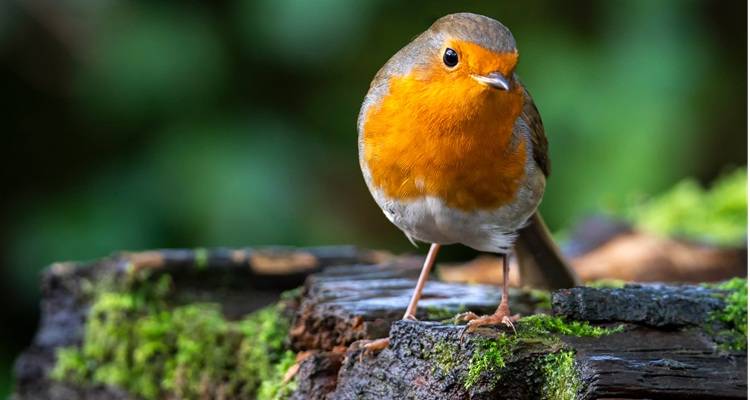
Table of Contents
- How Important Are Gardens for UK Wildlife?
- How Many Species Live in the Average UK Garden?
- Wildlife Species Commonly Found in UK Gardens
- The Most Wildlife-Friendly Garden Features
- Wildlife Species Found in UK Gardens
- How Homeowners Can Support Garden Wildlife
- Interesting Statistics About UK Garden Wildlife
- Conclusion
How Important Are Gardens for UK Wildlife?
Gardens are incredibly important habitats for wildlife across the UK. Research has continuously shown their importance in maintaining biodiversity.
A Vast National Habitat
The sheer scale of UK gardens is humongous. Studies have shown that:
- There are around 25.8 million gardens in the UK.
- These cover roughly 959,800 hectares.
- Gardens account for approximately 4.6% of the total UK land area.
(RHS)
In urban areas, gardens are even more significant. Data from the Office for National Statistics show that residential gardens make up around 30% of urban land cover in Great Britain.
This makes gardens one of the most extensive and important habitats for wildlife, particularly in towns and cities where their natural habitats are limited.
Supporting Wildlife in a Changing Landscape
The UK has experienced a large number of habitat losses over the past century. Some traditional ecosystems, such as meadows, wetlands, and hedgerows, have been reduced, urbanisation has fragmented wildlife habitats, and climate change is altering species distributions.
Due to all of the above, gardens are now playing a very important role in supporting biodiversity. According to RHS, gardens are home to 50 million trees and also home to over half of the nation’s butterflies and 40% of birds and mammals.
Gardens as Wildlife Corridors
One of the most important ecological functions of British home gardens is the overall connectivity that they provide. On their own, gardens tend to be relatively small, but when they are put together collectively, they form a continuous network that allows wildlife to move across various landscapes.
For example, hedgehogs rely on interconnected gardens to travel between feeding and nesting areas. Pollinators such as bees depend on a chain of flowering plants across multiple gardens. Without these important connections, many species would struggle to survive in fragmented environments.
The Impact of Gardening Choices
Human behaviour within gardens has a direct impact on biodiversity. Research shows that gardens managed with wildlife-friendly practices support significantly more species.
However, there are also some challenges. According to research by RHS, 42% of domestic garden space is paved over. That’s 55% of front garden spaces and 36% of back garden spaces. In addition, many homes are now opting for artificial lawns for convenience.
Artificial lawns and hard landscaping reduce habitat availability. This highlights the importance of maintaining green, plant-rich spaces to support wildlife.
How Many Species Live in the Average UK Garden?
The number of species found in a UK garden can vary quite a lot; however, research consistently shows that garden spaces are hotspots for biodiversity. A typical garden in the UK can support hundreds or even thousands of different species, spanning multiple categories of life.
Gardens host an incredible range of organisms, including the following:
- Birds
- Mammals
- Amphibians and reptiles
- Insects and pollinators
- Plants and fungi
- Soil microorganisms
Research shows that gardens can support thousands of different species, including 39% of nationally protected wildlife.
One of the most overlooked aspects of garden biodiversity is soil life. Healthy soil contains:
- Bacteria
- Fungi
- Earthworms
- Microscopic organisms
These organisms form the foundation of the ecosystems, helping to support plant growth and nutrient cycling.
Factors That Affect Biodiversity
The number of species within any given garden space will depend on several things, including the following:
- Size of the Garden – The average UK garden is around 15 x 15 square metres. Some gardens are larger, some are smaller. However, even small spaces can support diverse wildlife.
- Variety of Habitats – Gardens that have a mixture of lawns, flowerbeds, trees, and water features can support more species.
- Location – Urban gardens may have fewer large mammals, but they can still support rich insect and bird populations.
- Water Features – Ponds can help to dramatically increase biodiversity by attracting amphibians and insects.
- Gardening practices – Reducing the use of pesticides and planting native species can help to encourage wildlife.
Ultimately, biodiversity depends less on the size of a garden but more on how the garden is managed.
Wildlife Species Commonly Found in UK Gardens
Below is a breakdown of the different wildlife categories commonly found in gardens:
Birds
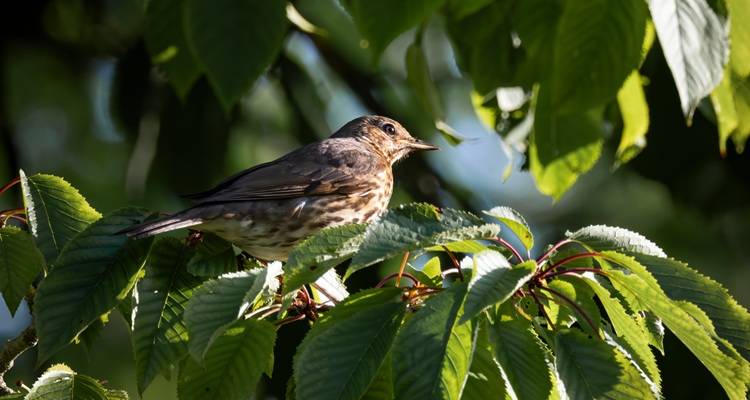
Birds can be seen a lot in UK gardens, and they’re one of the most visible visitors. Gardens provide food from feeders, plants and insects. They also provide nesting sites in trees, shrubs and buildings, as well as shelter from predators. With this in mind, birds enjoy UK gardens very much.
According to RHS, approximately 30 species of birds are regular garden visitors, although more than 140 bird species have been recorded in British gardens.
Common garden birds include the following:
- Robins
- Blackbirds
- Blue tits
- Sparrows
- Wood pigeons
- Magpies
Supplementary feeding is particularly important during winter. This helps the birds to survive when natural food is scarce.
Mammals
Gardens are also important for a range of different mammals.
Below is a list of common mammal visitors:
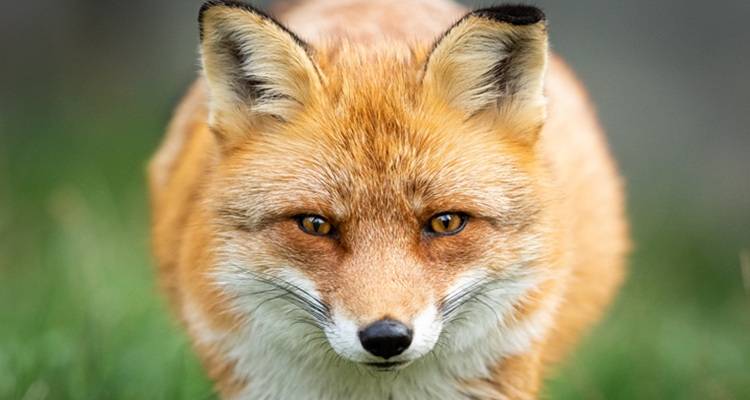
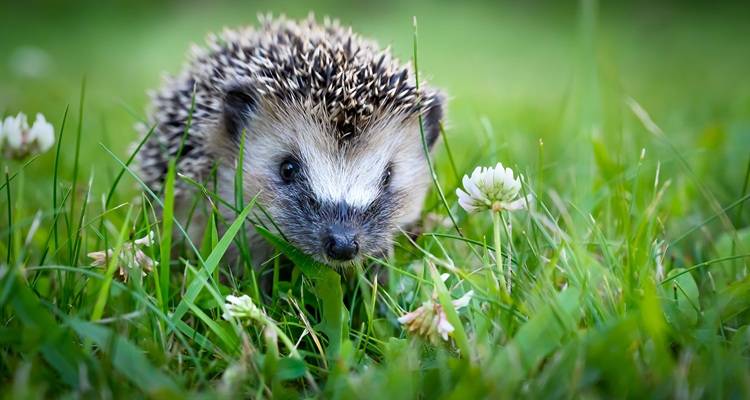
- Hedgehogs
- Foxes
- Grey squirrels
- Bats
- Field mice
Hedgehogs are especially dependent on gardens due to habitat loss elsewhere. Their survival relies on access between gardens and suitable shelter.
Amphibians and Reptiles
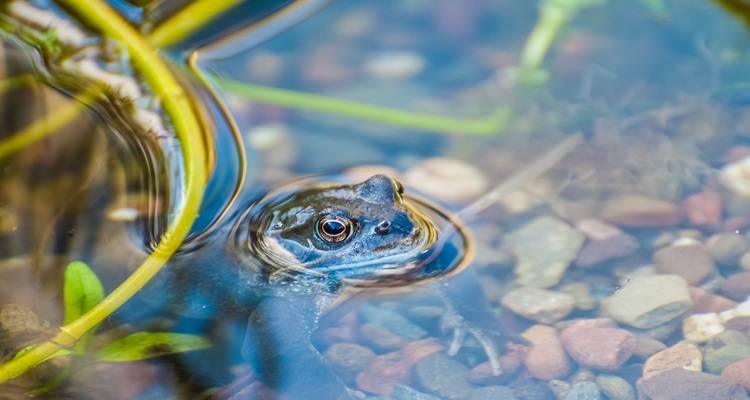
Gardens with ponds or damp areas can support amphibians such as the following:
- Frogs
- Toads
- Newts
Reptiles are less common but may include the following:
- Slow worms
- Grass snakes (rare)
These species rely on sheltered areas such as log piles and compost heaps.
Pollinators
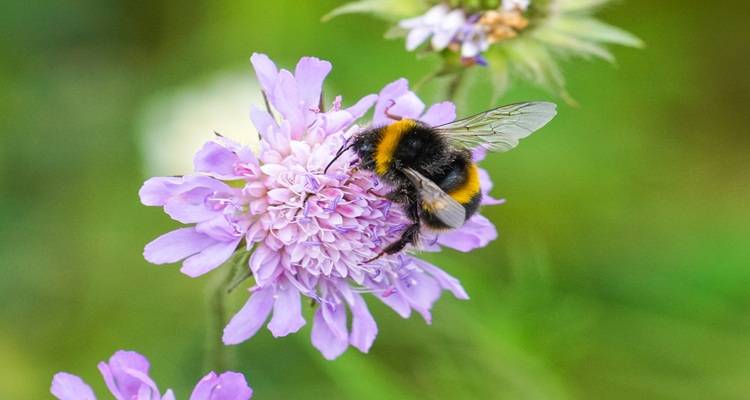
Pollinators are essential for both wild plants and food crops. Gardens provide essential resources for a range of pollinators, including the following that are commonly found in UK gardens:
- Bees
- Bumblebees
- Butterflies
- Hoverflies
- Moths
Gardens support a large proportion of pollinator populations, particularly in urban areas where other habitats are limited. Planting nectar-rich flowers supports pollinator populations.
Insects and Bugs
Insects make up the majority of garden biodiversity. Insects and bugs play vital roles in pollination, pest control, and decomposition. Without insects, garden ecosystems would not function.
Examples of common garden insects and bugs include:
- Beetles
- Ants
- Ladybirds
- Dragonflies
- Earwigs
Garden Plants and Microorganisms
Plants form the foundation of garden ecosystems, supporting all other life.
Gardens can include things like:
- Native plants
- Mosses
- Fungi
- Soil organisms such as worms
Healthy soil ecosystems support garden wildlife. Fungi and soil organisms are particularly important for nutrient cycling and plant health.
The Most Wildlife-Friendly Garden Features
Creating a wildlife-friendly garden doesn’t require a complete redesign or a large amount of space. In fact, some of the most effective features are just small, simple additions that mimic natural habitats and provide essential resources for a wide range of species. By incorporating a variety of these elements, you can significantly increase the number and diversity of wildlife that your garden supports.
Why Garden Features Matter
When it comes to designing a garden, it is less about perfection and more about providing a mix of habitats that meet the basic needs of wildlife: food, water, shelter, and space to breed. The more varied these features are, the more species your garden can support. Research from the Royal Horticultural Society highlights that gardens are now recognised as a “critical national asset” for biodiversity, covering around 4.6% of UK land. This means the way that we design our gardens has a real, measurable impact on wildlife.
Gardens with different layers, such as ground cover, shrubs, and trees, tend to host a lot more biodiversity than simple lawns or paved spaces. Importantly, even smaller gardens can replicate these conditions on a smaller scale, meaning size is far less important than thoughtful design.
Below is a list of the most effective garden features with some information on each:
Wildflower Areas
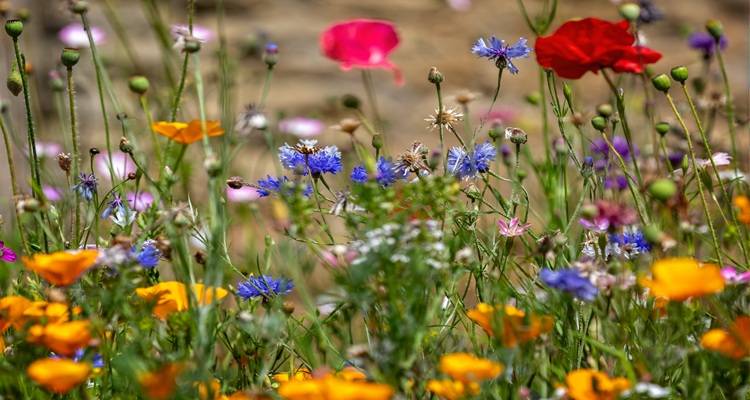
Wildflower areas are one of the easiest ways to increase biodiversity quickly.
Wildflower patches are much better than just a closely mown lawn for several reasons. They do all of the following:
- Provide nectar and pollen for pollinators.
- Produce seeds for birds.
- Support a wide range of insects.
This is particularly important because gardens support thousands of species collectively, including a significant proportion of the UK’s pollinators. By allowing even just a small area of natural wildflowers to grow, you can contribute to reversing the decline in pollinators.
Even small changes, such as reducing mowing frequency, can dramatically increase the number of insects present, which in turn supports birds and mammals higher up in the food chain.
Garden Ponds
Water features are consistently ranked as one of the most powerful biodiversity boosters in any garden.
Ponds provide the following:
- Breeding grounds for amphibians
- Drinking water for birds and mammals
- A habitat for aquatic insects
Garden ponds can support a huge range of different species, including some that are under threat in natural environments. The UK has lost over 50% of ponds since 1900, and 80% of those that remain are in a poor state. 2/3 of all freshwater species are supported by pond habitats, so this is a significant loss. This is why garden ponds are so important.
Even just a small pond can make a big difference. Smaller ponds can easily become a hotspot for biodiversity, attracting frogs, insects, and birds.
Wildlife Species Found in UK Gardens
Below is a list of common wildlife species that are found in UK gardens:
| Wildlife Type | Common Species | Why They Visit Gardens |
|---|---|---|
| Birds | Robins, sparrows, blackbirds, blue tits, starlings | Food, nesting |
| Mammals | Hedgehogs, foxes, squirrels, bats | Shelter and food |
| Amphibians | Frogs, toads, newts | Ponds and damp areas, breeding |
| Pollinators | Bees, butterflies, hoverflies | Nectar and pollen |
| Insects | Beetles, ants, ladybirds | Habitat and prey |
| Plants | Wildflowers, shrubs, trees | Growth |
| Fungi | Mushrooms, moulds | Decomposition |
| Soil organisms | Worms, microbes | Soil health |
How Homeowners Can Support Garden Wildlife
Homeowners can make a huge difference simply by changing a few habits and focusing on more wildlife-friendly gardening.
Below is a list of great things you can do to support garden wildlife:
- Plant native species
- Leave areas slightly wild.
- Install bird feeders or nest boxes.
- Avoid pesticides
- Create ponds
- Leave leaf piles for insects.
- Install hedgehog access holes in fences.
Even small changes can dramatically increase biodiversity. Just a few small changes can increase pollinator numbers, support bird populations, and improve the health of the soil in the garden.
Interesting Statistics About UK Garden Wildlife
- There are 25.8 million gardens in Great Britain (RHS)
- Gardens cover 959,800 hectares, which is 4.6% of the land area (RHS)
- Gardens contain over 50 million trees (RHS State of Gardening)
- Gardens are home to over half of the nation’s butterflies and 40% of birds and mammals (RHS State of Gardening)
- Gardens are home to thousands of species, including 39% of nationally protected wildlife (ResearchGate)
- Gardens make up around 30% of urban land (Office for National Statistics) 87% of those in the UK want to bring more wildlife to their gardens (Horticulture UK)
- Around 42% of garden space is paved (RHS)
Conclusion
UK gardens are much more than just an outdoor space on your property; they are actually essential ecosystems that support a huge range of wildlife. Collectively, gardens form one of the largest and most important wildlife habitats in the country. From birds and mammals to insects and microorganisms, gardens act as miniature nature reserves that help sustain biodiversity.
As natural habitats start to decline, the importance of gardens will only increase. Luckily, it is relatively easy for every garden owner to contribute and encourage wildlife to enter their homes. Small changes, such as planting flowers, reducing the use of pesticides, and creating habitats, can make a huge and meaningful difference.
When it comes down to it, the future of a lot of the UK’s wildlife may depend not just on nature reserves, but on the millions of gardens that are found right outside our doors.
Last updated by MyJobQuote on 15th May 2026.