Builders
 Carpenters
 Electricians
 Flooring Specialists
 Gardeners
 Handymen
 Heating Engineers
 Painters & Decorators
 Plasterers & Renderers
 Plumbers
 Roofers
 Tilers
 my
myAsk a Trade
Got a question that only a tradesperson can answer? We have thousands of trades ready to answer any question you may have.
Ask your question
Moving a staircase can be a daunting task if you're unsure of what you're doing. That's why we've created this step-by-step guide to help you understand how to move a staircase. Check it out below!
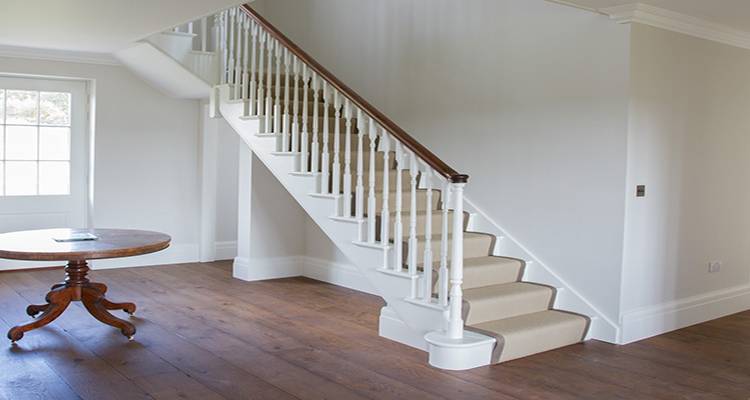
The below list is just some of the tools required to move a staircase and a definitive list will vary from job to job. However, this isn't something to carry out as a DIY project unless you have prior experience.
Below is a list of some recommended safety measures, although this may vary depending on the equipment being used. It is also important to note that moving a staircase can have an impact on load-bearing walls, along with the overall structural integrity of your property.
As well as taking the above precautions, it is strongly recommended to always consult with a structural engineer before deciding to move a staircase.
Below are some of the materials needed to carry out the work, although in reality much more is required to do the work successfully. As such, finding a staircase fitter in your area is a much safer option than attempting the job yourself.
To prepare for the relocation of your staircase, firstly you need to know where they are moving to and create the foundations on which they will sit.
You will also need to remove any carpet and handrails if applicable. Cut along the edges of the carpet and carefully pull it up, also removing the underlay once ready to do so.
Cut the spindles along the handrail at the base with a saw, working from the top of the stairs to the bottom. Then cut the handrail itself into manageable sections, so it can be removed successfully.
Below is a list of steps to help provide a general overview of how to move a staircase. However, in reality there are far more processes to take into consideration, and the work should only be carried out with the assistance of an experienced staircase fitter or builder or under the guidance of a structural engineer.
This is largely due to the fact that moving a staircase is a highly complex procedure, which can potentially lead to structural damage, as well as proving dangerous for an individual homeowner without an appropriate level of experience.
Start by disconnecting the staircase by cutting off the nails using a reciprocating saw. Repeat this step on both sides of the staircase.
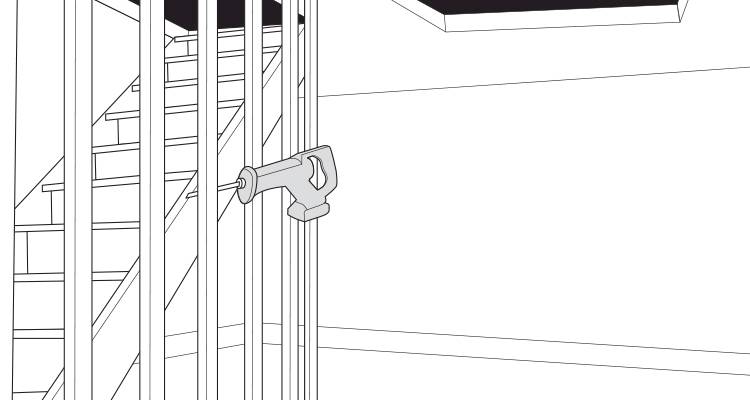
You can then hammer out and remove the foundations for the stairs so that you can pull the stairs out from their position. Lay the stairs flat somewhere away from the work area so that they don't fall or become damaged in any way.
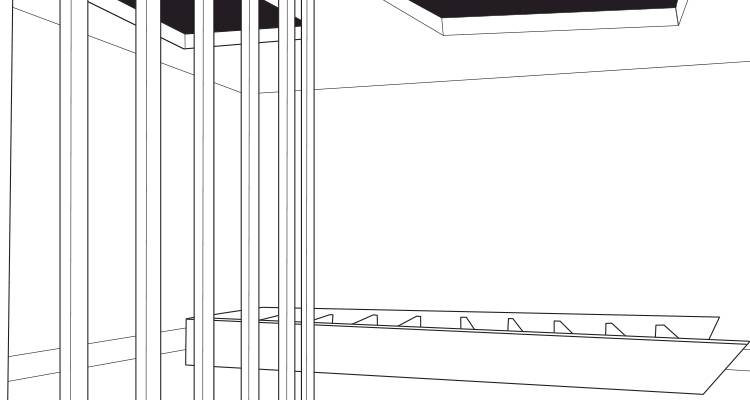
Then, remove the timber frame from the old staircase position. You should be able to remove this by hammering the timber out of place.
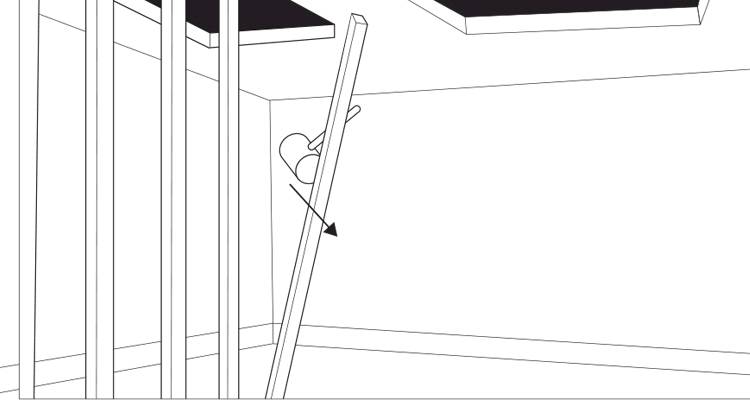
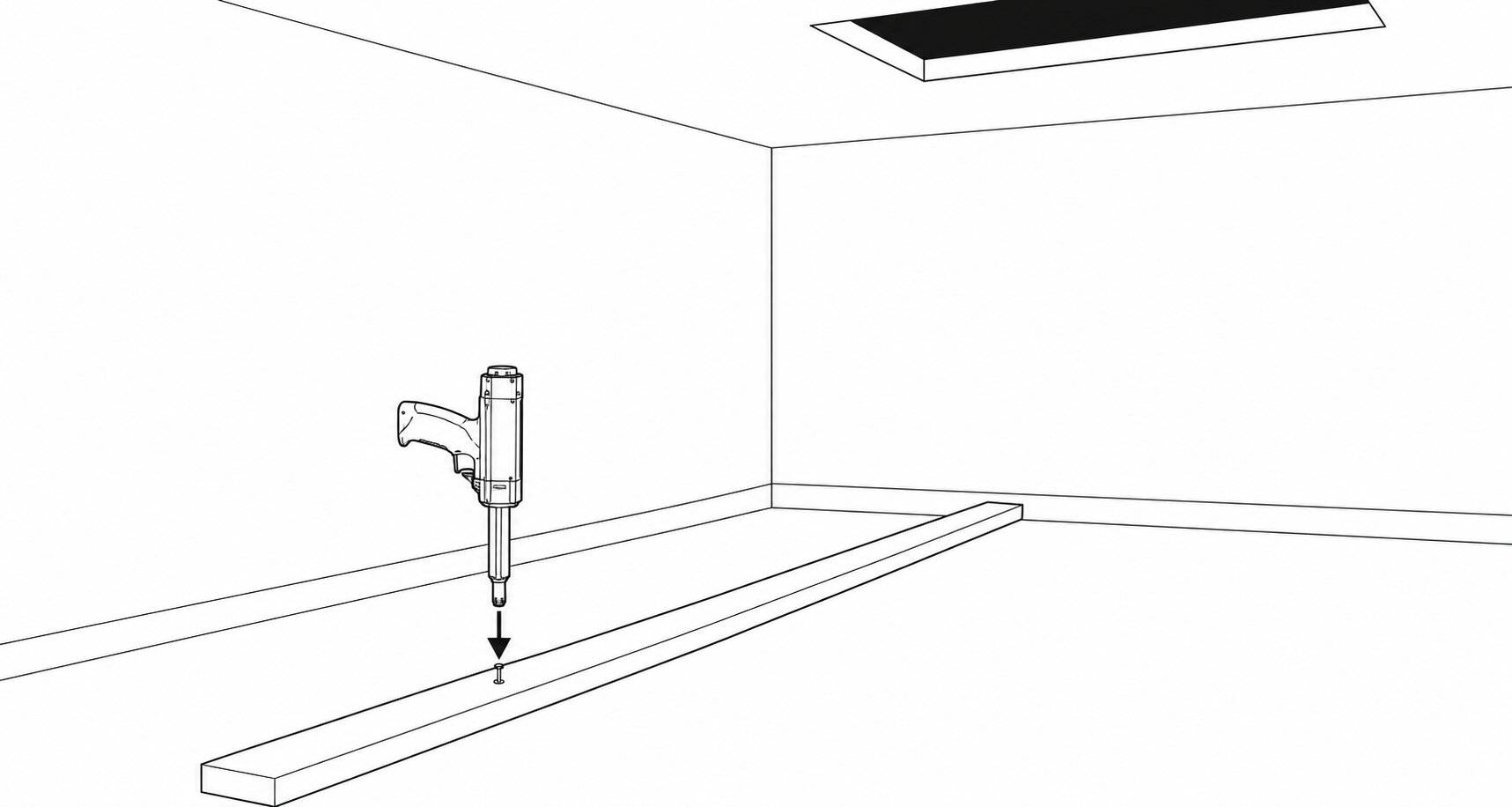
You are now ready to create the timber frame at your new staircase location. Start by nailing your bottom plate to the floor using a Ramset .22 calibre concrete fastener tool with 2.5-inch nails.
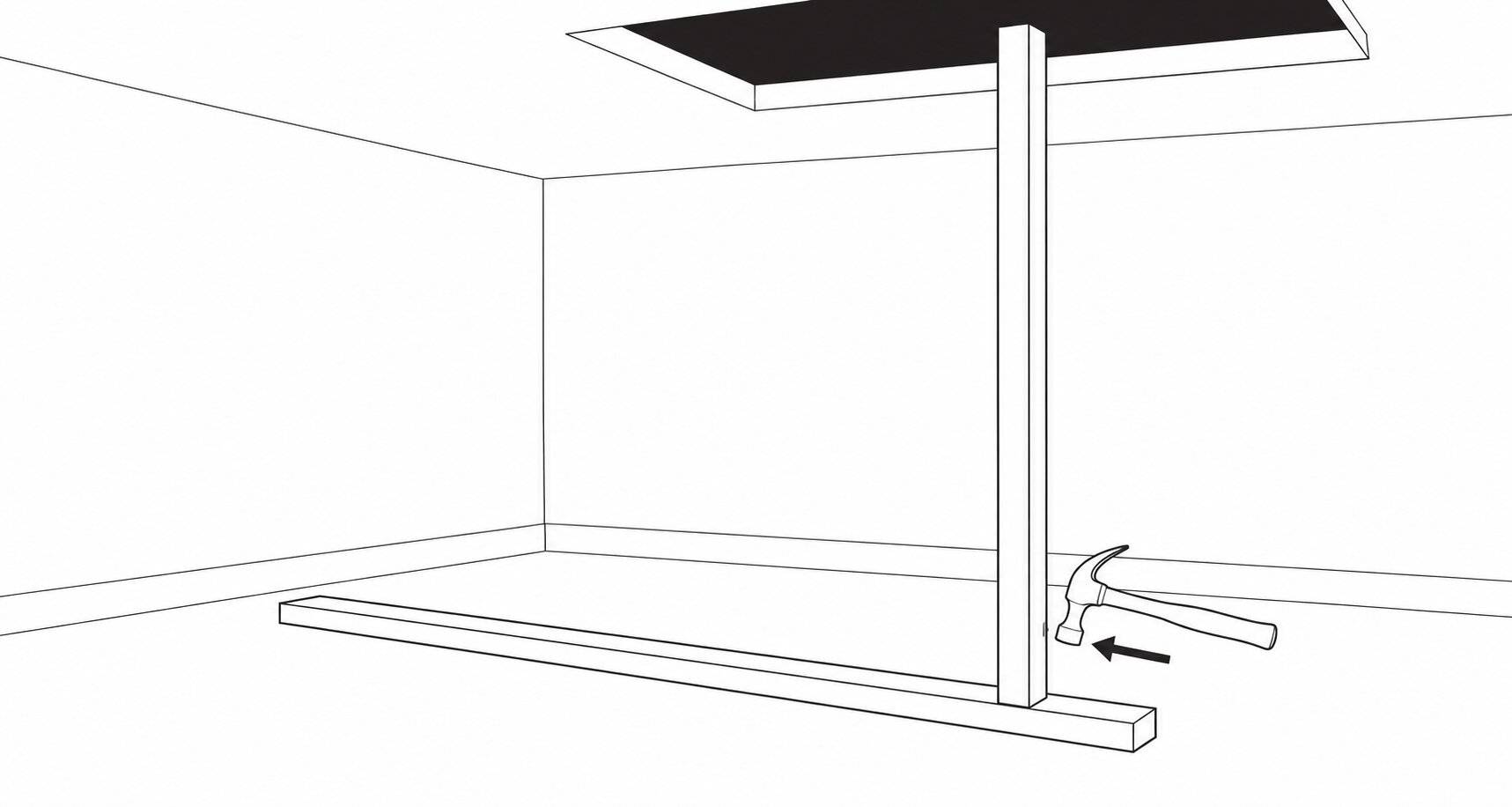
Use timber in the size specified by the structural engineer for the main support post. Hammer it into position at the bottom of your staircase in line with your bottom plate to ensure the floor and ceiling are supported. Nail this in place once you're happy with the position.
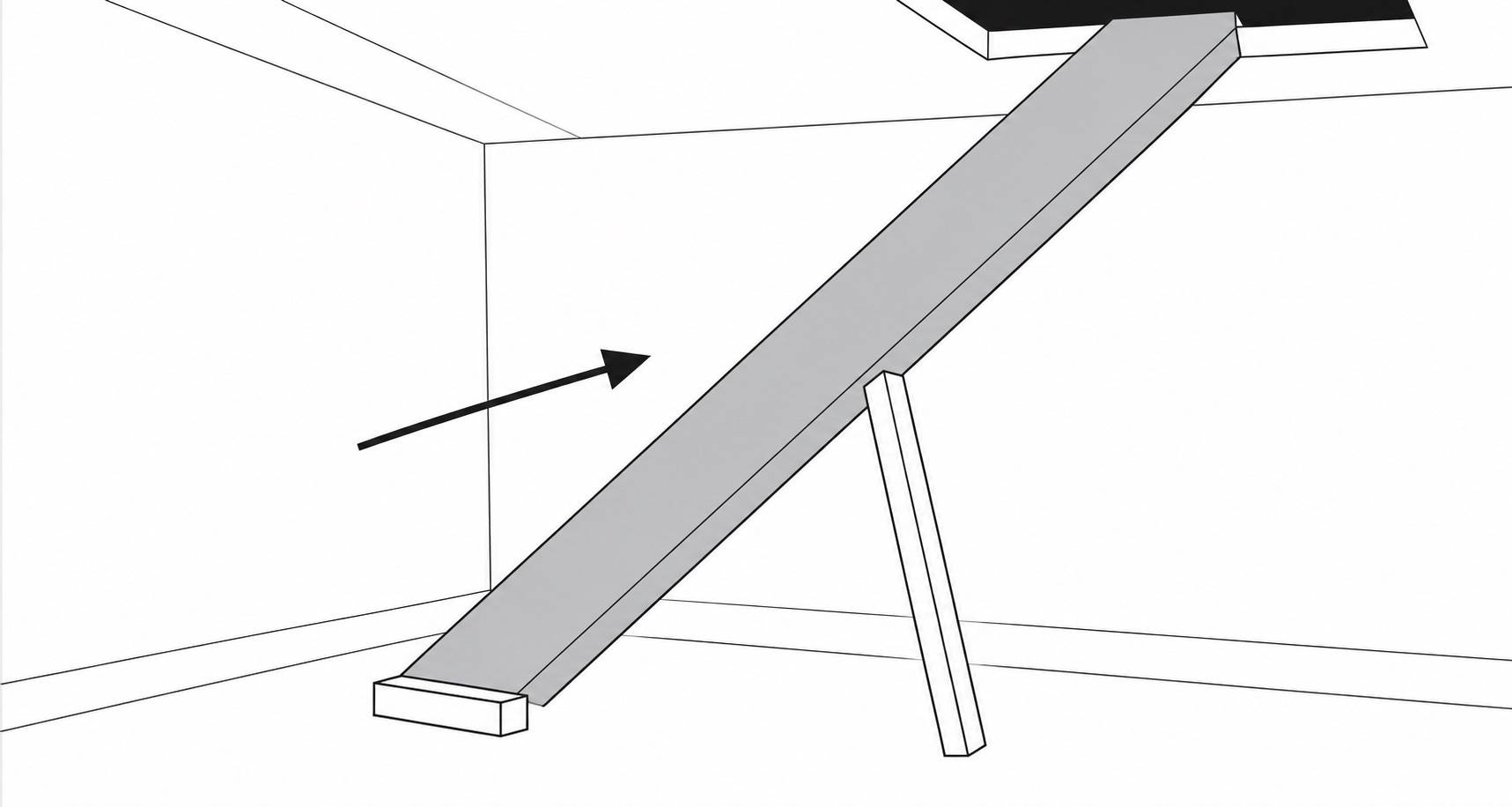
Move your stairs to their new location and put them in position. Once you're happy with the position, use temporary supports, such as a block at the base or temporary props, to hold them in place until they are fixed.
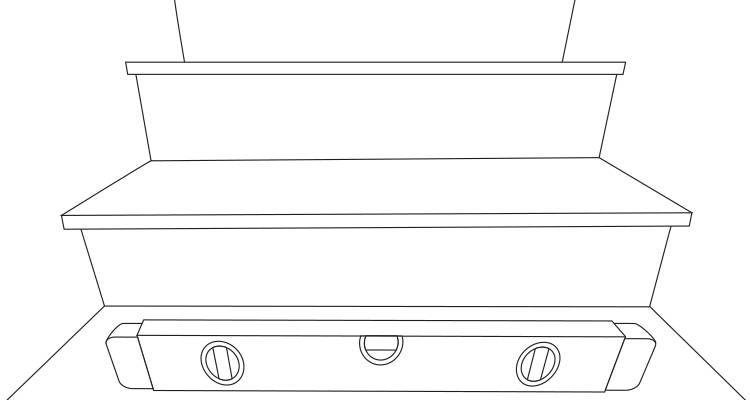
Before you secure the steps in their new position, you want to make sure they are level with a spirit level. Check each step to make sure they are all level.
Once you're happy that the stairs are level, you can then secure the steps to the wall using 5mm structural screws, fitted at least 50mm into a timber stud or masonry wall. For masonry walls, 50mm wall plugs are also needed at this stage. Fit the screws beneath the top and bottom treads first, then add more screws between them, no more than 600mm apart.
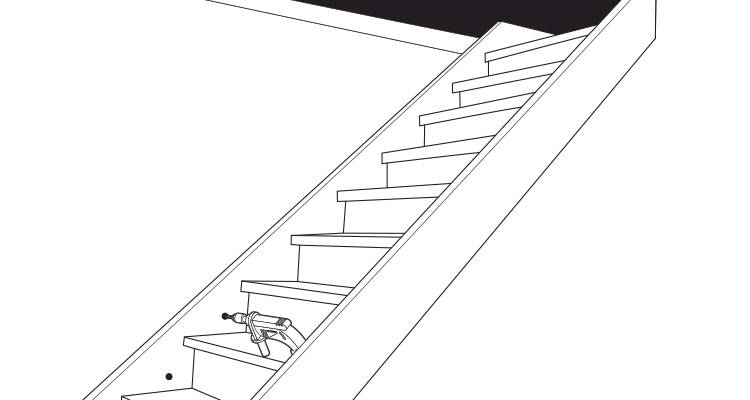
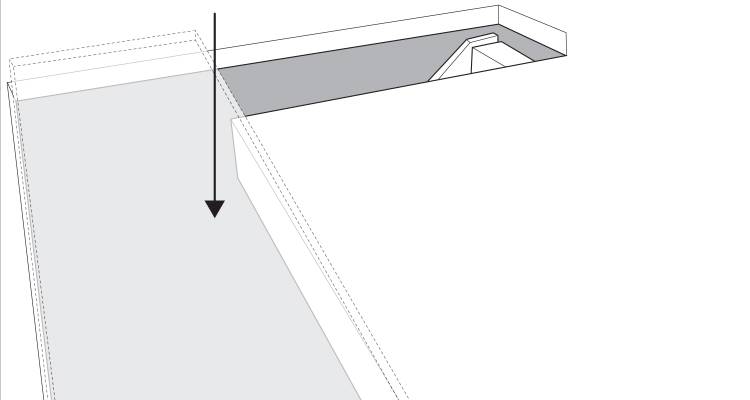
When the stairs are safe and secure in their new position, you can then go on to cover up or fill in the gap where the stairs used to be if needed. You can also go on to build a new wall next to your new staircase position if needed.

The average cost for moving a staircase in the UK is between £2,000 and £4,000. The price will depend on the severity of the job, the location of the staircase, and your location within the UK.
Most of the time, planning permission is not needed to move a staircase, as long as the work doesn't change anything outside the house. Listed building consent is needed before significant work like moving a staircase if you live in a listed building, but this is separate from planning permission.
There are some strict building regulations that must be followed when you move a staircase and building regulations approval is needed before work begins. These rules cover important factors such as stair width, rise and going, headroom, handrail height, and the angle of the stairs.
In England and Wales, approval comes from the council's building control department or a private registered approver, and in Scotland you need a building warrant from the council's building standards department. In Northern Ireland, you should notify the local council before work begins.
When fitting a spiral staircase, you will need to have an opening that is 100mm larger than the chosen staircase's diameter.




Copyright 2026 MyJobQuote.co.uk. All rights reserved
Privacy Policy | Terms and Conditions | Sitemap
MyJobQuote.co.uk is rated 4.68 stars by reviews.co.uk based on 4168 reviews