Builders
 Carpenters
 Electricians
 Flooring Specialists
 Gardeners
 Handymen
 Heating Engineers
 Painters & Decorators
 Plasterers & Renderers
 Plumbers
 Roofers
 Tilers
 my
myHow to Clear a Blocked Sink
Knowing how to fix a blocked sink can help you save time and money by unblocking the sink yourself. Check out this handy how to guide, which is easy to follow.
Table of Contents
What Tools Do I Need to Fix a Blocked Sink?
Below is a list of the tools that you will need to fix your blocked sink:
- Cup plunger
- Plumber's snake
- Stiff wire
- Cloth
- Bucket
What Safety Equipment Do I Need to Repair a Blocked Sink?
Depending on the type of blockage in your sink and the stubbornness of the blockage, you may need to use a drain cleaner to complete the job effectively.
How to Prepare for a Blocked Sink Repair
To prepare to clean and unclog drains and fix a blocked sink, you should begin by ensuring you have all of the tools and materials needed to complete the job.
How to Clear a Blocked Sink Yourself — Step-by-Step Guide
Below is a step by step guide on how to repair a blocked sink:
Step 1
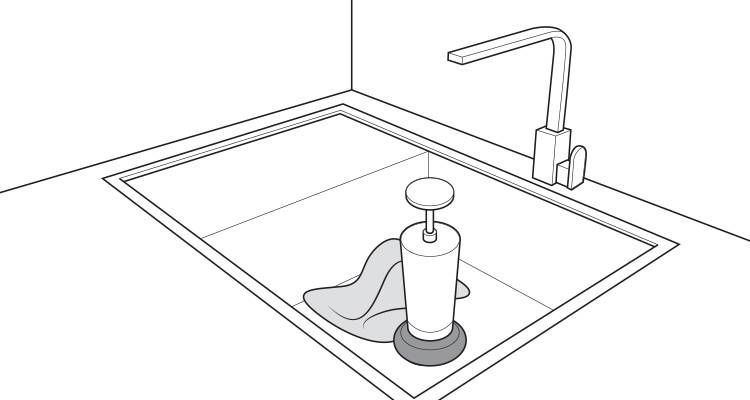
Place your cup plunger over the plug hole and then block the overflow with a wet cloth.
Step 2
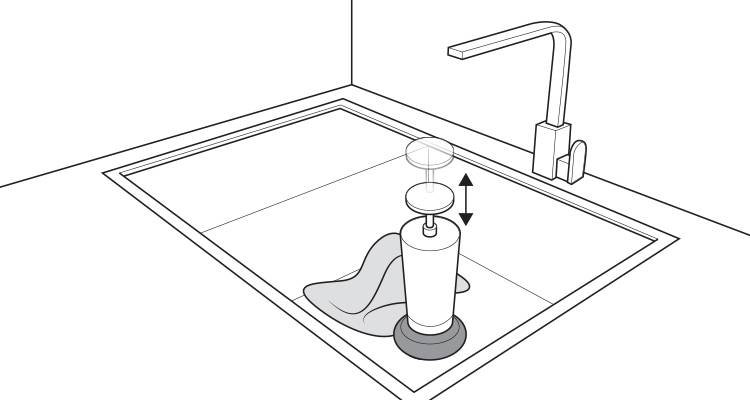
With the plunger covering the plug hole, press down, and after a few plunges, the blockage should start to clear.
Step 3
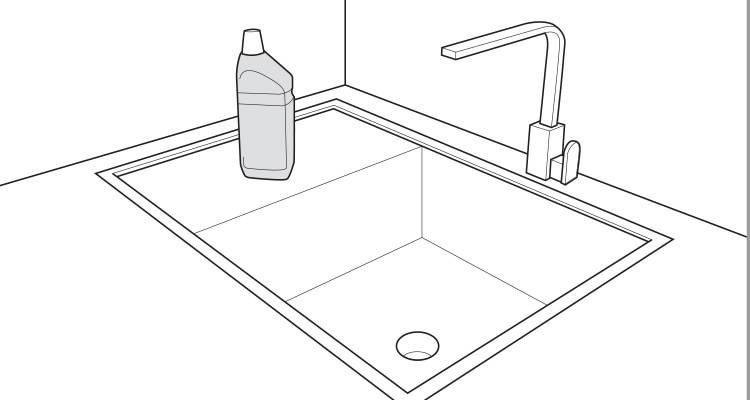
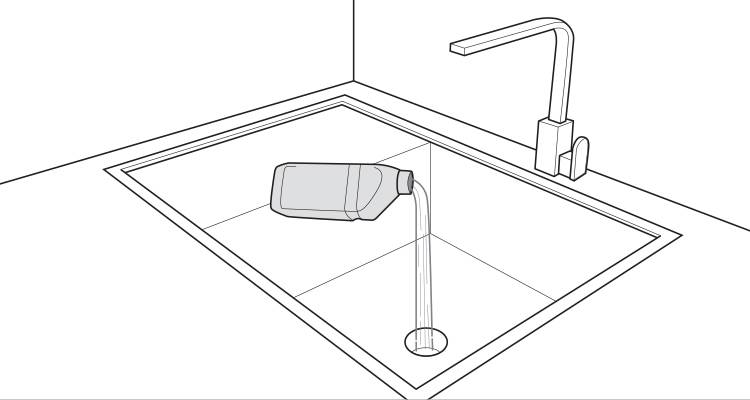
If this fails to unblock the sink, try using a liquid drain cleaner. However, make sure to follow the instructions on the bottle before use, especially as some drain cleaners can potentially damage PVC, rubber seals, and older pipework.
Step 4
Carefully pour the liquid drain cleaner into the plug hole as per the instructions, and then rinse it thoroughly with some warm water.
Step 5
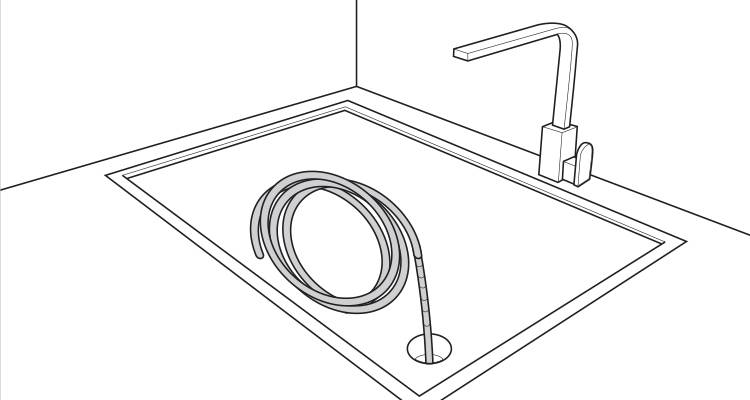
If the blockage persists, try using a plumber’s snake. Carefully push the snake down the drain and when you reach the obstruction, pull, twist, and push until the blockage is removed. Then rinse with water to remove any remaining debris.
Step 6
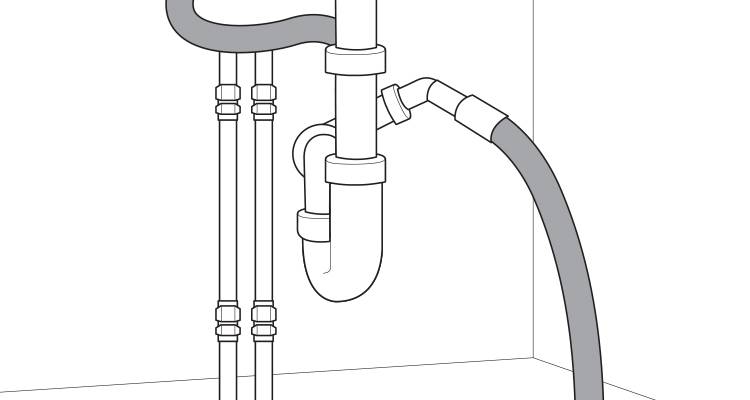
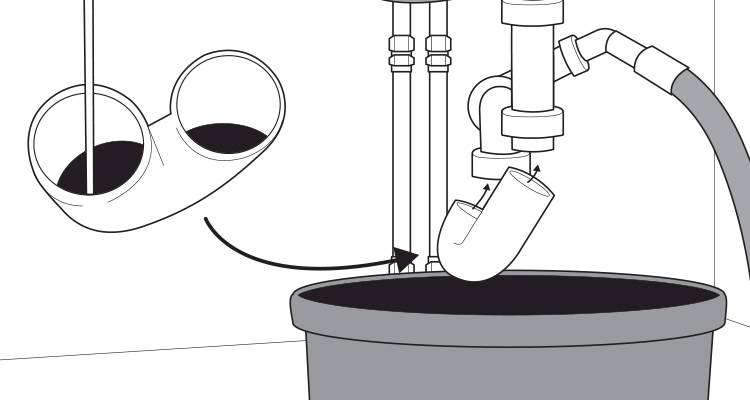
If none of the above options work, you will need to access the pipework underneath the sink and clear the blockage via the trap (the U-shaped pipe).
Step 7
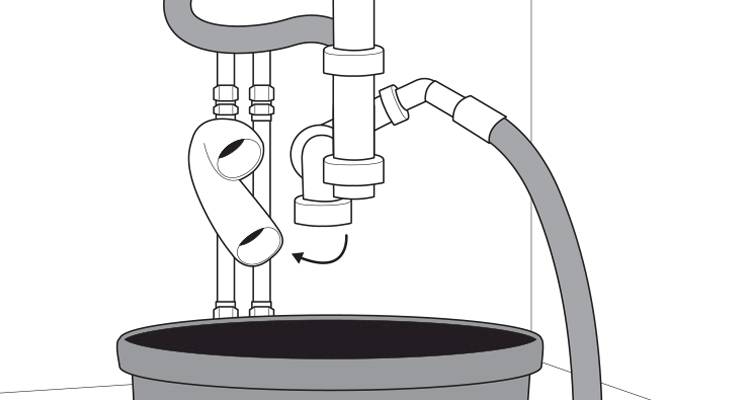
Place a bucket under the trap pipe to catch water when you remove it. Unscrew the trap and remove it and then empty the water into your bucket.
Step 8
Rinse the trap out and use a stiff wire to unblock it. Then, replace the trap and screw it back into place. Don’t forget to turn the water supply back on once you’ve finished.
Blocked Sink Causes
There are several possible causes for blocked sinks. Below is a list of the most common causes and how to prevent or fix these issues:
- Hair Blockage - Hair combined with grease and sticky substances is a common issue in the bathroom and can be prevented by using a drain guard and clearing it regularly.
- Soap Blockages - Bars of soap can leave behind residue or soap scum that clogs pipes, which will need to be removed, potentially by pressure cleaning.
- Small Objects - Debris built up around the sink or items accidentally dropped down the plug hole can cause a potential blockage that needs resolving.
- Food Blockage - Food waste can collect in the pipework and cause blockages, as well as creating a bad odour. Always scrape food into the bin before washing up.
Sink Maintenance
Below are some tips on how to maintain your sink:
- Run hot water through the sink after each time you use it - Hot water will help to flush any product or blockages in the pipes rather than allowing them to build up.
- Throw baking soda into the drain and follow it with hot water - Baking soda is a great cleaning agent and will keep the inside of your pipes nice and clean and will avoid any possibilities of bad smells arising.
- Clean your sink regularly - Clean your sink regularly to ensure that it stays in the best shape that it possibly can.
- Pour some vinegar down the sink and let it sit there for 30 minutes, then flush it out with hot water - This will help to clean out the pipes and will remove any build-up of bad materials in the pipes to prevent clogging.
How to Remove a Sink
If you have a broken sink, you may wish to remove it and make way for a new one. This can be done by the following process, although if you are not confident enough or anything is required beyond these steps, then you should hire a professional plumber:
- Shut off your water supply - Turn off the isolation valves, or your main water supply to stop the water flow while disconnecting your sink.
- Disconnect the supply lines - Unscrew the water lines to your hot and cold taps using a wrench.
- Disconnect the trap - Position a bucket to catch any water and loosen the nuts on the P-trap/U-bend, removing the trap so it can be emptied.
- Release the sink - To remove the sink from the work surface, remove mounting clips or carefully cut through the old sealant with a utility knife.
- Lift out the sink - Carefully remove the sink from the work surface and put it to one side ready to replaced or disposed of.