Builders
 Carpenters
 Electricians
 Flooring Specialists
 Gardeners
 Handymen
 Heating Engineers
 Painters & Decorators
 Plasterers & Renderers
 Plumbers
 Roofers
 Tilers
 my
myAsk a Trade
Got a question that only a tradesperson can answer? We have thousands of trades ready to answer any question you may have.
Ask your question
The article below provides you with a step-by-step guide on how to fit curtain poles. We will also go over all of the tools, materials, and safety equipment needed when it comes to curtain pole fitting.
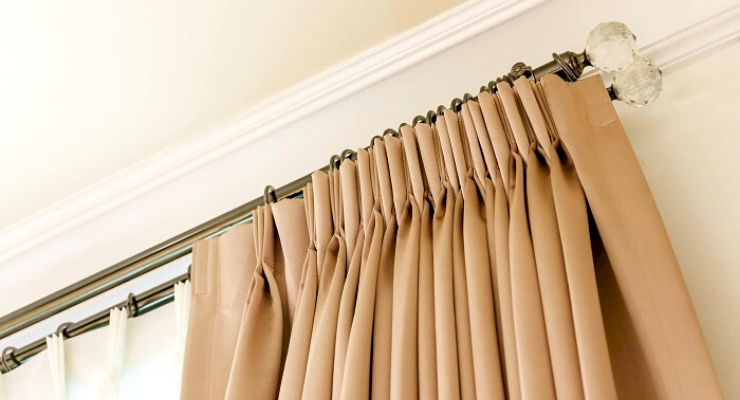
To ensure your curtain poles are fitted correctly, you need the right tools for the job. The list below highlights all of the relevant tools that you will need to fit curtain poles:
Below is a list of safety equipment that you will need when fitting a curtain pole:
When using step ladders as part of the job, these should be high enough so that you can work comfortably without having to balance or overreach.
Below is a list of the materials that you will need to fit curtain poles in your home:
There are several types of curtain poles to choose from when hanging curtains, including:
As one of the most popular options found in homes across the UK, wooden curtain poles are usually available in white, black or natural wood shades.
They offer a neutral and simple appearance which looks great with any curtain designs, including eyelet, pleated and tab top options.
Also a popular choice, metal curtain poles tend to offer a more contemporary design than wood. They are also available in a variety of finishes such as chrome, brushed steel and matt black.
You can also add a range of finials to the end of the poles including metal balls, crystals and swirled fixtures.
Curtain tracks are extremely versatile, from limited spaces to larger installations, such as bay windows. They are often made from durable plastic, although they can also be metal or aluminium. The curtains are fitted to hooks clipped into gliders running along the track.
Compared to curtain poles, tracks are usually fitted closer to the wall, which may reduce the amount of light that comes in. They are generally only compatible with pleated curtains, so they may not be the best option for other curtain styles.
Corded curtain tracks feature a pull cord which usually hangs beside the curtain, allowing you to open and close the curtains quickly and easily. However, the cord should always be secured using the supplied cord tidy or tensioner to keep it short and out of young children's reach as it is a strangulation hazard.
Before purchasing corded curtain tracks, you should check that they work with your chosen curtains and hooks.
It is essential that you select the right curtain poles for your curtain. Therefore to help you make the right decision, below we take a look at the different types of curtain to choose from:
This curtain style is one of the most popular designs in UK homes, with various options to choose from in terms of colours and patterns.
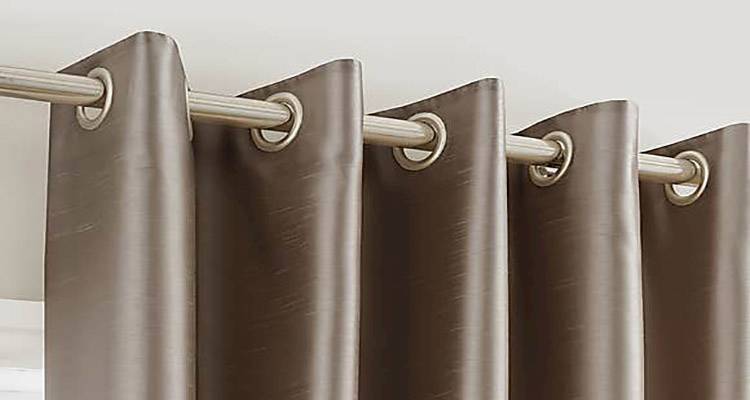
This type of curtain features rings at the header which work well with cotton and linen fabrics which makes them easy to open and close.
Rod pocket curtains feature a ruched design which is created by sewing the pocket at the top of the curtains. This type of curtain holds lightweight materials such as cotton, linen and polyester.
Tab top curtains offer a luxurious finish with loops at the top edges of the curtains. This type of curtain is normally static, as rods tend to make it harder for them to open and close.
If you are looking for a traditional curtain design, you may want to consider pleated curtains which offer a retro aesthetic. The pleated design is created by sewing header tape into the back of the curtain panel, which forms pleats when pulled together.
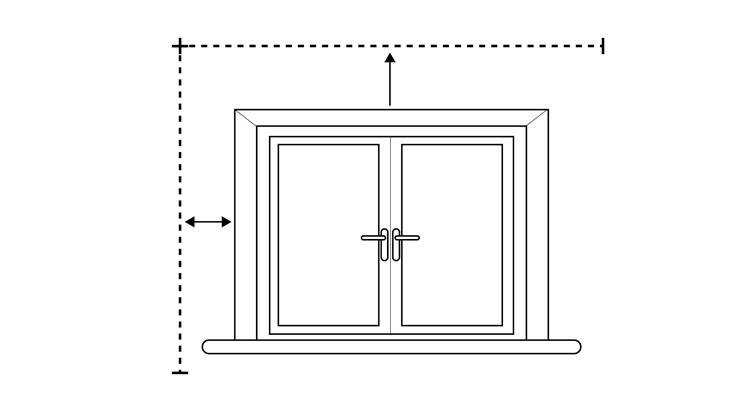
Before hanging curtain poles, it's important to measure and mark where on the wall you're planning on having them positioned.
Start by measuring the height based on your curtains. Curtains are usually hung so they either reach the floor or just below the window sill. Make sure you account for the curtain header or eyelets when determining the pole height. Typically, the pole should be positioned about 100mm above the top edge of the window frame.
Next, measure the width of the window and mark where the ends of the pole will go. The end brackets should sit about 100mm beyond each side of the window frame and the end of the pole should lie about 200mm past each side of the frame, to allow the curtains to fully clear the window when open. You may need a longer overhang if your curtains are particularly thick or heavy.
The below is a recommended guide on how to fit curtain poles, although these steps can be adapted to suit your home and personal preferences:
If your curtains are heavy or if you have a large window, you will need to put up a central bracket. To find your centre point, measure the entire length of the window and then halve that amount and mark the centre point.
You also need to determine the height by measuring the drop. When doing this, make sure to mark your centre point at the appropriate height as required for your curtains.
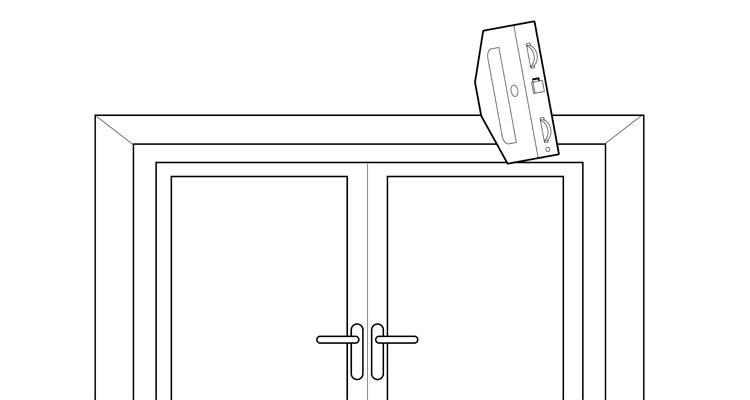
Before drilling a hole for your bracket, you need to check for cables and pipes behind the wall. Do this by running a cable and pipe detector over the wall area, and avoid drilling directly around a light switch or socket.
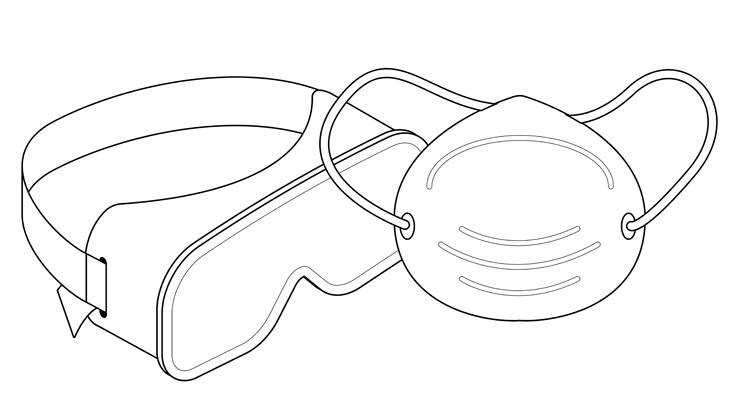
Once you've checked the wall for pipes or cables, put on a dust mask and safety goggles.
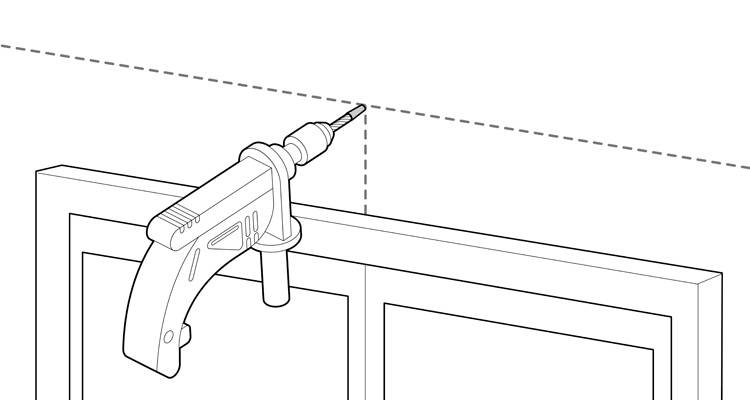
Position the bracket's back plate on the wall and use a pencil to mark the wall through the screw holes. Drill the holes with an appropriate bit and use wall plugs that suit the wall's material.
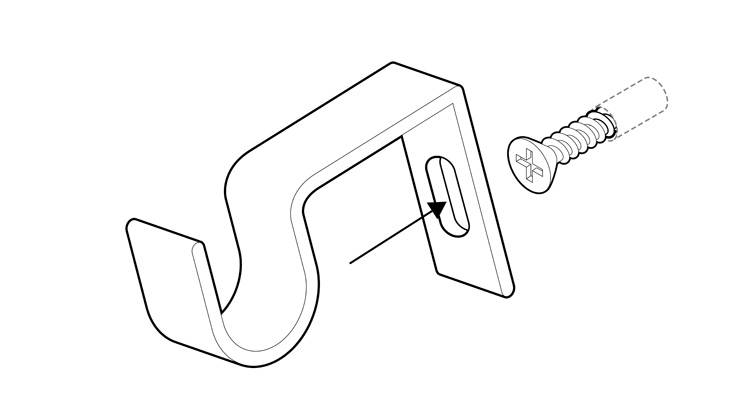
Screw the back plate firmly to the wall, then fit the bracket arm, rotating it the correct way to hold the pole.
Measure the gather on your curtains and then mark out the measurement for your curtain gather on the wall. For example, if your curtain gather is 100mm, put a mark 100mm to the right of the window gap.
Use your centre bracket as a guide and make sure the mark is in line with it. Use a spirit level to ensure it is completely level with the centre bracket.
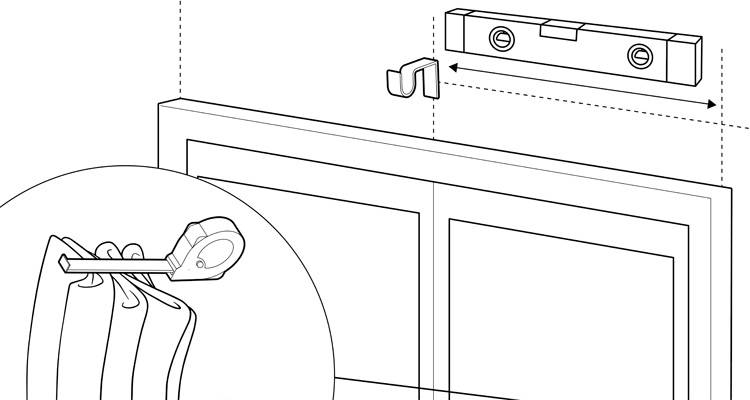
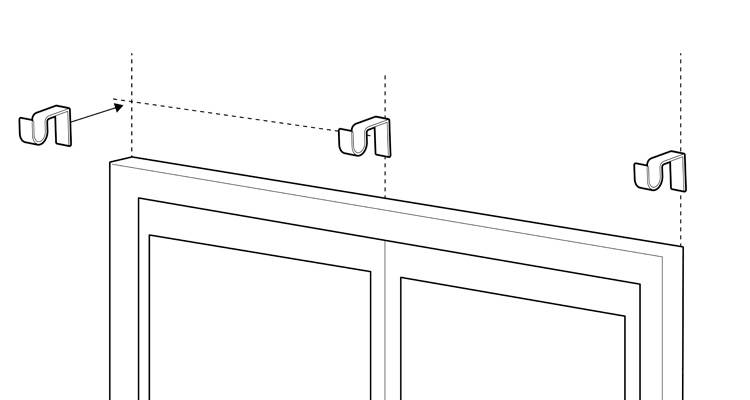
Once you're sure your marking is in the right place, attach your right-hand bracket in the same way as the centre bracket.
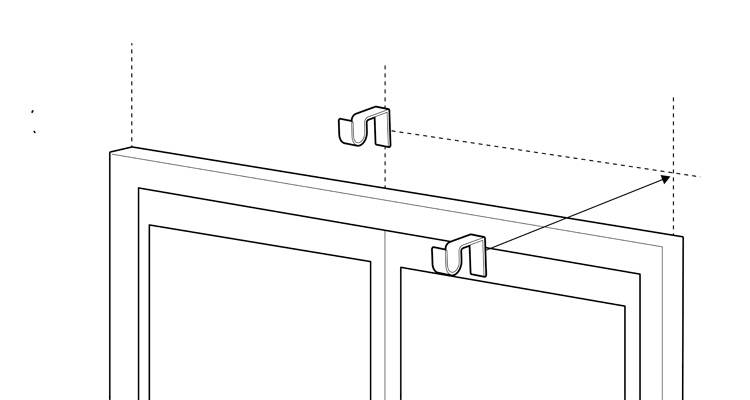
You can then repeat this same process on the left-hand side.
You will now need to feed your curtain pole through the curtains and then lift it into position. Make sure that you leave the end eyelet on the outside of the bracket.
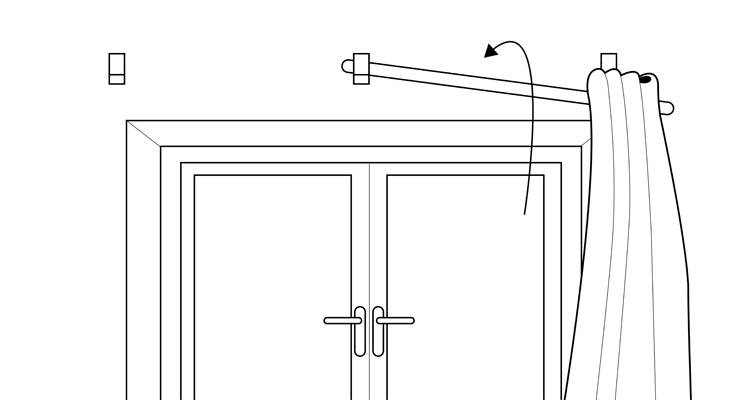
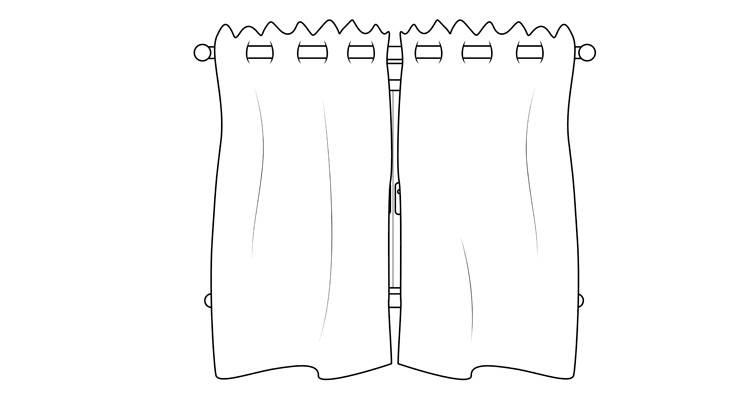
Repeat this same process on the other side, and you can then secure your curtain pole into position on the brackets using the screws provided.

A quick Google search pulls up several options for cheap curtain poles, including B&M, Argos, Wilko, and The Range. You may also be able to find cheap curtain poles in some local independent shops.
The best way to add extra security to your curtain pole if you have heavy curtains is to ensure that you have a centre bracket installed as well as the two side brackets.
A curtain pole can be fitted to any kind of wall as long as you have the right fixtures and fittings. However, certain precautions may be needed. For example, when hanging onto a plasterboard wall, it's best to fix the pole brackets directly into the wall studs rather than the plasterboard itself.
When installing longer poles you can add an additional centre bracket and make sure all brackets are fixed securely into studs or solid wall anchors.




Copyright 2026 MyJobQuote.co.uk. All rights reserved
Privacy Policy | Terms and Conditions | Sitemap
MyJobQuote.co.uk is rated 4.67 stars by reviews.co.uk based on 4147 reviews