Builders
 Carpenters
 Electricians
 Flooring Specialists
 Gardeners
 Handymen
 Heating Engineers
 Painters & Decorators
 Plasterers & Renderers
 Plumbers
 Roofers
 Tilers
 my
myAsk a Trade
Got a question that only a tradesperson can answer? We have thousands of trades ready to answer any question you may have.
Ask your question
Bleeding a radiator is an easy job you can do yourself in just a few minutes, and it could help you avoid the cost of hiring a plumber to bleed a radiator. This guide will show you step by step, and it also includes the tools and materials you'll need to do it.
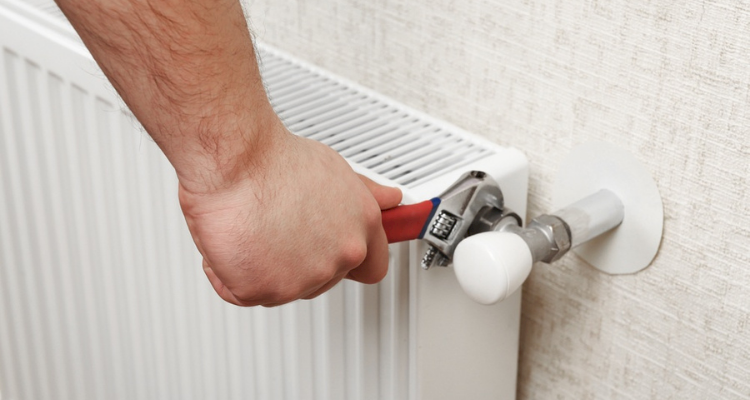
Regularly bleeding your radiators can help your heating system run more efficiently. Removing trapped air lets hot water circulate properly, so your radiators heat up faster and more evenly.
This can also help to:
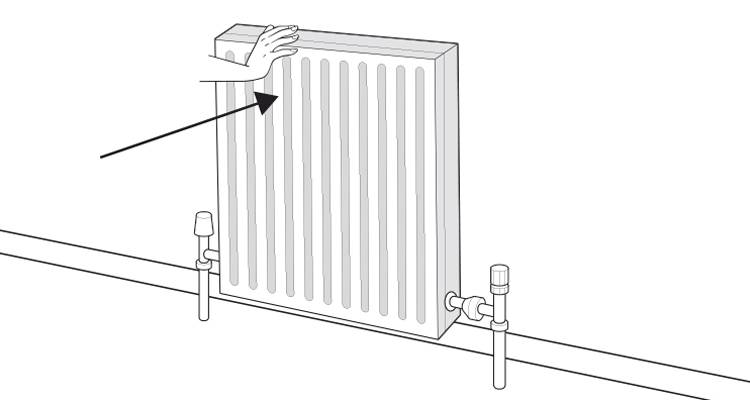
Turn on your central heating and carefully feel the surface of each radiator once they've heated up. If it's hot at the bottom and cold at the top, there's trapped air inside and it needs bleeding.
Other signs to look out for include:
If you notice any of these, turn off your heating and let the radiator cool before you bleed it.
Before we start, what is "bleeding a radiator"?
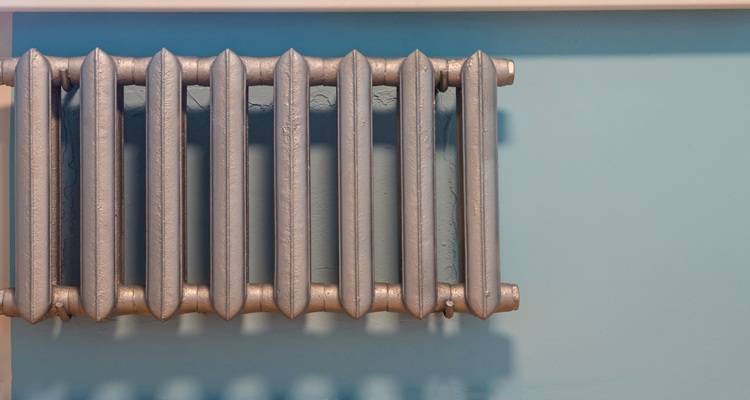
Radiator bleeding is the process of removing trapped air from your radiators to improve the flow of hot water and stop cold spots from forming in your radiators.
So, what do I need to bleed my radiators?
Here's a list of the tools you'll need to bleed a radiator:

There's no specialist safety equipment needed to bleed a radiator, but keep an old cloth to hand, as water and sludge can spit out during the process.
Before you start, you should:
If you're installing a new radiator in your home, bleeding your new radiators once they've been fitted will be an important step in your process.
So, how do I bleed my radiators?
Here's what you need to know:
Run your hand over the radiator to check if it is cold at the top or bottom.
If it's cold at the top, that means there is air trapped in the radiator, and that it needs to be bled.
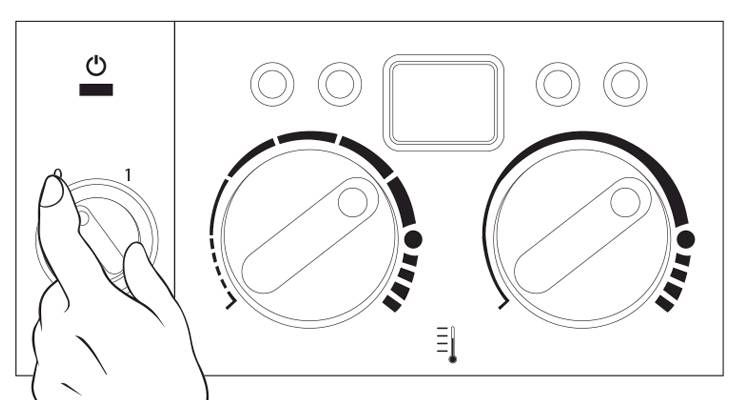
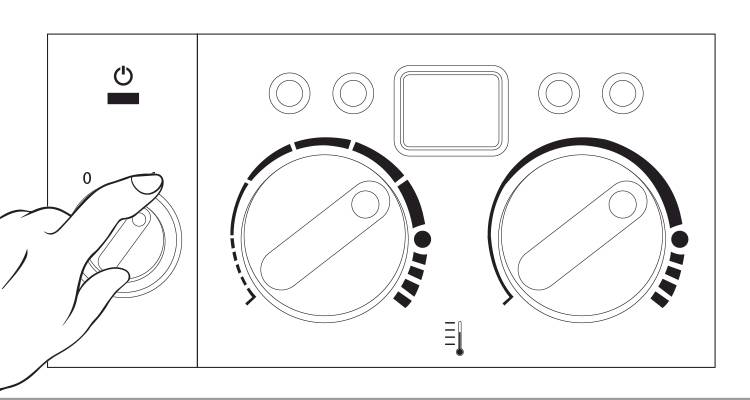
Begin by turning off your central heating, and allow your radiators to cool.
Next, place an old cloth underneath the valve to catch any water that may drip out during the bleeding process.
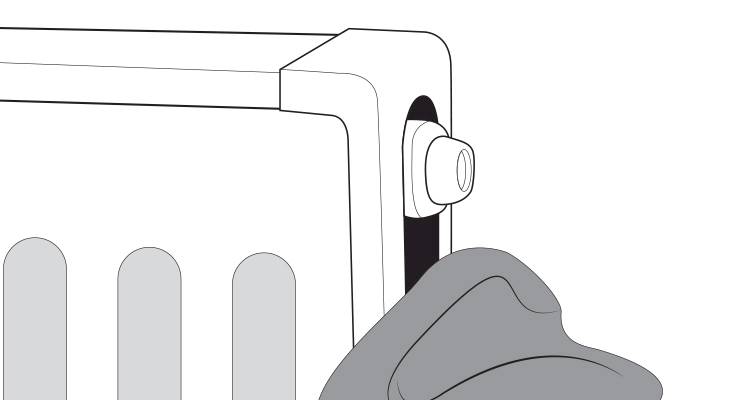
Use the radiator key and turn it anti-clockwise about a quarter of a turn until the air stops, and the water runs smoothly out of the valve.
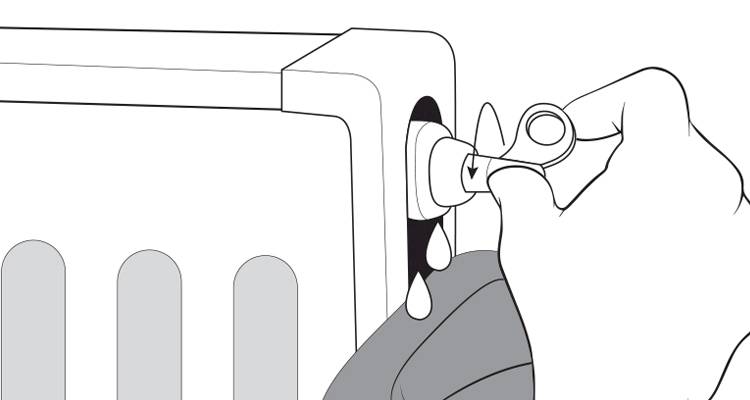
Then, turn the valve off again by turning it clockwise.
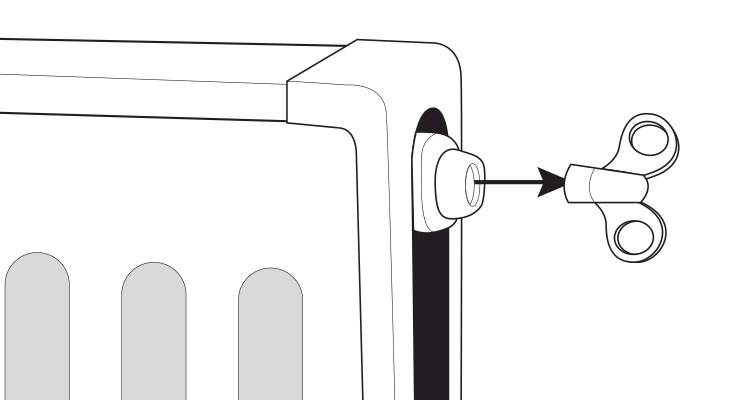
You can then turn your heating system back on, and the problem should be solved.
My radiator bleed valve is stuck. What can I try?
Once you've bled your radiators, check your boiler's pressure gauge if you have a sealed system. It's normal for the pressure to drop slightly, so top it up using the filling loop if it falls below the pressure suggested in the boiler's manual. If you have a combi boiler, it's usually a sealed system, but if you have a tank in the attic, it's usually an open-vented system that will top up by itself.
Turn your heating back on and check each radiator again. It should now feel evenly warm from top to bottom, with no gurgling.
The water that comes out during bleeding is sometimes dark or murky, which can be a sign of sludge building up inside the system.
Why is the water black when I bleed my radiators?
If your radiators are still cold in places or need bleeding often, it could be worth having your system checked by a heating engineer.
Most radiators are fairly similar to bleed, but the valve itself can vary.
If you can't find a bleed valve on your radiator, it's worth asking a heating engineer to take a look.
Yes, you can bleed some radiators without a key. For example, if your bleed plug has a small slit in the middle, you can open it with a flathead screwdriver.
No, you should turn your heating off before you bleed a radiator, and wait for it to cool down first. If you open the valve while the system is hot, the water and air inside could scald you.
Bleed the radiator furthest from your boiler first, then work your way through the rest of the house. If you have two or more floors in your home, start with the downstairs radiators and work your way up. Air travels to the highest and furthest points in a heating system, so the radiators upstairs typically contain the most trapped air.
When air gets trapped in radiators, it causes cold spots, and the radiators don't heat up as they should. Bleeding them (removing the trapped air) fixes this issue, allowing the hot water to circulate as normal.
You should bleed your radiators at the start of the heating season. This allows you to check your system is fully functional without any trapped air before you come to use it. It's also worth checking them again partway through winter, as air can build up over time. Most homes only need this done once or twice a year.
This varies depending on the size of your radiator and the amount of air trapped inside. You should stop when water runs steadily from the radiator instead of hissing air.
If you've recently bled your radiator, you may notice a small loss of pressure. You can easily top this back up to the recommended pressure by using the filling loop, if you have a sealed system.
If your radiator is still cold after bleeding, sludge or debris could be blocking the system. Check your boiler pressure if your boiler has a pressure gauge and top it up if it's low. If the radiator is still cold at the bottom, you may need a power flush from a heating engineer. If it's an old radiator that keeps having issues, you may want to look into the cost of replacing it instead.
Bleeding removes trapped air from a single radiator. Flushing clears sludge and debris from the whole heating system, typically with a power flush. Balancing adjusts the flow of water between radiators so they all heat up at a similar rate. If your radiators need frequent bleeding or heat unevenly even after bleeding, a power flush might be worth looking into.
Without bleeding your radiators, you run the risk of having higher heating bills, lower efficiency, and cold rooms.
No, you only need to bleed the radiators that feel cold at the top or are making noises. It's worth checking each one while you're at it, though, as trapped air can build up in more than one radiator at a time.

Copyright 2026 MyJobQuote.co.uk. All rights reserved
Privacy Policy | Terms and Conditions | Sitemap
MyJobQuote.co.uk is rated 4.67 stars by reviews.co.uk based on 4135 reviews