Builders
 Carpenters
 Electricians
 Flooring Specialists
 Gardeners
 Handymen
 Heating Engineers
 Painters & Decorators
 Plasterers & Renderers
 Plumbers
 Roofers
 Tilers
 my
myInsurance Requirements for Tree Surgery Businesses
Tree surgery is a high-risk trade that involves working at height, using chainsaws, handling specialist equipment, and operating in unpredictable outdoor conditions. Whether you're pruning trees, removing dangerous branches or carrying out full tree felling, every job carries a risk of injury, property damage or equipment loss.
This is why tree surgery insurance is so important. The right cover can help protect your business if something goes wrong, such as accidental damage to a customer's property, an injury to a third party, stolen tools, or an accident involving employees.
Without suitable insurance, even a small incident could lead to expensive claims, legal costs, and disruption to your business. Many customers, commercial clients, and local authorities may also ask to see proof of insurance before hiring a tree surgeon.
For tree surgery businesses, insurance isn't just about protection. It can also help build trust, show that you take safety seriously, and make your business look more professional when quoting for work.
Table of Contents
- Why Insurance Is Important for Tree Surgeons
- Is Insurance Legally Required for Tree Surgery Businesses?
- Public Liability Insurance
- Employers' Liability Insurance
- Professional Indemnity Insurance
- Equipment and Tool Insurance
- Vehicle Insurance for Tree Surgeons
- How Much Does Tree Surgery Insurance Cost?
- Factors That Affect Insurance Prices
- Tips for Choosing Tree Surgery Insurance
- FAQs
Why Insurance Is Important for Tree Surgeons
Tree surgeons have to deal with a level of risk that most other tradespeople don't have to deal with, not on a day-to-day basis at least. It's one of the many reasons tree surgery is rarely handled by DIY-loving homeowners.
You're not just working with tools and machinery. You're working with heights, heavy weights, and unpredictable materials. Even with a lot of training and experience, things can go wrong, and they can go wrong quickly.
Some of the most common risks tree surgeons face include:
- Falling branches damaging property.
- Injuries caused by chainsaws or cutting equipment.
- Damage to fences, roofs, driveways, or landscaped areas.
- Injuries to workers or members of the public.
This is why tree surgery insurance is so important. If something does go wrong while you're cutting, removing or replacing trees, the right cover is there to deal with the financial side of it. Instead of paying out of pocket for repairs, legal costs, or compensation, your insurance policy helps to cover those expenses.
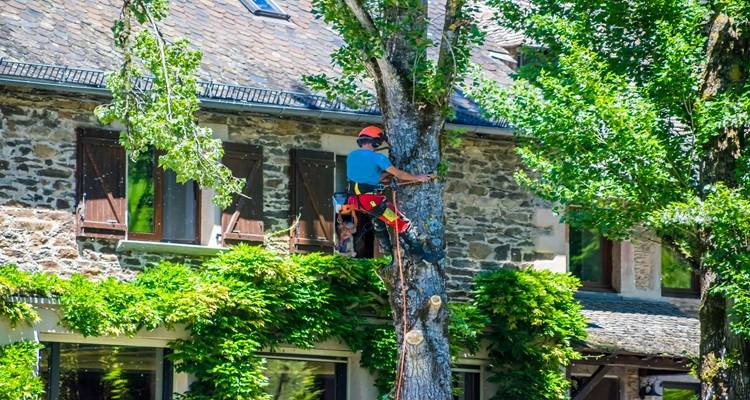
Without insurance, even a relatively small accident can cost a lot, with larger claims costing more than many businesses can afford. With insurance, you've got a safety net that stops one bad moment from turning into a major financial problem.
Is Insurance Legally Required for Tree Surgery Businesses?
As a tree surgeon, you don't legally need to have all types of insurance. Some are a mandatory requirement, and others are essential if you want to showcase your business as being reliable and professional.
By law, you need to have employers' liability insurance in place from the moment you take on your first employee, whether they're full-time, part-time, a casual worker, or an apprentice. This cover must provide at least £5 million of protection.
There are two exceptions to this rule:
- Your business is exempt if everyone you employ is a close family member, such as a spouse, civil partner, parent, grandparent, step-parent, child, grandchild, step-child, sibling, or half-sibling — unless your business is a limited company.
- A limited company is exempt if its only employee owns 50% or more of its shares.
Public liability insurance works slightly differently, as it's not a legal requirement. However, it's hard to run a successful tree surgery business without it. It protects you if your work causes injury to a third party or damage to their property.
Even though it's not required by law, many clients will expect you to have public liability insurance before they'll hire you, especially for local authority work and commercial contracts.
You might be asked to provide proof of insurance before any work begins. So, even if it's not a legal requirement, it's a good idea to have adequate insurance in place.
Public Liability Insurance
When you run a tree surgery business, public liability insurance should be a priority. Though it's not a legal requirement, it's what protects you if your work causes injury to a member of the public or damage to someone else's property, which is always a risk.
- A falling branch could damage a client's roof, vehicle, or greenhouse.
- The equipment could accidentally hit a fence.
- Tools or debris could cause injury to someone passing by.
- Accidents could happen, particularly those involving rigging equipment or dropped branches.
Even if you're a careful and experienced tree surgeon, accidents can and do happen, and the cost to repair or replace damaged property can quickly escalate.
Choosing the Right Level of Public Liability Insurance
Most tree surgeons choose their level of public liability cover based on the type of work they take on and the level of risk involved. Options range from £1 million to £10 million, and the right cover for you will depend on whether you take on small and low-risk jobs, or commercial contracts and local authority work.
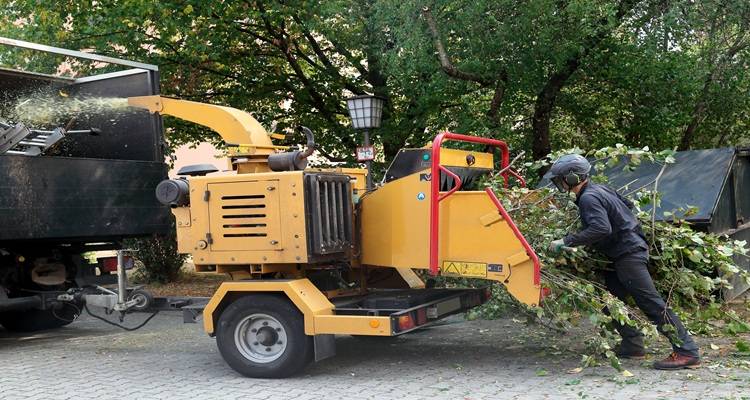
The price of public liability insurance isn't fixed, and how much you pay will depend on:
- The size of your business.
- Whether you work alone or employ staff.
- The type of work you carry out.
- Your claims history.
- The level of cover you choose.
It might be tempting to choose a budget-friendly option, but you need to make sure you're covered for any eventuality.
Employers' Liability Insurance
If you employ staff, employers' liability insurance is the only tree surgery and landscaping insurance you need by law, aside from motor insurance, which is required if you drive on public roads for work. This applies to full-time workers, part-time staff, apprentices, and casual workers, though close family-only businesses and limited companies with a single owner-employee holding 50% or more of the shares are exempt, as explained above.
Employers' liability insurance is designed to protect your business if an employee is injured or becomes ill as a direct result of the work they do for you. Tree surgery is a trade with a lot of risks (climbing, cutting, lifting, and operating machinery are common), and the risk of accidents is higher than in many other industries.
Employers' liability insurance covers:
- Injuries caused by accidents on-site.
- Long-term health issues linked to the job.
- Legal claims made by employees.
- Legal fees and compensation payouts.
If an employee is injured while working for you, they have the right to make a claim. Without insurance, you will have to pay out of pocket. It acts as a financial safety net if something goes wrong, helping you to manage claims without putting your entire business at risk.
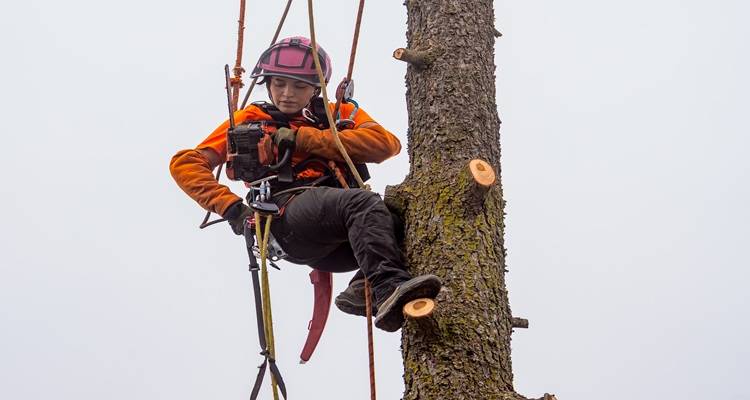
Employers' liability insurance must provide at least £5 million of cover, and you need to have your certificate available if you're asked to show it. You could face significant fines if you don't have employers' liability insurance.
Professional Indemnity Insurance
Professional indemnity insurance is designed to cover you if a client claims that your advice, recommendations, or professional judgement has led to a financial loss or damage. Not every tree surgeon needs professional indemnity insurance, but it's a good idea if your work goes beyond physical tasks and moves into guidance, consulting, or written reports.
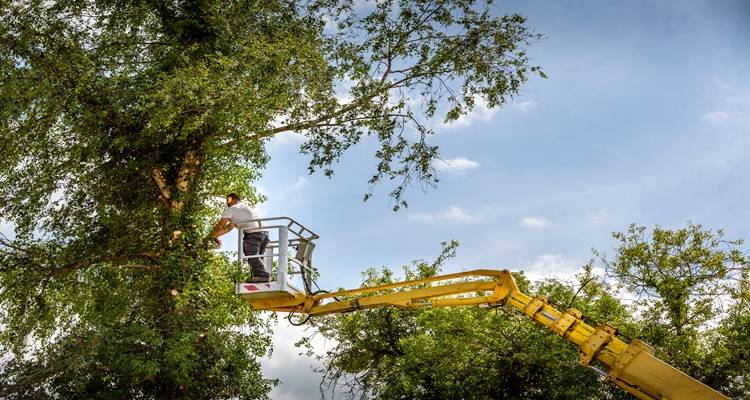
Professional indemnity insurance covers:
- Claims stemming from advice given about tree safety or maintenance.
- Errors in tree surveys, inspections, or reports.
- Incorrect professional recommendations.
In many cases, disputes over advice don't just involve the cost of the work itself. They can include other costs such as property damage, project delays, or the cost to fix or replace work based on incorrect recommendations.
Equipment and Tool Insurance
Tree surgery equipment insurance is a no-brainer for most tree surgeons, as it's impossible to do your job without it. From chainsaws and climbing equipment to wood chippers and stump grinders, tree surgery equipment is a significant investment.
Unfortunately, it's often exposed to damage, heavy wear, and theft, and the cost of replacing equipment isn't cheap.
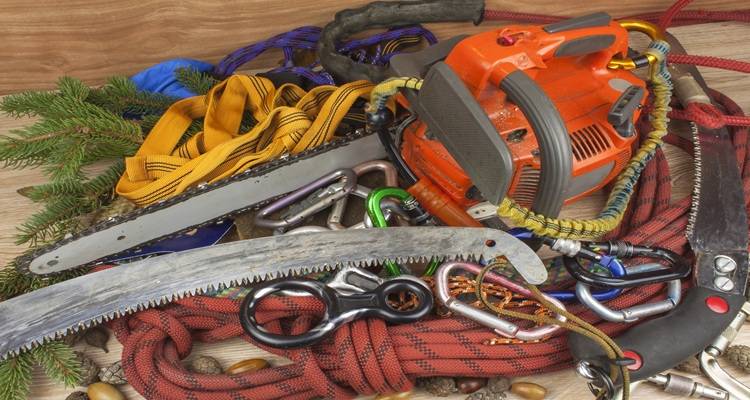
If a key piece of equipment is stolen or damaged, it can bring work to a grinding halt. That means lost income, on top of the cost to replace or fix the item. Tree surgery equipment insurance helps to bridge that gap.
So, instead of covering the full cost yourself, your policy can help you to repair or replace items quickly, so you can get back to work without long delays.
Vehicle Insurance for Tree Surgeons
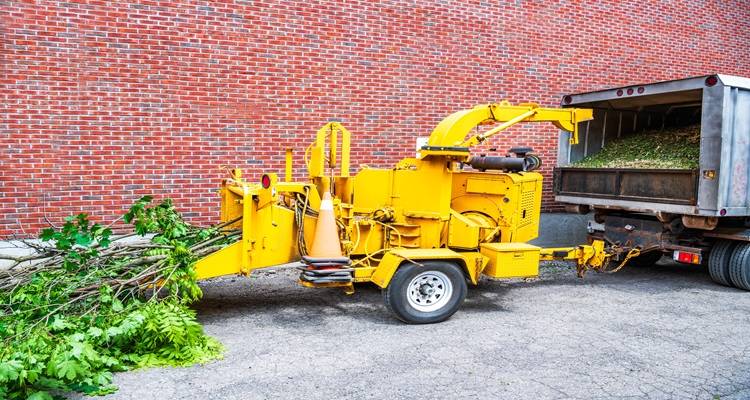
Most tree surgery businesses rely heavily on their vehicles. Whether it's getting to the site, transporting equipment, or removing waste, you probably need vehicles to operate. For many tree surgeons, this includes vans, tipper trucks, and trailers.
Considering how important these are to the day-to-day running of things, having the right insurance in place is key.
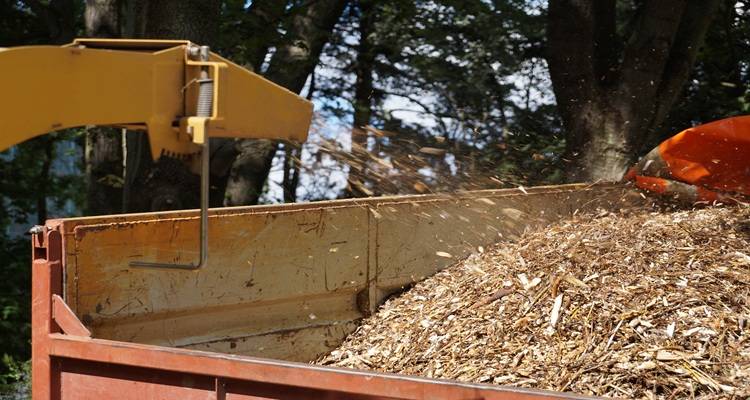
If you're using a vehicle for work, standard vehicle insurance won't be enough. You'll need commercial vehicle insurance that reflects how the vehicle is actually used. Tree surgery vehicles often carry valuable equipment and heavy loads, which can increase both the risk and the potential cost of a claim, and additional cover might be needed.
Without the correct policy, you risk your insurance not being valid, and therefore not being covered if you have an accident.
How Much Does Tree Surgery Insurance Cost?
The average cost of tree surgery insurance varies depending on business size, the level of cover you need, your experience as a tradesperson, and the type of work carried out. But, as a rough guide, you should expect to pay around £650 per year.
For a small tree surgery business, the average cost of tree surgery insurance starts at around £42 per month. This increases depending on the level of cover and the type of insurance needed. For example, for around £500 per year, you will get £1 million of public liability cover.
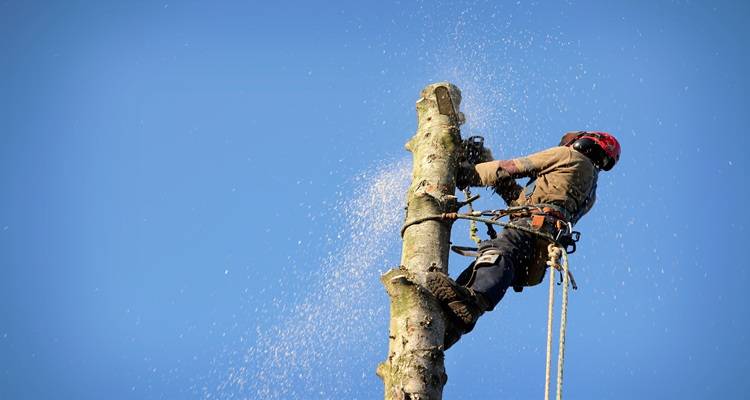
To get an accurate idea of how much insurance costs, compare quotes from multiple providers. Prices can vary significantly, even for similar levels of cover, and shopping around helps you to find a policy that fits your budget, without overpaying.
Factors That Affect Insurance Prices
There isn't a fixed price for tree surgery insurance (some policies are low-cost, and others cover a lot more), and it all comes down to how you work, the level of risk involved, and the size of your business. There are a handful of factors that impact the average cost, such as:
- Type of Work — Not all tree surgery jobs have the same level of risk. Light pruning or hedge work is less likely to go wrong compared to larger and more complex projects.
- Business Size — The more work you take on, the higher your exposure to risk. This means the cost of tree surgery insurance tends to increase as your turnover increases. Plus, more staff means more potential for accidents or claims.
- Experience — Your experience as a tree surgeon also comes into play. If you're more experienced, you're less likely to have accidents and make mistakes.
- Claims History — If you've made insurance claims in the past, providers may see you as a higher risk, and this can increase the overall price of your policy.
- Level of Cover — As you might expect, higher limits will usually cost more than basic cover. Though a high level of coverage is more expensive, it can pay off in the long run if you're faced with a costly claim.
Tree surgery is considered a high-risk trade, but some jobs come with even more risk than others, which will usually result in a higher premium. It's easy to focus on getting a cheap quote, especially when you're trying to keep within budget. But it's important to find the right balance between cost and cover.
Tips for Choosing Tree Surgery Insurance
With so many tree surgeon insurance policies out there, it's a good idea to take some time to find the right policy for you, rather than jumping straight in and choosing the cheapest quote.
- Compare Multiple Insurers — The average cost of tree surgery insurance can vary a lot between providers, even for the same level of cover. Comparing a few options will give you a better idea of the average cost, helping you spot anything that looks too cheap or unnecessarily expensive.
- Make Sure Your Work Is Covered — Not all policies are the same, and some cheaper ones come with limitations. Always check that your insurance covers chainsaw use and tree removal.
- Choose the Right Level of Cover — It can be tempting to go for the lowest level of cover to keep your costs down. But if something goes wrong, you might not be covered for the full cost of a claim, leaving you having to foot the bill.
- Check Exclusions Carefully — Always read the small print and check the exclusions carefully. Some policies won't cover certain types of work, such as working above a certain height. Knowing exactly what's included helps you to avoid any surprises when the time comes to make a claim.
- Keep Training and Certifications Up to Date — Insurers take qualifications and training seriously. Keeping on top of your chainsaw training, climbing certifications, and safety training reduces risk and supports your case if you ever need to make a claim.
- Look Beyond the Cheapest Quote — It's natural to look for a cheap deal, especially when you're managing costs, but the lowest price doesn't always mean the best value. A policy that doesn't properly cover the work you do could end up costing more in the long run.
FAQs
What Insurance Do Tree Surgeons Need in the UK?
Most tree surgeons will need a combination of public liability insurance, employers' liability insurance, vehicle insurance, and tree surgery equipment insurance. You may also benefit from professional indemnity cover if you provide advice, inspections or reports.
How Much Does Tree Surgeon Insurance Cost?
The cost of insurance varies depending on your business, with the type of work, number of employees, and level of cover all playing a part. If you're taking on larger or riskier jobs, expect to pay more.
Is Public Liability Insurance Required for Tree Surgeons?
Public liability insurance isn't a legal requirement in the UK, but it's recommended, as many clients won't hire a tree surgeon without it.
Do Self-Employed Tree Surgeons Need Insurance?
Even if you're a self-employed tree surgeon, insurance is still important. Though you might not need employers' liability cover, you're still responsible for any damage or injury caused by your work.
What Happens if a Tree Surgeon Works Without Insurance?
Working without insurance puts your business at serious financial risk. If something goes wrong, you could be personally responsible for replacing damaged property, compensation, and legal fees.