Builders
 Carpenters
 Electricians
 Flooring Specialists
 Gardeners
 Handymen
 Heating Engineers
 Painters & Decorators
 Plasterers & Renderers
 Plumbers
 Roofers
 Tilers
 my
myHow To Start a Cleaning Business
Starting a cleaning business in the UK can be very rewarding and highly lucrative. There is still a great deal of demand for quality cleaning services in domestic, private, and public sector settings. If you have been wondering what you need to do if you want to start a UK cleaning business, read on to find out everything you need to know right here.
We hope this guide will help you come to an informed decision on whether starting and running a UK cleaning business is right for you. Find out more about how to start your own cleaning business today.
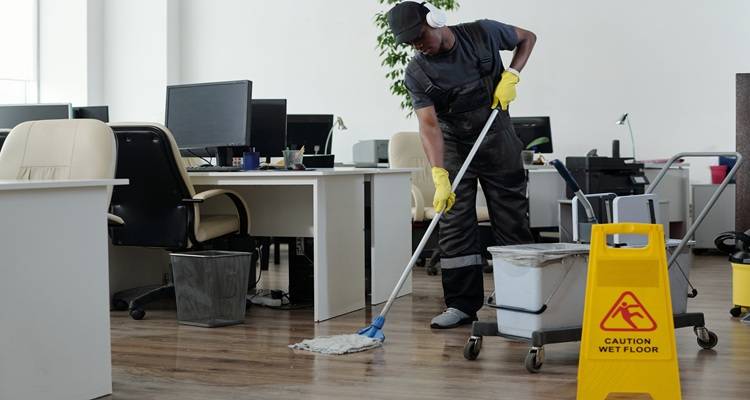
Table of Contents
Define the Type of Cleaning Business You Want to Run
There are lots of different cleaning businesses on the market that specialise in various forms of cleaning. What’s right for one professional cleaner isn’t always right for another. Some cleaning jobs are more intense than others.
For instance, biohazard cleaning can be a little more challenging than general day-to-day office cleaning. Here are some of the services you could think about offering if you do want to break into the cleaning industry and start making money from your services.
Domestic Cleaning
Domestic cleaners help people keep their homes clean and tidy. As a domestic cleaner, you could find yourself cleaning someone’s home a couple of times a week or every few months. Some clients only require one-off cleans.
Domestic cleaning is highly appealing to some as it doesn’t require large startup costs, and it can be easy to build up a client network. Many people don’t have the time, energy or resources to clean their homes to a professional standard, which is why so many people ask for help from outside.
Another advantage of becoming a domestic cleaner is that it can be very flexible, and you can clean at times that suit you and your clients. There are some cons you need to think about, too, such as the lower rates compared to commercial cleaning and inconsistent workloads.
You’ll have to maintain the highest standard, as one or two bad reviews can affect your reputation massively and cause you to lose work.
Commercial Cleaning
Commercial cleaners spend their time cleaning places like shops and offices. A lot of their work involves floor care, window cleaning, dusting and rubbish removal. Some commercial clients need help on a daily basis, whilst others need assistance weekly or monthly. If you’re able to maintain high standards as a commercial cleaner, you could generate a lucrative long-term revenue stream.
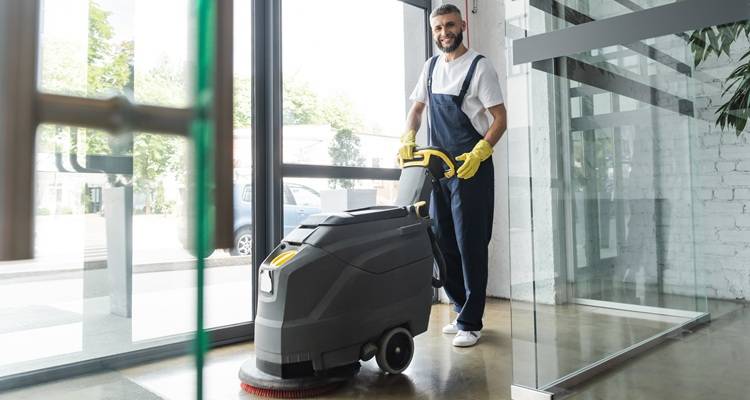
Some of the advantages of being a UK commercial cleaner include the potential to charge more and grow your network, working for clients that pay particularly well and the chance to gain consistent work.
If you are to be successful as a commercial cleaner, you’ll need to work hard to win the attention of potential clients, as things can be very competitive. Marketing your services to commercial clients can be expensive, and you may need to work at times some people see as unsociable, like early mornings, late nights and weekends.
Specialist Cleaning Services
A great way to boost your income as a commercial cleaner is to offer specialised cleaning services that they can’t easily get elsewhere. Examples of specialist cleaning services include high-pressure washing, post-construction cleaning, industrial cleaning and biohazard cleaning. These types of cleaning can be very lucrative.
They often need specific training, qualifications, certifications and equipment. You could earn even more if you’re able to offer a range of specialist cleaning services. The downsides of working as a specialist cleaner can include inconsistent demand for these niche services, and you may need to cover higher startup costs because of the expense of the equipment.
Business Plan
It’s really important to put together a strong and convincing business plan if you are thinking about a career in cleaning. In this plan, you’ll show that you’ve thought about your goals and target market as well as the ways you’ll reach them. A great business plan can be worth its weight in gold when it comes to getting funding, including loans.
Startup Costs
Starting a cleaning business can seem like an affordable option compared to other kinds of businesses, but it doesn’t come without expense. The scale of your business can be very influential on the final cost.
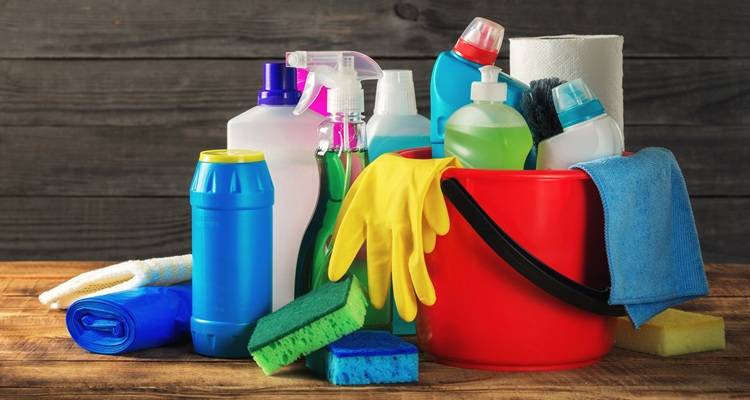
Getting all the basic equipment you need for a residential cleaning business can cost around £400 or more, though you’ll need to add thousands to this if you need to buy a new van. You’ll also need to think about the costs of marketing your business and running a website, if applicable. Insurance costs also need to be taken into account.
When it comes to pricing your services, try to find out what the competition is doing. You may need to charge slightly less as you are building up your business and reputation. You should also carry out some market research so you can identify the right customer base for you.
Legal and Administrative Setup
If you’ve been wondering how to start a cleaning business and set it up legally, you’ll need to think about how you want to set it up. It can make sense to start as a sole trader as this is the simplest option. To do this, you’ll have to register with HMRC so you can declare yourself as self-employed and start reporting your income so they can work out your tax obligations.
Many people start as sole traders and then become limited companies later, but you may be able to start as a limited company from the outset if you wish. Limited companies do have more paperwork to complete, and you may need to pay more for accountancy services.
However, limited company status can make you appear more professional and therefore help you attract better, more lucrative clients. It also comes with limited liability protection, which means your personal assets are protected if your business runs up debts it can’t repay.
No matter how you structure your business, it’s important to get certain kinds of insurance as a professional cleaner. Public liability insurance is essential as it means you’re protected if something is damaged or someone is injured as a result of your services. If you want to hire staff, you’ll need employer’s liability insurance too.
Some of the other kinds of insurance you might want to consider include tool insurance and personal accident insurance. Tool insurance could be essential if you’ve spent a great deal of money on cleaning equipment.
Equipment and Supplies
Getting the equipment you need to start a UK cleaning business can be less expensive than you think. However, the type of cleaning you’re doing will affect the amount you need to invest. Here are some of the basics you’ll need for domestic cleaning:
- Vacuum cleaners
- Mops
- Buckets
- Dusters
- Cloths
Specialist jobs and commercial work can also require items like carpet cleaners, steam cleaners, PPE and particularly powerful cleaning products.

One of the ways that people spread their budget when they’re starting out in cleaning is to buy in bulk from cash-and-carry warehouses. You may also be able to save big if you shop online. It’s a good idea to stick to the essentials if you’re on a tight budget and grow your supply of cleaning solutions once you’ve started to turn a profit.
Marketing Your Business
If you want people to find out about your business so they can get in touch and enquire about your services, you’ll need to invest time and money in marketing it. Some of the key essentials that you’ll need include a memorable name, a basic logo and business cards or flyers which you can distribute in your local area. You would work with a marketing company or create some of these yourself if you have the necessary digital skills.
You’ll also need to make sure you can be found online, so set up a Google Business Profile so you can be featured in local search results. It’s also a great idea to set up business pages on Facebook or Instagram where you can connect with customers and show off images of your work.
A website isn’t essential, but even a basic one-page one can help you attract customers near you and let them know about your business.
Once you have won over some satisfied customers, ask them to leave reviews and refer them to others who might be interested in your services. The word-of-mouth process can be very powerful when it comes to promoting a cleaning business.
Managing Operations and Finance
You need to start keeping track of the money entering and exiting your cleaning business from day one. A simple spreadsheet can be helpful, but there are plenty of quality accounting software solutions around that you shouldn't struggle to get to grips with.
Always invoice as soon as the work is done, and keep a portion of your earnings aside so you can cover your tax bill. When your business starts to grow, the financial side of running your business could become more complex, and you may wish to get in touch with a professional accountant who can help you save time and money while keeping you compliant with HMRC regulations.
Scaling and Hiring
If you find yourself in a position where there’s lots of demand for your services and you’re struggling to meet it, you might want to start looking for help in the form of employees and subcontractors. However, there are legal considerations to think about if you want to take staff on, and you’ll need to draw up contracts and carry out right-to-work checks.
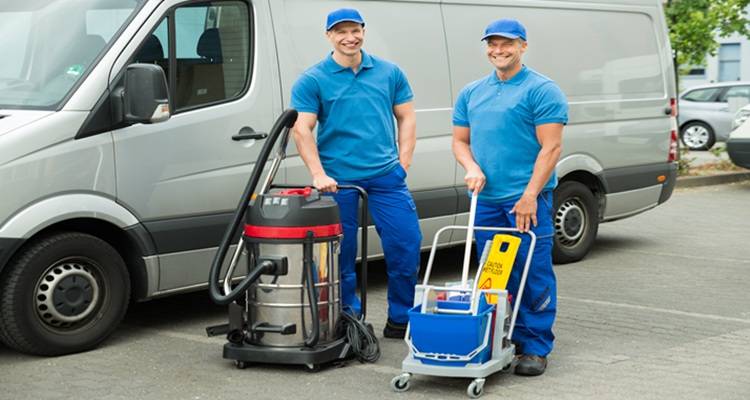
You’ll also need to ensure any new team members are complying with your high standards. Ways to do this include creating checklists so no task is missed and providing them with manuals, so they know all about your company culture and expectations.
You can also make your business more lucrative by offering extra services once you have enough staff to complete the ones you’re providing initially.
Although you might not get exceptional results overnight, your cleaning business can become very successful once you’ve impressed a substantial number of clients and raised awareness about your brand. Just make sure that you’re complying with all your legal obligations to avoid running into problems and facing tough penalties in the future.
Frequently Asked Questions
How Much Does It Cost to Start a Cleaning Business in the UK?
Some people have been able to start UK residential cleaning businesses for just a few hundred pounds, but you can expect the cost to run into the thousands if you want to offer your services to big-name commercial clients.
Do I Need Qualifications to Start a Cleaning Business?
Courses in health and safety, plus COSHH (Control of Substances Hazardous to Health), can put customers’ minds at rest whilst helping you to carry out your duties safely.
Do I need insurance to run a cleaning business?
Public liability insurance ensures you’re protected if you accidentally damage something or injure someone whilst you’re working, and you’ll need employer’s liability insurance too if you want to take on any staff. It’s also a good idea to get personal accident insurance and tool insurance to give you extra peace of mind.
Can I Manage My Cleaning Business from Home?
What Services Should I Offer When Starting Out as a Cleaner?
Think about offering services like domestic cleaning, end-of-tenancy cleans and small office cleaning. These services don’t require lots of expensive equipment, are easy to manage and can help you create a network of satisfied clients very quickly.
You can diversify the portfolio of services that you offer over time. If you want to limit your cleaning business start-up costs, it’s better to start off small.