Builders
 Carpenters
 Electricians
 Flooring Specialists
 Gardeners
 Handymen
 Heating Engineers
 Painters & Decorators
 Plasterers & Renderers
 Plumbers
 Roofers
 Tilers
 my
Ask a Trade
Got a question that only a tradesperson can answer? We have thousands of trades ready to answer any question you may have.
Ask your question
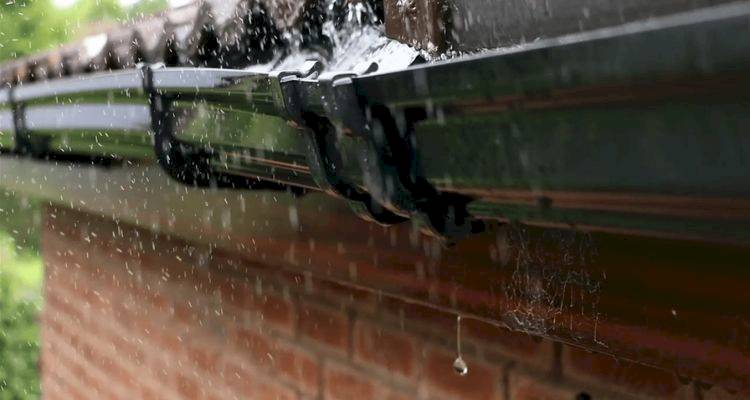
Are you looking for a guide on how to repair leaking gutters? This article explains how to successfully repair leaking gutters. We will highlight all of the tools, materials, and safety equipment needed to complete this type of job, and we will provide a step-by-step guide on how to repair leaking gutters yourself.
There are several tools that you will need to successfully repair a leaking gutter. Below is a list of the tools that you should have before attempting this job:
There are a number of recommended safety precautions that you should take when repairing guttering. Below is a list of the safety recommendations that you should use for this type of job:
Below you will find a list of all of the materials that you will need to repair leaking gutters:
Check the weather before committing to do the job as climbing a ladder when it's wet and windy can be dangerous.
Check the area for any overhead power lines before putting up your ladder and securing it following the advice above.
You should also hook a bucket close to the top of the ladder, so you can place any loose debris into it while keeping your hands free and without making a mess.
Keeping on top of maintaining your guttering and rainwater pipes will help increase their lifespan. You should aim to periodically remove blockages, replace any broken brackets or clips, and check all the joints are secure. We would recommend doing this at least once a year to increase the lifespan and durability of your gutters.
If you are planning on repairing a leaking gutter yourself, follow the below guide. This step-by-step guide will take you through everything you need to do if you want to fix your leaking gutter.
Wear heavy-duty gloves and clear out any visible dirt or debris from the gutter. A great tip here is to use an old plastic bottle and cut off the bottom to use as an ideal scoop for removing the larger pieces of debris. Place all of the dirt and debris into your bucket once it has been removed from the gutter.
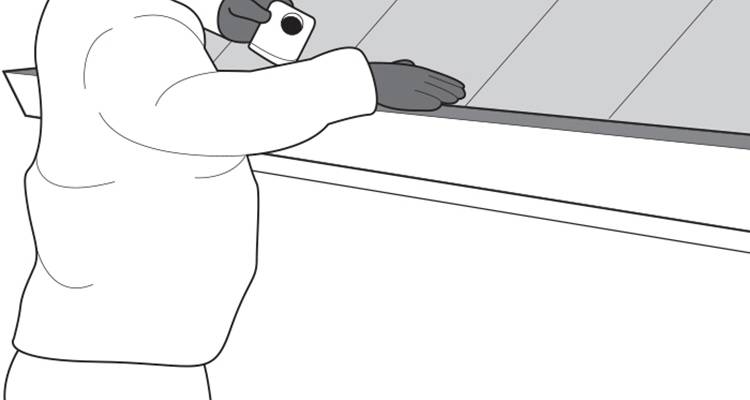
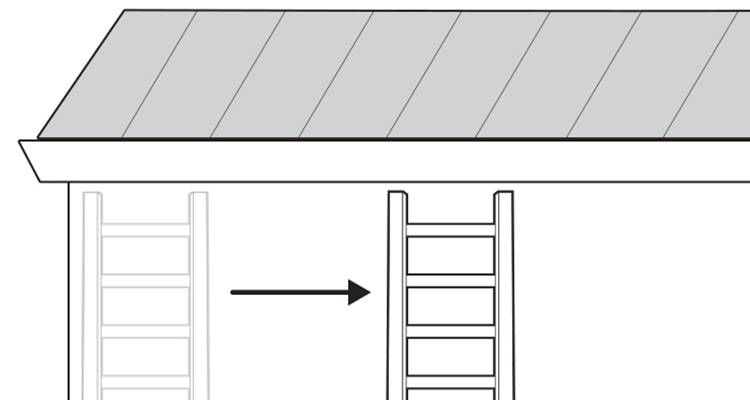
Move the ladder as you go along the gutter and continue to remove the dirt and debris across the entire length of the gutter. Avoid over-stretching as this could cause injury, or you may fall.
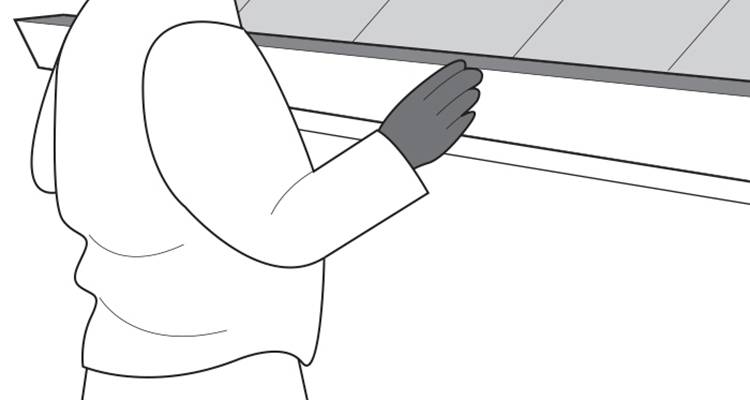
As you go along, be sure to check the state of your gutter in each area to make sure there are no cracks that need sealing and to make sure none of the brackets need to be repaired if your guttering is sagging.
When clearing out the downpipes, you will need to use a rod to push all of the leaves, dirt, and debris out.
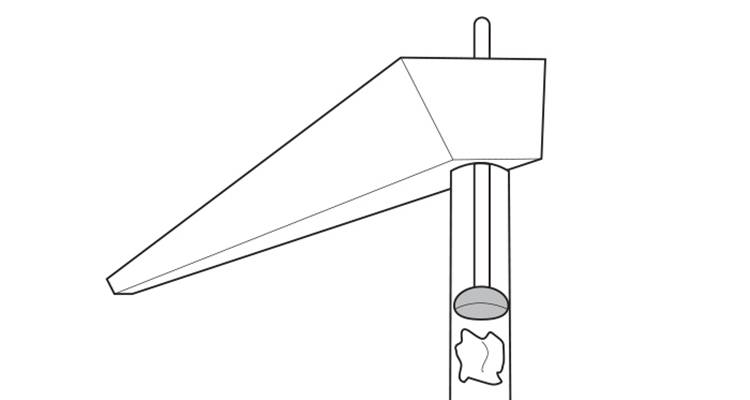
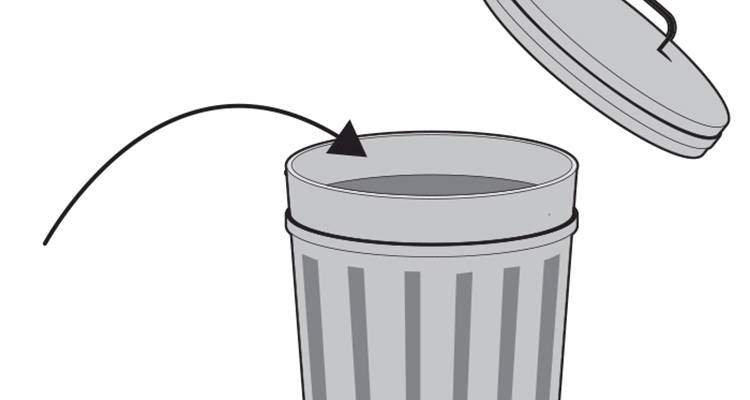
Once all of the dirt has been removed from your guttering and downpipe, be sure to place it on your compost heap or in the garden waste bin.
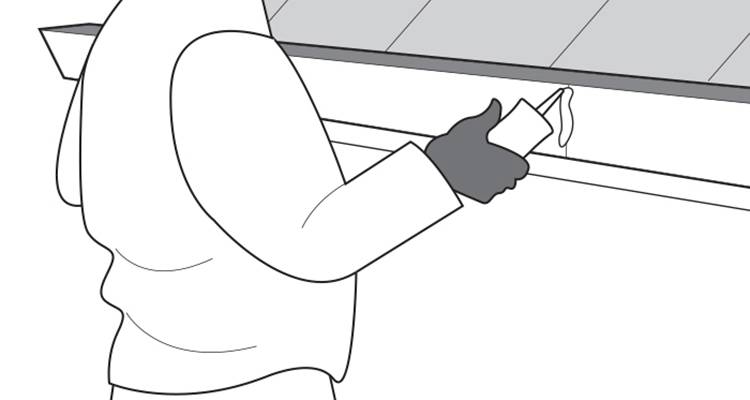
Now the gutters are clean, it's time to repair any cracks or leaking parts. You can seal cracks simply with a sealant repair kit, following the instructions on the packaging.
Broken or loose brackets will either need to be tightened or replaced on a like-for-like basis to ensure your guttering is level.
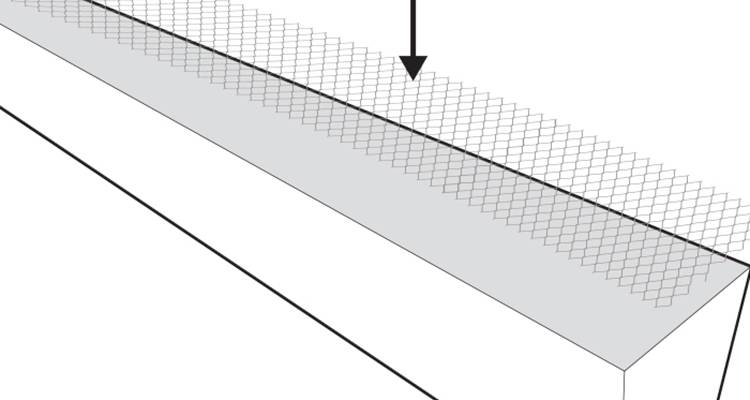
To protect your downpipe, you can install a gutter guard or mesh covering to prevent leaves and large debris from entering the pipe and getting stuck.
There are a number of things that can happen if you leave your leaking gutter without repairs. Below is a list of things that can come as a result of leaving your leaking gutter:

Whether you choose to have your gutter replaced or repaired is completely up to you. Repairing your gutters is a much more budget-friendly option although it might not always be a long-term solution. A leaking gutter that is repaired with sealant may only last for a few years before it needs to be repaired again.
Use a product labelled specifically as roof and gutter sealant on cracked or leaking gutters. This type of sealant stays flexible after application and works on most types of gutter.
Yes, leaking gutters can lead to damp issues inside your home due to rain running down external walls instead of being directed away from the property. It can then penetrate brickwork and cause moisture to transfer indoors, which may eventually result in mould, peeling paint, and damage to internal plaster.
As a general rule of thumb, providing modern plastic guttering has been installed correctly it should see a lifespan of around 20 to 30 years with regular care and maintenance. However, cast aluminium gutters usually last 40 to 60 years, and cast iron gutters can last more than 60 years.
A leaking gutter can happen for several reasons. Guttering can wear down with age, especially without proper maintenance, and harsh weather conditions may cause damage that leads to leaks and deterioration within the joints. Plastic gutters can also become brittle over time and develop cracks.






Copyright 2026 MyJobQuote.co.uk. All rights reserved
Privacy Policy | Terms and Conditions | Sitemap
MyJobQuote.co.uk is rated 4.68 stars by reviews.co.uk based on 4170 reviews