Builders
 Carpenters
 Electricians
 Flooring Specialists
 Gardeners
 Handymen
 Heating Engineers
 Painters & Decorators
 Plasterers & Renderers
 Plumbers
 Roofers
 Tilers
 my
myAsk a Trade
Got a question that only a tradesperson can answer? We have thousands of trades ready to answer any question you may have.
Ask your question
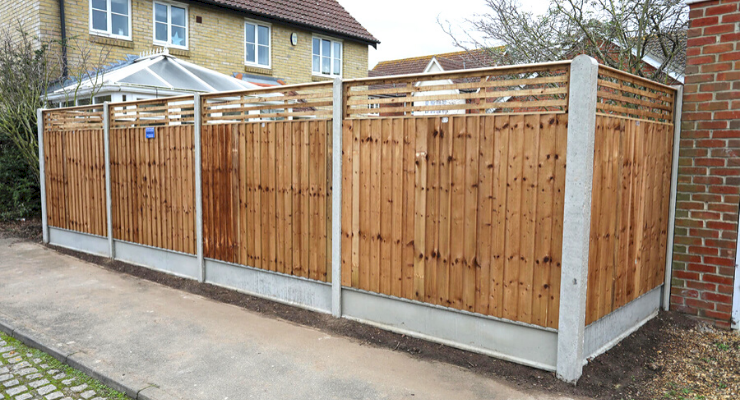
Concreting in fence posts is pretty simple when you know how. Check out our handy how-to guide to find out everything you need to know, including what tools and materials you need.
Below is a list of tools needed to successfully concrete in your fence posts.
When pouring the dry concrete mix, it's recommended that you use goggles and a face covering mask to prevent inhaling any dust particles or getting it into your eyes.
Long or tight waterproof gloves are also recommended to keep concrete off the skin as it can cause irritation, along with sturdy boots to protect your feet.
You will need the materials in the list below to concrete in a fence post:
If you're replacing garden fences then you will need to have these removed before preparing for your new fence installation.
When hiring a local fencing company, removing the old fence may well be included within the quote.
However, if you're doing the work yourself, ensure you have all of the tools and materials necessary to complete the work. You should also make sure you have the appropriate safety equipment on hand so that you can carry out the job safely.
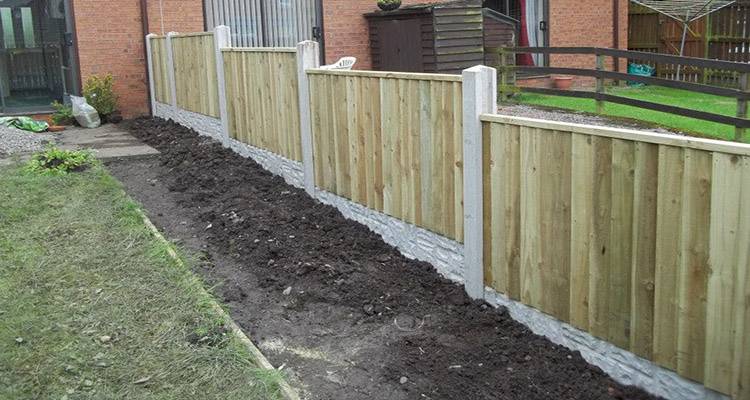
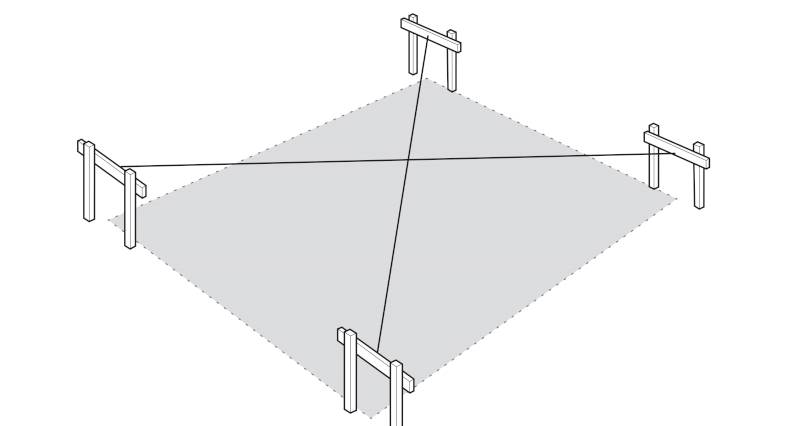
When you begin a fence post installation job, you should begin by squaring out your layout so that you know exactly what is going where and so that you can be sure the fence posts are in the correct position before digging the holes.
Below is a list of the steps that need to be taken to successfully concrete in your fence posts:
Begin by squaring up your layout using string and boards and mark out the locations where the posts will be. This allows you to see exactly where everything needs to be, and you can get a good idea of what the finished layout will look like.
Next, use a post hole digger to dig the holes for your posts. As a general rule, the depth should be around one-third of the post length, and the hole diameter should be roughly three times its width.
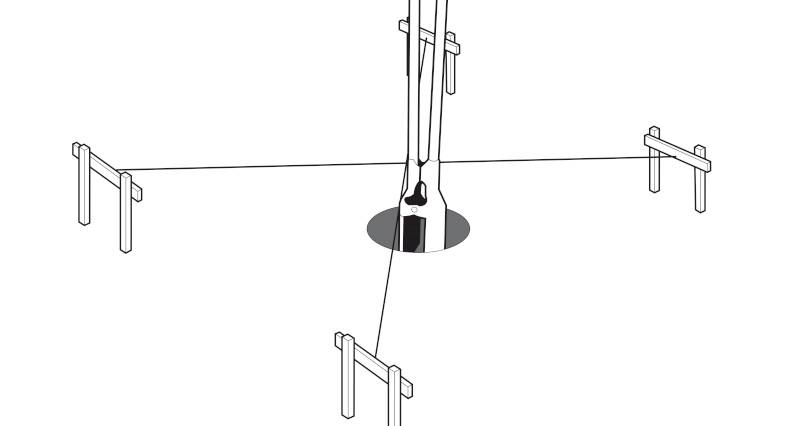
Pour around 6 inches of gravel into the hole and tap it firmly down using the post. Then reset your strings and use a post level to ensure the gravel base allows the post to stand straight.
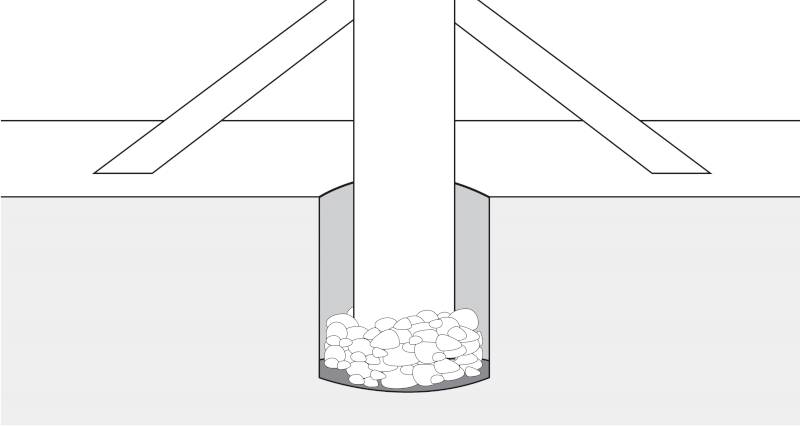
It is essential that your posts all stand fully straight. Otherwise, you will struggle when it comes to adding in your fence panels.
Once you're confident that the post is entirely straight, you can either attach brackets to the post to hold it firmly in place or use temporary wooden supports. You want to ensure that the post won't move at all as you add the concrete as you want it to stay completely straight.
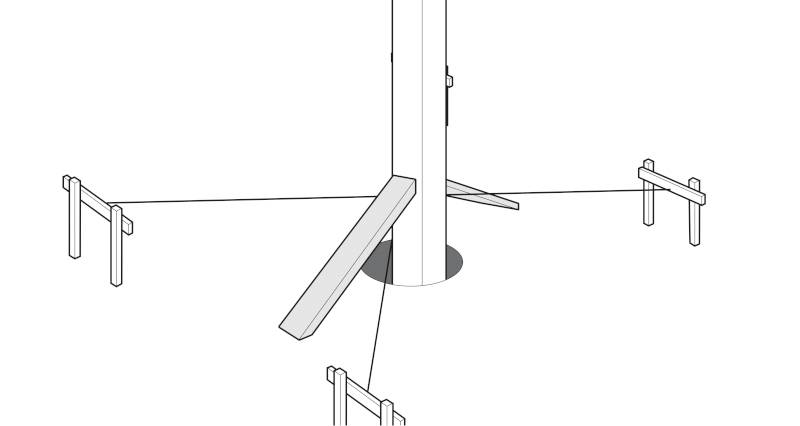
Once your post is secure, fill the hole halfway with water before adding the fast-setting dry concrete mix with a shovel evenly around the post until the water is covered. Ensure the post is level as this type of mix starts to cure in minutes and is usually set within 5 to 10 minutes.
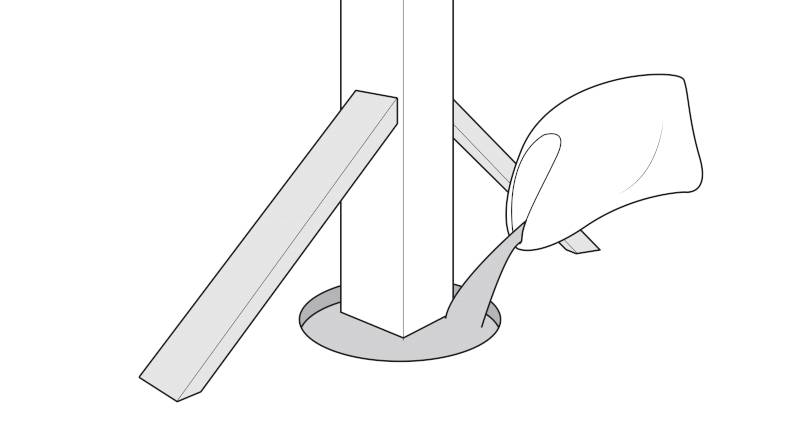
Make sure you are wearing eye protection and a face covering for this part of the job as the airborne dust and debris from the dry concrete mix can be dangerous if inhaled or if it gets into your eyes.
Check to make sure the post is still completely level, then sprinkle water over the concrete mix if there's any powder left on top. Don't stir the concrete.
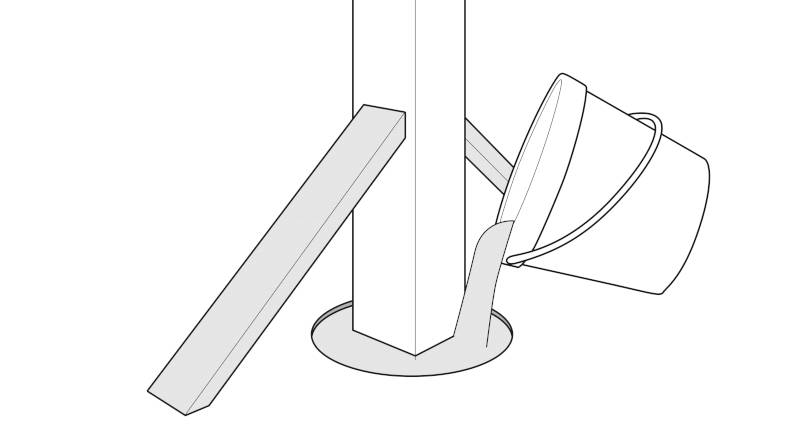
After around 5 to 10 minutes, the concrete should be completely set. At this point, if you wish you can fill in the rest of the hole with soil or grass to match the surrounding ground. Add this to the level of the rest of the ground and pat it down to ensure it is firm.
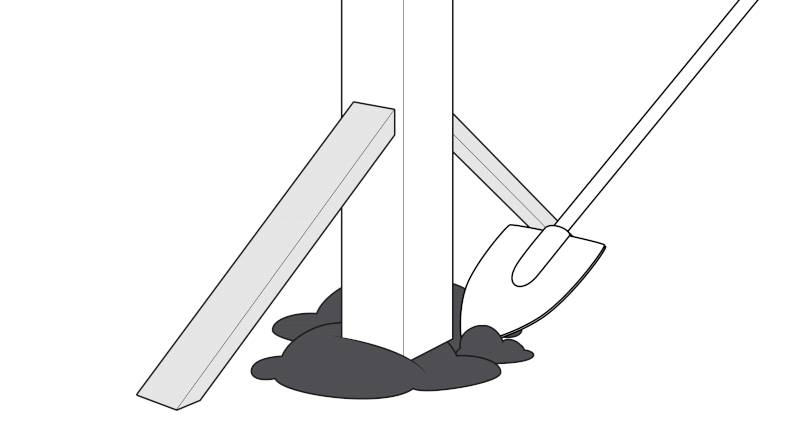
Once completed, you can remove all of the brackets and string and continue with the rest of your project.
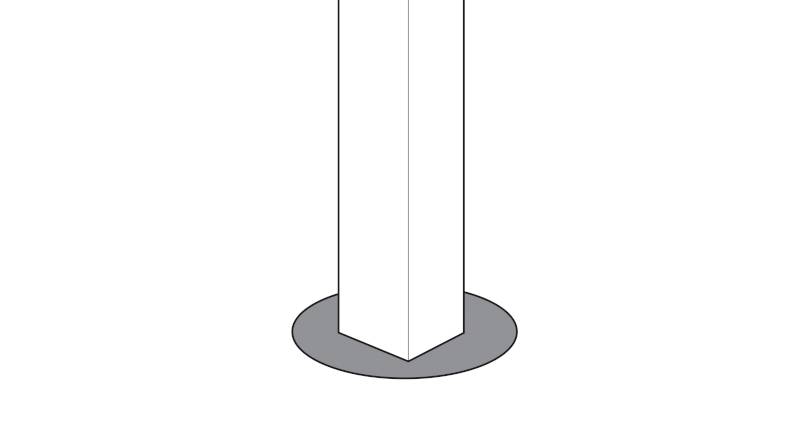

Yes, you can. Slotted concrete posts have a groove running down each side so you can slide the fence panels down into them and no brackets or fixings are required.
You can purchase fence panel grips or fence panel wedges from any DIY store to hold your fence panels in place and stop them from rattling in the wind.
In England and Wales, fences next to a road or its pavement can be up to 1 metre high, while fences elsewhere can be up to 2 metres high without needing planning permission. However, if there is an Article 4 Direction in place or you live in a listed building or the fence will be neighbouring one, planning permission will be needed. Rules vary in Scotland and Northern Ireland, so it's best to check before building the fence.
It is recommended that you treat your fence panels with an appropriate treatment or preservative to keep them at their best, as often as recommended by the product's manufacturer.
You can erect your posts with a post support system, but concreting in your fence posts keeps them firm and straight.





Copyright 2026 MyJobQuote.co.uk. All rights reserved
Privacy Policy | Terms and Conditions | Sitemap
MyJobQuote.co.uk is rated 4.67 stars by reviews.co.uk based on 4140 reviews