Builders
 Carpenters
 Electricians
 Flooring Specialists
 Gardeners
 Handymen
 Heating Engineers
 Painters & Decorators
 Plasterers & Renderers
 Plumbers
 Roofers
 Tilers
 my
myAsk a Trade
Got a question that only a tradesperson can answer? We have thousands of trades ready to answer any question you may have.
Ask your question
If you'd like to learn how to clean windows, read our easy-to-follow guide below. It includes step-by-step instructions and images, as well as a tool list of everything you'll need.
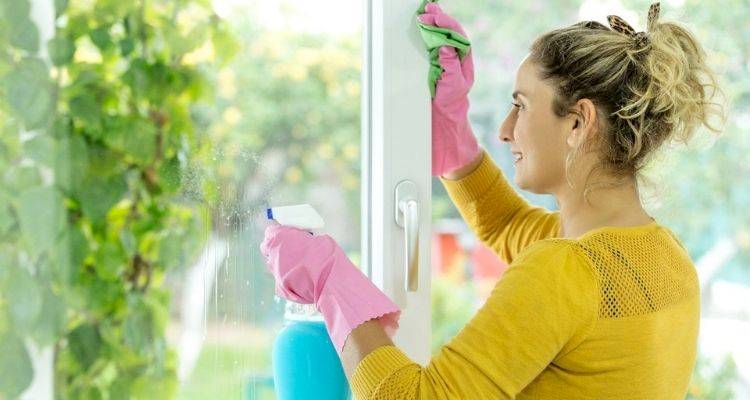
Window cleaning describes the procedure used when washing or cleaning glass windows to remove any dirt, dust, or other imperfections. Clean windows are an attractive feature on homes, which is why window cleaning is so popular.
There are many benefits to window cleaning, including improving the home's appearance, letting in more natural light, and removing pollutants that may be stuck to the glass.
Below is a list of tools you'll need for cleaning windows:
If you are using a solution with many harsh chemicals, you may want to wear rubber gloves and safety goggles to protect your skin and eyes. When using a scraper, be careful not to scratch the glass, especially if used at the wrong angle without any lubricant.
When cleaning windows at height, you will also need your ladder. This should be angled at 75 degrees, placed on firm, level ground and held securely in place ideally with a ladder stability device or by tying it to a suitable point. If this isn't possible, have someone stand on the bottom of the ladder to hold it in place.
Below is a list of the materials you'll need to clean windows:
Below is a list of things that you'll need to do to prepare for cleaning your windows:
Cleaning windows is a simple DIY job that most homeowners can easily complete on their own. Having clean windows can improve your home's appearance and can help give you a sense of pride. Below is a step-by-step guide on how to clean your windows at home:
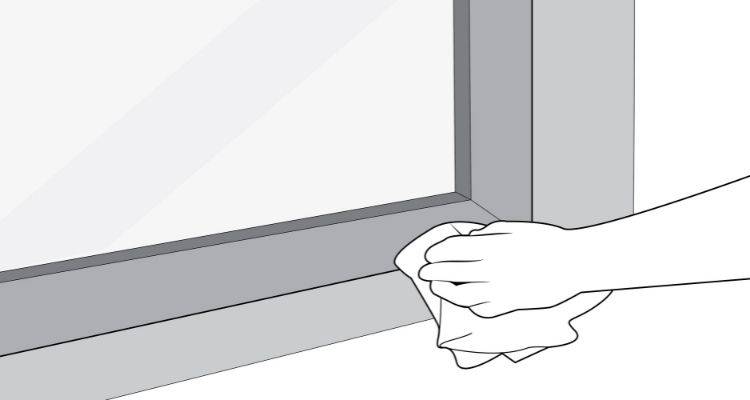
Begin by preparing your windows for cleaning using the steps above. It would be best if you tried to remove as much debris as possible from the surface of the glass and ensure that the frames and sills are free from dust, dirt, and debris.
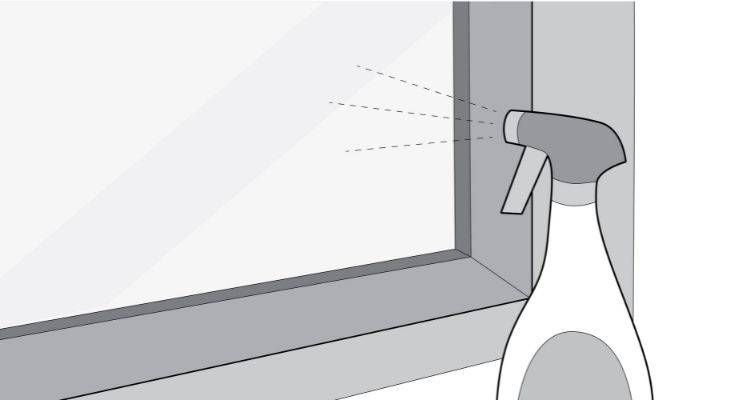
Next, use a cleaning solution and spray it across the window. Use as much or as little of the spray as you deem necessary based on the amount of dirt and grime on the window.
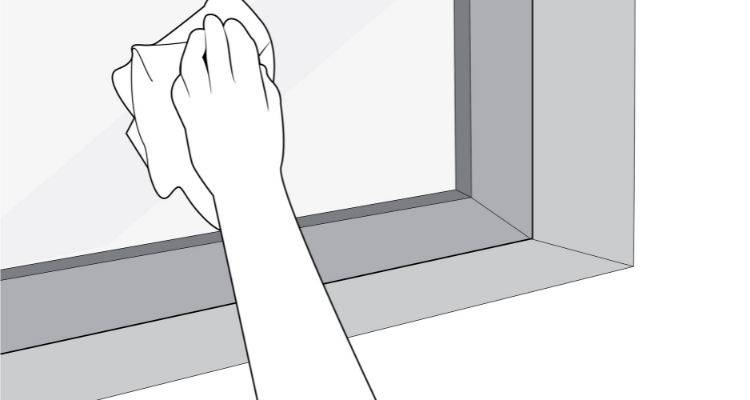
Then, use a cloth or paper towel to wipe away the solution. Start wiping at the top of the window and work side-to-side to direct any excess liquid to the bottom.
Finally, use a squeegee with a rubber blade to help ensure the glass is streak-free.
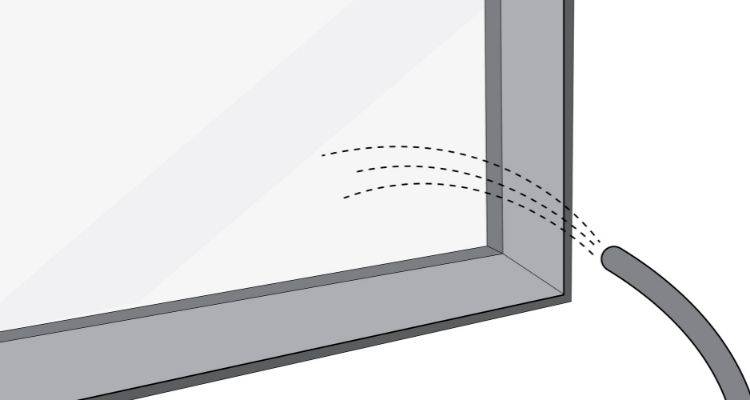
Begin by attaching a hose-end window cleaner to your hose, ensuring it's the correct fit. This will make it easier to clean the hard-to-reach areas. You can get some hose attachments that feature a brush on a telescopic pole. These are ideal for windows that are high up, especially if you don't want to climb a ladder.
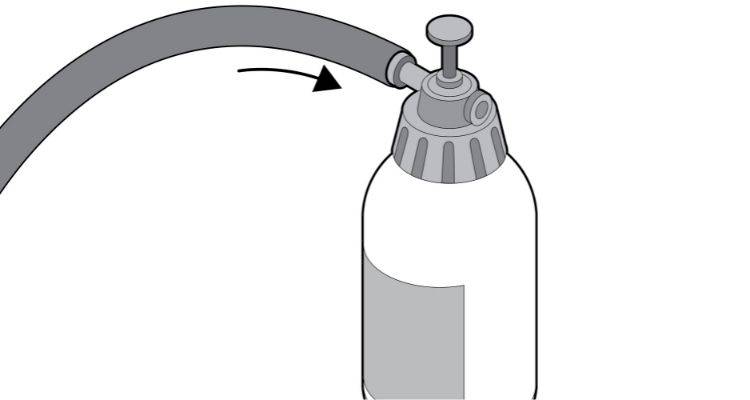
Squirt some solution onto the windows and let it sit for a moment.
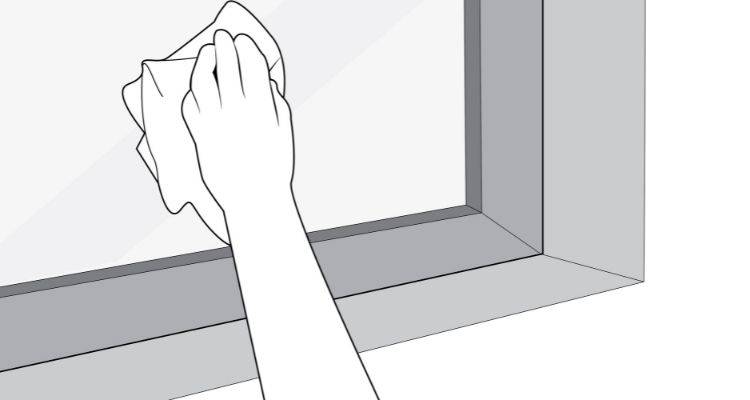
Use a brush or cloth to wipe the solution.
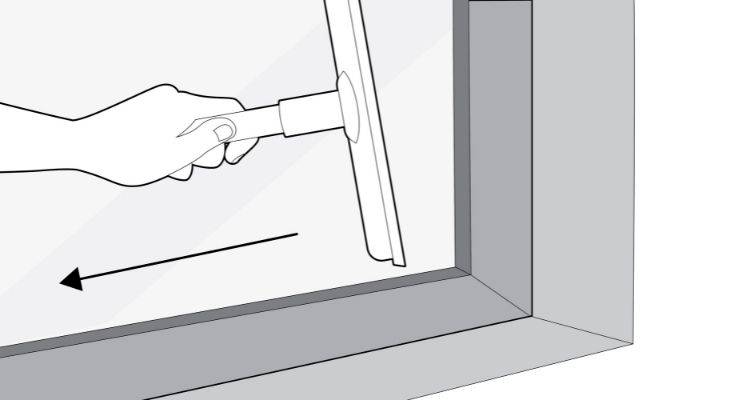
Use a squeegee with a rubber blade to ensure the windows are streak-free.

There are several options you can carry out yourself, providing you have the right equipment, although finding a local window cleaner will likely result in a more professional finish.
Below is a list of the different types of window cleaning services and what each one entails:
When cleaning yourself, there are often hard water spots that aren't always obvious at first glance. Some professional window cleaners use products and equipment that prevent hard-water stains occurring in the future, although this is often an optional add-on to your regular cleaning service.
Cleaning the inside of the windows, sills, and frames of interior windows is usually carried out by using a cleaning solution on the glass and then wiping it away using a cloth or paper towels. You can then go over the glass with a squeegee to ensure no streak marks are left behind.
Exterior windows can collect dirt and debris, and are often affected by local weather conditions. Many homeowners choose to hire a professional window cleaner, especially when it comes to hard-to-reach areas, and will have the window seals and frames cleaned at the same time.
The average cost for hiring window cleaners to clean the windows at your home is around £50 to £150. The cost will depend on the number of windows, how much work is needed, and your location.
Pure water window cleaning uses tap water that's been purified to remove minerals, without using a squeegee or the need to dry the glass afterwards, which also makes the process more streamlined.
Water can be purified in two ways, either by directly using water from a deionisation (DI) vessel containing ion exchange resin, or by filtering it first before passing it through the vessel. Both methods remove minerals, producing highly purified water that helps to leave the windows with a crystal-clear finish.
Below is a list of the different types of cleaning products that you can use to clean your windows:
A liquid glass cleaner tends to come in the form of a pre-mixed substance in a spray bottle. This is quick and easy to use. Simply spray the solution onto the glass and wipe it clean until it's dry.
A non-drip spray or foam solution is formulated to cling to surfaces and stay in place. This is ideal, and it leaves little mess and provides a good clean.
Wipes are ideal for smaller and easy-to-reach windows. They are pre-packaged with the solution already applied to them. This means that you can simply wipe your windows with a wipe straight from the packet.
You can use paper towels, cloths, or newspaper in conjunction with one of the cleaners above to create the perfect blend of cleaning products. A scrub brush is great for medium and large windows, and a squeegee with a rubber blade is the best way to avoid streaks.
You can create a DIY cleaning solution by mixing cornflour or washing-up liquid and water for an all-purpose cleaner. Alternatively, you can dilute rubbing alcohol, ammonia, or vinegar in water to remove oil and grease, although be mindful ammonia isn't suitable for windows with a tinted film.
A water-fed pole is a long pole with a brush on the end that connects to a water supply. When using purified water, the pole is attached to a separate RO (Reverse Osmosis) unit or DI (Deionisation) vessel.
How often you need to clean your windows will depend on the amount of pollution in your area, weathering, and how quickly the windows gather dirt.
This will depend on the size of the window and how dirty it is. An average-sized house window can be cleaned externally by a professional within around 5 minutes, although for homeowners to do a good job DIY it may take twice as long.
The ideal time to clean windows is when there isn't any direct sunlight, such as a cloudy day, providing it's not raining. Cleaning in direct sun can cause the cleaning solution to dry too quickly, which may leave streaks on the glass.






Copyright 2026 MyJobQuote.co.uk. All rights reserved
Privacy Policy | Terms and Conditions | Sitemap
MyJobQuote.co.uk is rated 4.67 stars by reviews.co.uk based on 4140 reviews