Builders
 Carpenters
 Electricians
 Flooring Specialists
 Gardeners
 Handymen
 Heating Engineers
 Painters & Decorators
 Plasterers & Renderers
 Plumbers
 Roofers
 Tilers
 my
myFront Door Installation Guide
Are you having a house built and need to have a front door installed? Or perhaps you already have a front door, but you are thinking of brightening up the look of your home with a shiny new one to spruce up your entrance? Either way, you have come to the right place!
We are on hand to give you all of the assistance and know-how you could ask for, from helpful hints on choosing the right kind of door, all the way through to labour costs, DIY tips, and what you should look out for when hiring someone to install your new front door.
Check out our helpful guide and, before you know it, you will have a brand new front door that will spruce up the front of your house and serve as a charming entrance to your home.
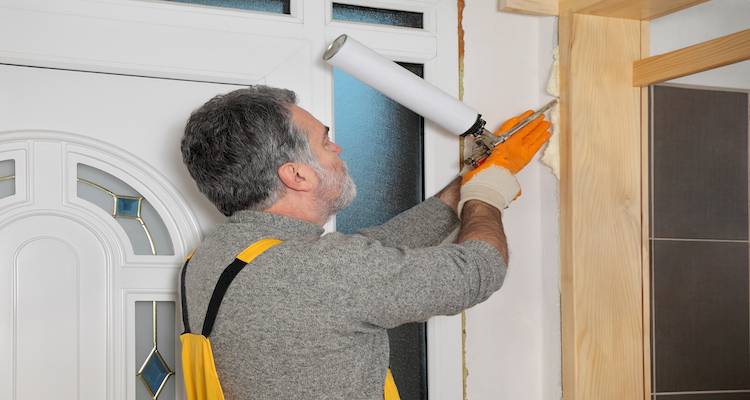
Table of Contents
- What is a Front Door Installation?
- Types of Front Door
- What Are the Pros and Cons of Installing a New Front Door?
- Signs You Need to Replace Your Front Door
- How to Hang a New Front Door
- How Long Does It Take to Install a Front Door?
- Building Regulations & Planning Permission for Front Door Installation
- How Much Does A New Front Door Cost to Install?
- Checklist: Hiring a Front Door Fitter
- FAQs
What is a Front Door Installation?
Front door installation is, essentially, the fitting of a front door to serve as the entryway to your home.
Because your front door is usually the first point of entry for everyone from your own family through to friends, neighbours, colleagues and other visitors, it is worth investing in an attractive-looking door that will give a good impression and make both you and your guests feel welcome upon entering.
With that in mind, many people want a door that suits your home’s aesthetic, and which looks shiny, strong, and in good condition.
It is also crucial to choose a door which does not allow draughts to enter the home, and does not let too much heat escape during the winter months.
Types of Front Door
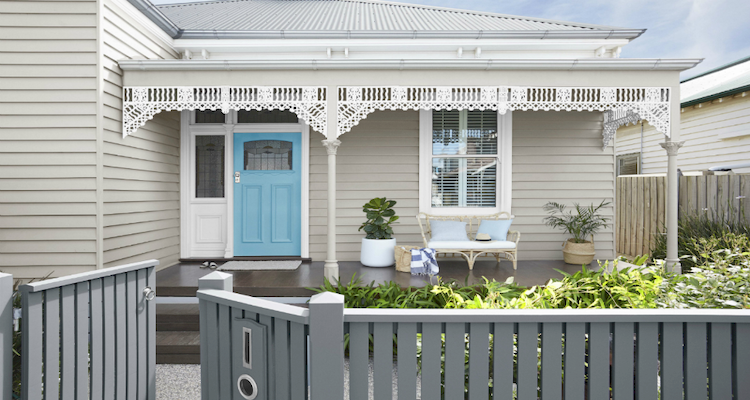
If you are new to the world of home improvements then you may not know that there are several types of front door for you to choose from - and each comes with their own advantages and disadvantages.
In this section, we take a closer look at the various kinds of front door you can install, so you can make an informed decision and select the door which most suits your requirements.
uPVC Front Door
uPVC doors are the ultimate low-maintenance option, which is one of their biggest advantages. In addition, they are sturdy and well-insulated to protect from draughts and heat loss. They are also a good option in terms of security, as they tend to come with multipoint locking.
On the downside, uPVC doors are very difficult to alter once you fit them, so if you want to change the door’s size, colour, locks or door handles, you will have a tricky job on your hands.
Composite Front Door
Composite front doors, as the name suggests, are constructed of a blend of materials, which is then sheathed in a durable outer layer. The advantages of this type of door are its strength and low maintenance, as it will not need repainting and will not warp once you install it.
As with uPVC doors, they are secure and well-insulated. The main con of composite doors is how much they cost.
Wooden Front Door
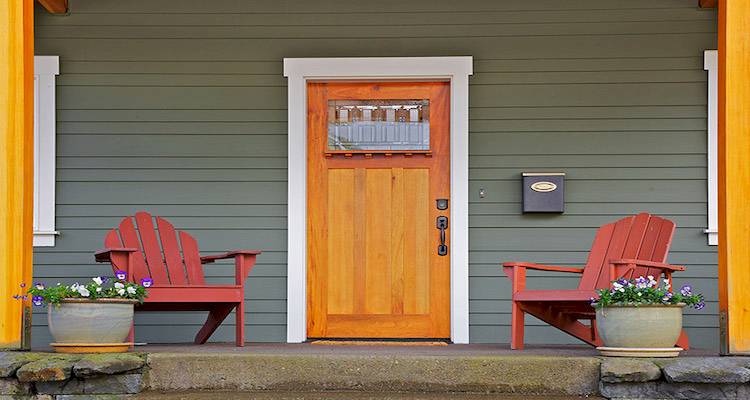
Wooden front doors have always been a popular option, due to their longevity and attractive, timeless appearance. Among the advantages of a wooden front door is their adaptability, as they can be repainted and re-shaped to suit your entrance way, and it is also easy to alter their door handles and other accoutrements.
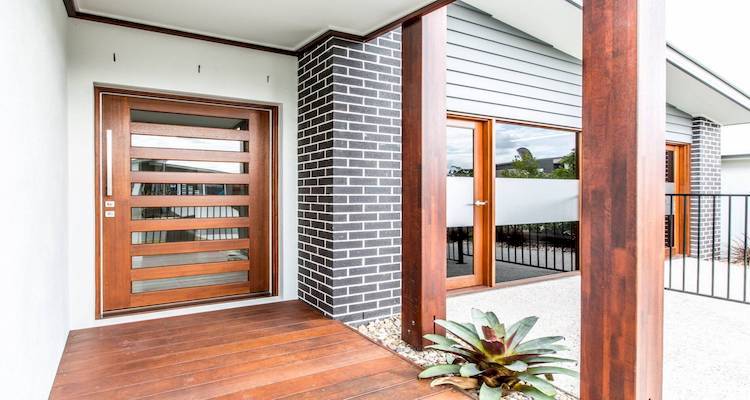
However, wooden doors do come with some disadvantages. As you may know, wood can warp if not adequately maintained, and, in the worst case scenario, can even begin to rot away. With this in mind, if you are keen on a wooden door, we recommend you opt for stabilised wood, or laminated options.
What Are the Pros and Cons of Installing a New Front Door?
Are you still unsure whether or not to go ahead with installing a new front door? We have compiled a helpful breakdown of the advantages and disadvantages of installing a new front door, to aid you in your decision.
Pros
Looks
A new front door can make a big difference to the front of your house in terms of aesthetics, and is sure to make a good impression on visitors. It can also lift your own mood whenever you come home from work or the school run.
Insulation
If you are currently struggling with insulation issues, then one of the ways you can deal with this is by getting a new front door which is better insulated, to prevent heat loss and draughts.
Soundproofing
You might be surprised at how much noise can enter your home through a poorly fitted or badly constructed front door, so simply by choosing to remove your current front door and replace it with a newer and better insulated one, you could improve your home’s soundproofing.
Cons
Cost
This is arguably the biggest drawback of installing a front door. Whichever kind of door you go for, even if you select a cheap option, you will inevitably end up spending several hundred pounds when you add together the price of the door itself, as well as labour costs.
Tricky Measurements
You may think that all doors conform to a standard measurement, but there are different sizes of doorway, so you need to make sure you select the right size door to fit your home. This will involve measuring your entranceway, being sure not to neglect crucial measurements such as the internal floor height.
Signs You Need to Replace Your Front Door
Not every door needs to be replaced, but there are some clear warning signs that it is time to replace rather than repair:
- The door is damaged or misshapen — If the door is cracked or misshapen so it no longer sits properly in the frame, it will be hard to fix and is likely to keep getting worse.
- It sticks or won’t close properly — A front door that drags on the floor or needs a big shove to close can be a sign of warping.
- You can feel draughts — Gaps between the door and frame mean poor insulation and can lead to higher heating costs.
- There is visible damage to the frame — Splits or rotted areas around the frame can weaken the whole entrance and make the door less secure.
- The locks and hinges feel flimsy — Old or damaged locks and loose hinges can make your home easier to break into.
- Condensation in glass panels — Moisture trapped inside double-glazed panels usually indicates a failed seal and a door that is no longer working as it should.
- Rust or peeling that keeps coming back — If you are constantly sanding, filling, or repainting, the material of your front door may be at the end of its life.
A joiner can sometimes fix minor issues. However, if you recognise several of the signs above, it is often more cost-effective in the long run to replace your front door completely.
You can get several quotes from door fitters near you, using MyJobQuote, which are fast, free, with no-obligation to go ahead.
How to Hang a New Front Door
Do you enjoy DIY and plan to replace your front door yourself but are not quite sure of how to go about hanging a front door? Read on for some expert tips and tricks which will aid you in getting your door properly fitted - but before you begin, bear in mind that a pre-hung door is much easier to install yourself.
Tools Required
- 4 foot spirit level
- Cordless drill/driver
- Drill bit set
- Handsaw
- Sledgehammer
- Hammer
- Square
- Jamb level
- Utility knife
- Tape measure
- Lay a waterproof membrane to shield the corners and sill; this will protect these areas from moisture.
- Insert pre-cut drip edge flashing between the exterior finish and weather barrier.
- Mark the location of the door hinges on the wall alongside the rough opening to show you where to put the shims.
- Use your long level to help you place the top and bottom door shims in the right locations. Put in the central door shims.
- Set the frame and the door in place and make sure it is properly lined up. Attach it to the shims using nails or screws, but do not hammer the nails all the way in at the moment, in case any adjustments still need to be made.
- Use your level to make sure that the jambs are correctly in place and test that the door can be opened and closed without any issues.
- Once satisfied, you can cut back the shims on the interior and hammer the nails the rest of the way in to fix it in place.
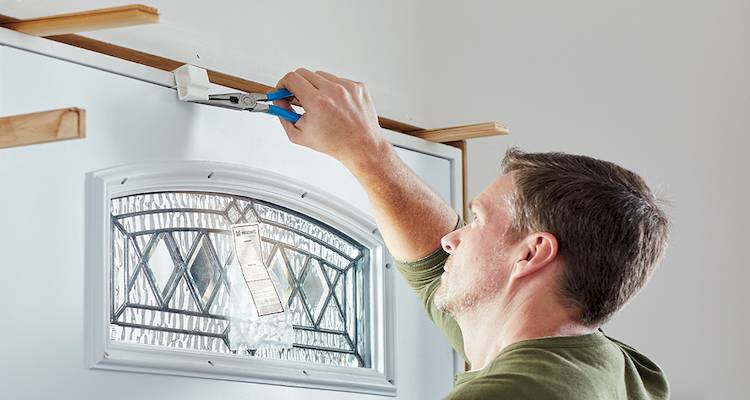
- Fit the door casing and the remaining door furniture.
- Apply some caulk in any gaps, including beneath the threshold and between the door’s joints.
How Long Does It Take to Install a Front Door?
The average timescale of installing a front door is between 2 and 5 hours, although it may take longer than this if the job is more complex.
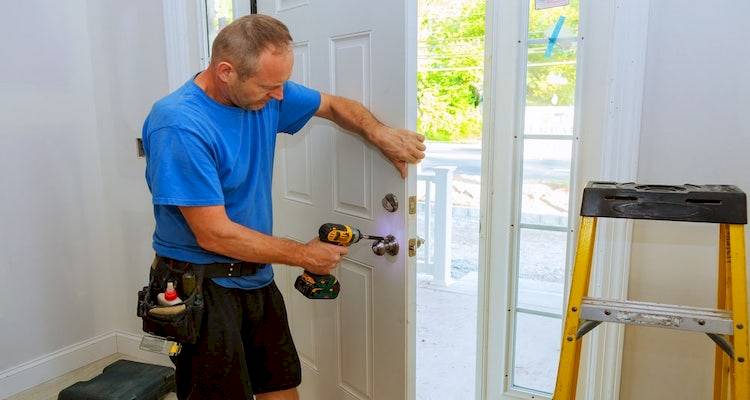
For example, if your new door is a different size to the original, or if a postbox or front door handles have to be installed as well. Sometimes, a door installation can take an entire day, although this is not a typical occurrence.
Building Regulations & Planning Permission for Front Door Installation
As we are sure you already know, when it comes to home improvements, conforming with building regulations or obtaining planning permission can sometimes throw a cog in the works.
Planning Permission
Fortunately, when it comes to installing a front door, planning permission is usually not required for an existing opening.
You may need planning permission if you creating a new doorway or changing the opening. You may also need to seek planning permission if you are living in a listed building, a conservation area or other specially designated location, in which case you will need to check with your local authority.
Of course, if you are renting your home, you will also need to clear any improvements - such as a new front door - with your landlord/lady before going ahead. Flats and maisonettes also often have stricter rules than houses.
Building Regulations
Regarding building regulations, the new front door you have installed must comply with various standards, including safety glazing and thermal performance, in order to reduce energy loss. More details can be found here.
How Much Does A New Front Door Cost to Install?
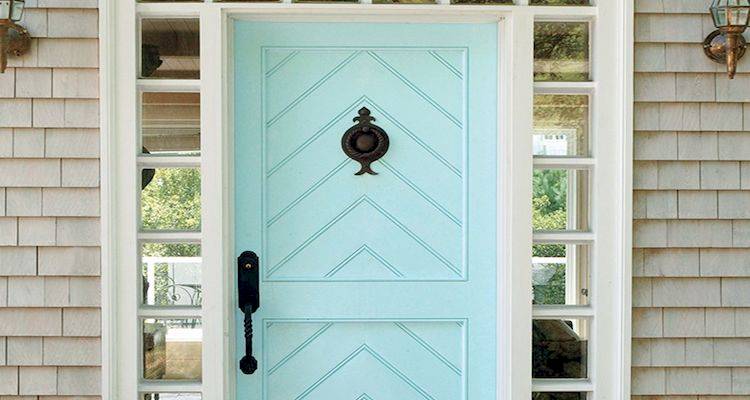
One of the most important factors anyone considers when installing a front door is how much it costs, as you need to make sure this home improvement is within your budget.
As you might expect, the cost of installing a front door can vary quite a lot depending on what kind of door you are thinking of going for, and whether or not you are opting to go down the DIY route or having it specially fitted.
Cost also varies depending on where you are in the UK, and how complex the fitting process will be.
With MyJobQuote, you can request multiple quotes from local door fitters, which are fast, free, with no-obligation to go ahead.
Checklist: Hiring a Front Door Fitter
Here are some things you should consider when hiring a door fitter for your front door installation:
- Are they registered with a competent person scheme? Most professional front door installers are registered with a competent person scheme such as CERTASS or FENSA, which allows them to self-certify that their work meets Building Regulations.
- Are they insured? Look for public liability insurance to cover damage or injury when working in your home.
- Do they offer a guarantee? Ask if their work comes with a guarantee, and check what is covered.
- Are they experienced? Ensure they have experience fitting doors and can show you proof of their work.
- Do you have an itemised quote? Ask for a full breakdown of your quote so that you know what's included, and if there are any additional costs.
- Do they have positive reviews? Check their MyJobQuote profile to see what other homeowners are saying about their work.