Builders
 Carpenters
 Electricians
 Flooring Specialists
 Gardeners
 Handymen
 Heating Engineers
 Painters & Decorators
 Plasterers & Renderers
 Plumbers
 Roofers
 Tilers
 my
my5 Things to Check When Snagging Your Home
Small finishing issues are common, even in brand-new homes. That’s why it’s a good idea to carry out a snagging check, which involves inspecting your property for minor defects or unfinished work, soon after moving in. Spotting problems early means they can be fixed whilst your warranty is still valid, saving you time, hassle, and potential costs down the line.
Walls and Paintwork
Check the walls and ceilings for cracks, scuffs, uneven paint, or poorly finished plasterwork. These types of issues are common in new builds and can be easy to miss at first glance. Even small imperfections can affect the overall finish of a room, impacting its appearance.
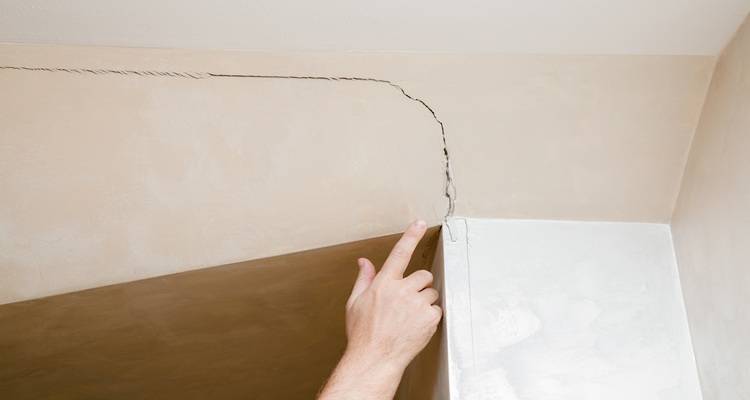
Taking the time to spot these issues early allows them to be put right before they become more obvious or harder to fix. Local tradespeople can help touch up paintwork or repair minor plaster defects, ensuring your walls look clean and smooth.
Doors and Windows
When snagging your home, test all doors and windows to make sure they open and close smoothly. Whilst you might assume openings will work perfectly in a new property, issues such as misalignment, stiff handles, or inadequate sealing are quite common.
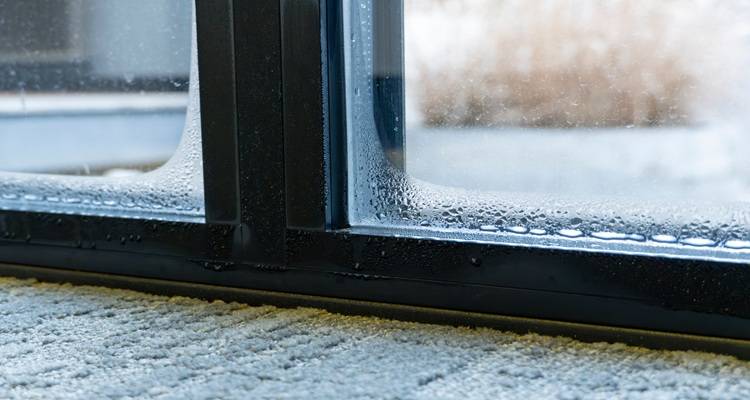
Catching these problems early can help prevent heat loss, improve security, and avoid further wear over time. Enlist a tradesperson in your area to fix these faults quickly, ensuring your doors and windows work properly, and your home remains comfortable and secure.
Plumbing and Water Pressure
Turn on taps and showers, and flush toilets to check for leaks, slow drainage, or low water pressure. Listen for gurgling sounds or other unusual noises in pipes. Plumbing faults can appear even in newly built homes, often due to connections not being fully secure or systems not being properly flushed.
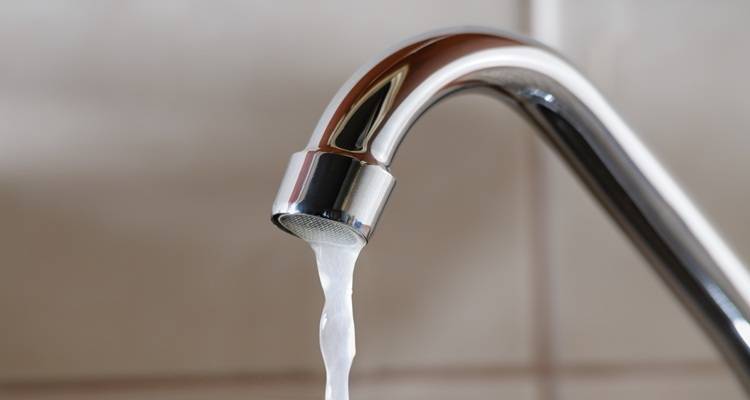
Spotting leaks early on protects your home from water damage and avoids bigger repairs later. Local tradespeople can investigate any issues with your property’s plumbing, fix leaks effectively, and ensure all aspects of your system are working properly, giving you peace of mind from day one.
Electrics
Don’t overlook your electrics when snagging your home. Test all sockets, switches, and light fittings to ensure they work correctly, looking out for flickering lights, non-working sockets, or circuits that trip easily.
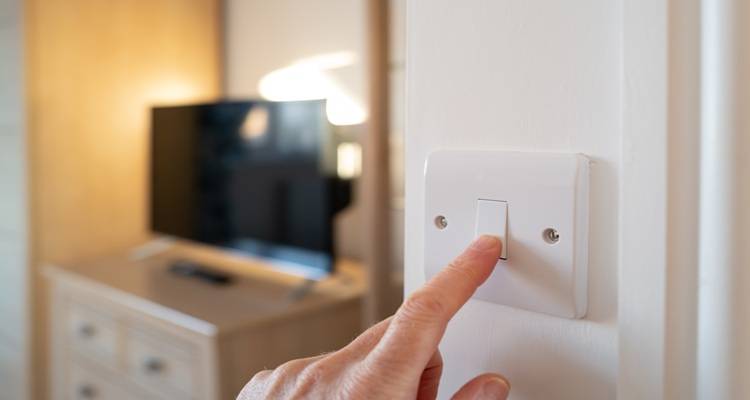
Electrical issues are common snagging issues, often caused by errors during installation or parts that haven’t been fully tested. Spotting them early helps to prevent safety hazards, avoid expensive repairs, and ensure your home’s electrical system is fully functional from the very start. Local tradespeople are on hand to check your electrics and repair any faults promptly.
Damp and Mould
Damp and mould are commonly seen in older properties, but they can appear in new homes too, especially in bathrooms and kitchens. Condensation, leaks, or unfinished sealing around windows and doors can all lead to damp patches if they’re not addressed quickly.
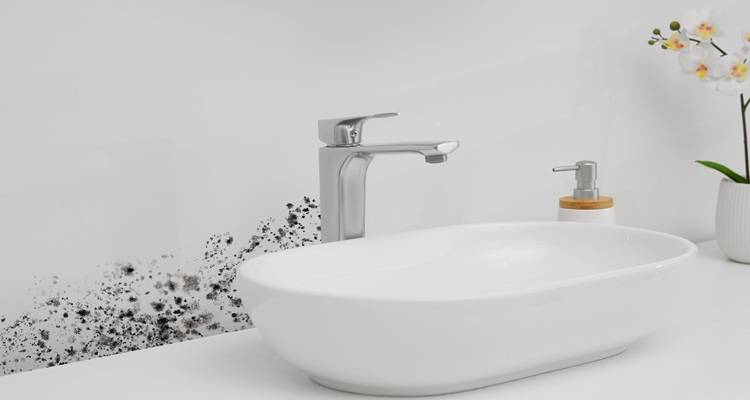
Identifying these issues during snagging checks helps prevent damage to walls, floors, and fittings, as well as avoiding potential health problems. Tradespeople can assess the cause of damp, treat affected areas, and recommend appropriate solutions.
Conclusion
Snagging helps you spot small defects before they become bigger problems, keeping your home safe and comfortable and ensuring it looks its best. Taking the time to inspect your property throughout also gives you peace of mind, knowing that any issues can be addressed quickly whilst your warranty is still valid.
Post a job on MyJobQuote to get free quotes from local tradespeople.
Last updated by MyJobQuote on 22nd April 2026.