Builders
 Carpenters
 Electricians
 Flooring Specialists
 Gardeners
 Handymen
 Heating Engineers
 Painters & Decorators
 Plasterers & Renderers
 Plumbers
 Roofers
 Tilers
 my
myTree Surgeon Salaries: What You Need to Know
If you’re looking for a stable job with a good income, becoming a tree surgeon could be the solution you need. Tree surgeons can make a very good living from their skills and expertise, and there are many opportunities to build upon what you’ve learned to increase the demand for your services once you’ve got your foot in the door.
If you want to find out more about career progression as a tree surgeon, the qualifications you’ll need and how much you could make once you’ve been in the industry for several years, we’ll lay out all the information you need to know right here.
Read on to find out more about the tree surgeon average salary, how much do tree surgeons earn, the tree surgeon hourly rate, whether location affects tree surgeon income and more.
Table of Contents
What a Tree Surgeon Does
Tree surgeons play an essential role in maintaining the health, appearance and safety of trees, and there is a lot of demand for their skills across the UK. A tree surgeon can carry out a wide range of important duties, including pruning overgrown branches, diagnosing diseases and removing trees when they need to be disposed of.
Some trees can be very harmful to people and property, and if a tree needs to be removed or fixed in some way, a tree surgeon can help with this. The tasks that tree surgeons carry out can vary in terms of difficulty, which is why some jobs cost more than others. The larger the tree is, the more expensive the work is likely to be. If a tree is in a particularly poor condition, this can also mean the work costs more.
It’s really important not to confuse the terms “tree surgeon” and “arborist” as there are big differences between these roles. Arborists tend to be more focused on studying and diagnosing problems with trees, whilst tree surgeons are normally asked to install, fit, remove, replace and fix trees. The work of a tree surgeon tends to be more “hands-on”.
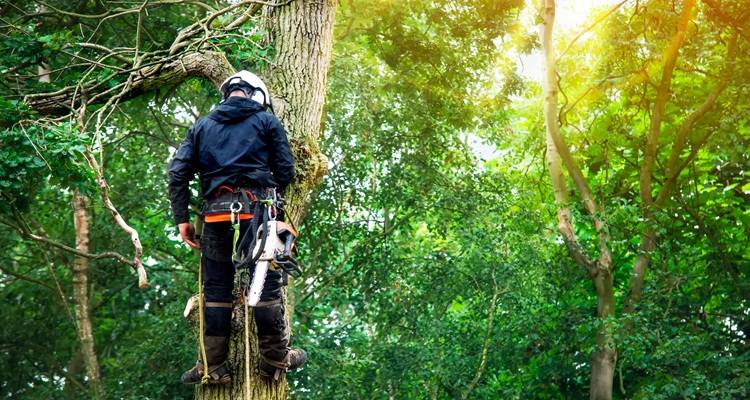
Successful tree surgeons need to be skilled in using specialist equipment, cutting and treating branches safely plus climbing high trees. It’s also common for tree surgeons to be called out to deal with emergencies, such as when accidents and storms have caused problems with trees. If you do decide to become a tree surgeon, it’s important to charge the right price for your services.
Some tree surgery jobs can be very dangerous, so don’t ask for less than the job is worth. Although the most experienced and skilled tree surgeons charge more, the cost tends to be worth it as it means customers don’t have to fork out more to remedy poor-quality work.
Some customers may attempt to carry out DIY repairs, but this can be very dangerous and risky. The biggest tasks, such as tree removal, should always be left to professionals who know how to get the job done safely without putting anyone or anything at risk.
Many people get in touch with tree surgeons because they need to replace old or damaged trees. An experienced tree surgeon can suggest and install a suitable kind of tree that’s a good match for the environment. If a tree is installed correctly by an experienced professional, this can prevent expensive problems further down the line. A quality tree surgeon can also encourage growth by laying mulch and protective barriers around the new trees they have planted.
Average Salary in the UK
In the UK, the average salary for a tree surgeon who works full-time is somewhere in the region of £30,000 to £34,000. However, according to the Office for National Statistics, tree surgeon salaries have been rising in recent years and with the right experience average tree surgeon salaries can reach £37,500 or more.
Some particularly experienced tree surgeons in certain parts of the UK can earn around £45,000 a year. The starting salary stands at around £25,000 a year, but this can quickly rise once you’ve gathered sufficient experience.
This means a qualified general tree surgeon can expect to earn around £19 per hour. As you may expect, tree surgeons in London and other parts of South East England do tend to earn more than those in other parts of the country.
In summary, becoming a tree surgeon can be a rewarding career and with further training or professional development a UK tree surgeon can significantly increase their annual pay.
Salary By Experience Level
As with most other careers, salaries tend to rise once you’ve built upon substantial tree surgery experience. Trainees and newly qualified tree surgeons can reach an average salary of around £30,000 within a few years, reaching £35,000 once you’ve gained further experience.
Skills that can help you increase your salary can include operating advanced machinery like cranes and certain climbing techniques. You can also look forward to earning more once you’ve achieved specific qualifications in areas like tree inspection.
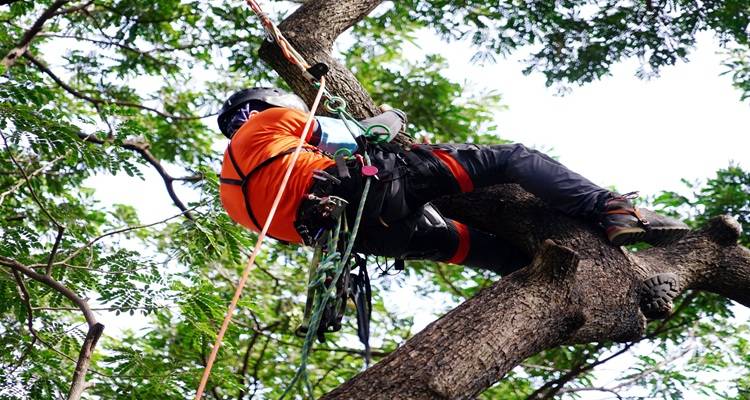
Once you've reached 10 years experience or more, tree surgeon salaries could reach over £40,000 a year. Some tree surgeons top up their income with consultancy work, which can include producing reports on tree health and advising on planning. Alternatively, you could open your own tree surgery business to further enhance your future career.
| Tree Surgeon Position | Average Salary |
|---|---|
| Starting / Trainee | £22,000 – £26,000 |
| Early Career (2–4 years) | £28,000 – £32,000 |
| Experienced (5+ years) | £32,000 – £35,000+ |
| Advanced (10+ years) | £35,000 – £40,000+ |
| Highly Skilled / Specialist | £40,000 – £45,000+ |
All figures are estimates, based on a 40-hour week, pre-tax. Exact figures may vary depending on experience and location.
Regional Variations
The amount that you get as a tree surgeon can depend on where you live and work as well as other factors. Your location can determine how much demand there is for your services, with tree surgeons in affluent areas inevitably receiving more for their work. Other factors can include the number of other skilled tree surgery professionals in your area.
London and the South East offer a highly lucrative environment for tree surgeons. Tree surgeons in these areas tend to earn more due to the high demand for tree surgeons and the higher cost of living. The high demand for tree surgeons in London and the wider South East area is largely down to factors like the number of big gardens, parks and green spaces as well as the high population density.
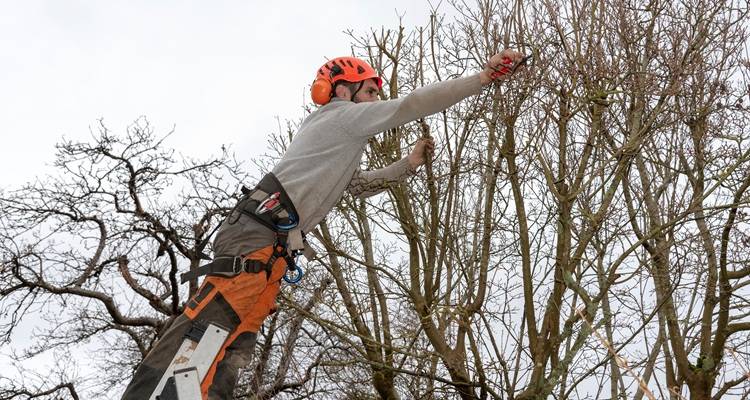
In areas like the Midlands and the North of England, tree surgeons tend to earn less than their South East counterparts, but they can still make a very good living. There is a high demand for tree surgery professionals in these areas, but the relatively low cost of living can mean customers don’t need to pay so much to get the services they need. The situation is similar in Scotland and Wales, though you may earn more for tree surgery services in big cities like Cardiff, Glasgow and Edinburgh.
Factors That Affect Earnings
There are many different factors that can influence the amount of money you make as a tree surgeon. These can include your qualifications, your skills and the time of year as well as the area that you operate in.
Qualifications, certifications and completing training programmes can make a big difference when it comes to income. The following in particular are examples that show that a tree surgeon is meeting industry standards, enhancing the credibility of their tree surgery services.
- NPTC (National Proficiency Tests Council) – Industry-recognised qualification that allows a tree surgeon to operate a chainsaw, climb trees responsibly, and other additional arboricultural skills.
- LANTRA Certification – As well as tree removal, LANTRA is the UK’s awarding body for "land-based and environmental industries" and therefore also covers a range of agriculture, horticulture and environmental conservation.
Whether you’re working for a company as a tree surgeon or operating on a freelance or self-employed basis, they can significantly boost your earning potential. Special skills like aerial rescue and chainsaw use can also increase the demand for your skills and therefore your income from tree surgery.
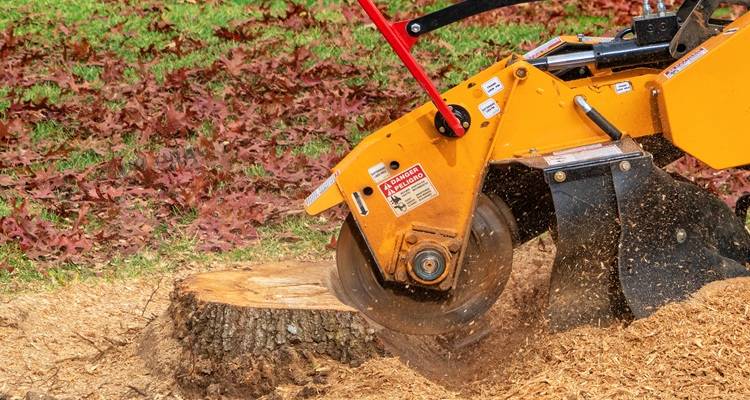
If you are directly employed, the kind of employer you work for can also have an influence on how much money you make. It’s common for private firms to pay more than local councils, although your job could be more stable if you work in the public sector. If you work on a freelance basis, your income can fluctuate due to demand, as well as other factors like the time of year.
Tree surgeons tend to be more in demand during autumn and winter when trees require more maintenance. These months can be very lucrative for freelance tree surgeons, especially if they’re able to focus on multiple projects at a time and are happy to work unsociable hours.
Acquiring special skills like stump grinding and aerial work can be highly beneficial when it comes to boosting your income. These tasks can be complex and involve more risk. If you can master these skills, you’re likely to see more demand for your services, which can lead to better pay.
Career Progression and Pay Increases
One of the great things about becoming a tree surgeon is that there are lots of opportunities for career progression. The more experience you have, and the more qualifications you earn, the more lucrative the job can become.
If you’re starting out as an entry-level tree surgeon, your tasks are likely to involve things like tree cutting, pruning and general maintenance. Although you may begin your career around the minimum wage mark, you can quickly earn experience and boost your earning power by gaining qualifications and working under supervision. Building specialised skills can also help.
Once you’ve got around 5–10 years of experience behind you, you’ll be able to take on more complex jobs. You may also have the skills to supervise others. At this stage in your career, you could command a salary of up to £30,000 a year. Tree surgeons who have been in the industry for this long often focus on work like aerial rescue, tree climbing and stump grinding.
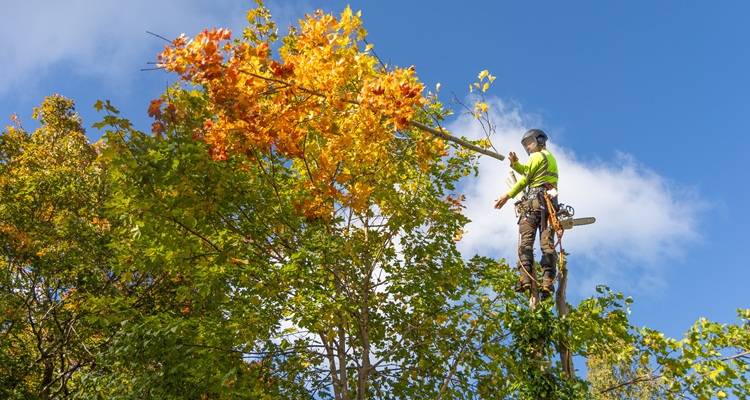
A specialist tree surgeon with vast experience can earn up to £50,000 a year or even more, especially if they own or manage a business and work on high-profile projects. If you become an in-demand specialist in a specific area such as advanced tree climbing or tree health, you may be able to charge premium rates for your work. The more experience you have and the more skills you acquire, the larger your earning potential will become.
Comparison With Related Trades
Tree surgeons can earn substantially more than other people working in the great outdoors even though some of the tasks are similar. They can earn a few thousand pounds more than general landscapers per year due to the specialised skills they need as well as their tree health knowledge, climbing techniques and the dangerous conditions they often work in.
Landscaping isn’t usually seen as ‘specialised’ as tree surgery, and landscapers don’t normally need as many qualifications to excel in their field.

You may be able to also earn much more as a tree surgeon than you would as a gardener. Again, some gardening tasks are similar, but tree surgery tends to be much more complex and hazardous, with the work often involving hazardous tasks such as the tree felling of very large and mature trees.
Supply and demand also play a significant role in salary, as it is often more challenging to find a skilled tree surgeon compared to a landscaper or gardener in the UK.
Frequently Asked Questions
How Much Does a Tree Surgeon Earn in the UK?
UK tree surgeon salaries have the potential to reach up to £50,000+ a year if you own your own business, with sole traders taking home an average salary of around £37,000 per year. Although the starting salary for a tree surgeon can be modest, it’s possible to earn good money once you have the right experience.
Salaries can depend on where you're based and whether you’re a freelance or a directly employed tree surgeon. A tree surgeon day rate can be as much as £400 or more if there is a strong demand for their services, especially if you've taken on further training to gain additional skills.
Do Self-Employed Tree Surgeons Earn More?
It is possible for a self-employed tree surgeon to earn more than one who works for the council or private company. Many self-employed people are attracted to the lifestyle due to having more control over their working hours and client base, with repeat business often a way of ensuring a regular income.
However, self-employed tree surgeons do face extra challenges like managing their business costs, marketing and advertising their business plus paying for insurance. Running your own tree surgery business as a self-employed tree surgery professionals can make it hard to budget if you're workload fluctuates throughout the year.
Which Qualifications Do People Need to Boost Their Tree Surgery Salary?
Obtaining certain qualifications by enrolling on a college course can help boost tree surgeon salaries. National Proficiency Tests Council (NPTC) qualifications including tree climbing, aerial tree work and chainsaw operation can be very helpful when it comes to building your career. Specialist skills like tree surveying and stump grinding can be very lucrative. Special qualifications from organisations like LANTRA can also help you boost your earning potential.
How Much Does Experience Impact a Tree Surgeon Salary?
The more experienced you become in tree surgery, the more your earning potential rises. It doesn’t normally take long for an entry-level tree surgeon to increase their income. Once you’ve built up around five years of experience, you can expect to earn up to £35,000 a year, and you can earn even more once you’ve earned a good reputation and have advanced certifications. Qualifications and experience have a big influence on the average cost of a UK tree surgeon.
Will My Salary Be Affected by Where I Live?
Yes, your location can play a big role in determining how much you can earn as a tree surgeon. If you’re based in London or the South East, you can earn notably more than a tree surgeon working in Scotland or the North of England, although your living costs may be higher.
Tree surgeons who live in areas with high demand for their services inevitably earn more. Some tree surgeon professionals have relocated to find a better fit for their salary targets or decided to cover a wider area to cater for more clients.
Last updated by MyJobQuote on 28th April 2026.