Builders
 Carpenters
 Electricians
 Flooring Specialists
 Gardeners
 Handymen
 Heating Engineers
 Painters & Decorators
 Plasterers & Renderers
 Plumbers
 Roofers
 Tilers
 my
myDamp and Mould in UK Home: Key Statistics & Trends
When we talk about damp and mould in UK homes, this refers to persistent moisture problems that appear within the home.
This could be due to several different things, including rising damp, penetrating damp, or condensation. The persistent moisture issues may result in mould growth, which can be very dangerous.
The problems listed above can affect a home's stability and can create hazardous living conditions.
In housing quality assessments (such as the English Housing Survey, EHS), an official damp problem is recorded when a qualified surveyor identifies moisture or mould issues that are significant enough to be a hazard under the Housing Health and Safety Rating System (HHSRS).
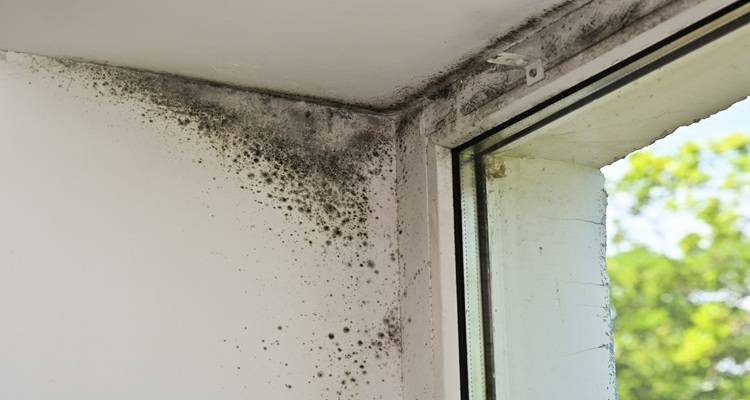
These issues aren't just surface-level problems. Damp and mould are associated with a number of negative things. Things like:
- Respiratory illnesses
- Mental health concerns
- Household or property damage
...and increased public health costs are all causes for concern when it comes to damp and mould.
In 2022–2023, around 1 million households lived in damp conditions. This equates to approximately 4% of all households.
More recent data suggests that the issue is becoming worse very quickly. By 2023–2024, an estimated 1.3 million households were living in damp homes in the UK.
Further emphasising the issue, it was also reported that over 600,000 households had at least one person living in them with a health condition.
Damp and mould problems are not evenly distributed across the population. These issues tend to be worse in rented properties, low-income homes, and within vulnerable groups. The consequences of these problems are substantial.
In this article, we will go over some key statistics, looking at the number of homes associated with damp and mould, the driving factors, the implications, and the future outlook when it comes to homes that are struggling with damp and mould issues.
Table of Contents
Prevalence and Key Statistics
Overall Prevalence
The English Housing Survey is a credible source for surveyor-based measures of housing defects in England. The most recent EHS data shows the following:
- In 2022–2023, around 1 million homes (roughly 4%) had a damp problem identified by a professional surveyor.
- In 2023–2024, that number increased to 1.3 million households living in damp conditions.
It is important to note that the figures listed above show only the more serious problems detected in a survey. There are likely many more cases, especially smaller cases of mould or condensation issues, that these surveys may not capture. This suggests that the actual number of affected homes could be much higher.
Some non-official sources claim that up to 27% of UK homes suffer from some form of damp or mould. However, these estimates are usually not based on professional inspections, so they can't be relied on fully.
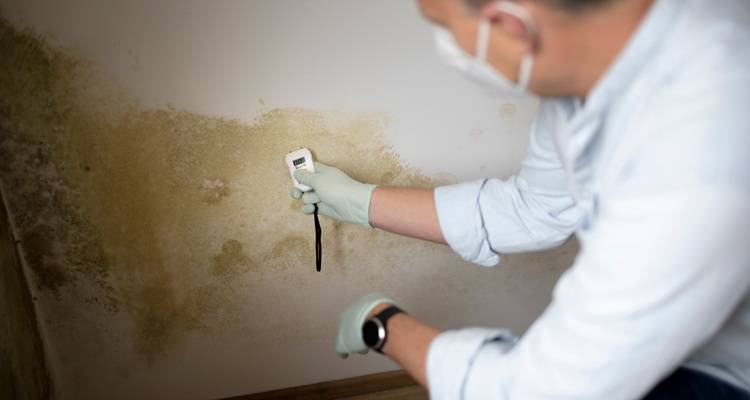
The UK Health Security Agency (UKHSA) estimates that around 2 million people (3–4% of households) live in homes with "significant damp and/or mould".
Variation by Tenure
One of the most common findings across surveys is that private rented homes have the highest risk of damp and mould.
- In 2022 – 2023, private renters were the most likely group to be living in a damp home (10%), followed by local authority renters at 7%, housing association renters at 4%, and owner-occupied homes at 2%. This is according to figures on the English Housing Survey.
- In 2023 – 2024, damp problems were found in 7% of social homes (local authority or housing association). This number represents a noticeable 3 percentage-point increase since 2019, and it is the largest rise among all tenures, according to Inside Housing.
Demographic and Inequality Breakdowns
Damp and mould problems are not evenly distributed across the population, so this reflects a wider social divide.
Income & Support
- In 2022–2023, households that receive housing support, such as housing benefits or Universal Credit, had a higher frequency of damp. 9% of these households had damp, compared to 6% of households not in receipt of any support.
- The number of households with damp problems declined across lower and higher-income groups. 6% of those in the lower income bracket had damp, then 5% in the next bracket, 4% in the next, 3% in the next, and 2% in the highest bracket, according to the 2022–2023 EHS.
Ethnicity
- Over the two years to March 2023, an average of 4% of households overall had damp. Within ethnic subgroups, the following stats showed: 22% of Mixed White & Black Caribbean households, 14% of Black African households, and 8% of Pakistani or Black Caribbean households experienced damp. This compares with just 4% of White British households, according to statistics from the government's Ethnicity Facts & Figures.
- The differences in the figures shown above show that minority ethnic households face much greater exposure to poor housing conditions.
Health Status and Vulnerability
- In 2023 – 2024, of the 1.3 million households living with damp, over 600,000 included at least one occupant with a health condition.
- In private rented homes, 49% of damp homes included a resident with a health condition, compared with 34% in non-damp homes.
- Among households with dependent children, 534,000 lived in damp homes. Of those, 122,000 had a child with a health condition.
- In 2023 – 2024, over 800,000 households were overcrowded, and 55% of them had at least one occupant with a health condition compared with 38% in non-overcrowded homes.
These statistics show how damp and mould conditions intersect with income, ethnicity, health, and family composition.
Health and Self-Perceived Wellbeing
- Households that have damp reported worse health. In 2022 – 2023, 58% of the heads of households (HRP) living in damp homes described their health as "good", compared to 70% in non-damp homes.
- Among private renters, 63% of HRPs in damp homes rated their health as "good", compared with 75% in homes without damp.
Health & Social Implications
Health Impacts
Exposure to damp and mould conditions has been linked to a wide range of health concerns. The list below highlights the most common health issues that people can get with exposure to damp and mould:
- Asthma - Exposure to mould is a risk factor and can result in people developing asthma, and can also worsen symptoms in those who already suffer from asthma-related problems.
- Allergic rhinitis, coughing, wheezing, and bronchitis - These are all common problems that people can get with exposure to damp and mould conditions.
- Lower respiratory infections - Lower respiratory infections are common in people living in damp homes.
- Mental health - Dealing with persistent mould, the stress of the damp issues, and worrying about health can make things like depression and anxiety much worse.
- Comorbidity aggravation - People with chronic lung disease, older adults, and people with immune system problems are at a higher risk.
The NHS is also subject to some significant costs due to homes with damp and mould. According to the Commons Library, the NHS spends an estimated £1.4 billion every year on treating illnesses associated with living in cold or damp housing. When wider societal costs are considered, such as healthcare, that figure rises to £15.4 billion.

Inequality Implications
Households in the private rented sector with damp are more likely to include a person with a health condition at 49% compared to 34% in households without damp.
Ethnic minority households are far more likely to report damp than White British households. Mixed White and Black Caribbean households have 22% reporting damp compared to 4% in White British households.
The case of two-year-old Awaab Ishak, who very sadly died in 2022 from a respiratory infection which was caused by prolonged exposure to mould in his home, has really opened people's eyes to how extreme housing neglect and these damp and mould problems can result in fatal outcomes.
Trends & Drivers
Trends Over Time
The commonness of damp in UK homes has been going up over time, particularly over the past few years.
- In the late 2010s, damp issues as recorded by the EHS hovered at around 3 – 4%.
- By 2023, this figure increased to 5%. This was the highest level in five years.
- There has been a particularly steep increase in the social housing sector. As of 2023 – 2024, 7% of social homes had issues with damp. This is an increase of three percentage points since 2019.
Risk Factors
The EHS 2023 – 2024 Drivers and Impacts report shows some key contributing factors to damp and mould.
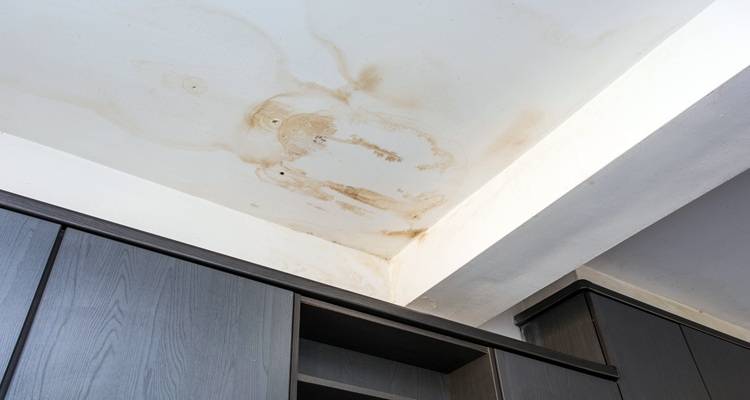
Have a look at the list below for some of the main things that could contribute to damp and mould:
- Penetrating water and damage - Problems in roofs, walls, windows, guttering, and flashing can allow moisture to penetrate the property, creating dampness.
- Poor Ventilation / Occupant Behaviour - Inadequate extractor fans, blocked vents, closed windows, and limited methods for moisture to escape all play a part in higher levels of condensation. This is noted as the most common source of damp, according to the EHS.
- Insulation / Energy Efficiency Deficiencies - Poor insulation can lead to cold surfaces, promoting condensation and mould growth.
- Reduced Heating / Underheating - The rising costs of heating have resulted in homes using less heat or heating their homes unevenly, so this can make them more susceptible to high humidity levels.
- Overcrowding / Occupancy Density - More occupants generate more moisture through things like cooking, respiration, showering, and drying clothes indoors. This then raises the humidity levels.
- Age and Design of Housing - Older homes, buildings with solid walls and historic properties without damp-proof membranes are more vulnerable.
- Mixes of the Above - A problem in the building makeup, combined with inadequate heating and poor ventilation, can often increase the risks.
The EHS data confirms some significant associations. Homes with lower energy efficiency, homes that are in disrepair, or homes with higher occupancy are more likely to highlight problems with damp or mould.
In addition, there are wider social and economic pressures that are driving these numbers. The cost-of-living crisis and higher energy prices are key drivers. Households that are not heating their homes as much or that have inadequate ventilation to help save money are (perhaps unknowingly) increasing their risks of damp and mould.
Housing Tenure & Conditions
Owner-Occupied Homes
Owner-occupied homes show the lowest levels of damp and mould.
- In 2022–2023, only 2% of owner-occupied homes had damp problems.
- These homes often have better access to money for maintenance and repairs. They will likely also have more control over ventilation, and will have much more of an incentive to invest in repairs.
However, some homeowners, lower-income owners or older homeowners may under-invest in repairs and may still experience condensation or mould issues that are not captured as defects on the surveys.
Private Rented Sector
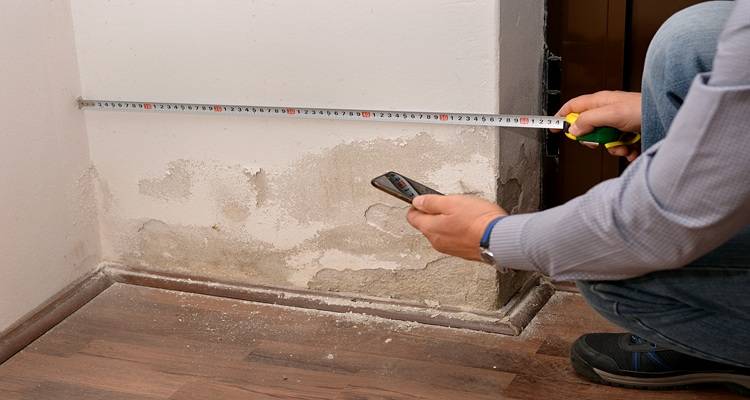
This sector shows the highest numbers of damp and mould issues.
- These homes had a damp prevalence of 10% in 2022 – 2023.
- In 2023–2024, nearly half (49%) of damp private rented homes had at least one person living there with a health condition.
- Tenants may have shorter rental lengths, less power to demand repairs, and may hesitate to report issues for fear of being evicted in retaliation.
The Renters' Rights Bill (including Awaab’s Law) aims to help protect tenants. However, this will only work if enforcement goes ahead as it should.
Social Rented Housing
Social housing has also been seeing a rise in damp and mould problems.
- In 2023–2024, 7% of social homes had damp. This highlights an increase of three percentage points since 2019.
- Social landlords might struggle with budgeting, be dealing with aged homes, and may experience delays in repairs through no fault of their own, making responses to issues slower.
As more vulnerable households often occupy social housing, the health implications of damp in this area can carry much bigger issues on a wider scale.
Disrepair, Rising Damp and Landlord Responsibilities
Many damp problems stem from the landlord not doing anything about them, the landlord delaying repairs, or the landlord underinvesting in maintenance. The law in England states that:
- Landlords must make sure properties don't have any hazards under HHSRS. This includes damp and mould.
- The government’s guidance “Understanding and addressing the health risks of damp and mould” explains expectations for fast responses and preventative maintenance.
- Following the tragic death of Awaab Ishak in 2020, due to prolonged mould exposure, the guidance has been updated to stress speed and tenant protection.
- The new regulation, Hazards in Social Housing, which came into play on 27th October 2025, enforces much stricter and more proactive repair obligations on social landlords.
Policy, Regulation & Response
Legal and Regulatory Frameworks for Damp Proof Course
The UK's approach to damp and mould in housing involves several different methods:
- GOV.UK Guidance - “Understanding and addressing the health risks of damp and mould" sets certain standards for landlords' and housing providers' response and prevention responsibilities.
- Awaab Ishak - The tragic death of Awaab Ishak motivated legal changes and more scrutiny of social housing providers.
- Social Housing (Regulation) Act 2023 - The Social Housing (Regulation) Act 2023 helps with strengthening tenants' rights in social housing, partly in response to failures in housing conditions.
- Hazards in Social Housing - The Hazards in Social Housing (Prescribed Requirements) (England) 2025 regulation requires social landlords to respond much more quickly when hazards are identified. This includes mould and damp.
- HHSRS - Under the Housing Health & Safety Rating System (HHSRS), local authorities may inspect homes and apply enforcement actions if Category 1 hazards are found, which can also include damp and mould.
The list above shows the growing acknowledgement of the problem, but its application still remains a challenge.
Enforcement, Inspection and Gaps
Although the legal frameworks exist, the enforcement side of them can be patchy.
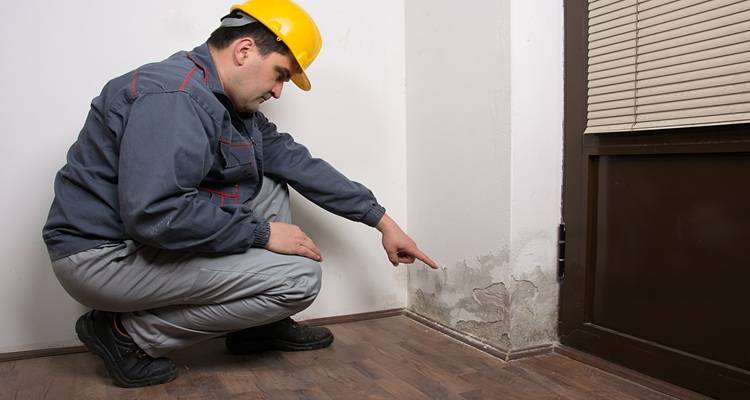
- In England in 2021–2022, councils received 23,727 complaints about damp/mould in private rented housing, but only inspected 11,897 cases, which is roughly 50% of them. Of those inspected, 87% were resolved informally; only 1,539 improvement notices and a mere 27 prosecutions were issued.
- Many private landlords may not be subject to timely remediation work due to weak enforcement, limited inspection capacity, and tenant fear of being evicted in retaliation, according to the Commons Library.
- The EHS definition of a “damp problem” is relatively high, but many mould or condensation issues are not captured in formal inspection counts.
Despite the frameworks, the actual reality of damp and mould may exceed the official numbers, and remediation remains inconsistent.
Recent Policy Momentum
Following the Awaab Ishak inquest, the nation has an increased acknowledgement and recognition of housing-health links and safe housing standards. Social landlords are now under pressure, via regulation and scrutiny, to respond more quickly to complaints of damp, mould, and structural defects.
The new “Awaab’s Law" for quicker fixes in social housing is definitely great for the future. This law requires landlords to respond within set timeframes, so this means that tenants in social housing will have their damp and mould problems remediated much faster than they would have been before.
Government and sector bodies are increasingly focusing on modernising, ventilation improvements and proactive maintenance of houses that are at risk. While these are all promising signs, the gap between policy intention and practical outcomes still remains a battleground.
Challenges and Future Outlook
Data and Measurement Issues
- The EHS uses a surveyor-defined “damp problem” threshold. This means that smaller or self-reported mould or condensation issues may not be counted.
- Self-report surveys (non-EHS) often show a much higher number of issues, suggesting that the true exposure may be significantly under-recorded.
- Regional data (especially for Scotland, Wales, and Northern Ireland) is not as integrated into the EHS statistics, making it more difficult to determine UK-wide results.
- Establishing causation (such as linking damp and mould to a specific health problem) is challenging because many factors, such as income, tenure, behaviour, and regional climate, can confuse these relationships.
- Tracking of the same homes over time is limited.
- Enforcement and inspection data are often inconsistent between local authorities and are often not publicly placed into a comprehensive national database.
Cost Implications
Damp and mould are not only public health hazards, but they also carry major financial consequences for the UK economy and health services.
The NHS in England spends an estimated £1.4 billion per year treating illnesses that are linked to unsafe housing, cold, damp and mould problems. With the wider social and productivity costs included in this, the total yearly impact rises to around £15.4 billion.
Analysis by the Building Research Establishment (BRE) found that upgrading England's lowest-income housing properties would cost roughly £9 billion, but this would then generate around £135 billion in long-term social benefits, including £13 billion in NHS savings.
Specifically, fixing the 65,000 homes with the most severe damp and mould hazards would cost around £250 million but yield £4.8 billion in benefits. This is a 19-fold return on investment.
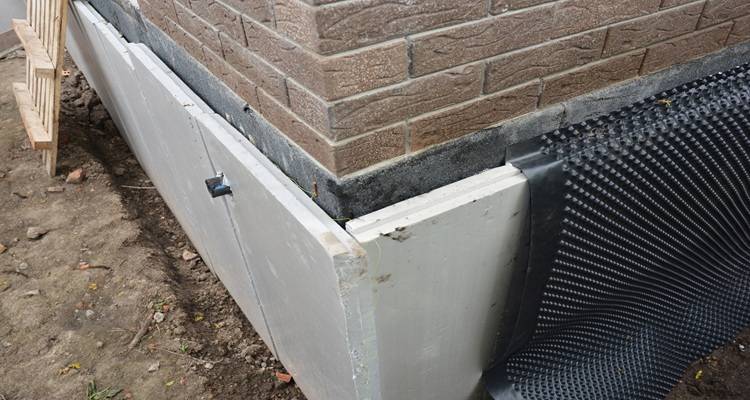
Repair costs for landlords are also significant. Damp repairs can cost £3,000 - £10,000 per property, whereas preventative measures such as improving ventilation and insulation cost a lot less. For social housing providers, the average cost of fixing a serious damp or mould hazard is around £985 per home.
In short, the cost of ignoring the problem far outweighs the price of preventing the issues. Tackling damp and mould is not only important for morals and health, but it is also an economically sound investment in the nation's well-being.
Future Risk Factors
- Climate Change - Rising average humidity levels, heavier rainfall, and more extreme weather events can increase the risk of moisture getting into the home, as well as increasing condensation and mould growth in vulnerable buildings.
- Energy Cost Pressures - Households that are facing increased heating bills may not heat their homes as much or may ventilate their homes less, which can then cause higher moisture accumulation and mould growth.
- Ageing Housing Stock - Many of the homes in the UK date from the mid-20th century or earlier and may have solid walls, minimal damp-proofing or inadequate ventilation and insulation.
- Growth in Private Renting - As more people now rent, usually with not a lot of incentive to maintain the property, the risk of damp and mould problems persisting remains high.
- Resource Constraints in Local Government and Housing Associations - Without adequate funding, inspections, repairs, and maintenance, the backlogs may become worse.
- Policy Implementation Gap - Even where certain frameworks like Awaab's Law exist, there still may be a lag due to a lack of enforcement, landlord noncompliance, or court/ombudsman delays.
Opportunities and Policy Levers
- Modernising and Upgrading - Improving insulation, ventilation, damp-proofing, and heating efficiency in high-risk homes may help to reduce exposure.
- Targeted Inspection Regimes - Prioritising high-risk tenures (private rented, older homes, low-income households) will allow more efficient use of enforcement.
- Stronger Tenant Rights and Faster Repair Obligations - Making sure tenants can enforce repairs safely and quickly without any fear of eviction can help change the power balance.
- Cross-Sector Collaboration - Health, housing, local authority and voluntary sectors sharing their data can help drive targeted interventions.
- Public Education - Raising awareness with tenants of what counts as mould and damp problems, what ventilation and maintenance steps can help, and what rights they have, will help to support prevention, early detection and fixes.
- Monitoring and Public Transparency - Publishing data on landlord performance, the time it takes them to do repairs, and current inspection rates can help to encourage landlords to conform.
- Incorporating Climate Resilience - Making sure housing standards anticipate higher humidity levels, heavier rainfall and issues with keeping the heat in and preventing cold spots can help to future-proof UK homes.