Builders
 Carpenters
 Electricians
 Flooring Specialists
 Gardeners
 Handymen
 Heating Engineers
 Painters & Decorators
 Plasterers & Renderers
 Plumbers
 Roofers
 Tilers
 my
my5 Simple Ways to Draught-Proof Your Home as It Gets Colder
As the temperatures start to drop, small gaps around your home can allow cold air to enter and warm air to escape, which is not something you want when the weather is cold out.
The good news is, just a few simple and affordable draught-proofing measures around your windows, doors, and floors can make a huge difference and help make your home feel warmer and more comfortable.
1. Seal Gaps Around Windows
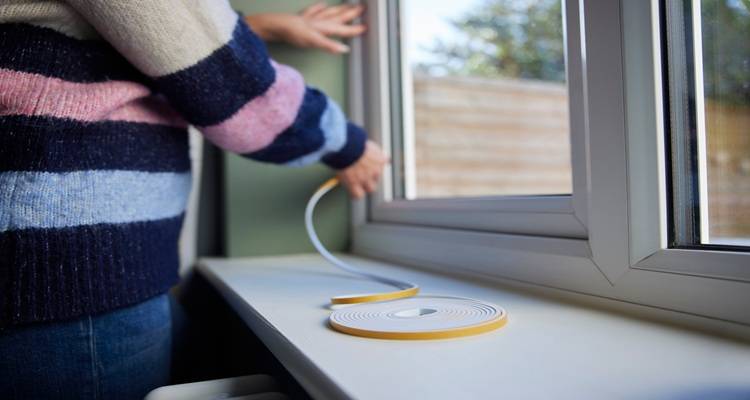
Worn or missing seals around your window frames can allow cold air to enter your home. This is particularly common around older windows. Self-adhesive draught-proofing strips can provide a quick and affordable solution to this problem. Silicone sealant can also be good for sealing smaller gaps around the frames.
The best option for you will depend on the type of windows you have and their condition. Make sure to check the manufacturer’s recommendations whenever possible. Whichever method you use, make sure the windows can still open and close properly once the draught-proofing has been put in place. You’ll be surprised how much of a difference it can make just filling in some small draughty cracks and gaps.
2. Draught-Proof External Doors
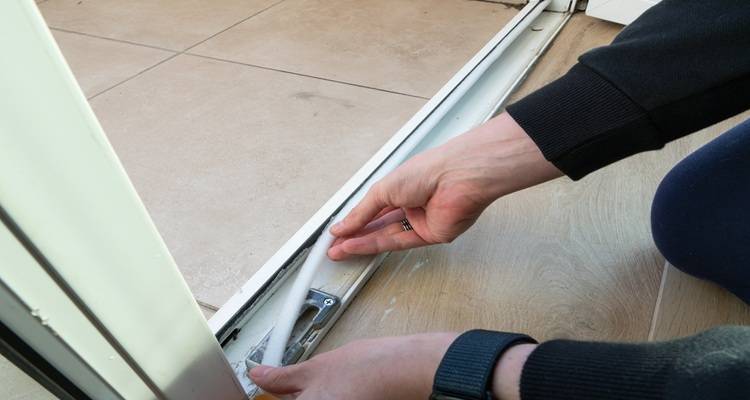
External doors can be a very common source of draughts, particularly if there are gaps underneath or around the frame. A door sweep or brush strip can help seal the gap at the bottom. Weather stripping can be fitted around the sides and the top of the door. All of these are quick jobs that can make a huge difference to your home.
You can also reduce draughts around your letterbox and keyhole with a letterbox cover or a keyhole cover. Before fitting any new products, you will need to make sure that the door frame and the existing seals are in good condition. Damaged seals may need replacing rather than just covering.
3. Block Gaps Around Floors and Skirting Boards
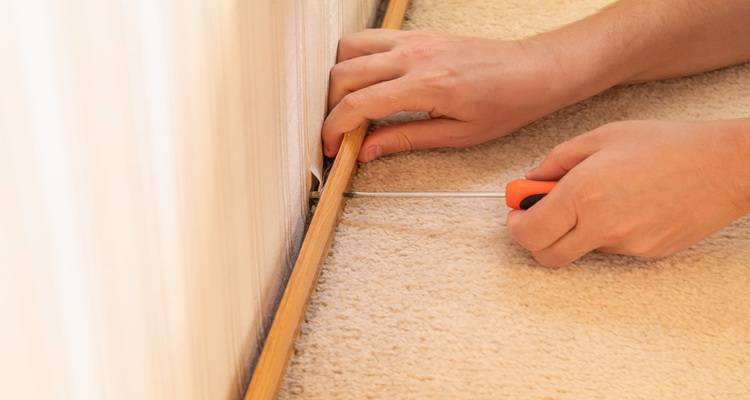
If there are gaps between your floorboards and skirting boards, these can allow cold air to enter. This is particularly true for rooms with suspended timber floors. Damaged floorboards or gaps around the edges of the floor can also make the room feel noticeably colder during the winter months.
Depending on the size and location of the gap, you could use flexible filler, a suitable sealant, or purpose-made floorboard gap fillers. These all make great solutions. However, you need to be careful not to block any permanent air vents, as these may be essential for maintaining ventilation and preventing bigger problems such as damp or mould.
4. Check Chimneys and Unused Openings

If you have a chimney in your home that you are not using, this can allow cold air to enter the room, and this creates a noticeable draught. If you don’t intend to use your fireplace any time soon, consider using a removable chimney draught excluder or chimney balloon. These are helpful tools for reducing heat loss while still allowing the opening to be accessed whenever needed.
It is also worth checking loft hatches, pipe openings and gaps around utility connections for unwanted draughts. However, you should never block an active fireplace, flue or ventilation opening that is required for the safe operation of an appliance or to maintain adequate airflow.
5. Add Curtains and Soft Furnishings

Lined curtains, thermal blinds and draught excluders can provide a simple way for you to reduce the chill around windows and external doors. Thicker curtains can also be used to make a room feel much warmer and cosier, particularly during the evening when the temperatures drop. This can be very helpful going into the colder autumn and winter months, especially.
For the best results, make sure your curtains are not hanging over radiators, as this can prevent the warm air from your heating system from circulating properly around the room. Keeping the space above the radiators clear helps your heating work more effectively.
Conclusion
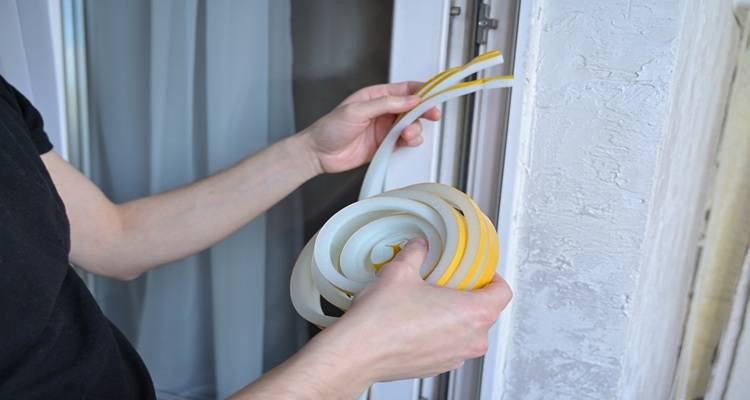
Just a few small draught-proofing improvements can make a huge difference in how warm and comfortable your home feels during the colder weather. By sealing up any gaps around the windows, doors and floors, you can help to greatly reduce any unwanted cold air without having to carry out any major insulation work.
Last updated by MyJobQuote on 3rd August 2026.