Builders
 Carpenters
 Electricians
 Flooring Specialists
 Gardeners
 Handymen
 Heating Engineers
 Painters & Decorators
 Plasterers & Renderers
 Plumbers
 Roofers
 Tilers
 my
myBoiler Comparisons: Choosing the Right Boiler for Your Home
Boilers are, without doubt, the most essential part of the majority of heating systems in the UK.
They provide warmth throughout the cooler months and hot water across the year, but when it comes to replacing or upgrading your boiler, choosing the right one can feel a little overwhelming. There are multiple types to consider, and the wrong choice can lead to inefficiency, higher running costs, and potentially costly repairs in the future.
In this guide, we’ll compare the three most common boilers used in the UK: the combi, system and regular. We’ll place a focus on the key factors such as efficiency, costs, and which type is best suited to different types of homes.
By the end of this article, you should have a better understanding of which type of boiler best suits your needs, and how a professional can guide you through the process from specification to installation.

Overview of Modern Boilers
A key point to note, before we dive into the world of gas boilers, is to make clear that all modern boilers in the UK are, by law, required to be condensing boilers, which means they operate with a higher level of energy efficiency, typically 90% or more.
Condensing boilers recover heat from the flue gases (waste gases) that would otherwise escape up the chimney, making them much more energy-efficient than older models.
Now, let’s take a closer look at the three main types of modern boilers:
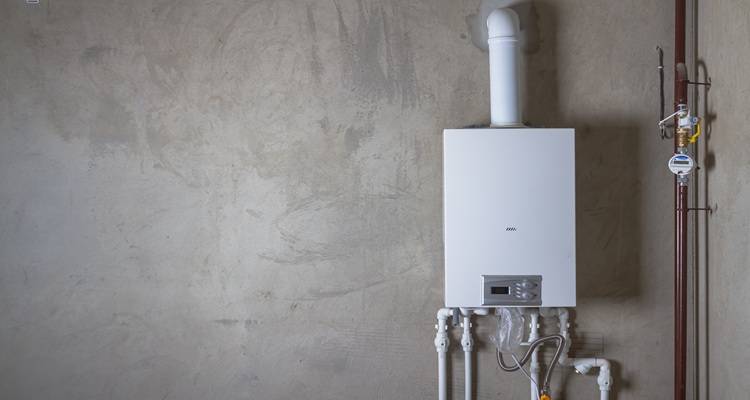
- Combi Boilers: A combination of both heating and hot water in one compact unit.
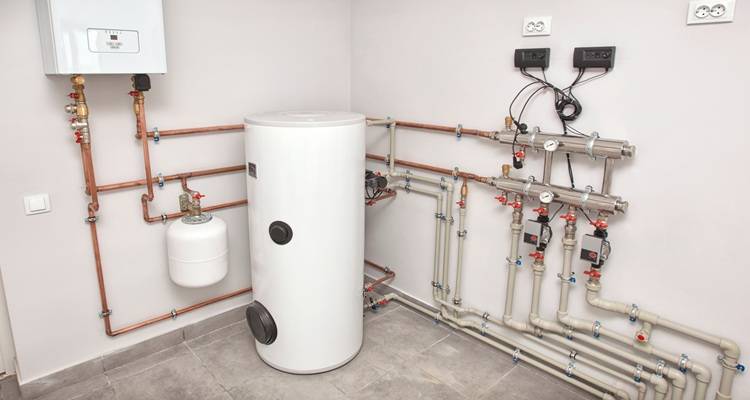
- System Boilers: Provide heating and store hot water in a separate cylinder (but no cold-water tank).
- Regular Boilers (also known as Conventional/Heat-Only Boilers): Use both a hot water cylinder and a cold-water storage tank.
Each of these boilers has its pros and cons, and the best choice will depend on factors such as your home size, heating needs, and available space.
Combi Boilers
Combi boilers provide on-demand central heating and hot water, without the requirement for a hot water cylinder or a cold water tank.
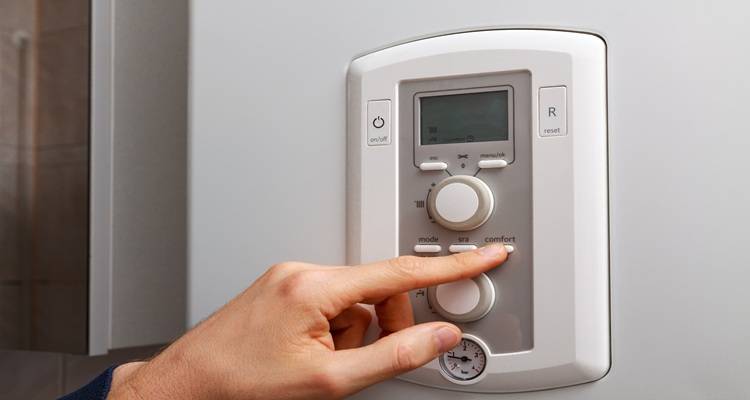
Instead, everything is integrated into a single unit. When you turn on the tap or shower, the boiler heats the water instantly, without needing to store it in advance.
Pros:
- ✔ Compact and space-saving: No need for extra tanks or cylinders, so perfect for homes with limited space.
- ✔ Instant hot water: Hot water is provided immediately, so there’s no waiting time or risk of running out.
- ✔ Lower installation costs: Because there’s no need for extra equipment, installation is often quicker and less expensive.
Cons:
- ✖ Not ideal for large homes: If you have a large household with high hot water demand, a combi boiler might struggle to meet this need.
- ✖ Mains water pressure dependent: Combi boilers rely on mains water pressure, which means homes with low water pressure may face performance issues.
Typical Installation Cost: £2,000–£3,000
Best for:
- Flats and small/medium-sized homes, especially where space is limited and there’s a moderate demand for hot water.
System Boilers
System boilers provide on-demand central heating and store hot water in a completely separate tank, usually found in a cupboard or loft.
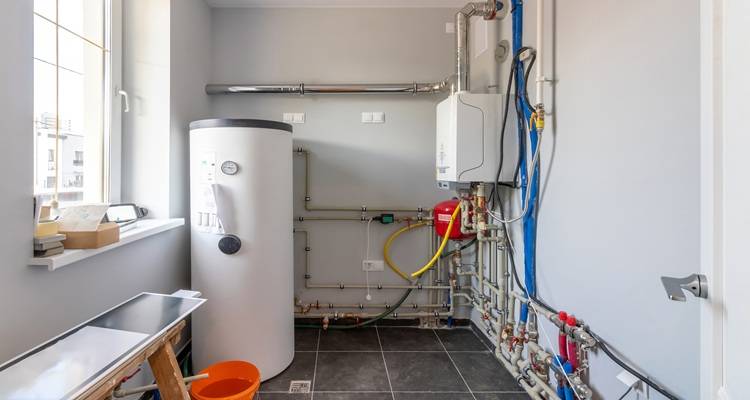
While there isn’t a requirement for a cold water storage tank, they still need a hot water cylinder to retain hot water for when supply is required. These boilers are often used in homes with higher hot water demand or multiple bathrooms.
Pros:
- ✔ Good for larger homes: System boilers can easily supply multiple bathrooms and taps with hot water, making them ideal for medium-to-large households.
- ✔ No cold-water tank: Unlike regular boilers, system boilers don’t need a cold-water storage tank, freeing up space in the loft.
- ✔ More efficient hot water supply: Since the water is stored in a cylinder, you won’t need to wait for hot water to be heated as you would with a combi.
Cons:
- ✖ Requires space for a hot water cylinder: You’ll need space for the cylinder, so system boilers are not ideal for homes with very little space.
- ✖ More complex installation: The addition of the hot water cylinder means that installation can take a little longer and cost more.
Typical Installation Cost: £3,000–£4,500
Best for:
- Medium-to-large homes with higher hot water demand or multiple bathrooms, where space for a hot water cylinder is available.
Regular Boilers (Conventional/Heat-Only)
The traditional choice for homes that have older heating systems, regular boilers require both a hot water cylinder and a cold water storage tank.
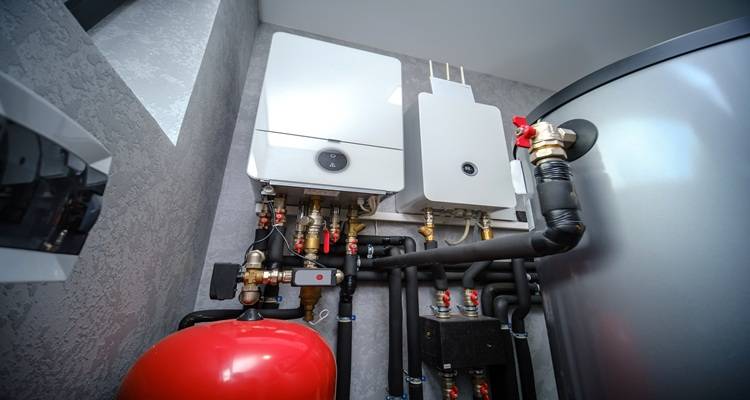
The boiler will heat the water and store it in the cylinder until supply is required, and these systems are typically found in older properties, especially those that have had previous heating systems.
Pros:
- ✔ Reliable: Regular boilers are well-known for their reliability, especially in homes with low mains water pressure.
- ✔ Can work with existing heating systems: If your home already has a regular boiler setup, replacing it with a similar model can be easier and more cost-effective.
- ✔ Best for homes with multiple bathrooms: They provide a steady supply of hot water for homes with a high demand.
Cons:
- ✖ Requires significant space: Regular boilers need both a hot water cylinder and a cold-water storage tank, so they take up more space than system or combi boilers.
- ✖ Slower hot water supply: Unlike combi boilers, hot water needs to be stored in advance, which can lead to slower delivery times.
- ✖ Less common in new homes: As most new homes are built with more modern systems, regular boilers are becoming less common.
Typical Installation Cost: £3,000–£5,000
Best for:
- Large homes or older properties with existing regular boiler setups, or those that have low water pressure.
Efficiency and the Environment - What to Look For in a New Boiler
When considering a new boiler to heat your home, there are some crucial factors to bear in mind, at the top of which is its energy efficiency. Choosing a boiler that is highly energy-efficient – such as a modern combi boiler or a system boiler – can significantly reduce your energy bills while also lowering your carbon footprint.
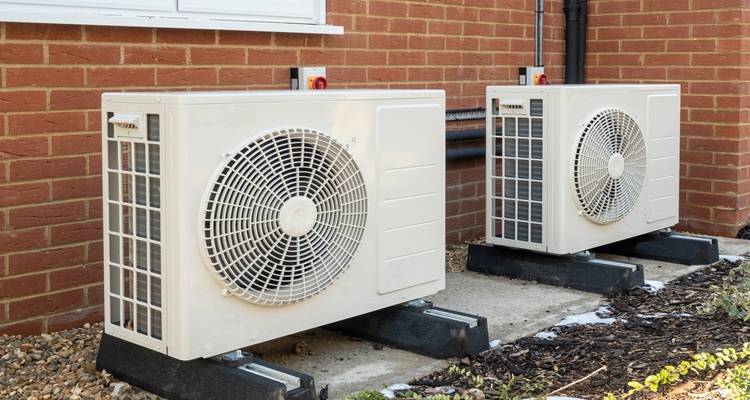
In the UK, gas boilers remain by far the most popular option in the boiler market, but there are also some environmentally friendly alternatives available, such as electric boilers, biomass boilers, and heat pumps.
The boiler's efficiency rating is the key to determining how much energy it takes to heat your home and provide hot water. The higher the efficiency rating, the less energy the boiler uses, which in turn means lower operating costs and less heat loss.
Many major manufacturers, such as Worcester Bosch & Vaillant Ecotec, offer a range of boiler models designed to serve properties of all shapes and sizes and to meet different heating requirements.
When comparing boiler prices, you need to look beyond the initial cost. You should also consider the installation costs, ongoing energy bills, and potential savings over the boiler's lifetime.
A Gas Safe-registered engineer can help you choose the right type and size of boiler for your home, providing a heating system that is both cost-effective and environmentally friendly.
Cost Comparison
When it comes to boiler installation costs, the main difference lies in the size of the boiler and the complexity of the installation.
Installation Costs
| Boiler Type | Installation Cost Range | Best For |
|---|---|---|
| Combi Boiler | £2,000 – £3,000 | Small-to-medium homes, flats |
| System Boiler | £3,000 – £4,500 | Medium-to-large homes, multiple bathrooms |
| Regular Boiler | £3,000 - £5,000 | Larger homes, low mains pressure, older properties |
Running Costs
All modern boilers on the market in the UK today are condensing, meaning they are highly efficient regardless of their type. However, the running costs of these systems largely depend on the level of usage in the household and the overall energy efficiency of the home.
As a general rule, combi boilers are generally the most cost-effective for smaller homes due to their compact size and low installation cost. However, system and regular boilers tend to have much higher running costs, but are more suitable for homes with a greater demand.
Boiler Comparison Table
| Boiler Type | Hot Water Supply | Space Needed | Installation Cost Range | Best For | Suitability |
|---|---|---|---|---|---|
| Combi Boiler | On-demand | Compact | £2,000 - £3,000 | Small/medium homes, flats | New builds, flats, small homes |
| System Boiler | Stored (cylinder) | Medium | £3,000 - £4,500 | Medium/large homes | Homes with multiple bathrooms, more space |
| Regular Boiler | Stored (cylinder /tank) | Large | £3,000 - £5,000 | Large homes, low mains pressure | Older homes, homes with lower water pressure |
Choosing the Right Boiler for Your Home
When selecting the right boiler, here are the key factors to consider:
- Household size: Larger homes will likely need a system or regular boiler, while smaller homes can often benefit from a combi boiler.
- Hot water demand: If your household uses a lot of hot water, a system or regular boiler is probably your best bet.
- Space available: Combi boilers are the most compact, while system and regular boilers require additional space for tanks and cylinders.
- Water pressure: Homes with low water pressure may benefit from a regular boiler, which works independently of mains pressure.
- Budget: Combi boilers tend to have lower upfront costs, but consider the long-term running costs as well.
Choosing the best boiler for your home depends on a number of factors, and there is truly no ‘one size fits all’. You should consider the size of your home, your water usage, available space, and your budget, and you can make an informed decision.
If you’re still unsure, it’s always best to get professional advice. Heating engineers can provide tailored recommendations and help you find the best boiler type and installation cost for your specific needs.
Last updated by MyJobQuote on 12th January 2026.