 Builders
 Carpenters
 Electricians
 Flooring Specialists
 Gardeners
 Handymen
 Heating Engineers
 Painters & Decorators
 Plasterers & Renderers
 Plumbers
 Roofers
 Tilers
 my
my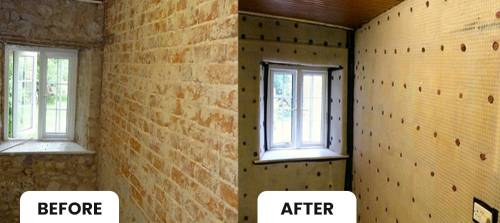
Find Tradespeople, compare up to 3 quotes!
It's FREE and there are no obligations
TRB Damp Proofing specialists a reliable and professional damp proofing company with years of hands-on experience in protecting homes and commercial properties. We specialise in identifying problems quickly and delivering long-lasting, cost-effective solutions.
From minor jobs to full damp proofing treatments, we take pride in high-quality workmanship, honest advice, and excellent customer service. No shortcuts, no pressure sales — just solid work you can trust.
Why damp proofers treat wood
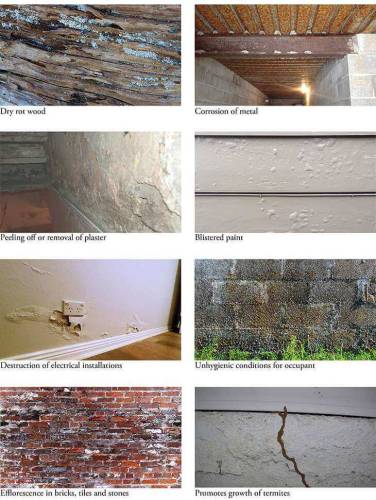
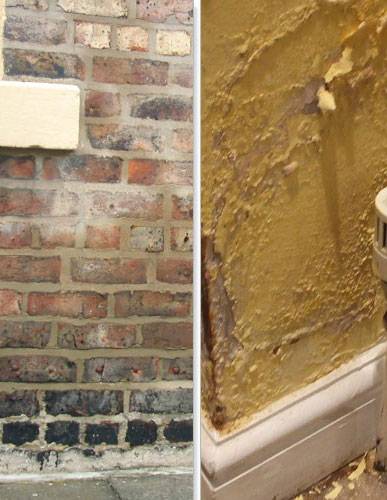
Excess moisture in buildings can lead to:
Wet rot / dry rot
Wood-boring insects (woodworm)
Structural weakening of joists, floors, roof timbers
Damp proofers assess the moisture source first, then apply the right wood preservation or remedial treatment.
Main types of wood treatments
1. Wet Rot Treatment
Used when: Timber stays damp due to leaks, rising damp, or condensation
What it involves:
Fixing the moisture source (crucial)
Removing badly damaged wood
Applying a fungicidal wood preservative to surrounding timber
Common signs:
Spongy wood, dark staining, musty smell
2. Dry Rot Treatment
Used when: Serious fungal decay is present (more aggressive than wet rot)
What it involves:
Removing infected timber and nearby plaster/masonry
Treating masonry with a fungicidal wash
Applying a high-strength fungicide to remaining wood
Sometimes installing replacement treated timber
⚠️ Dry rot spreads easily, so treatments are more extensive and costly.
3. Woodworm / Insect Treatment
Used when: Beetle larvae are attacking timber
What it involves:
Identifying the insect species (important)
Applying insecticidal fluid by:
Spray
Brush
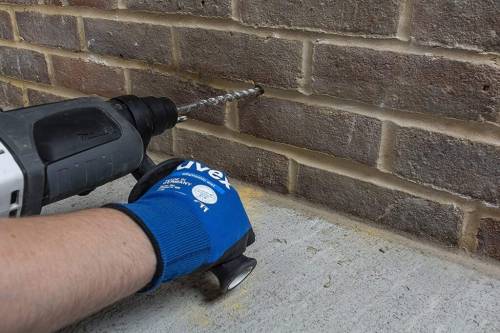
Injection (for thick timbers)
Signs: Small exit holes, fine dust (frass), weakened wood
4. Preventative Wood Preservative Treatment
Used when: Timber is at risk but not yet damaged
Common in:
Loft spaces
Subfloors
During renovations
Treatment:
Clear or colored preservative that protects against:
Fungal decay
Insects
Moisture ingress
5. Tanking & Associated Timber Protection
If walls are tanked (waterproofed), damp proofers often:
Treat joist ends
Apply bitumen-based coatings or DPC membranes
Use treated replacement timber where necessary
How treatments are applied
Brush / spray (most common)
Injection (for structural timbers)
Gel systems (controlled release, less mess)
Safety & disruption
Modern treatments are low-odour and safer than older chemicals
Rooms may need ventilation
Usually safe to re-enter after drying (often same day)
There are currently no reviews for this tradesperson. If you've had a job completed by them in the past, leave a review below.
Leave a reviewPlease flag reviews only if you believe it has an issue. Do not flag a review just because you disagree with its content or the business. Our team will take a closer look at your report.
{{ first(errors.name) }}
{{ first(errors.email) }}
{{ first(errors.reason) }}
{{ first(errors.further_details) }}
{{ first(errors.recaptcha_response) }}
I agree to the Terms of Use and Privacy Policy.
{{ first(errors.terms) }}
{{ first(errors) }}

Thanks for your report! We’ll review it and step in if necessary. We can’t update you on the results, but we appreciate your help in keeping reviews fair.
CloseInvite TRB damp proof specialists to quote for your job
Reviews can only be left by customers who posted a job on MyJobQuote and were contacted by this tradesperson.
To leave a review, go to the Jobs Posted page in your MyJobQuote account, find the job you posted, and click the 'Leave a Review' button beside this tradesperson's name.