Builders
 Carpenters
 Electricians
 Flooring Specialists
 Gardeners
 Handymen
 Heating Engineers
 Painters & Decorators
 Plasterers & Renderers
 Plumbers
 Roofers
 Tilers
 my
myWhy Is My Driveway Sinking?
- A sinking driveway is usually caused by problems underneath the surface, such as poor sub-base installation, water damage, drainage issues, soil movement or repeated heavy loads.
- Small sunken areas can often be repaired, but widespread sinking may mean the driveway needs partial or full replacement.
- The most common reasons a driveway sinks
- The warning signs to look out for
- How different types of driveways are repaired
- When it’s time to call a professional
A sinking driveway is usually a sign that the ground underneath has shifted, washed away or was not prepared properly in the first place. In many cases, the surface itself is not the real problem – the issue is what is happening below it.
Poor sub-base installation, water damage, soil movement, heavy vehicles and general age can all cause parts of a driveway to dip, crack or become uneven over time.
If you have noticed low spots, pooling water, sunken edges or loose blocks, it is worth dealing with the problem sooner rather than later. Small areas of movement can quickly turn into larger sections of damage, especially during wet or freezing weather.
In this guide, we explain the most common reasons a driveway sinks, the warning signs to look out for, how the problem is fixed, and when it is time to get help from a professional.
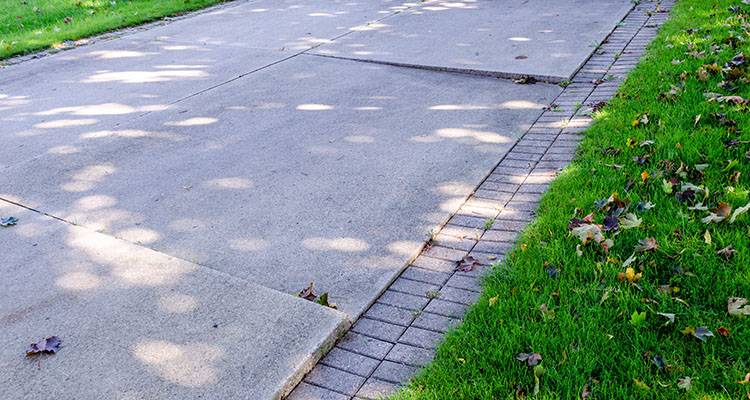
What Causes a Driveway to Sink?
A driveway sinks when the surface no longer has enough stable support underneath it. This can happen slowly over several years or much more quickly after heavy rain, poor drainage or repeated pressure from vehicles.
Here are the most common causes:
Poor Sub-Base Installation
One of the main reasons a driveway sinks is that the foundation underneath it was not installed properly. The sub-base is the layer that supports the driveway surface, and if it is too shallow, poorly compacted or made from the wrong materials, the driveway can start to dip and move.
This is especially common with older driveways or cheaper installations where corners were cut during the groundwork stage.
Water Washing Away the Support Underneath
Water is a major cause of driveway movement. If rainwater is not draining properly, it can gradually erode the material beneath the surface. Over time, this leaves empty spaces or weak areas under the driveway, causing it to sink.
You may notice this more around the edges, near drains or in places where water tends to collect after rain.
Soil Movement Below the Driveway
The ground underneath a driveway can naturally shift. Some soils expand when wet and shrink when dry, which can lead to gradual movement. This is more likely if the driveway was laid on unstable ground or if there are changes in moisture levels over time.
Ground movement can also happen after nearby building work, excavations or tree removal.
Heavy Vehicles and Repeated Pressure
Driveways are not always built to cope with constant heavy loads. If vans, motorhomes or multiple cars are parked in the same position every day, the pressure can cause the surface and the base below it to compress.
This often leads to visible dips in tyre tracks or sinking in the area directly in front of a garage.
Drainage Issues
Bad drainage does not just create puddles. It can also weaken the base of the driveway and soften the surrounding ground. If water has nowhere to go, it can slowly undermine the whole structure.
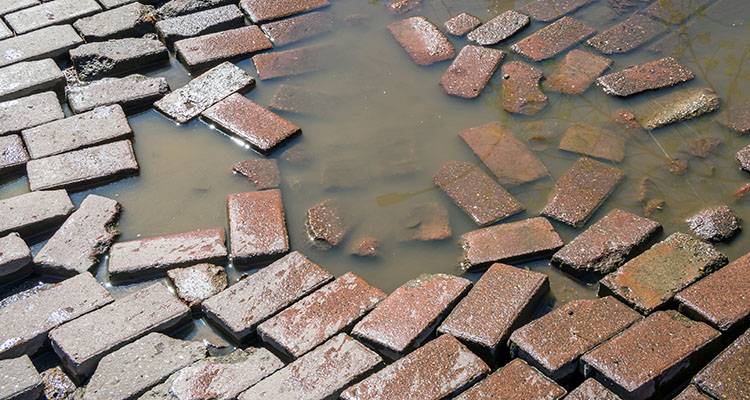
A driveway with poor drainage may sink more quickly during autumn and winter, when the ground stays wetter for longer.
Tree Roots or Decaying Roots
Tree roots are often blamed for lifting driveways, but they can also contribute to sinking. Large roots can disturb the ground and create uneven pressure beneath the surface. In some cases, old roots decay and leave voids underground, which then cause sections of the driveway to drop.
Age and General Wear
Even a well-installed driveway can start to show signs of movement over time. Years of weather exposure, vehicle weight and gradual settlement can all take their toll. Materials such as block paving, tarmac and concrete can all be affected, although the signs may appear differently depending on the surface type.
Signs Your Driveway is Sinking
A sinking driveway does not always start with a dramatic collapse. In many cases, the first signs are fairly subtle.
Look out for:
- Low spots or dips in the surface
- Water pooling in certain areas
- Sunken block paving
- Cracks in concrete or tarmac
- Uneven edges
- Loose or wobbly paving blocks
- Gaps appearing near walls, steps or garage thresholds
- Sections that feel unstable underfoot or when driven over
If the problem is getting worse, it is a good idea to have it checked before the damage spreads further.
Why a Sinking Driveway Should Not Be Ignored
A driveway that is sinking is more than just an appearance issue. Uneven surfaces can become a trip hazard, make parking difficult and put more stress on vehicles.
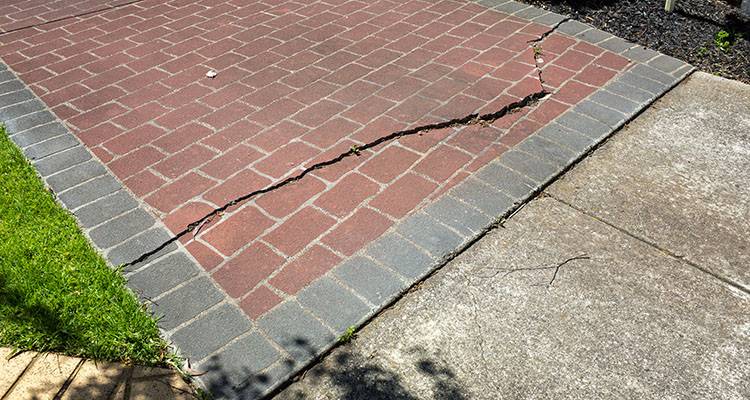
If water starts collecting in the low areas, the problem can speed up and lead to further cracking, frost damage or weed growth.
Ignoring the issue can also make repairs more expensive. A small sunken patch may be fixable with localised work, but widespread sinking could mean the whole driveway needs to be lifted and relaid.
Can a Sinking Driveway Be Repaired?
Yes, in many cases a sinking driveway can be repaired. The right solution depends on the cause, the extent of the damage and the type of driveway you have.
Block Paving Driveway Repairs
Block paving is often one of the easier driveway types to repair because individual blocks can be lifted. A tradesperson can remove the affected section, rebuild or top up the sub-base, re-level the sand bedding layer and relay the blocks.
If the sinking is only in one small area, this can often be fixed without replacing the entire driveway.
Concrete Driveway Repairs
A sinking concrete driveway can be more difficult to repair neatly. Small areas may be patched, but if the slab has cracked badly or dropped unevenly, part of it may need to be broken out and replaced.
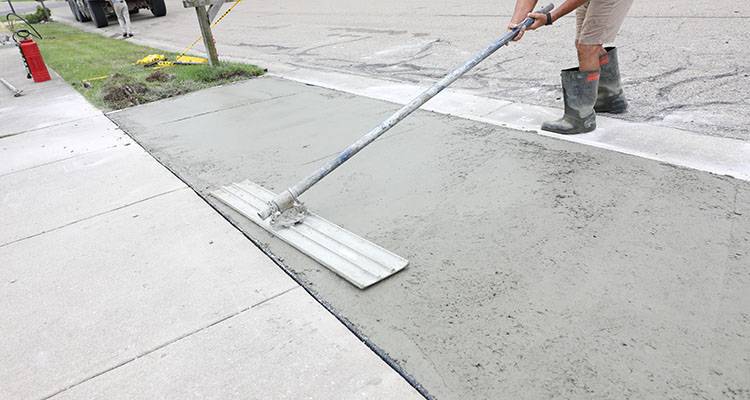
In some cases, specialist lifting methods may be possible, but this depends on the condition of the slab and what is happening underneath it.
Tarmac Driveway Repairs
Tarmac can sometimes be repaired by cutting out the damaged section and rebuilding the base underneath before resurfacing it. If the sinking is widespread, a larger section of the driveway may need to be redone.
Resin or Gravel Driveway Repairs
For resin-bound and gravel driveways, the repair method will depend on how much movement has occurred below the surface. If the sub-base has failed, the affected section usually needs to be dug up and rebuilt before the surface is restored.
When Does a Driveway Need Replacing?
A full replacement may be the better option if:
- The sinking affects a large area
- The sub-base has failed across the driveway
- Drainage problems are widespread
- The surface is cracked, broken and uneven in multiple places
- The driveway is old and already nearing the end of its lifespan
In these cases, patch repairs may only provide a temporary fix. Replacing the driveway allows the base, drainage and surface to all be installed properly from scratch.
How to Prevent a Driveway from Sinking
The best way to avoid driveway sinking is to make sure the groundwork is done properly from the start. A strong, well-compacted sub-base is essential, and good drainage is just as important.
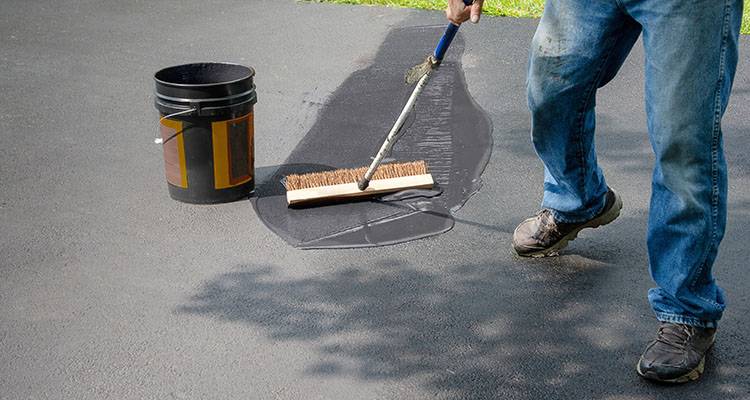
To help prevent future problems:
- Make sure the driveway has a proper sub-base
- Choose a surface suitable for the weight it will carry
- Deal with drainage issues early
- Avoid parking very heavy vehicles on areas not designed for them
- Keep gutters, drains and channels clear
- Repair small dips or loose areas before they worsen
- Keep up with maintenance on your driveway
Quality installation makes a huge difference. A driveway may look fine when first laid, but if the base is poor, problems often show up later.
Should You Repair it Yourself or Hire a Professional?
Small issues, such as a few loose blocks or minor gravel movement, may be manageable as a DIY job if you know what you are doing. However, a truly sinking driveway usually points to a problem below the surface, and that is where professional experience matters.
A driveway specialist can identify whether the issue is caused by drainage, ground movement, poor compaction or structural failure. They can then recommend the right repair rather than just covering up the symptoms.
If you are unsure what is causing the sinking, it is usually best to get expert advice. That way, you are more likely to fix the root cause properly the first time.
How Much Does it Cost to Fix a Sinking Driveway?
The cost can vary a lot depending on the driveway material, the size of the affected area and whether the base needs rebuilding. A small localised repair will cost far less than lifting and relaying an entire driveway.
Things that affect the price include:
- Driveway size
- Surface material
- Depth of excavation needed
- Amount of new sub-base required
- Drainage improvements
- Labour rates in your area
- Ease of access
If the damage is extensive, comparing quotes is the best way to understand your options and find the right price for the work.
How to Find the Right Tradesperson
When hiring someone to repair or replace a sinking driveway, look for a tradesperson with experience in driveway groundworks rather than surface-only patching. Ask what they think has caused the problem, what preparation work is included and whether drainage will be checked as part of the job.
It is also a good idea to:
- Get more than one quote
- Ask for a breakdown of the work
- Check reviews and previous jobs
- Confirm what materials will be used
- Make sure waste removal is included if needed
A good contractor should be able to explain the cause clearly and tell you how they plan to stop it from happening again.
Conclusion
If your driveway is sinking, the most likely cause is a failure in the support underneath the surface. Poor installation, water damage, drainage problems, soil movement and heavy vehicle use are all common reasons for a driveway to dip or become uneven.
The sooner you deal with it, the easier it usually is to repair. In some cases, only a small section needs lifting and relaying. In others, a full replacement may be the most cost-effective long-term solution.
If you have noticed signs of sinking, it is worth getting quotes from driveway specialists who can assess the cause and recommend the right fix for your home.