 Builders
 Carpenters
 Electricians
 Flooring Specialists
 Gardeners
 Handymen
 Heating Engineers
 Painters & Decorators
 Plasterers & Renderers
 Plumbers
 Roofers
 Tilers
 my
myHow to Fit a Radiator: A Step-by-Step Guide
Fitting a radiator can seem like a daunting task, but with the right tools and a bit of patience, it’s a job that many DIY enthusiasts can tackle. This guide will walk you through the process of fitting a radiator, ensuring you have all the information you need to get the job done efficiently and safely.
Tools You'll Need
- Adjustable spanner: For tightening and loosening nuts and bolts.
- Pipe cutter: To cut the pipes to the required length.
- Radiator key: For bleeding the radiator.
- Spirit level: To ensure the radiator is level.
- Drill and drill bits: For making holes in the wall for brackets.
- Wall plugs and screws: To secure the brackets to the wall.
- PTFE tape: To ensure a watertight seal on the connections.
- Bucket and towels: To catch any water spills.
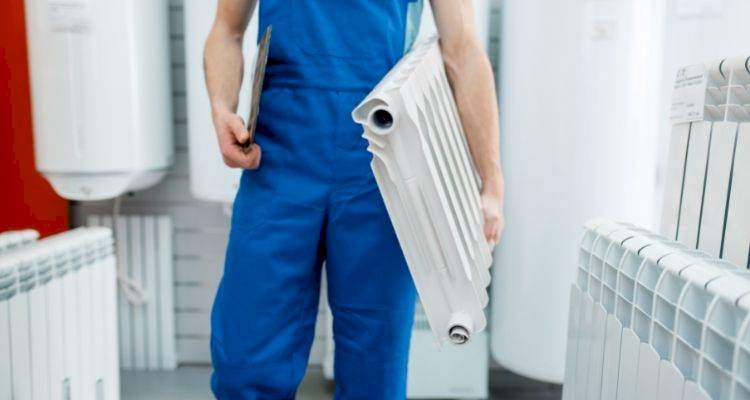
Step-by-Step Guide
1. Turn Off the Heating System
Before you start, ensure the heating system is turned off and the water supply to the radiator is isolated. This will prevent any water from leaking out while you work.
2. Drain the Radiator
Place a bucket under the radiator valve and use an adjustable spanner to open the valve. Allow the water to drain out completely.
3. Remove the Old Radiator
Once the radiator is drained, use the spanner to disconnect the radiator from the pipes. Carefully lift the radiator off the wall brackets and set it aside.
4. Prepare the Wall
Measure and mark the positions for the new radiator brackets on the wall. Use a spirit level to ensure they are level. Drill holes at the marked positions and insert wall plugs.
5. Fit the Brackets
Secure the brackets to the wall using screws. Make sure they are firmly in place to support the weight of the radiator.
6. Install the New Radiator
Lift the new radiator onto the brackets. Connect the radiator to the existing pipework using PTFE tape to ensure a watertight seal. Tighten the connections with an adjustable spanner.
7. Fill the Radiator
Turn the water supply back on and allow the radiator to fill. Use a radiator key to bleed any air from the radiator by opening the bleed valve until water starts to come out.
8. Check for Leaks
Once the radiator is filled and bled, check all connections for any signs of leaks. Tighten any connections if necessary.
9. Turn On the Heating System
Finally, turn the heating system back on and check that the radiator is heating up properly.
Additional Tips
- Use a spirit level: Ensuring the radiator is level will help it function efficiently and look aesthetically pleasing.
- Bleed the radiator: Always bleed the radiator after installation to remove any trapped air.
- Check for leaks: After filling the radiator, check all connections for leaks to avoid water damage.
Common Mistakes to Avoid
- Not turning off the heating system: This can lead to water leaks and potential burns.
- Skipping the bleeding process: Trapped air can prevent the radiator from heating properly.
- Incorrect bracket placement: This can cause the radiator to be uneven or unstable.
Conclusion
Fitting a radiator is a manageable task with the right tools and a clear step-by-step guide. By following the instructions provided, you can ensure a successful installation. However, if you find the process too challenging, don't hesitate to hire a professional to get the job done.